REVIEW · NAIROBI
7 Days Private 4 star lodges Safari by LandCruiser from Nairobi
Book on Viator →Operated by PERFECT WILDERNESS TOURS AND SAFARIS · Bookable on Viator
Four parks, one wild week.
This private 7-day safari is built for people who want real wilderness time without paying top-end 5-star prices, and it keeps comfort high with 4×4 Land Cruisers plus 4-star lodges/camps in great locations. I especially like the way the route focuses on different parks for different wildlife, then times the days so you’re out looking for animals at the right hours. One thing to consider: the schedule is full, with early starts and long driving days, so it’s not the kind of trip where you sleep in every morning.
I also like the human side of it. In past trips, guides such as Ben (Spanish) and Chris (SafariDoctor) have been praised for patient explanations and sharp animal-spotting, while drivers like Nathan and Danson got credit for confident driving on dirt roads. Since it’s private, you’re not stuck waiting for a slow group—you get to move at a pace that works for your day.
And yes, the price is serious at $2,667 per person, but the tour includes a lot that typically adds up fast at the border: park entrance fees for the main reserves, transport in a Land Cruiser with a pop roof, bottled water, pickup and drop-off, and even the Naivasha boat ride. The value question is less about sticker shock and more about what’s folded into the package versus what you’ll pay extra (like drinks and gratuities).
In This Review
- Key things that make this safari work
- Private Land Cruisers and 4-star comfort without the 5-star bill
- Nairobi to Maasai Mara: Rift Valley viewpoint and sunset drive
- Mara River day: wildebeest migration area, hippos, and predators
- Lake Nakuru: faster transfer, slower scanning for the right species
- Hell’s Gate plus Lake Naivasha: white rhinos, a biking option, and 1 hour on the water
- Amboseli with Mount Kilimanjaro views and Tuli(a) Camp comfort
- Observation Hill day: packed lunch, long time in the park, and predator focus
- Ending back in Nairobi: short final drive, then you’re done
- Price and value: what $2,667 per person really includes
- Who this safari fits best (and who should think twice)
- Should you book this 7-day private safari?
- FAQ
- Which national parks are included in this 7-day safari?
- Is hotel pickup and drop-off included?
- What accommodation style is used?
- What’s included for animal viewing and transportation?
- Is the Lake Naivasha boat ride included?
- Is free cancellation available?
Key things that make this safari work
- Pop-roof Land Cruiser viewing: easier angles for scanning wildlife.
- 4 National Parks in 7 days: you’re not just repeating the same scenery.
- Big wildlife focus by park: Mara for the classic predator-prey action, Amboseli for Kilimanjaro backdrops and big mammals.
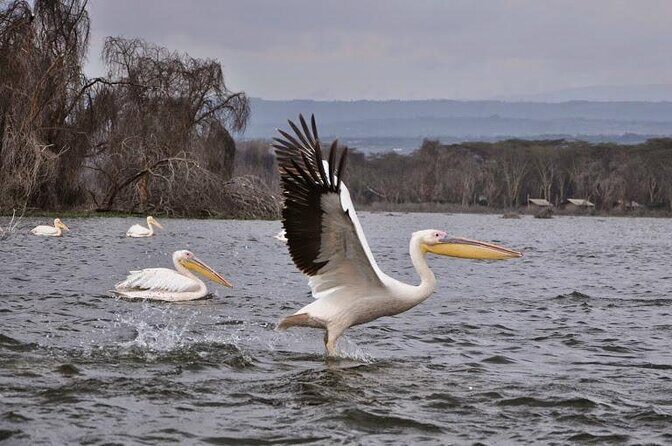
- Naivasha boat ride is included: birdwatching and hippo viewing at the water’s edge.
- Hell’s Gate adds variety: game drive plus a biking option (or you can ride by car if needed).
- Private group means your schedule matters: only your group participates.
Private Land Cruisers and 4-star comfort without the 5-star bill
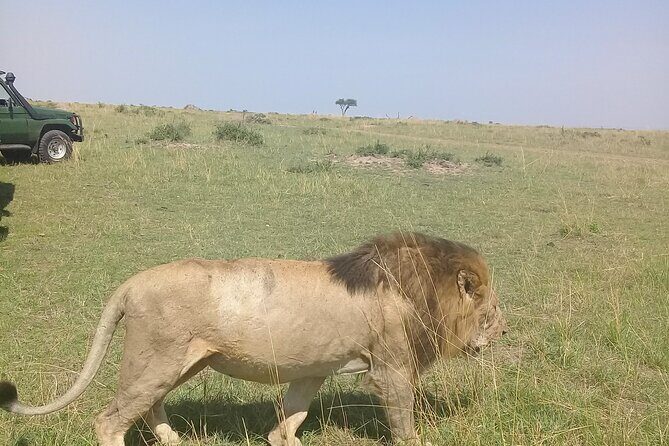
This is a comfort-to-luxury safari in the sweet spot between “rough it” and “just fly in, never get dusty.” You’re sleeping in 4-star lodges/camps with strong reviews and in well-placed areas for game viewing. The idea is simple: you should be able to relax after a day on the road, not just crash.
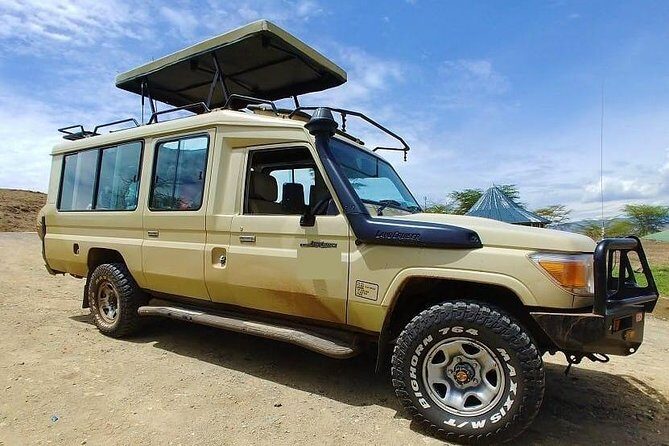
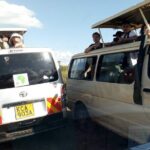
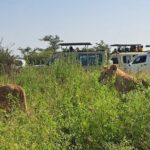
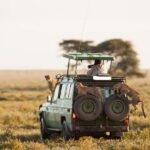
Transport matters a lot on safari. Here you’re using a 4×4 Land Cruiser with a pop roof for easier viewing. That small detail changes the whole experience when you’re trying to spot animals across open plains or through light woodland—everyone can see, and you’re not constantly craning around in the wrong seat.
You also get the practical basics that help the days run smoothly: bottled water, pickup and drop-off to your hotel or the airport, and park entrance fees for Maasai Mara, Lake Nakuru, Hell’s Gate, and Amboseli. It’s not glamorous, but it saves you from the hassle of figuring out payments, routes, and logistics mid-trip.
The only real catch I see is pacing. Between Nairobi and four parks, you’re going to spend a lot of time in transit. Add in early starts (and one day with breakfast-driven timing), and it’s smart to plan for a trip that’s more “on safari” than “wandering slowly.”
You can also read our reviews of more private tours in Nairobi
Nairobi to Maasai Mara: Rift Valley viewpoint and sunset drive
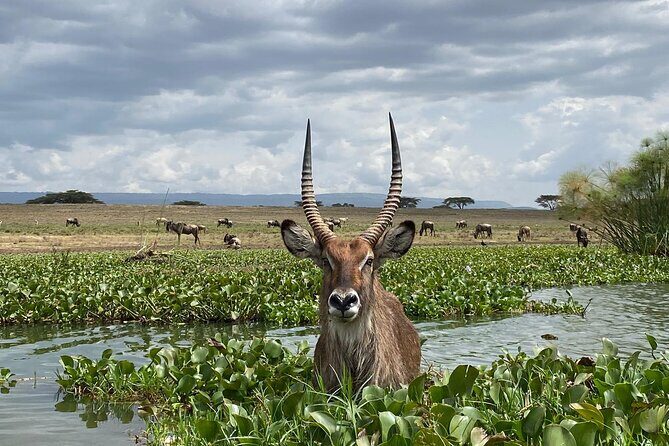
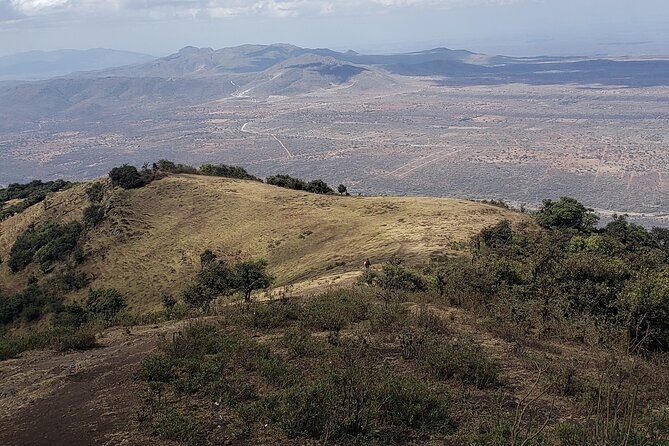
Day 1 starts with an 8:00 a.m. pickup from Nairobi, then a drive toward the Maasai Mara National Reserve. You get a quick break at a Rift Valley viewpoint stop—about 10 to 15 minutes—just enough time to see the bigger geology picture before you continue.
Lunch lands at your lodge in the Mara, and then the best part: a sunset game drive from roughly 4:00 to 6:00 p.m.. That timing is a big deal. Late afternoon is when the savanna shifts—animals move more, predators become active, and you’re often better positioned to see behavior rather than just sightings.
If you’re new to safari, Mara can feel like sensory overload in the best way: wide views, strong contrasts, and constant movement. And because you’re in a reserve that’s famous for wildlife density, your guide can focus on live action—who’s hunting, who’s watching, and where the next moment might happen.
For accommodations, your “first night” is handled as a complementary stay at Raha Suites, then the safari lodges/camps take over afterward. That helps you avoid the common beginner problem: losing your first night to last-minute travel.
Mara River day: wildebeest migration area, hippos, and predators
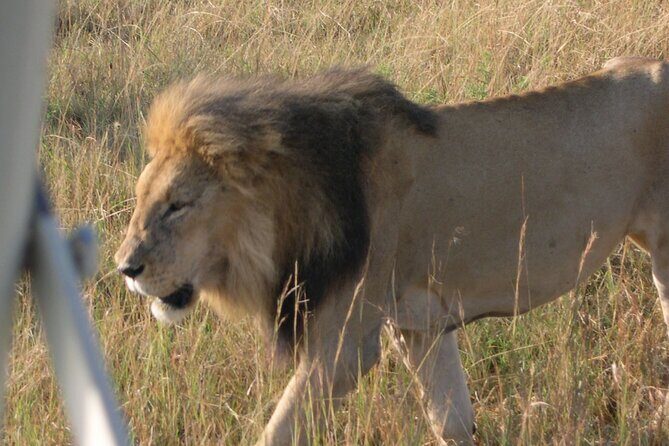
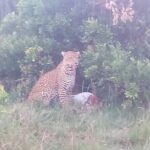
Day 2 is the big Mara day. After breakfast, you head out around 7:00 a.m. for a full day exploring in search of the Big Five. You’ll have a picnic lunch provided in the park, which is a practical upgrade—less time shuffling back and forth, more time where animals actually are.
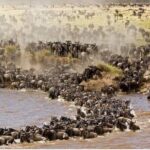
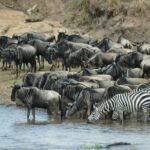
The focus here isn’t just generic game viewing. You’re going to the Mara River area and also to a site connected to the yearly wildebeest migration. Even if the exact timing of crossings varies year to year, the migration story is still useful because it explains why predators concentrate where they do. When prey is moving, predators don’t just appear—they get drawn in by opportunity.
You’ll also see river-life: resident crocodiles and hippos along the Mara River banks. That’s one of those moments that makes the safari feel real, not staged. A river isn’t just a backdrop; it’s an ecosystem with its own schedule.
By the end of a Mara River day, you typically come away with the same lesson many first-timers learn: predators are easier to understand when you’re watching the food chain run. You’re not just chasing “the next animal.” You’re watching the reasons animals are there.
Lake Nakuru: faster transfer, slower scanning for the right species
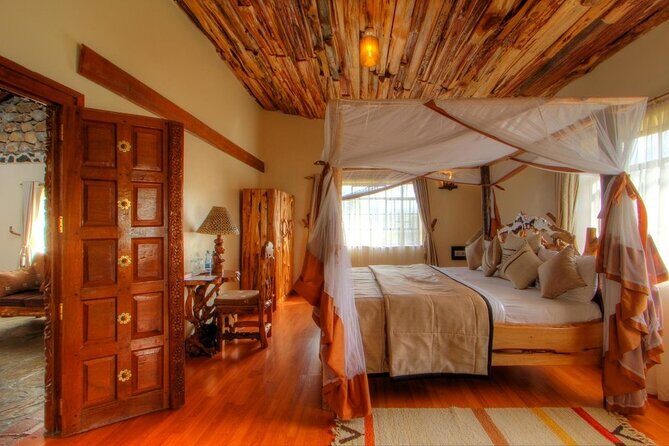
On Day 3, you check out after early breakfast and then drive to Lake Nakuru National Park. The schedule is straightforward, with a travel window that’s described as about 2 hours, and you arrive in time for lunch.
Lake Nakuru is a different style of park experience than the Mara. It can feel more compact, and that can be a plus when you want a day that doesn’t chew through your energy as much as a long full-day drive-and-stay setup.
What makes this stop interesting is the wildlife mix you’re likely chasing. The itinerary signals potential for rhinos and also mentions pink flamingos as a possibility later in the Hell’s Gate/Naivasha section, which tells you the route is designed around bird and big-animal sightings rather than only one target.
Even with shorter time pressure, scanning matters. On safari, the animals you care about often show up after you’ve been paying attention for a while. If you can stay patient and not treat it like a checklist, Nakuru can reward you quickly.
Hell’s Gate plus Lake Naivasha: white rhinos, a biking option, and 1 hour on the water
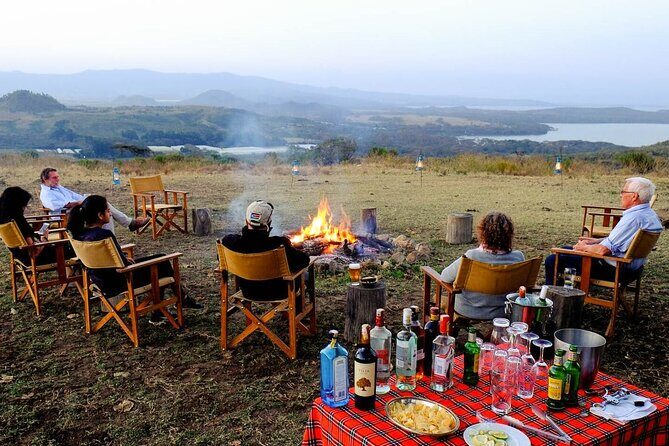
Day 4 is packed, and it’s also where the trip gets more hands-on. You start with an early breakfast and depart around 7:00 a.m. for Hell’s Gate National Park.
Hell’s Gate is known here for rare white rhinos as part of the Big Five focus. The plan also flags a possibility of pink flamingos, which pairs nicely with the next stop’s birdwatching theme.
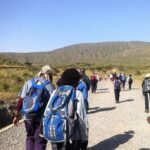
You’ll have a 3-hour game drive in Hell’s Gate, then a 1-hour drive back to Naivasha in time for lunch at Kongoni Lodge in Naivasha. After lunch, you go back out to Hell’s Gate for a biking safari lasting about 3 hours. The helpful detail is that if you’re too tired, you can be driven in the park with a car instead. That makes the activity flexible—you still get the change of pace without forcing you to push through discomfort.
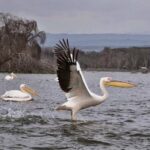
Then you shift to the water. You go to Lake Naivasha for a 1-hour boat ride focused on bird watching and hippo viewing. One hour isn’t meant to feel like an all-day event; it’s meant to be a concentrated wildlife hit. And seeing hippos from a boat—where they’re clearly not bothered by you yet—is one of those safari moments that sticks.
If you’re the type who likes variety (game drive, then biking, then boat), Day 4 is one of the best days to set expectations correctly: you’re not just “driving around looking.” You’re switching modes.
A few more Nairobi tours and experiences worth a look
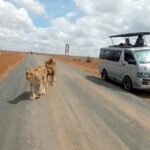
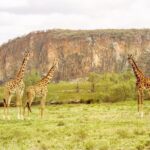
Amboseli with Mount Kilimanjaro views and Tuli(a) Camp comfort
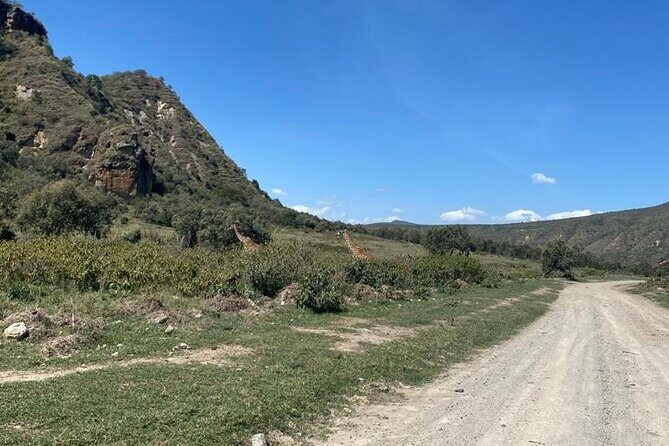
Day 5 moves you to Amboseli National Park, one of the most rewarding places in Kenya for scenery with big-mammal action. The big visual cue is Mount Kilimanjaro in the background—often a dramatic presence when visibility lines up.
You’ll be picked up from your hotel in the morning and drive to Amboseli, arriving in time for lunch. Then you check in at Tulia Camp Amboseli (lodge/camp style that fits the comfort-to-luxury theme) and get time to rest.
In the afternoon you go out for an evening game drive of about 2 hours, again using the Land Cruiser with pop roof style viewing. That mix—rest first, then a shorter game drive—is smart. You’ll arrive less drained than on a day that runs from dawn to dusk without a breather.
Amboseli’s wildlife vibe is different from the Mara. You’re more likely to see animals moving across open ground, with a feeling of space. And when you’re watching big mammals with Kilimanjaro behind them, the safari turns into something closer to a living postcard—except you’re getting close enough to see behavior, not just silhouettes.
Observation Hill day: packed lunch, long time in the park, and predator focus
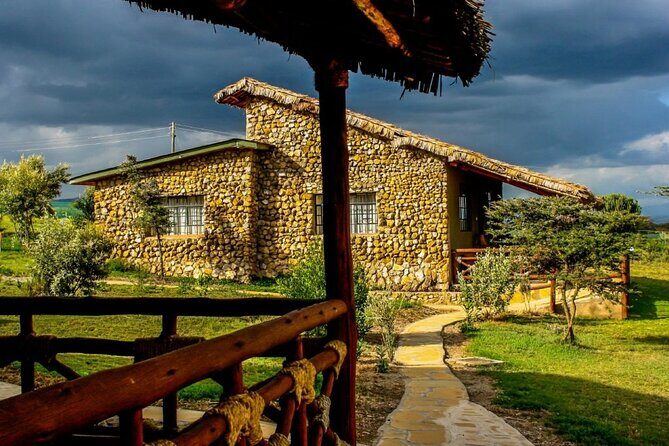
Day 6 is an early start game day. You go out for an early morning game drive, then return for breakfast. After that, you spend a full day in Amboseli with a packed lunch and a strong focus on popular residents.
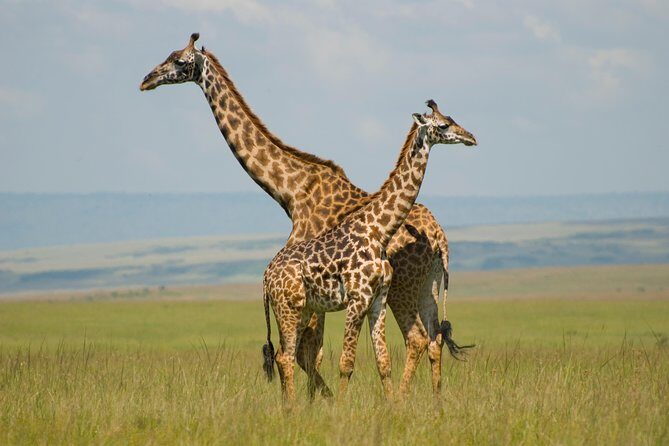
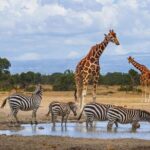
This is also the day that includes a visit to Observation Hill, which fits the idea of Amboseli as a place where you can scan and watch longer. The itinerary calls out sightings and viewing themes like predators and their opponents, with animals such as zebra, wildebeest, giraffe, and hippos. It’s a grounded list, not a promise of a single species, but it shows the day is built for variety.
You also get an explicit Kilimanjaro angle again—views while you’re out in the park. That matters because Kilimanjaro visibility can be fickle; the tour isn’t dependent on only one moment. You’ll have multiple chances to catch it.
Compared to Mara’s high-energy migration story, this day feels more like “stay with the action and watch how it develops.” Observation Hill and a long time inside the park make that easier.
Ending back in Nairobi: short final drive, then you’re done
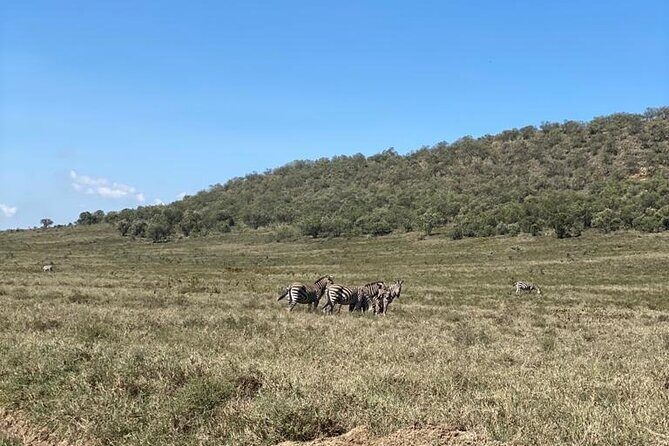
Day 7 is the finish. You’ll have an early breakfast at Tulia Camp Amboseli, check out, and go on a short game drive before heading back toward Nairobi.
You’ll arrive in Nairobi afterward and be dropped off at your hotel or the airport. That last morning often decides how you remember the trip. If you’ve already had great sightings earlier, this final drive is like icing; if you missed something, it can also be the moment you catch it.
Either way, the structure keeps the end clean. You don’t have a complicated schedule of extra activities. It’s simply safari to Nairobi, and then your next plan.
Price and value: what $2,667 per person really includes
At $2,667 per person, you’re paying for four things that usually cost extra when you do safari on your own:
- Private transport in a pop-roof 4×4 across multiple parks
- Park entrance fees for Mara, Nakuru, Hell’s Gate, and Amboseli
- Meals (the tour includes breakfast for 6 days, lunch for 7 days, and dinners for 6 days)
- Key activities like the Naivasha boat ride, plus the early-and-evening timing that makes wildlife viewing more likely
That’s the value angle: the package removes a lot of the friction. You’re not trying to stitch together guides, entrance fees, and transfers on the fly.
What’s not included is also clear: drinks/Alcohol, gratuities, and there’s no Masai village visit included. There’s also an optional balloon safari on day 2 that’s not included.
So the real decision is whether you want a tight, guided safari that handles most logistics, or whether you enjoy building your own trip and handling the extras yourself. If you want your time to go toward wildlife, this structure makes sense.
Who this safari fits best (and who should think twice)
This trip is best for you if:
- You want Big Five-focused safari days across different parks instead of only one reserve.
- You care about comfort and want 4-star lodge/camp quality rather than paying for the very top end.
- You like guided wildlife time with a driver who can work the dirt roads and interpret what you’re seeing. Past guides such as Ben (Spanish) and Chris (SafariDoctor) have been praised for patient explanations, which is a strong sign this tour values communication, not just driving.
- You’re okay with an active schedule, because early mornings and long drive segments are part of the deal.
Think twice if:
- You want a relaxed vacation with lots of downtime. This is a “live in the parks” week.
- You’re sensitive to schedule intensity. The early starts (like Day 4 at Hell’s Gate and Day 6 for Observation Hill timing) can stack up fast.
- You want drinks included. Alcohol and other drinks are not part of the package.
Should you book this 7-day private safari?
If your goal is a classic Kenya safari with four national parks, strong lodge comfort, and a lot of time actually spent searching for wildlife, I’d book this. The included mix of park fees, transport, meals, and the Naivasha boat ride makes it feel built for travelers who don’t want to micromanage every detail.
It’s also a good choice when you care about guidance quality. The record of named guides like Ben and Chris, plus drivers like Nathan and Danson, points to a focus on both spotting and getting you there without drama.
Just go in with the right expectation: it’s not a slow tour. It’s a full-on week where you’ll trade sleep-in mornings for predator chances, river wildlife, and those Amboseli views under Kilimanjaro—then you’ll end the trip cleanly back in Nairobi.
FAQ
Which national parks are included in this 7-day safari?
The safari visits Maasai Mara National Reserve, Lake Nakuru National Park, Hell’s Gate National Park, and Amboseli National Park.
Is hotel pickup and drop-off included?
Yes. The tour offers pickup and drop-off to your hotel or the airport, and it also includes free airport pickup.
What accommodation style is used?
You’ll stay in comfort to luxury 4-star lodges/camps. The first night is complementary at Raha Suites.
What’s included for animal viewing and transportation?
You travel in a 4×4 Land Cruiser jeep with a pop roof for easier game viewing, plus bottled water. Park entrance fees are included for the listed parks.
Is the Lake Naivasha boat ride included?
Yes. A 1-hour boat ride on Lake Naivasha is included for bird watching and hippo viewing.
Is free cancellation available?
Yes. You can cancel for a full refund up to 24 hours in advance of the experience start time. If you cancel less than 24 hours before, the amount paid is not refunded.