REVIEW · NAIROBI
5 Days Safari to Aberdare N/P, Nakuru N/P and Maasai Mara N/R.
Book on Viator →Operated by PONGEZI AFRICA SAFARIS · Bookable on Viator
Flamingos turn Lake Nakuru into a pink postcard. This 5-day route links Aberdare National Park’s forest waterhole magic with Maasai Mara’s early-cat action, all paced for real sightings.
I love the sunrise and sunset timing here. I also like the lodge-and-waterhole feeling, especially in Aberdare where the forest seems to do the entertaining for you. The one possible drawback: the days are full, with long drives and early starts, so you’ll want to be okay with a packed rhythm.
In This Review
- Key Points You’ll Care About Most
- Aberdare National Park: Forest Silence, Then the Waterhole Show
- From Thompson’s Falls to Lake Nakuru Lodge: Rhinos, Flamingos, and That Pink Sunset
- Maasai Mara First Drive: Dawn Light Is When the Cats Work
- Full Day in Maasai Mara: 1,500 km² of Lions, Cheetahs, Leopards, and Crocs
- One More Sunrise, Then Back to Nairobi
- Price and Value: Is $1,670 Worth It?
- Lodges, Pace, and the Practical Reality of Safari Comfort
- Guides Matter: From Simon to Weru and the Culture Layer
- Who Should Book This Safari (and Who Might Want Another Option)
- Should You Book the 5-Day Aberdare–Nakuru–Mara Safari?
- FAQ
- FAQ
- How long is the safari?
- Do they offer pickup?
- Is this a private safari?
- What parks and reserves are included?
- Is the admission ticket included?
- What time of day do you do game drives in Maasai Mara?
Key Points You’ll Care About Most
- Forest wildlife from a lodge viewpoint in Aberdare: you base your game drives around prime cover and a known water area outside.
- Lake Nakuru’s best light for flamingos: sunset views can look almost unreal when the lake shifts color.
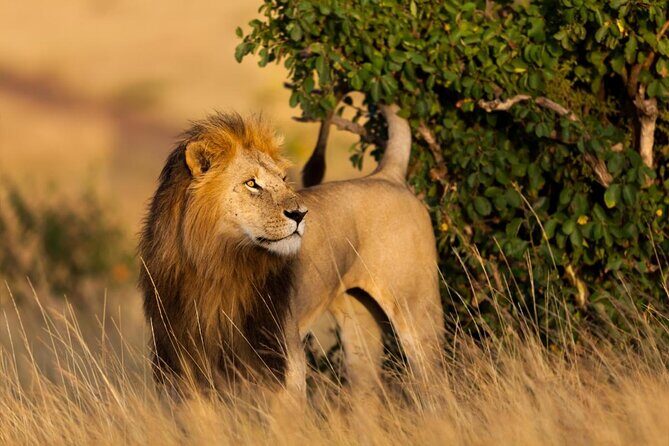
- Morning Mara drives for lions and leopards: start early because that’s when action is more likely.
- Picnic lunches that keep the safari moving: less backtracking, more hours in the wild.
- Guides who bring more than animals: names like Simon and Weru show up in guide praise, including culture and local storytelling.
- A private-group feel: you move with only your group, not a big mixed crowd.
Aberdare National Park: Forest Silence, Then the Waterhole Show
Aberdare is the kind of place that slows you down in the best way. You leave Nairobi and head through farms—mangoes, pineapples, oranges, pawpaws, coffee, and tea—so the journey already feels like you’re easing out of city life.
Before you settle into safari mode, you pause in Nyeri Town at the Museum of Baden Powell. It’s a quick cultural stop that adds context to Kenya beyond wildlife photos. Then lunch brings you to Outspan Hotel, setting you up for the real highlight of the day: the forest game viewing around Treetop Lodge.
Once you reach the lodge area, Aberdare’s draw becomes clear. The park shelters a natural forest with indigenous trees like ebony, mahogany, bamboo, ficus, and olive. That canopy matters. It changes the light, softens the background noise, and can make animals feel closer even when you’re still at a safe distance.
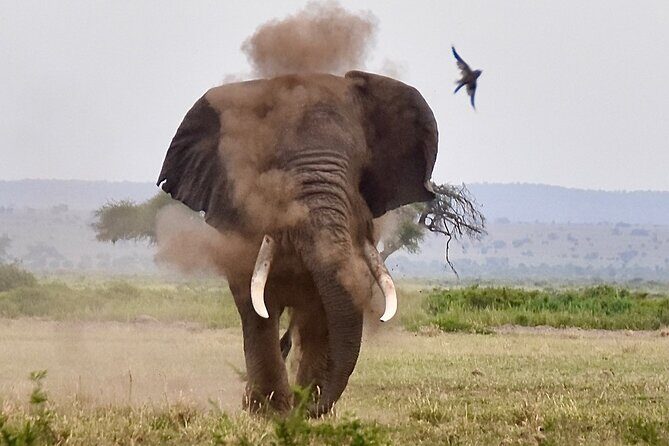
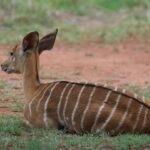
The big “wow” moment in this section is the water point right outside. That’s where animals come to drink, and it’s also where you get that special lodge experience—watching rather than chasing. You might see elephants and buffalo competing in dramatic ways, plus spotted hyenas when the mood is right. The animal list in this park is strong too: forest sykes monkeys, black-and-white colobus monkeys, leopards, black rhinos, defassa waterbucks, and bongo are all possibilities depending on timing and luck.
Here’s the practical takeaway: Aberdare rewards patience. You don’t always get a fast parade of animals. But when something shows up at the water, it can feel like you’ve stepped into a real ecosystem, not a wildlife theme park.
What could be a letdown? If you’re the type who needs constant action every hour, Aberdare’s forest calm can feel slower than the Mara. I think that’s also the point—if you like quieter, denser animal habitat, you’ll probably love it here.
A few more Nairobi tours and experiences worth a look
From Thompson’s Falls to Lake Nakuru Lodge: Rhinos, Flamingos, and That Pink Sunset
After breakfast, you head toward Lake Nakuru. The route includes Thompson’s Water Fall, plus plenty of agricultural scenery—maize, potatoes, and vegetables—so the drive has that everyday Kenya texture. You may also spot runners training on the road; it’s one of those small details that makes the trip feel grounded.
When you arrive, check-in and lunch happen at Lake Nakuru Lodge. This matters because Lake Nakuru safari success isn’t just about “seeing animals.” It’s about having time in the right light. An afternoon safari is where the tempo shifts from travel-day to wildlife-day.
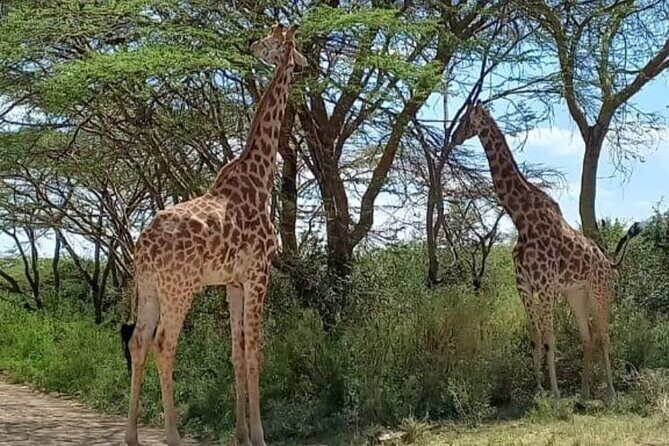
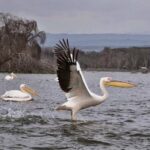
This is the part of the circuit that many people remember for flamingos. You’re out looking for white and black rhinoceros, plus other wildlife like endangered giraffes and gazelles. And then, as the afternoon moves toward sunset, you get the lake moment—the water can look pinkish, and the flamingos add a moving layer of color on top of it.
That sunset is more than a pretty photo stop. It’s when you often notice behavior: flamingos feeding, animals shifting to cooler water edges, and the whole area settling into evening patterns. If you want pictures, this is the time to pay attention to your position and camera settings and just enjoy the show.
Back at the lodge, dinner and overnight keep the rhythm simple. You’re not running yourself ragged. The day’s structure is what helps: morning travel, afternoon wildlife, sunset viewing, then a normal meal and sleep.
Possible drawback: Lake Nakuru wildlife sightings can vary by day. Flamingos are often the star, but the presence of specific species like rhinos isn’t guaranteed on any single drive. The upside is that even without a specific “checklist” win, the setting and sunset experience are still memorable.
Maasai Mara First Drive: Dawn Light Is When the Cats Work
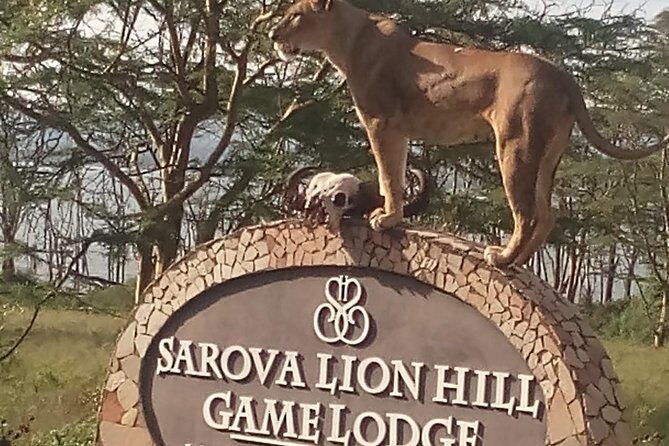
Then comes the big change: Maasai Mara National Reserve. Mara is famous for a reason—grassland, wide visibility, and a constant sense that something could happen around the next bend.
You start with an early game drive, targeting lions and leopards when they’re more active. You’re also treated to a sunrise moment described with pinkish flamingos in an alkaline lake area. Even if the flamingo colors aren’t exactly the same every morning, the key point holds: Mara mornings are about light and movement, not about waiting for midday heat.
At around breakfast time, you return, then you head toward Maasai Mara with a picnic lunch. There’s also mention of passing through the wheat and barley region, which gives you a break from pure road monotony and adds variety to what you see from the vehicle.
When you reach the reserve, you begin your first game drive—so you don’t just arrive and sit still. Check-in at Sekenani Camp sets you up for the next day’s deeper Mara time.
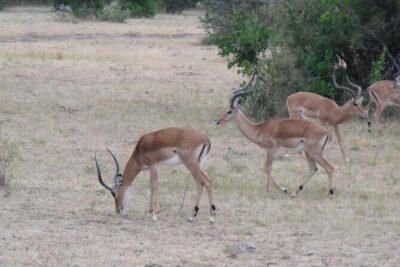
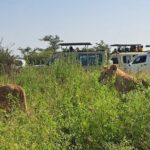
One thing I like about Mara as a safari destination: even when you don’t nail a major predator sighting immediately, you’re usually rewarded with fresh animal activity. Common zebras, African elephants, topi, and plenty of other wildlife are part of the Mara experience. And in Mara, predators tend to move through the same visibility patterns you learn quickly—so your eyes get trained after the first drive.
What to consider: Mara can be busy, and you’re in one of the best-known reserves in the world. That doesn’t make it bad. It just means you’ll want to accept a certain vehicle traffic reality and focus on your guide’s timing and positioning.
Full Day in Maasai Mara: 1,500 km² of Lions, Cheetahs, Leopards, and Crocs
Day 4 is your long Mara day. This is where you stop feeling like you’re “between sightings” and start feeling like you’re living inside the reserve.
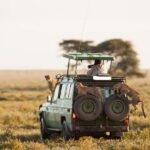
You head out for a full day game drive with a picnic lunch. The reserve is about 1,500 km², and that size matters. It’s not just trivia—it changes the safari feel. You can cover different habitat pockets, follow predator trails, and still have enough room to find different animals in different areas.
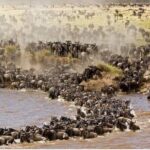
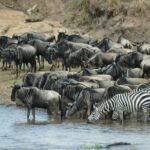
The Mara is also tied to the legendary migration story. The reserve is part of that wider ecosystem connecting with Serengeti in Tanzania. You might not catch the migration itself on a short trip, but you’ll still see the grassland rhythm and the predator-prey logic behind it.
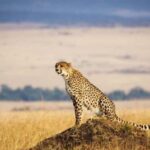
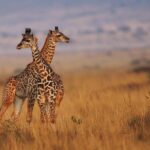
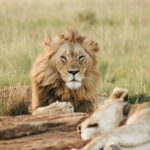
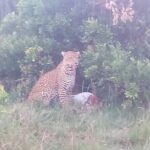
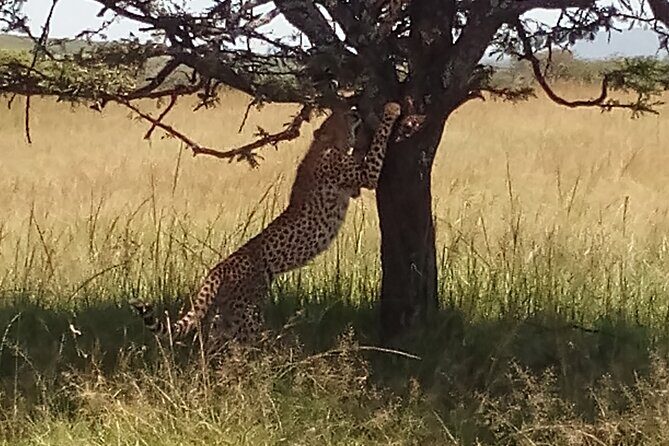
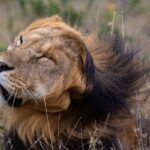
So what are you looking for on this long day? Lions, cheetahs, zebras, leopards, giraffes, and even crocodiles are all in the mix. That range is one of the best reasons to choose a multi-day Mara stay. One morning can be great. Two days let you catch different moods: early hunting hours, mid-day resting patterns, and late afternoon movement.
Here’s a practical tip for making this day work for you: keep your expectations flexible. On a full-day drive, you’re trying to catch both predators and the animals that attract predators—herbivores, watering behavior, and where the action clusters.
Also, remember the Mara timing matters. Predators like lions and cheetahs don’t just show up because you want them to. They respond to heat, prey movement, and time of day. Having a full day gives your guide the wiggle room to reposition as animal behavior shifts.
You wrap the day back at the camp around 1800 hours. That early evening return is handy. It keeps you from turning the last hours into fatigue, and it gives you a normal sleep window for tomorrow’s departure day.
One More Sunrise, Then Back to Nairobi
On your final morning, you do another early game drive. Again, the idea is simple: when lions and cheetahs are active, you give yourself the best shot at seeing them during prime hours.
Then comes sunrise with animals on the horizon. Even if you’ve already seen sunrise in the Mara ecosystem, the repetition helps. You notice different behavior each day. One morning might have more movement near water. Another might show animals closer to open grassland edges.
After breakfast, the schedule turns back toward Nairobi. Around 1000 hours, you leave for the drive back, with lunch on route. Arrival is typically in time for your residence or transfer to Jomo Kenyatta International Airport.
Why I like the “one more morning” setup: it reduces the risk of leaving disappointed. If you miss a big cat on the first Mara drive, you still get a second chance without the trip feeling stretched.
Possible consideration: this final day is about travel. You’ll still see animals from the road or at the edges, but the big “full safari energy” is mostly in the early morning window. Mentally plan for that.
A few more Nairobi tours and experiences worth a look
Price and Value: Is $1,670 Worth It?
At $1,670 per person for roughly five days, this is a mid-to-higher range safari price. But the value depends on what you’re buying.
You’re getting a tight circuit across three major areas—Aberdare, Lake Nakuru, and Maasai Mara—instead of doing one park only. That variety is not just a checklist win. It’s how you maximize different animal types: forest habitat in Aberdare, lake-and-bird country in Nakuru, and grassland predator systems in the Mara.
The package also lists private tour participation, with pickup offered and a mobile ticket. Private format can matter more than people expect. It usually means less waiting and more flexibility in how your guide responds to what’s happening on the ground.
There’s also a line in the plan that park admission is marked as free. While you should always confirm exactly what’s included in your final quote, the intent here is that entry isn’t tacked on as a separate surprise cost at every gate.
Finally, I think the biggest “value” piece is time placement. The itinerary focuses on sunrise and sunset moments and includes picnic lunches to keep you in the field rather than stuck in traffic during prime viewing hours.
If you’re deciding whether this is worth it, ask yourself one question: do you want one park done well, or do you want Kenya’s big habitats connected in five days? If you want the second option, this route makes sense.
Lodges, Pace, and the Practical Reality of Safari Comfort
Safari comfort is not about luxury pillows. It’s about reducing friction so you can enjoy the wildlife hours.
Here, the lodge names you’ll pass through help define the trip tone:
- Treetop Lodge for the Aberdare forest-waterhole feel
- Lake Nakuru Lodge for lake-side rhino and flamingo viewing timing
- Sekenani Camp in the Mara to keep you close to the action
Between parks, you’ll be doing substantial driving. That can be tiring, but it’s also how you cover big distances in a short trip. If you’re prone to getting grumpy when stuck in a vehicle, bring snacks, water, and a good attitude. Safari is a long-game hobby.
The trip notes moderate physical fitness. That likely means you should be comfortable with early starts, getting on and off vehicles, and moving around lodge areas. It doesn’t read like an extreme hike itinerary, but you’ll want to be ready for a few active days in early-day conditions.
For you, the key is to pack for early and variable weather:
- layers (mornings can feel cool before the sun climbs)
- a hat and sunglasses
- sunscreen
- light rain protection
- comfortable shoes for lodge walkways
- a small day bag for water and camera items
Also, if you care about photography, do yourself a favor and keep your camera accessible. The best moments in this kind of circuit often happen quickly: a bird lift-off at Lake Nakuru, a waterhole visitor at Aberdare, or a predator pause at the edge of the grass.
Guides Matter: From Simon to Weru and the Culture Layer
This safari is about animals, yes. But the guide role is what turns it into a better trip.
In the experience write-ups tied to this route, guide names Simon and Weru show up as standout professionals. People specifically praise their ability to make the safari feel welcoming and to explain more than just animals—especially local culture, customs, and even language.
That’s not a small thing. When you understand local context, you stop treating wildlife as a random event and start seeing it as part of a living region. It also makes waiting feel less like waiting and more like learning.
So when you choose your safari, don’t only ask what parks you’ll visit. Ask who’s guiding you and what they plan to focus on during drives. The best guides keep the day moving without rushing the learning.
Who Should Book This Safari (and Who Might Want Another Option)
This itinerary fits you if:
- you want a classic Kenya combo of forest + lake + big-cat grassland
- you like early mornings for wildlife (sunrise drives aren’t optional here)
- you want variety more than deep single-park immersion
- you enjoy listening to guides who explain the wider setting, not just pointing at animals
You might want a different style of trip if:
- you dislike long driving days between parks
- you want lots of downtime and late starts
- you only care about one type of wildlife and hate uncertainty in sightings
The route is built for momentum. It’s not built for slow travel.
Should You Book the 5-Day Aberdare–Nakuru–Mara Safari?
Yes, if your dream is to experience Kenya’s different wildlife ecosystems in a single week and you’re okay with early starts. The combination of Aberdare’s forest waterhole watching, Lake Nakuru’s flamingo-and-rhino energy, and Maasai Mara’s predator-focused mornings is a strong formula for unforgettable sightings.
If you’re the sort of traveler who wants to stretch things out, consider adding extra nights in one area. But if you want the full sweep in about five days, this route is a smart pick.
FAQ
FAQ
How long is the safari?
It’s about 5 days, covering Nairobi, Aberdare National Park, Lake Nakuru National Park, and Maasai Mara National Reserve.
Do they offer pickup?
Yes, pickup is offered for this experience.
Is this a private safari?
Yes. It’s private, and only your group participates.
What parks and reserves are included?
The tour includes Aberdare National Park, Lake Nakuru National Park, and Maasai Mara National Reserve, with travel starting and ending in Nairobi.
Is the admission ticket included?
The itinerary shows admission ticket free, meaning park entry is handled as part of the experience.
What time of day do you do game drives in Maasai Mara?
You do early game drives, including sunrise viewing, and you also have a full-day game drive in the reserve with a picnic lunch.