REVIEW · NAIROBI
3-day Masai Mara Safari Tour to see the big five and wildebeest migration
Book on Viator →Operated by African Sermon Safaris Limited · Bookable on Viator
A real safari starts before sunrise. This 3-day Maasai Mara trip is built around small-group game drives, plus a comfortable en-suite tented camp night inside the park, all with hotel pickup in Nairobi. I also like that it’s budget-friendly while still covering the essentials: transport, park fees, meals, and real time out on the plains. The main thing to keep in mind is that in just 3 days, you may not catch every Big Five moment, especially rhino, since the park is huge and wildlife moves fast.
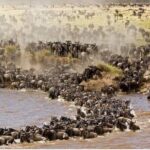
Here’s the smart part: the timing. This tour is aimed at the wildebeest migration season from July through October, and it includes time around the Mara River, where those dramatic crossings are often the main event. You’ll also spend your days searching for lions, elephants, buffalo, and more, then head back to Nairobi without losing your whole vacation to travel days.
In This Review
- Key Highlights Worth Caring About
- Why Maasai Mara Is the Big Deal Here (Big Five + Migration Timing)
- Nairobi Pickup, Rift Valley Road Trip, and Your First Mara Game Drive
- A practical Day 1 reality check
- Full-Day Game Drives: Searching for Big Five, Predators, and the Migration Energy
- Day 2 drawback to plan for
- Early Morning Cat Hunting, Then Back to Nairobi in One Piece
- The Day 3 value
- Your Tented Camp Night: Comfort, En-Suite Convenience, and Bush Sounds
- What to remember about comfort
- Price and Value: Does This $700 Safari Make Sense?
- The Human Factor: Guides, Vehicles, and the Professional Touch
- A small-group note that you’ll feel immediately
- Who This Maasai Mara Safari Is Best For
- Practical Tips Before You Go (Based on the Tour Details)
- Should You Book This 3-Day Maasai Mara Tour?
- FAQ
- What time does the safari start and how early is pickup?
- Where do we sleep during the safari?
- What’s included in the tour price?
- Is wildebeest migration included, and when does it run?
- Does this tour guarantee seeing all Big Five animals?
- What is the cancellation policy?
Key Highlights Worth Caring About
- Max 7 travelers means you don’t feel buried in a crowd while you’re scanning the plains
- Tented camp inside/near the park so you can hear wildlife at night and wake up close to action
- Wildebeest migration target (Jul–Oct) paired with a Mara River-focused day
- Driver-guide + frequent game drives focused on spotting predators during the best light
- En-suite budget camp + included meals keeps this safari doable on a $700 budget
- Guides with real know-how come up repeatedly, including Daniel, Albert, and Steve
Why Maasai Mara Is the Big Deal Here (Big Five + Migration Timing)
If you want the classic Kenya wildlife experience, Maasai Mara is the one most people mean. The park is known for year-round safari sightings, but the real draw on this specific tour is the wildebeest migration window from July through October.
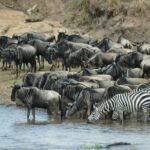
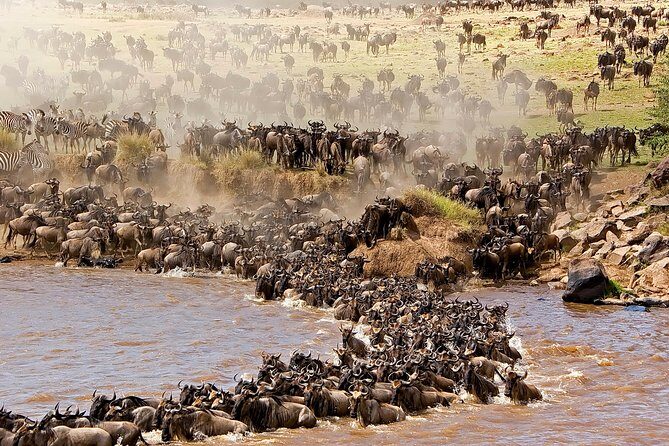
In migration season, wildebeest and predators are more tightly linked in time and space. That matters because a good safari isn’t just about knowing animals exist. It’s about being in the right area at the right moment. This tour is structured to spend multiple days on the Mara plains, then dedicate a full day that focuses on Mara River game viewing, which is where migration drama tends to show up.
Now for the Big Five part. The tour is marketed around seeing the Big Five, and the day-by-day approach supports that goal. Still, I’d set your expectations like a pro: in 3 days, you might see plenty of Big Five animals and miss one, because rhinos in particular can be harder to guarantee on a short timeline.
A few more Nairobi tours and experiences worth a look
Nairobi Pickup, Rift Valley Road Trip, and Your First Mara Game Drive
Day 1 starts with a morning pickup from your Nairobi hotel. Your start time is listed as 8:30am, and the day’s schedule also references pickup around 8am, so assume you’ll be up early and ready to roll that morning.
You’ll drive down from Nairobi through the Great Rift Valley escarpment area. The drive is not just transportation. It’s your first intro to why this region is famous: the topography opens up fast, and you’re moving from city roads into wide savannah country. Lunch is included on the way, then you continue toward Narok and into Maasai Mara for check-in.
Overnight is at Lenchada Tourist Camp or a similar camp, and it’s described as a tented camp setup with en-suite comfort. That’s a big part of the appeal. You’re not just sleeping in a hotel while wildlife happens somewhere else. You’re staying close enough that the night soundscape is part of the experience.
Then comes the first game drive inside the reserve. This first afternoon/evening outing is often when you learn your safari rhythm: scanning, pausing, and trusting your guide to position the vehicle for sight lines. You’ll return for dinner and relax under the stars, falling asleep to the bush noises.
A practical Day 1 reality check
Your first drive is a “warm-up,” not a guarantee of every animal. But it sets you up well for the longer search days ahead, and it helps you get comfortable with how quickly the action can change on the plains.
Full-Day Game Drives: Searching for Big Five, Predators, and the Migration Energy
Day 2 is the day you’ll likely feel most “in safari mode,” because it’s built around a full day of game drives with lots of time searching.
After an early breakfast, you head out for game viewing, with the schedule calling out the Mara River area. That’s the key piece for migration season. If wildebeest movement is strong during your month, spending time in this area is your best shot at seeing migration behavior rather than just hearing about it.
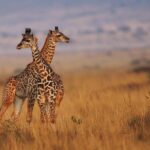
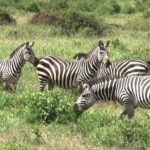
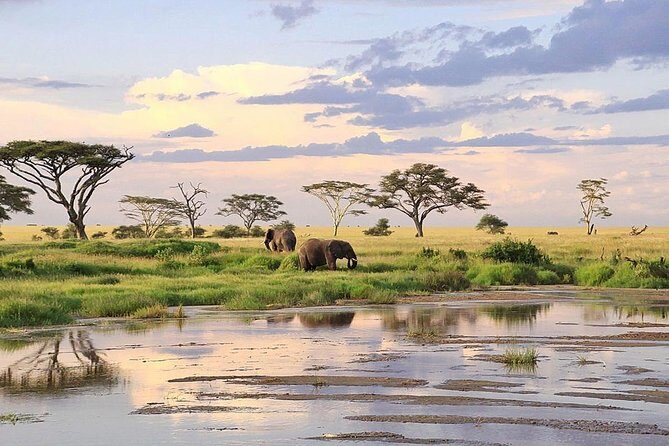
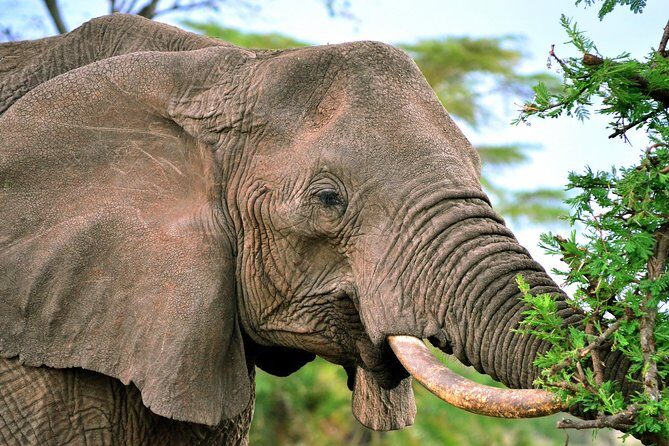
This is also the day where the Big Five focus becomes real, because the tour is designed for sustained looking. The wildlife targets listed include giraffes, elephants, zebras, buffalo, hippos, and more, plus predators like lions. You’re also likely to spot smaller moments that make the day feel alive, like baboons and warthogs, and you might even catch the stealthy patterns of spotted hyena.
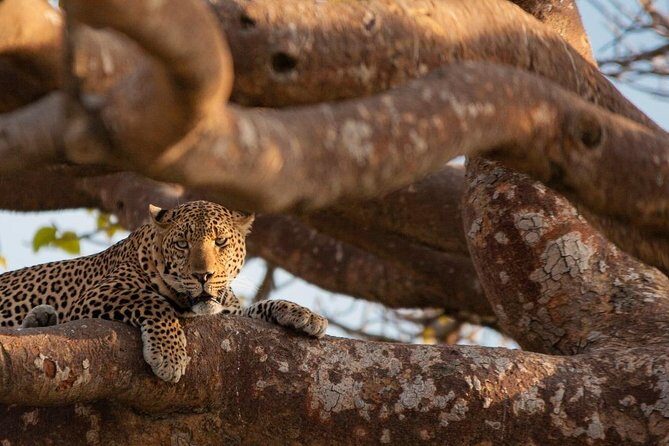
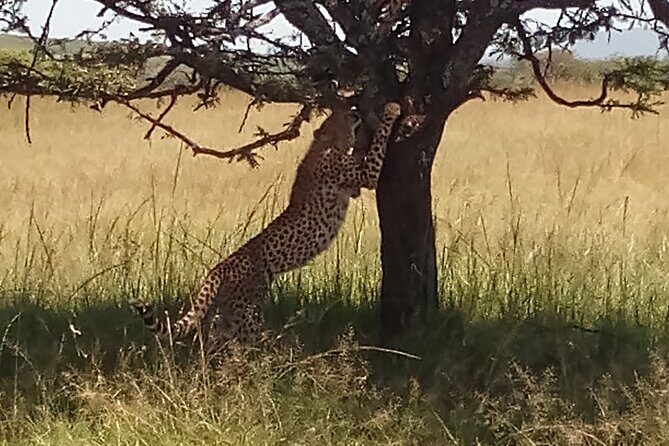
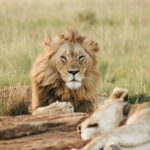
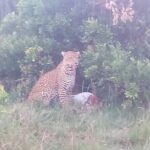
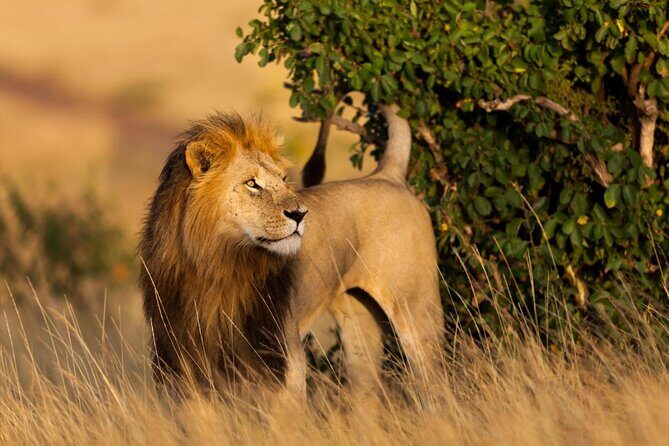
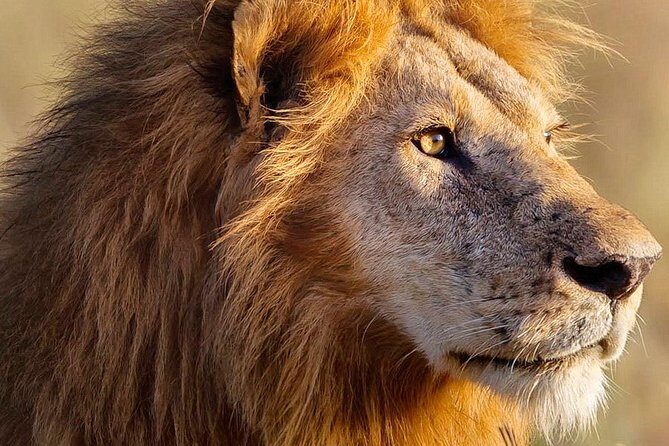
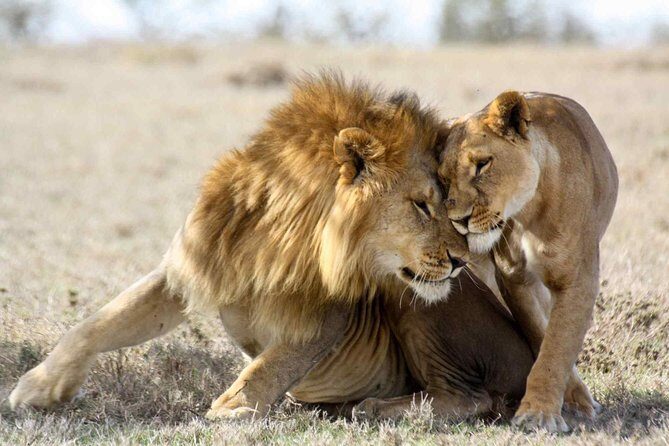
Lions are specifically mentioned as a common sight, either basking after feeding or scanning the plains for the next move. Cheetahs show up too, and the tour description notes cats are often best when they’re hunting, which ties directly into how Day 3 is planned.
The “sunset payoff” matters
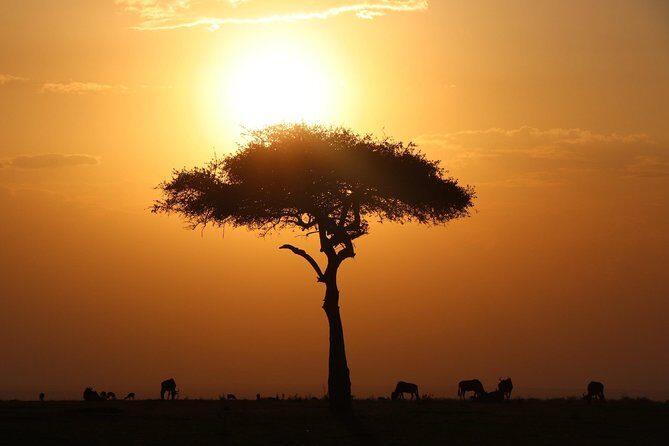
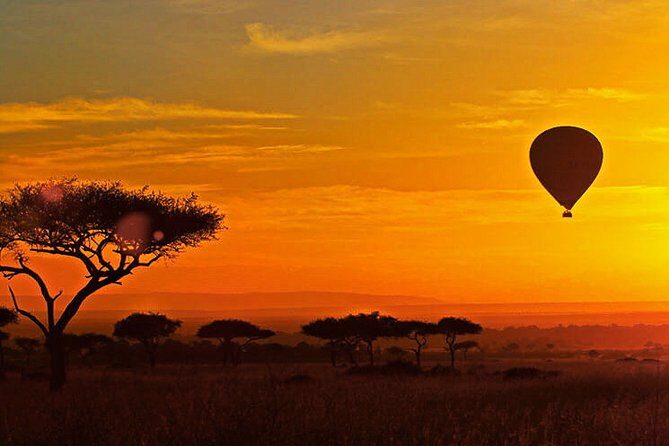
The schedule calls out orange-tinged Mara sunsets worth capturing on camera. I like that detail because it’s not just romance. Long safari days come with long waits, and having predictable beautiful light at the end of the day helps you feel like the hours were worth it, even when an animal is slow to appear.
Day 2 drawback to plan for
A long wildlife day can also mean a long wait for the right sightings. That’s just how safari works in a huge reserve. The good news is that this itinerary gives you time to keep searching instead of rushing you out after a short drive.
A few more Nairobi tours and experiences worth a look
Early Morning Cat Hunting, Then Back to Nairobi in One Piece
Day 3 starts early. This is a breakfast game drive day, and it’s built around one of the most effective predator-sighting rhythms: morning light and active hunting behavior.
The schedule specifically calls out that this early time can be best for spotting cats at hunt. After that drive, you return for breakfast, check out, then head back to Nairobi. The ride is listed as about 5–6 hours, with an arrival around 4pm, plus hotel drop-off.
That means you don’t lose two extra days to transfers. You still get a true third safari morning, which is important because the best sightings often come when you haven’t had a full day’s worth of driving yet.
The Day 3 value
What I like about returning to Nairobi that afternoon is how it protects the rest of your travel plans. You’re not stuck in limbo back at the airport at midnight, and you’re not starting your next day half-sleepy from an all-night drive.
Your Tented Camp Night: Comfort, En-Suite Convenience, and Bush Sounds
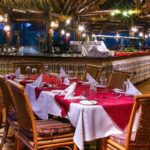
This tour includes 2 nights in a budget camp described as tented, with en-suite bathrooms. The exact camp is Lenchada Tourist Camp or similar, and either way, the idea is consistent: you’re sleeping close to the reserve, not commuting far from the wildlife zone.
Another highlight is the sound experience. The tour description promises you can listen to animals from your campsite. It’s not just a marketing line. Staying in a tented camp inside the park area usually means you’ll hear the bush wake up and settle down in real time.
Meals are also handled for you: lunch is listed for 3 days, dinner for 2 days, and breakfast for 2 days. That’s helpful on safari because it reduces decision fatigue. You can focus on the drives and the sightings, not meal hunting.
What to remember about comfort
Because this is a budget safari, don’t expect resort-level extras. The value is in the safari time and the included logistics. The en-suite setup and meals do a lot to make the budget feel more comfortable.
Price and Value: Does This $700 Safari Make Sense?
At $700 per person for 3 days, the big question is what you actually get for the money. Here’s what’s included:
- Transport with hotel pickup/drop-off in Nairobi
- Park fees, taxes, and handling charges
- 2 nights in an en-suite budget camp
- Game viewing activities with a professional driver-guide
- Meals (lunch, dinner, breakfast as listed)
What’s not included: drinks, gratuity, laundry, and personal extras.
Here’s how I’d judge value. This is not a “cheap-andcheerless” safari where you cut the essentials. It includes the expensive pieces people often forget: park fees, the actual time with a driver-guide, and the lodging inside the safari rhythm. It also limits the group size to 7 travelers, which keeps the safari more comfortable and more flexible when animals appear.
The one thing to weigh is the realistic Big Five odds. The tour targets the Big Five, but a short timeline can reduce the likelihood of seeing everything with certainty. Still, if you’re going in for lions, elephants, giraffes, and the migration season excitement, this itinerary is built to give you real hunting time.
The Human Factor: Guides, Vehicles, and the Professional Touch
The reviews and operator messages you’ll see associated with this safari focus on professionalism and good communication. Names that pop up include Daniel, Albert, and Steve, with praise tied to being courteous, knowledgeable, and helpful.
That matters because a guide is more than a driver. A strong guide reads animal movement and positions the vehicle so you’re not just driving around randomly. It also helps with managing expectations when sightings shift.
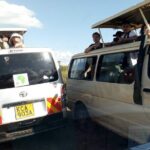
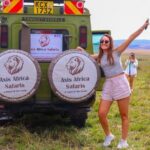
You’ll also spend time in safari vehicles that are described as comfortable, and you’ll appreciate the structure: early starts, full game-drive blocks, and regular breaks that keep the day manageable.
A small-group note that you’ll feel immediately
When a safari caps at 7 people, it changes the vibe on the vehicle. You can have better sight lines and less time wasted on cramped movement. It also makes it easier to keep everyone aligned when the driver needs to reposition fast.
Who This Maasai Mara Safari Is Best For
This is a smart fit if:
- You want a first-time Kenya safari without a giant group
- You care about the wildebeest migration season (July–October)
- You want Big Five chances and lots of general wildlife variety
- You prefer included basics (meals, transport, park fees) so you can travel lighter mentally
- You’re traveling with a child, since child pricing applies when sharing with 2 adults, and children must be accompanied by an adult
It’s less ideal if you only want a guaranteed rhino or you want a slower, ultra-luxury pace. This tour is more about efficient safari time and solid organization than about luxury add-ons.
Practical Tips Before You Go (Based on the Tour Details)
Here are the things that matter most for this specific setup:
- Plan for an early morning start. Pickup starts around 8am and the start time is listed as 8:30am.
- Bring your passport details at booking time, including name, number, expiry, and country.
- If you have food needs, tell the operator ahead of time. A vegetarian option is available if you request it.
- Remember that drinks and gratuity aren’t included, so budget for that.
- Expect a full safari schedule on Day 2 and a shorter but focused return to Nairobi on Day 3.
If you go in with patience and the right timing expectations, this tour does what it promises: time on the Mara plains when animals are most active, plus a migration-season angle designed to put you in the right place at the right time of year.
Should You Book This 3-Day Maasai Mara Tour?
I’d book it if you’re traveling in July through October and you want a budget-friendly way to chase both the Big Five and migration action. The inclusion list is strong for the price: pickup, park fees, en-suite tented camp, meals, and multiple game drives. Add the small group cap, and it feels like a good balance between value and real safari time.
I’d hesitate if rhino is your only must-see animal, or if you need maximum comfort and are sensitive to the realities of budget camp travel. For most people, the odds are good for seeing lions, elephants, zebras, and more, and the migration-season setting is what makes this itinerary feel special.
FAQ
What time does the safari start and how early is pickup?
The start time is listed as 8:30am. The day schedule also mentions hotel pickup at around 8am, so plan on an early pickup window in the morning.
Where do we sleep during the safari?
You’ll sleep for 2 nights in a tented en-suite budget camp located within or near the park area, at Lenchada Tourist Camp or a similar camp.
What’s included in the tour price?
Included are transport (with hotel pickup/drop-off), park fees and taxes, accommodation, and game viewing activities. Meals are also included: 3 lunches, 2 dinners, and 2 breakfasts.
Is wildebeest migration included, and when does it run?
The tour is designed for seasonal wildebeest migration from July through October, and it includes Mara River game viewing time during the safari.
Does this tour guarantee seeing all Big Five animals?
The tour is built around seeing the Big Five, but with only 3 days on safari, sightings aren’t guaranteed. You may see several of the Big Five, but the short timeline can affect the odds for rarer sightings.
What is the cancellation policy?
You can cancel for a full refund if you cancel at least 24 hours in advance of the experience’s start time. If you cancel less than 24 hours before, the amount paid is not refunded.