REVIEW · NAIROBI
12 Days Kenya and Tanzania Budget Private Safari from Nairobi
Book on Viator →Operated by PERFECT WILDERNESS TOURS AND SAFARIS · Bookable on Viator
The safari itch hits fast when you see the route: Nairobi to Maasai Mara, then straight into Serengeti and Ngorongoro. What makes this trip feel practical is that you don’t just get wildlife promises, you get national park fees included and a pop-roof vehicle built for game viewing and photos. I like the way the itinerary balances classic safari zones with a few Rift Valley curveballs like Hell’s Gate and Lake Naivasha. One possible drawback to plan for: you’ll have long driving days and early starts, and like any safari, specific sightings (especially rhinos) still depend on timing.
I’m also drawn to the human side of the experience because the guides and cooking get real credit in the feedback. Names like George, Sereva, Godson, and Shadrack come up alongside the private chef Christian, so you’re not just getting a driver—you’re getting people who know how to make the days run. Still, one review flagged that not every driver pace matched the expectations, so your comfort matters; if you’re sensitive to fast driving, bring it up early.
If you want a big, high-impact East Africa safari without the stress of arranging parks, transfers, and logistics on your own, this is a solid fit. It’s private (only your group), and it focuses on real game drives plus culture moments, not just check-the-box sightseeing.
In This Review
- Key points before you go
- Nairobi setup: from airport arrival to park-ready in one day
- Rift Valley day with Hell’s Gate and Lake Naivasha: biking, boats, and viewpoints
- Lake Nakuru’s black rhino target: where the Big Five plan gets real
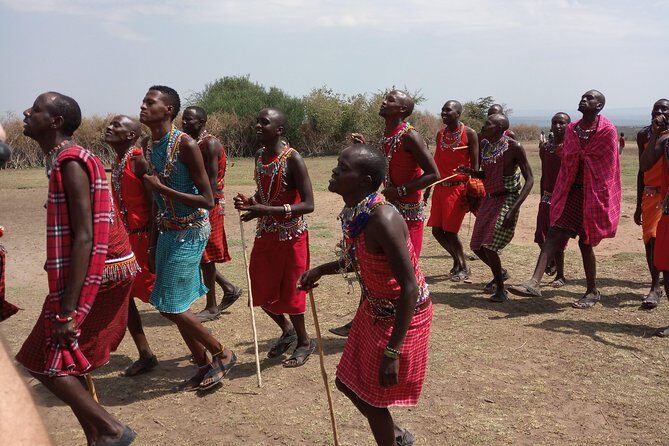
- Maasai Mara: sunset timing, migration vibes, and a Maasai village visit
- Serengeti through the Isebania border: early start, long plains, real time in the park
- Ngorongoro Crater: rim night first, then the crater floor at 6:00 a.m.
- Lake Manyara and Tarangire: Rift Wall drama, flamingos, and baobab-country
- Arusha to Nairobi: finish strong without another multi-day travel scramble
- Price and value: what $3,708 per person is really buying
- Guides, speed, and the photo setup you’ll feel day after day
- Lodging on this route: tent comfort in Mara and camps in the North
- Who this safari fits best—and who should reconsider
- Should you book this 12-day Nairobi-to-Ngorongoro safari?
- FAQ
- What does the tour price include?
- Are national park fees included?
- Do you get picked up from the airport in Nairobi?
- Is biking part of the experience at Hell’s Gate?
- How much time is spent on Lake Naivasha?
- Which parks are included in this safari?
- Are meals included throughout the trip?
- Is there an option to upgrade lodging in Tanzania?
- Can I add a balloon safari?
- Is free cancellation available?
Key points before you go
- Park fees are covered for the whole Kenya and Tanzania route, so budgeting is simpler.
- Pop-roof safari transport helps you spot animals and shoot photos with fewer obstacles.
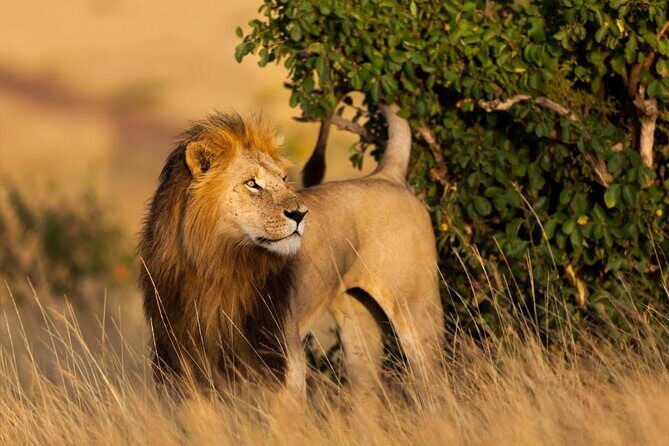
- Big Five focus with targeted timing: Maasai Mara for cats and the migration, Lake Nakuru for black rhino.
- Hell’s Gate adds variety with bikes and gorge walking, not just vehicle drives.
- Serengeti + Ngorongoro are the anchor days, with early starts for crater and floor viewing.
- Optional upgrades exist, including a Serengeti luxury upgrade for an extra fee.
Nairobi setup: from airport arrival to park-ready in one day
Day 1 is all about getting you grounded after arrival. You land at Jomo Kenyatta International Airport, then you’re transferred to Ibis Styles Hotel in Nairobi for check-in and orientation with your guide. This is a smart opener because Nairobi can scramble your energy if you try to do too much immediately after flying.
The tour also leaves room for a Nairobi activity on arrival day if you have time—either a city tour, a stop at the Giraffe Centre, dinner at Carnivore, and/or Nairobi National Museum. The value here is flexibility. You’re not locked into one “must-do” that doesn’t match your jet lag, interests, or arrival timing.
One small consideration: Nairobi traffic can eat time. If you’re arriving mid-day, a light option like the museum often feels easier than something that depends on longer driving.
You can also read our reviews of more private tours in Nairobi
Rift Valley day with Hell’s Gate and Lake Naivasha: biking, boats, and viewpoints
Day 2 is where the trip shifts from city gear to Rift Valley scenery and hands-on wildlife time.
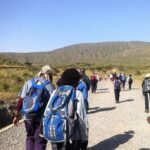
First you stop at a Great Rift Valley viewpoint for photos, then you head toward Hell’s Gate National Park. Hell’s Gate is famous for one big reason on this itinerary: it’s the only park in the region where you can bike while seeing animals. They provide bikes, and the plan includes arranging a walk down the gorges as well. If biking isn’t your thing, you can switch to a car game drive and still get the main experience.
That choice matters. On many safaris, you’re stuck doing everything from the vehicle. Here, you get at least one moment that feels more like exploring than touring.
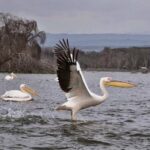
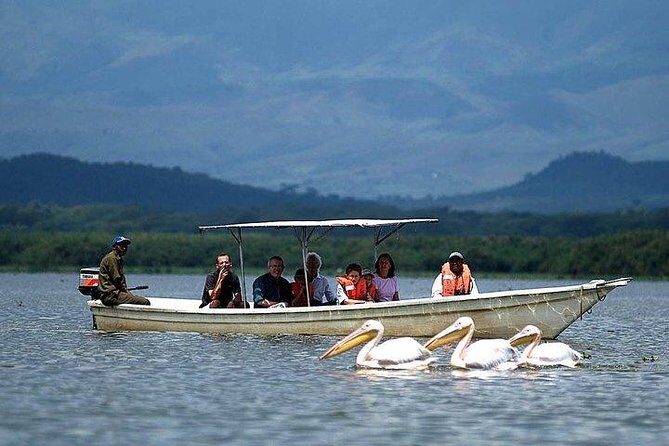
Then you head to Lake Naivasha and take an hour boat ride in the evening. Even when you’re not hunting for the Big Five on the lake itself, boat time is often when you spot shoreline birds and hippos from a different angle.
The itinerary also builds in short scenic stops without pretending they’re major attractions. You’re there for wildlife and logistics, not for a tight schedule of constant long museum-style viewing.
Lake Nakuru’s black rhino target: where the Big Five plan gets real
On Day 3, the safari turns serious. You depart in the morning for Lake Nakuru National Park with a focus on a special sighting of the black rhino, one of the Big Five and an endangered species.
Then you move into a full day game drive with a picnic lunch. This is the kind of day that rewards patience. Rhino sightings can never be treated like a guarantee, even when a program targets them. But Lake Nakuru is the right kind of place to increase your odds, especially with a guide who knows where to look and how to read the terrain.
A quick extra stop at Makalia Waterfalls gives you a stretch break and a chance for photos. It’s not the centerpiece compared with the game drive, but it adds variety and a chance to reset your eyes after hours of scanning the savanna.
Maasai Mara: sunset timing, migration vibes, and a Maasai village visit
Days 4 and 5 are your Maasai Mara chapters, and they’re paced in two smart moves: gentle entry day, then a full push day.
Day 4 is all about arrival and settling in at Lenchada, with big tent accommodation, a mosquito net, bathroom, electricity, and hot water. Even if you choose a more budget style of tenting, these details matter because they reduce the small frustrations that build up when you’re traveling for 12 days.
You get a sunset game drive from around 4:00 p.m. to 6:30 p.m.. Late afternoon and early evening are prime hours for activity. Plus, sunset drives tend to feel more relaxed because you’re not rushing at the same intensity as a dawn departure.
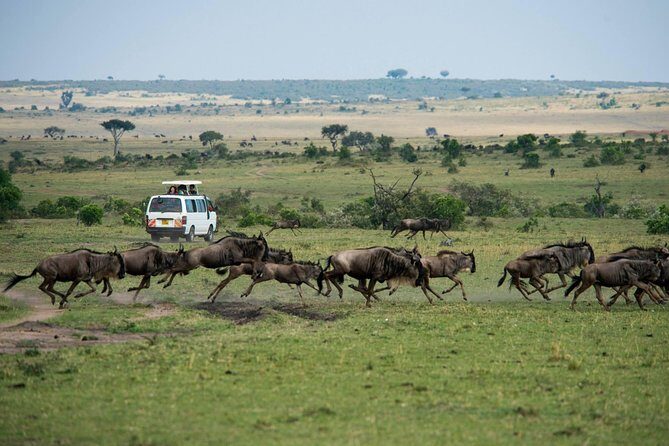
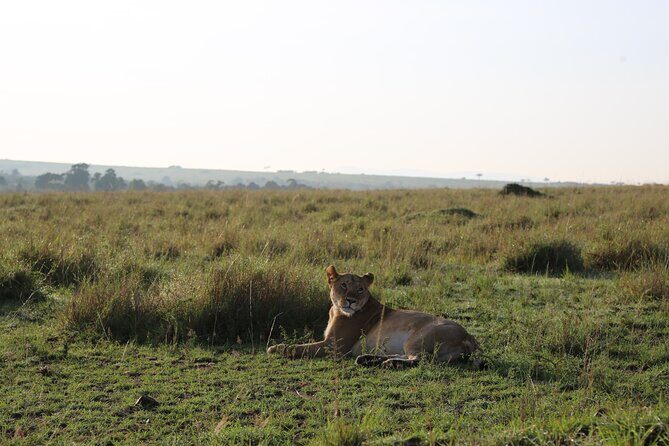
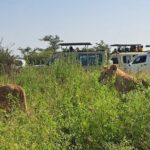
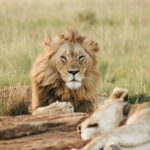
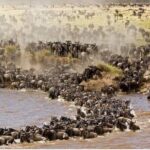
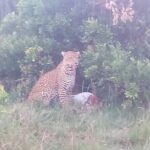
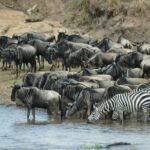
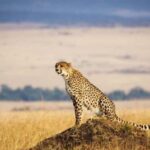
On Day 5 you go all-in with a full-day game drive toward the Mara River, the famous area associated with the Great Migration. The plan is to cover as much of the park as possible, with a picnic lunch in the park. If you’re chasing lions, cheetahs, and leopards, this is also one of the best ways to spend daylight hours here.
The day doesn’t stop at wildlife. You finish with a Maasai village visit for culture and then dinner, with an optional camp fire.
A balanced reality check: rhinos can be harder to spot in Mara than in other parks, and sightings depend on where animals are that day. But this is still one of the best combinations of big game and big cats—plus you get the culture piece without turning the day into a lecture.
Serengeti through the Isebania border: early start, long plains, real time in the park
Day 6 is a “crossing day,” which is where many safari itineraries either become tiring or stay smooth. The plan starts at 6:00 a.m. with an early breakfast, then you depart for Serengeti via the Isebania border. They mention about 30 minutes for visa processing at the border.
That timing is useful. If you’ve ever crossed borders in Africa, you know how unpredictable it can feel. This itinerary is at least trying to frame the process so it doesn’t derail the whole day.
Once you cross, you meet the Tanzanian driver and cook, have a picnic lunch, and then depart for Serengeti. You also get an evening game drive en route to camp, which helps you don’t lose the day entirely to travel.
Accommodation is at Seronera camp. You’ll get a tent and sleeping bag, and meals are prepared by a private chef. In feedback, the chef Christian gets high praise, which lines up with why this kind of safari feels worth it: you’re not living on sad buffet meals after long drives.
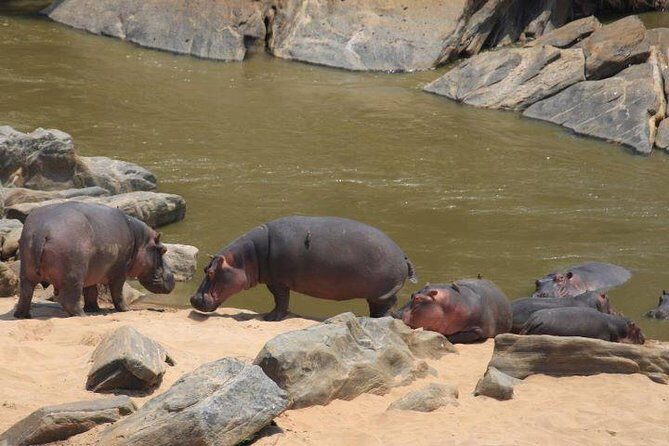
Day 7 is a full Serengeti day with a “two-drive” style. You get a scenic 4-hour drive, a full-day game drive, and then a late evening game drive. There’s also a 1-hour visit to the Serengeti Hippo Pool, where hippo families hang out and you may see the social chaos up close.
Why this matters for you: Serengeti rewards repeating the same areas at different times. You’re not rushing in and out once—you’re staying long enough to see the park shift.
A few more Nairobi tours and experiences worth a look
Ngorongoro Crater: rim night first, then the crater floor at 6:00 a.m.
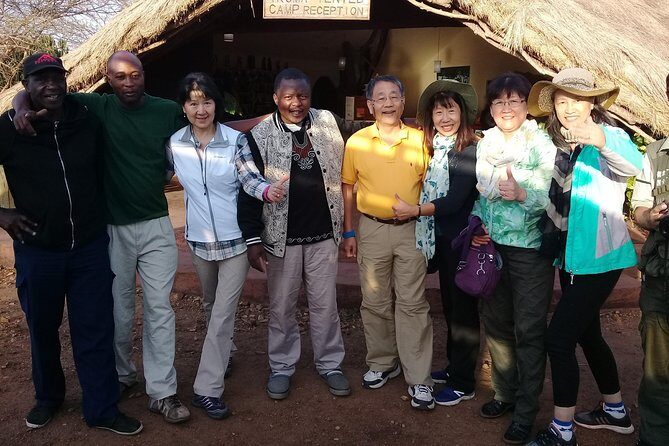
Ngorongoro is the kind of place that can ruin you for other views. The itinerary uses a smart approach: two days with different perspectives.
Day 8 begins with a relaxing morning, then a game drive until lunch. You stop for early lunch at Nabi Hills, then head to Ngorongoro for overnight on the crater rim at Simba campsite. Before dinner, you stop at a crater rim viewpoint to look down into the caldera.
That rim night is a bonus if you like “big view” moments. You wake up in the right setting for early departure, and the next day becomes the serious wildlife window.
On Day 9 you depart at 6:00 a.m. after breakfast and go straight down for a full-day crater tour with picnic lunches. Ngorongoro is described as the world’s largest intact volcanic caldera and home to a high density of big game. Practically, that means you’re not waiting hours to cross “animal territory.” When you get down there, the chances of seeing multiple species rise fast.
One practical note: crater mornings can feel chilly compared with daytime. If you run cold easily, pack layers. The tour doesn’t spell out clothing advice, but it’s the kind of basic comfort detail that makes a long day easier.
After the crater, you transfer to Karatu area for an evening and overnight at a hotel. This gives you a recovery night before moving on.
Lake Manyara and Tarangire: Rift Wall drama, flamingos, and baobab-country
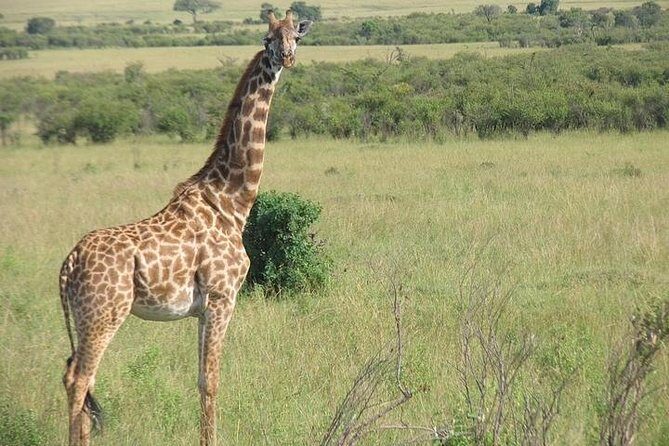
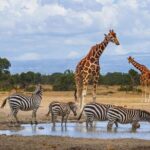
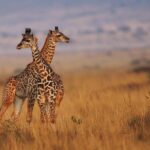
Day 10 introduces Lake Manyara National Park. You go for a full day game drive with stops for species like buffalo, giraffe, and zebra, and you’ll be driving against the backdrop of the Great Rift Wall.
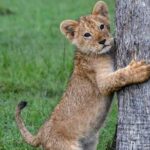
Lake Manyara is also known for tree-climbing lions and flamingos, and the program hints at those kinds of signature moments. If you’re hoping for something different from the open savanna feel of Mara and Serengeti, Manyara often delivers because the terrain and habitat variety change how wildlife moves.
Day 11 is Tarangire National Park, another full-day game drive with picnic lunches. Tarangire is built for big animal sightings and classic scenery, and it also sets you up nicely for a more relaxed end to your safari.
In the evening you head to Arusha for dinner and overnight at Venus Premier Hotel. This matters because Arusha is a “smoother” base for the final transfer day.
Arusha to Nairobi: finish strong without another multi-day travel scramble
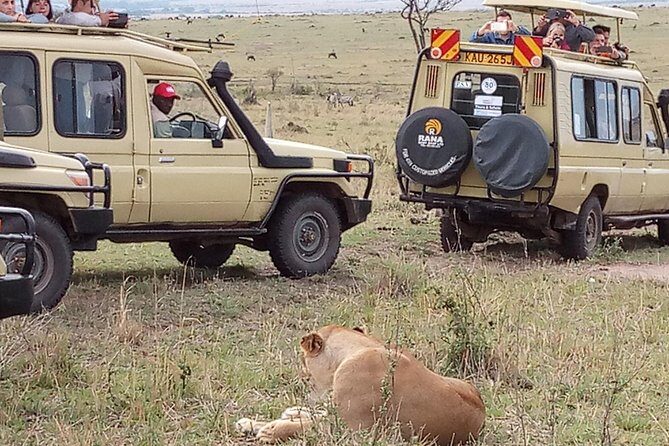
Day 12 is shorter and designed to reduce hassle. After breakfast, you get a luxury shuttle from Arusha to Nairobi, dropping you at the airport.
The itinerary even notes an option for some clients to tailor departures so you can fly out from Kilimanjaro International Airport instead of driving all the way back to Nairobi. That’s a practical choice if your flight timing makes it easier and saves you time.
This final day is not about wildlife. It’s about getting you to your flight with minimal stress, which is exactly what you want after 10+ days of early starts.
Price and value: what $3,708 per person is really buying
At $3,708 per person, this is not a cheap safari. But it’s also not the inflated price you sometimes see when parks and logistics are added later.
Here’s what you’re paying for that reduces hidden costs:
- Private tour with your group only
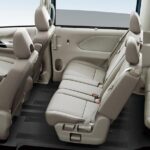
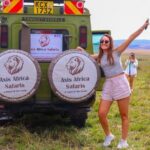
- Transport in a customized vehicle with a pop roof for viewing and photography
- Airport pickup and drop-off
- National park entrance fees included for the parks on your route
- Bottled water included
- Meals included: breakfast 11 times, lunch 10 times, dinner 11 times
- Professional driver/guide
Then there are the extras you should expect:
- Alcohol not included
- Balloon safari is optional
- Luxury upgrades in Tanzania cost extra, including a stated option of $400 per person for a move from camp to luxury lodge for specific nights
Is this “budget” in the sense of super basic? Not really. It’s budget in the sense that the major, expensive parts—park fees and core logistics—are handled. If you tried to piece this together yourself (guides, vehicles, permits, park fees, border timing), costs can climb fast. For many travelers, that’s where the value shows up.
Guides, speed, and the photo setup you’ll feel day after day
This safari’s success usually comes down to two things: the quality of the guide and how the vehicle experience feels.
In the feedback, guides like George and Sereva get named for being informative and professional, and Godson also appears for strong on-the-ground knowledge. Shadrack is described as caring and very informative. Those names matter because they suggest you’re likely to have a true guide, not just someone who drives.
The cooking also shows up as a highlight. The private chef Christian is praised as the best private cook in at least one set of comments, which matters because you’re eating well while doing long days outdoors.
One cautious note: at least one review said two drivers were less of a guiding presence and that the vehicle drove too fast at points. That’s not the most common theme, but it’s worth taking seriously for your comfort. On a private safari, you’re allowed to advocate for how you like the experience—especially if you’re prone to motion sickness.
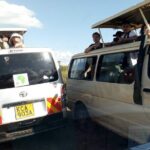
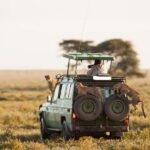
The pop-roof vehicle is there to help you see and shoot. Combine that with multiple game drives at different times of day, and it’s easy to understand why some people come back with thousands of photos.
Lodging on this route: tent comfort in Mara and camps in the North
Your lodging is part of the safari identity, and the itinerary is clear on several bases:
- Nairobi (Day 1): Ibis Styles Hotel
- Maasai Mara (Days 4–5): Lenchada tents with electricity and hot water
- Serengeti (Days 6–7): Seronera camp (tents and sleeping bags)
- Ngorongoro (Night of Day 8): Simba campsite on the crater rim
- Karatu (Night of Day 9): hotel
- Arusha (Night of Day 11): Venus Premier Hotel
There’s also an upgrade path. The tour mentions an extra $400 per person to upgrade from camp to luxury lodge for the 2 Serengeti nights and 1 night in Ngorongoro Crater. It lists lodging options for an upgraded option 2 in Tanzania, including places like Mawe Tented Camp, Serengeti Katikati Tented Camp, and Ikoma Tented Camp (along with links provided in the itinerary details).
One practical thought: if you hate “tent living,” the base style may feel rustic even when it’s comfortable. If you’re okay with tented or camp lodging (and you’ll spend most of your day outside anyway), you’ll likely love the authenticity.
Who this safari fits best—and who should reconsider
This 12-day Kenya and Tanzania private safari suits you if:
- You want a Big Five focused route across Kenya and Tanzania
- You like a mix of major parks and a couple of Rift Valley extras
- You want the logistics handled for you: transport, park fees, meals, and guides
- You’re okay with long days and early starts for better animal viewing
It may be less ideal if:
- You want slower pacing with more downtime between parks
- You’re extremely sensitive to driving style or motion sickness
- You only care about luxury lodging and want it for every night (the itinerary offers upgrades, but not all nights are upgraded by default)
Should you book this 12-day Nairobi-to-Ngorongoro safari?
If you want one of the most efficient ways to experience Kenya and Tanzania wildlife without playing travel agent for 12 days, I’d lean yes. The value case is strong because park fees and core logistics are included, and the vehicle setup is built for viewing and photography. Plus, the guide names showing up in feedback suggest you’re likely to get real expertise, not just seat time.
My decision would come down to one thing: your tolerance for a packed schedule. If you can handle early mornings and long transfer days for a better chance at sightings, this is a strong pick. If you want a gentler rhythm, ask yourself whether you’d rather shorten the route and spend more nights in fewer parks.
FAQ
What does the tour price include?
The price includes accommodation as per the itinerary, national park entrance fees for all parks, bottled water, a professional driver/guide, customized transport with a pop roof, airport pickup and drop-off, and meals (breakfast 11 times, lunch 10 times, dinner 11 times).
Are national park fees included?
Yes. The itinerary states that national park entrance fees for all parks are included.
Do you get picked up from the airport in Nairobi?
Yes. The tour includes airport pick up and drop off in Nairobi, and the final day includes a shuttle from Arusha to Nairobi airport.
Is biking part of the experience at Hell’s Gate?
Yes. Hell’s Gate is described as the only park on this route where you can bike while seeing animals, with bikes provided. If you can’t bike, the tour can arrange a car game drive instead.
How much time is spent on Lake Naivasha?
The plan includes a stop at Lake Naivasha with time for a boat ride on the lake in the evening (about one hour is listed).
Which parks are included in this safari?
The itinerary includes Maasai Mara, Lake Naivasha (plus Hell’s Gate nearby), Lake Nakuru, Serengeti, Ngorongoro Crater, Lake Manyara, and Tarangire.
Are meals included throughout the trip?
Yes. Breakfast, lunch, and dinner are included on most days as listed in the itinerary (breakfast 11, lunch 10, dinner 11).
Is there an option to upgrade lodging in Tanzania?
Yes. There’s an extra upgrade option described for Serengeti and Ngorongoro (for an additional $400 per person) to move from camp lodging to luxury lodge for specific nights. The itinerary also lists example upgraded lodging options for Tanzania such as Mawe Tented Camp, Serengeti Katikati Tented Camp, and Ikoma Tented Camp.
Can I add a balloon safari?
Yes. A balloon safari is listed as optional and the provider says they can organize it upon request.
Is free cancellation available?
Yes. The tour includes free cancellation up to 24 hours in advance for a full refund.