REVIEW · NAIROBI
6hrs of Birdwatching in Nairobi National park
Book on GetYourGuide →Operated by Travel with Saidi · Bookable on GetYourGuide
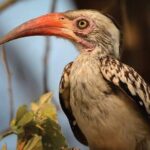
Birding in Nairobi starts fast. In just 6 hours, you cover real habitat variety inside Nairobi National Park, where over 520 bird species live side by side.
I really like two things about this style of outing. First, your guide works like a pro spotter, calling out birds by sound and sight as you move from habitat to habitat. Second, you get a bird list for the day that’s sent to you after the session, so the learning sticks.
One drawback to plan for: the park entry fees and lunch/snacks aren’t included, so your total cost depends on the season and how many people split the group rate.
In This Review
- Key highlights worth knowing
- Nairobi National Park Birding: a fast way to build a real bird list
- Pickup and timing: why the early start helps your eyes
- Dry forest focus: Pycnonotidae, Turdidae, Columbidae
- Wetlands and dams: where shorebirds and waterbirds move the day
- Grassland time: Otididae, Struthionidae, Ardeidae and friends
- On-foot picnic points and open-roof van comfort tips
- How guides elevate the birding game (Benson, Diana, Saidi style)
- Price and value: budgeting the $450 group rate plus entry fees
- Who this birding safari suits best (and who should rethink it)
- Should you book this 6-hour Nairobi birding session?
- FAQ
- How long is the birdwatching session?
- Where does the tour start and how does transportation work?
- Is the bird list provided?
- What’s included in the price?
- Are Nairobi National Park entry fees included?
- What do I need to bring?
- Can I choose a different vehicle, like a Landcruiser?
Key highlights worth knowing
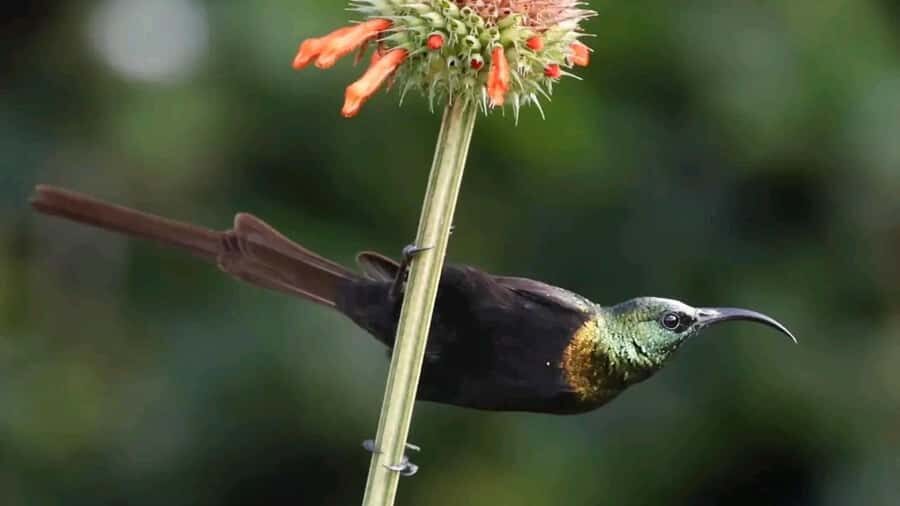
- Six hours of focused birding with breaks to stand, stretch, and use toilet points
- Habitat sweep: dry forest, wetlands/dams, then grassland
- Bird ID support from your guide, including hearing faint calls and finding tiny birds at distance
- Day list sent after you finish, which helps you remember what you saw
- Private van and pickup/drop-off so you don’t waste time coordinating transport
- Possible wildlife sightings beyond birds, depending on what the park is doing that day
Nairobi National Park Birding: a fast way to build a real bird list
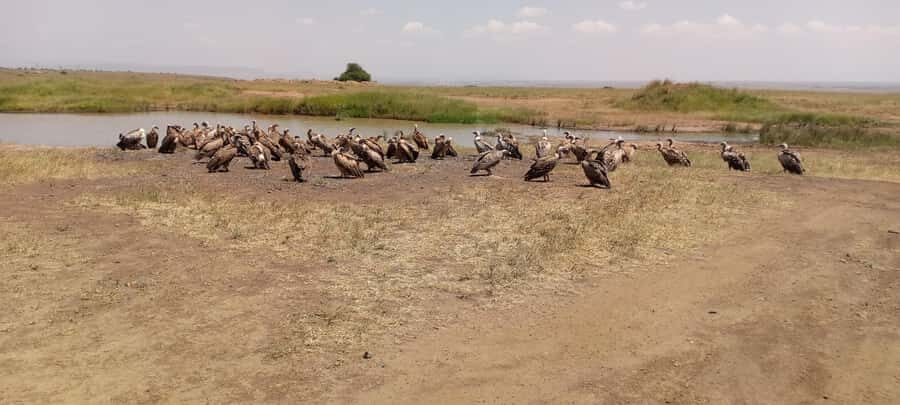
Nairobi National Park is one of those places where birding makes sense immediately. You’re not just scanning a single area—you’re moving through different ecosystems in one trip. That matters because birds change with vegetation, water, and open ground. Your goal in six hours is simple: see as many species as possible, but also learn what habitat each one prefers.
The tour is built around that idea. You start with dry forest, move to dams and wetlands, then finish in grassland. Even if you’re new to birdwatching, this structure helps you understand patterns. You’ll also get to connect names to what you’re actually seeing, not just pictures on a screen.
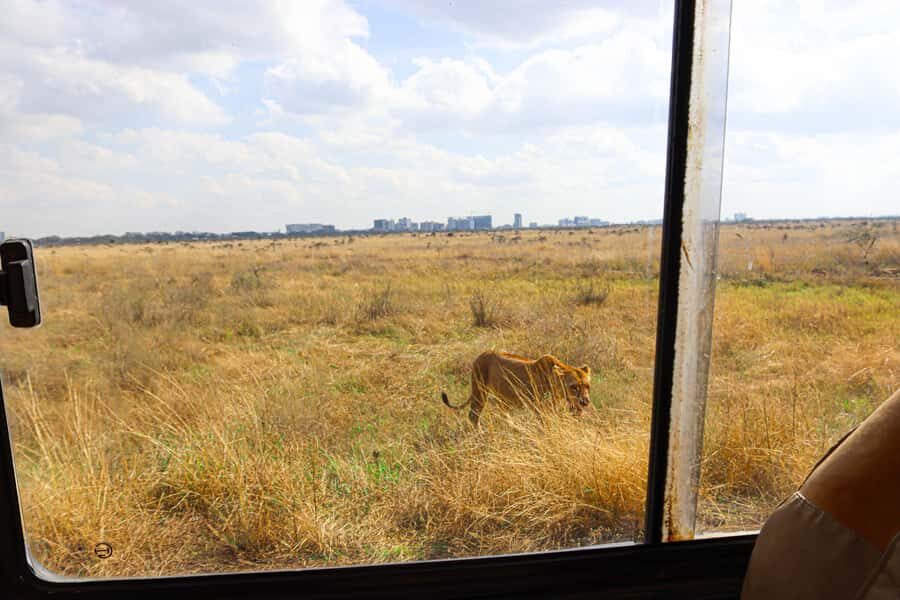
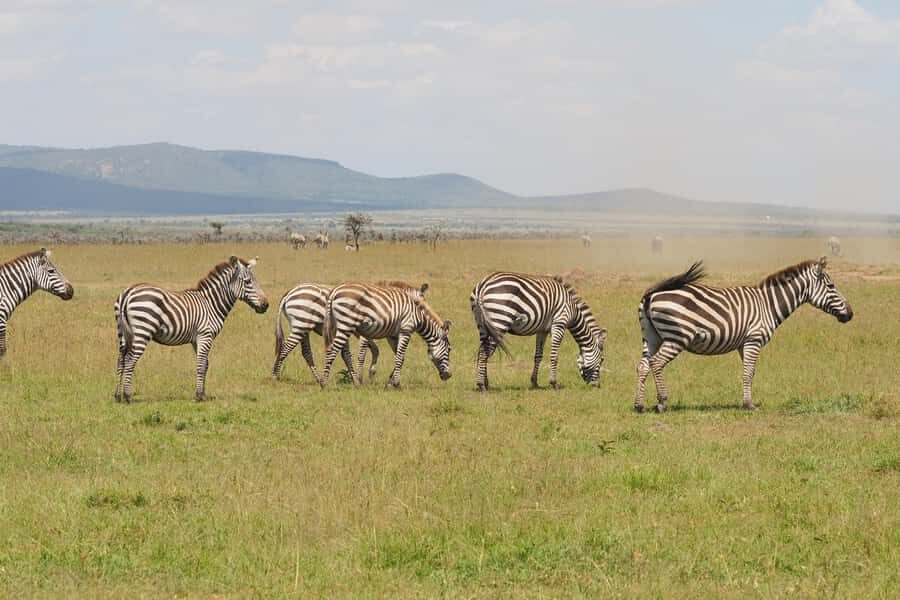
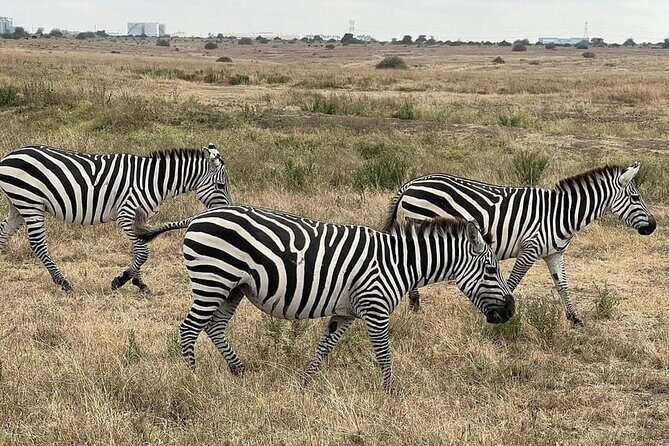
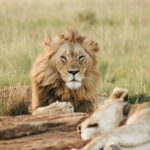
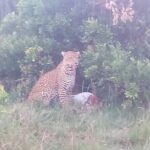
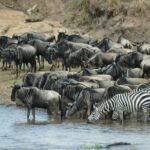
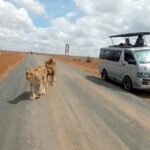
And yes, it’s normal for the day to include more than birds. In past outings with guides like Benson, Diana, and Saidi, people have reported spotting mammals like lions, rhinos, giraffes, zebras, buffalo, and even a cheetah. You shouldn’t treat that as guaranteed, but it’s a good reminder: this is a national park, not a backyard bird walk.
You can also read our reviews of more tours and experiences in Nairobi.


Pickup and timing: why the early start helps your eyes
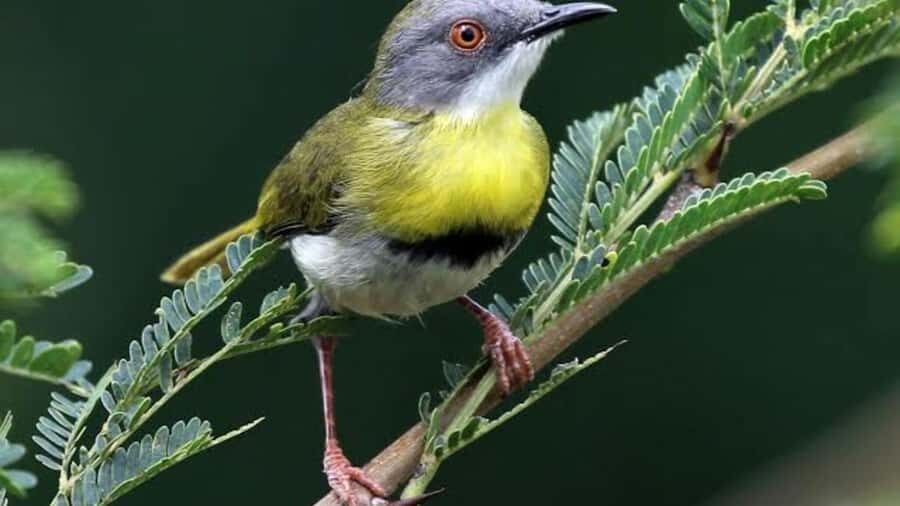
The experience starts with early pickup from your hotel or residence in Nairobi. That early timing matters for two reasons. Birds are often most active earlier in the day, and your eyes adjust faster when you’re not starting in the harsh late-morning light.
There’s also a transfer from Nairobi by safari van, and once you’re in the park, the birding session starts right away. In other words, you’re not paying for a lot of sitting around. This format is ideal if you want a tight, efficient half-day that still feels like a real safari.
Tip for you: bring patience for the first hour. The best birding often begins with hearing something you can’t quite see yet. A good guide will translate that sound into a direction, then into an actual bird on the move.
Dry forest focus: Pycnonotidae, Turdidae, Columbidae
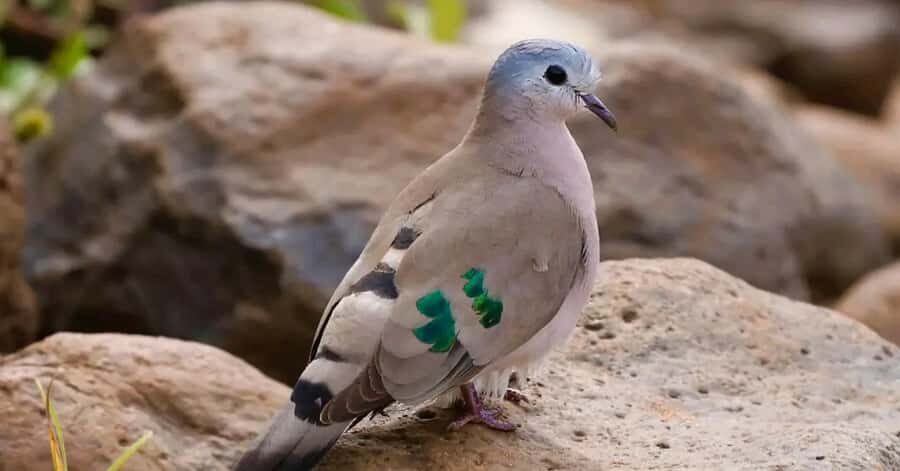
Your first major habitat stop is the dry forest area. This is where a lot of people get their first “wait, that’s the bird!” moments. Dry forest tends to pull in songbirds and woodland types, and the guide’s job is to connect the calls to the families you’re looking for.
You’ll be on the lookout for birds from families such as Pycnonotidae, Turdidae, and Columbidae. In practical terms, this means you’ll likely spend time with birds that are active in trees and shrubs—often moving quickly, sometimes calling from cover, and sometimes showing up only briefly.
A big plus here is how guides handle identification. In earlier sessions, guides like Benson and Saidi were praised for calling out species accurately and for using bird info to support what you’re seeing. One guide was described as able to identify birds and even reproduce the bird’s call, which helps you learn faster because you’re matching what you hear to what you spot.
Possible catch: birds in dry forest can be quick and tucked away. If you hate slow “searching,” you might find the first stretches mentally tiring. But if you like the challenge, it’s also where the day becomes genuinely satisfying.
Wetlands and dams: where shorebirds and waterbirds move the day
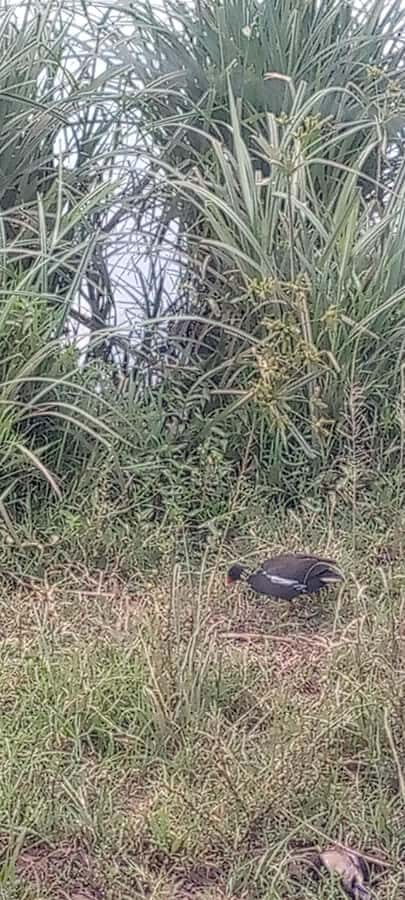
After dry forest, the route shifts to dams and wetlands. This is one of the most productive habitat changes because water concentrates birds. It also creates a different kind of birding: more scanning, more shoreline watching, and more attention to movement patterns.
Here you’ll look for families such as Scolopacidae, Anatidae, and Ciconiidae, among others. Translation: you’re likely switching from woodland soundscape birding to a mix of waders, ducks, and other water-associated birds.
This is also a stage where your guide’s “spot and confirm” skill really matters. People who bird with Diana described her ability to hear faint bird sounds and spot tiny birds far away from the vehicle. That kind of skill turns a distant speck into a named species—and it often changes what you think you’re capable of seeing in one day.
Another useful thing: once you’re near water, birds may become more visible between bursts of activity. That gives you a rhythm: watch, listen, confirm, then enjoy the moment when the bird finally lands where you can see it clearly.
Grassland time: Otididae, Struthionidae, Ardeidae and friends
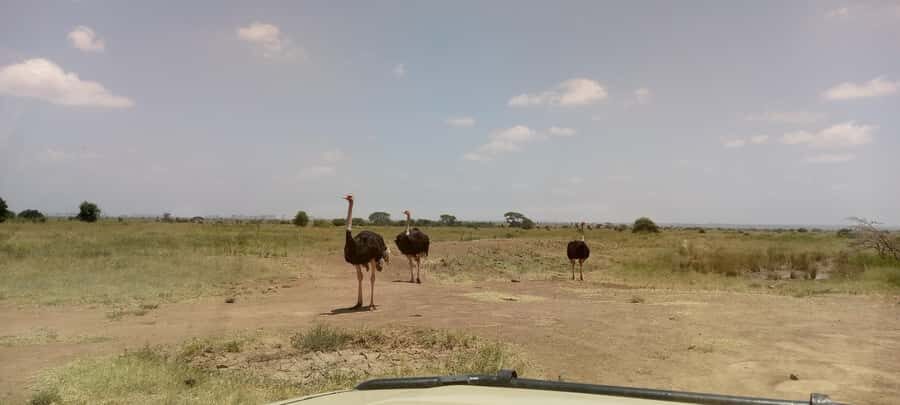
Next comes the grassland ecosystem. This is where the tour really shows its “cover multiple habitats” design. Grassland changes both the bird shapes and the way you spot them.
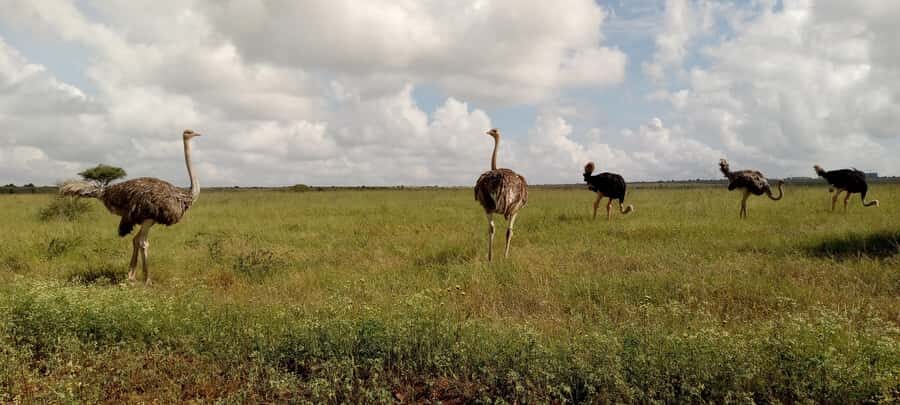
You’ll be looking for birds from families including Otididae, Struthionidae, Ardeidae, Motacillidae, Laniidae, and Fringillidae. That’s a mix of open-ground birds and birds that favor edges, perches, and movement along grass and low vegetation.
In practical terms, grassland birding often means more time with birds that:
- keep walking or hopping in open areas,
- perch on low branches or posts,
- appear suddenly after a long quiet stretch.
It’s also a section where mammals can pop up because open areas attract more than just birds. In past outings, people reported seeing large animals during the same day window as the birding. It’s not the focus, but it’s part of the park reality.
Small consideration: open grassland can be harder for photos and spotting if weather is harsh. But it’s also often where your day bird count jumps, because open habitat makes certain birds easier to track once you know what to look for.

On-foot picnic points and open-roof van comfort tips
The tour includes moments when you alight the vehicle at designated picnic points. This is good for three reasons: you can stretch your legs, take toilet breaks, and stay alert instead of burning through all your concentration while seated.
Those short walking breaks matter more than they sound. Birding rewards movement. A few minutes on foot can change what you notice—especially in grassland edges and around small vegetation clusters near the picnic points.
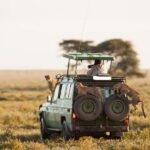
Transport is in a safari van with an open roof. That’s great for looking up, hearing birds clearly, and enjoying the park feel. But it also means you’ll want to dress for real outdoor conditions. You might also want sunglasses and a hat, because Nairobi’s light can be intense depending on the season.
If you prefer a different vehicle style, you can request a safari Landcruiser, but there’s an extra cost of $80. For some people, that’s worth it for comfort and the feel of a classic safari setup. For others, the open-roof van is the perfect match for birdwatching because you’re not stuck inside glass.
How guides elevate the birding game (Benson, Diana, Saidi style)
A birding day is only as good as the guide’s ability to find and identify birds under pressure—people talk about big animals easily, but birds require sharper attention.
The strongest pattern across past experiences is this: the guides were praised for spotting birds and for identification accuracy. Michael highlighted a guide named Benson as amazing at spotting and ID. Diana was noted for finding many species and for her ability to hear faint sounds and spot tiny birds far away. Saidi was described as highly professional, well equipped, and able to show bird information sheets and even reproduce bird calls.
Even if you’re a beginner, this kind of teaching helps. You don’t just leave with a number of species—you leave with a mental map of what birds look and sound like. That’s especially useful in Nairobi, where different habitats sit close enough that you can compare them within the same outing.
The tour also includes a live guide in English. That’s important because birding is full of small details: wing patterns, behavior cues, call cues, habitat clues. You’ll get more out of the day if you can ask questions and get clear answers right then.
Bonus: some past groups even received T-shirts at the end. That’s not something to plan your trip around, but it’s a nice example of the friendly touch that can show up.
Price and value: budgeting the $450 group rate plus entry fees
The price is $450 per group for up to 7 people, with pickup/drop-off, a private guide/driver, a private van, and drinking water included. That can be good value if you travel with friends or a small group and split the cost.
But you should budget for what’s not included. Park entry fees are extra: for non-residents, it’s $48 in low season and $60 in high season. Lunch and snacks are also on you.
Here’s a practical way to think about it for you:
- If you’re 2–3 people, the per-person cost of the group rate stays high, so entry fees and meals matter more.
- If you’re closer to 7 people, the group rate shrinks per person, and you mainly deal with the entry fee per person plus your own food.
In other words, the tour is priced like a private experience, not a budget shared tour. The value comes from the private transport, time efficiency, and the fact you’re spending the full six hours doing birding across multiple habitats.
If you care about the guide’s identification skill, this format usually makes sense—because you’re paying for someone to help you see more correctly and learn faster.
Who this birding safari suits best (and who should rethink it)
This experience fits you best if you:
- want a bird-focused safari without spending an entire day driving around,
- like the idea of learning through habitat shifts,
- enjoy being guided on what to look for and how to ID birds,
- are happy that you might see other wildlife too, but you’re mainly here for birds.
It might be less ideal if you’re chasing only the classic big-animal safari thrills. You can still get mammals, but the schedule and attention are designed around birdwatching. Think of it as a birding day that lives inside a national park, not a mammal-first day with birds as a bonus.
Also, if you hate outdoor conditions or hate scanning and waiting, grassland and dry forest stretches may feel like work. A good guide helps, but the activity is still real birdwatching: listen, look, confirm, repeat.
Should you book this 6-hour Nairobi birding session?
I’d book it if you want an efficient, guided birding day with structure. The habitat sweep—dry forest, wetlands/dams, then grassland—gives you variety in a short time. Add the bird list emailed after the session, and you get both the thrill of spotting birds and the payoff of remembering them.
You should pause and double-check your budget if entry fees and meals matter to you. The base price is clear, but the total cost depends on season and the number of people in your group.
If you’re a first-time birder, this is also a great way to build confidence fast, especially with guides known for spotting distant birds and teaching identification through calls and bird info.
FAQ
How long is the birdwatching session?
The experience is 6 hours.
Where does the tour start and how does transportation work?
You’re picked up from your residence or hotel in Nairobi, then you travel by private van to Nairobi National Park and return to Nairobi after the session.
Is the bird list provided?
Yes. A bird list for the day is created and sent to you after the session.
What’s included in the price?
Pickup and drop-offs, a private guide/driver, a private van, and drinking water are included.
Are Nairobi National Park entry fees included?
No. Entry fees are not included. For non-residents they are $48 in low season and $60 during high season.
What do I need to bring?
Bring your passport or passport/ID card.
Can I choose a different vehicle, like a Landcruiser?
You’ll use a safari van with an open roof. If you prefer a safari Landcruiser instead, there is an extra cost of $80.