REVIEW · NAIROBI
Nairobi: Private Elephant Orphanage Tour
Book on GetYourGuide →Operated by Kenya Bush Expeditions tours and events · Bookable on GetYourGuide
Baby elephants steal the show in Nairobi. This private outing centers on David Sheldrick Wildlife Trust, where you start with a one-hour intro and then get close to rescued baby elephants under trained staff supervision. I especially like the chance to ask questions during the briefing and the hands-on feeling of being near elephants you can actually touch. One watch-out: Nairobi National Park fees are not included, so confirm costs in advance before you get in the car.
You’ll also get a local flavor beyond the orphanage: a quick stop at a wood crafts shop and a visit to a Kazuri beads factory. With hotel pickup and drop-off by private vehicle, it’s an easy day if you want zero logistics stress.
This tour works for all ages, and it runs in English, German, or French. Still, you’ll want to double-check your guide language and timing expectations, since the on-site elephant portion is built around that introductory session.
In This Review
- Key Things That Make This Tour Worth Your Time
- Meeting David Sheldrick at 10:45 AM: How to Use This Day Well
- The Orphanage Experience: What Up Close With Baby Elephants Really Feels Like
- Elephant Adoption: Turning a Visit Into Real Understanding
- Outskirts of Nairobi Stops: Crafts and Kazuri Beads Without the Hassle
- Price and Logistics: What You Pay Versus What You Must Budget
- Duration and Timing: Getting the Most From a Structured Half-Day Feel
- What to Bring (and What to Skip) for Comfort
- Languages and Guide Setup: How to Match Your Day to Your Needs
- Who This Tour Suits Best (and Who Might Want Alternatives)
- Should You Book This Private Elephant Orphanage Tour?
- FAQ
- What time should I arrive at the David Sheldrick Park?
- Is entry to the elephant orphanage included in the price?
- Do I need to pay an additional fee for Nairobi National Park?
- What’s included in the tour?
- Are lunch and drinks included?
- What should I bring with me?
- What languages is the tour available in?
Key Things That Make This Tour Worth Your Time
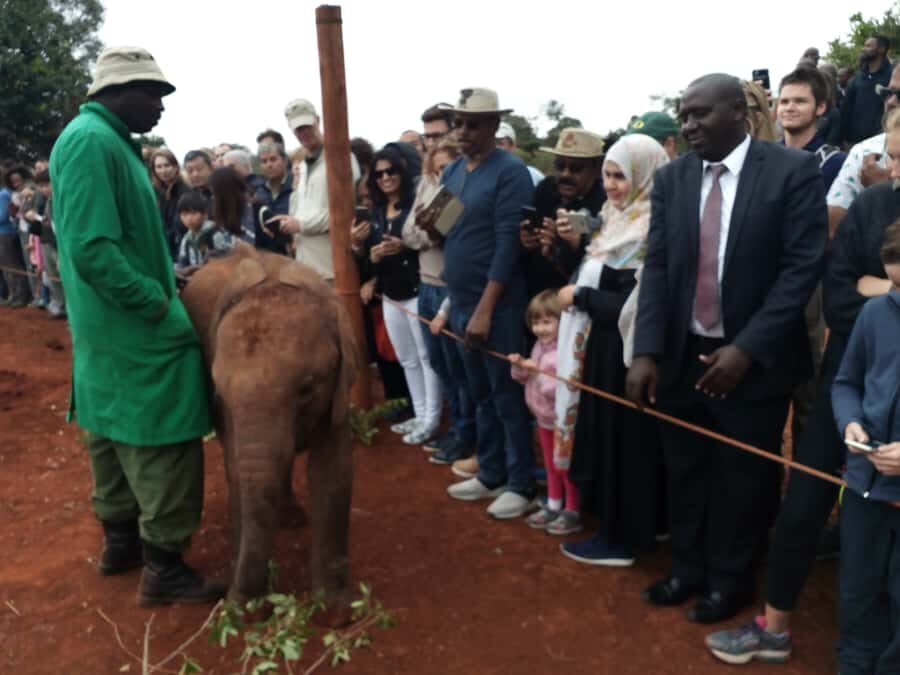
- David Sheldrick Wildlife Trust intro at 10:45 AM sets the tone with a structured briefing and question time
- Up-close baby elephant contact under staff supervision is the main event, not a quick drive-by
- Elephant adoption process explained so you understand what rescue and rehabilitation actually involve
- Nairobi outskirts sightseeing gives context beyond the city center
- Wood crafts store + Kazuri beads factory add practical souvenirs without turning it into a shopping marathon
- Private vehicle pickup/drop-off keeps you comfortable and on schedule
Meeting David Sheldrick at 10:45 AM: How to Use This Day Well
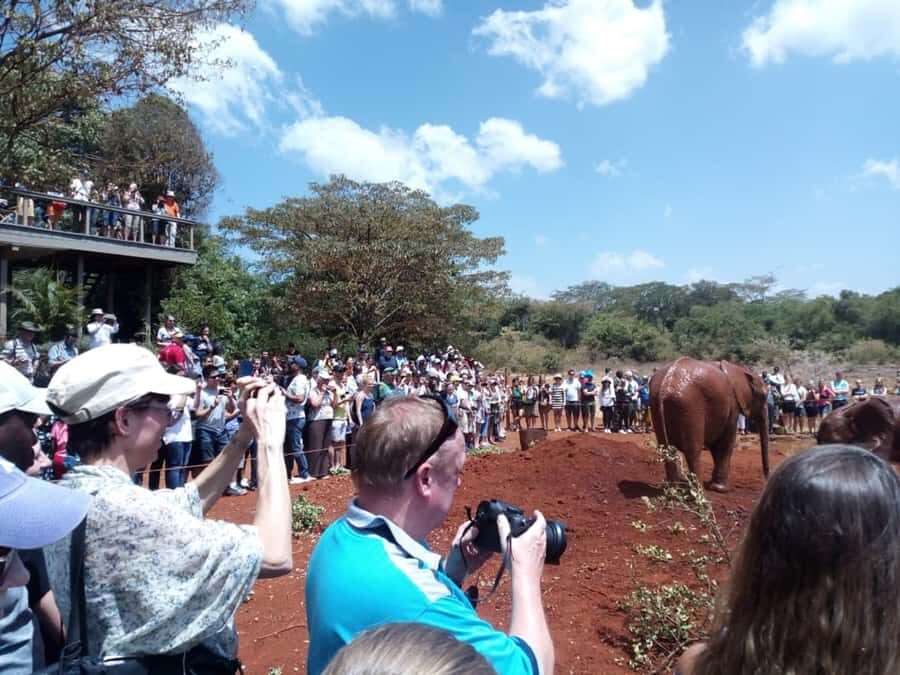
The day starts with a hotel pickup and a drive to the David Sheldrick Wildlife Trust. You’re aiming to arrive at 10:45 AM, because that’s when the one-hour introductory presentation begins. This is your best chance to get answers straight from the people who work with the program.
I like that you’re not thrown into the experience blind. The briefing helps you understand what you’re seeing and why the trust operates this way. If you enjoy learning as you go, that intro sets you up for a calmer, more meaningful visit.
Practical tip: set expectations that this is structured. The elephant time is not random free-roaming; it follows the trust’s rhythm and supervision rules. Plan your photos, your questions, and your patience for how close you’ll actually get.
You can also read our reviews of more private tours in Nairobi


The Orphanage Experience: What Up Close With Baby Elephants Really Feels Like
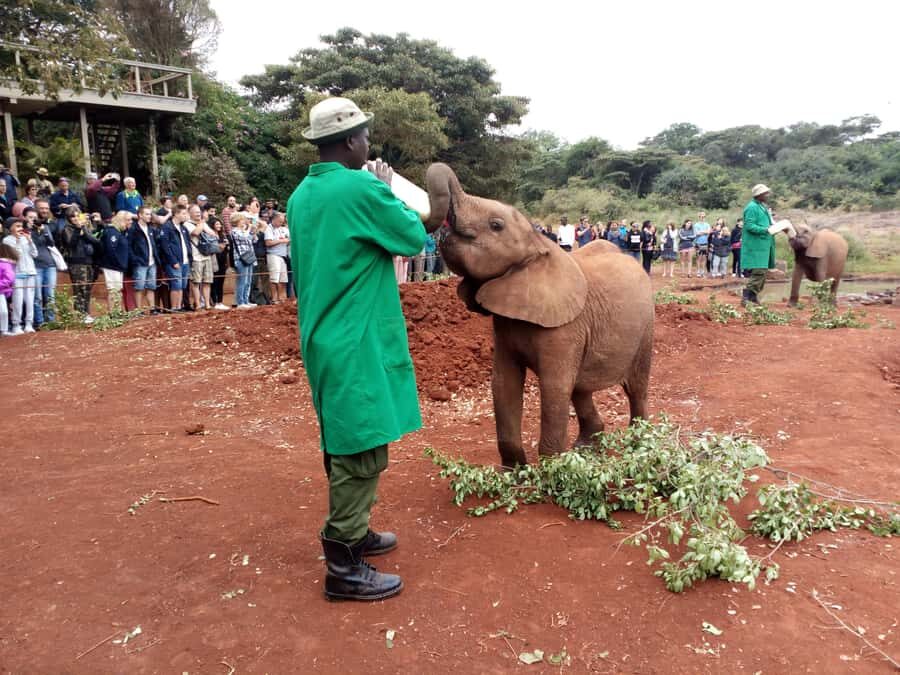
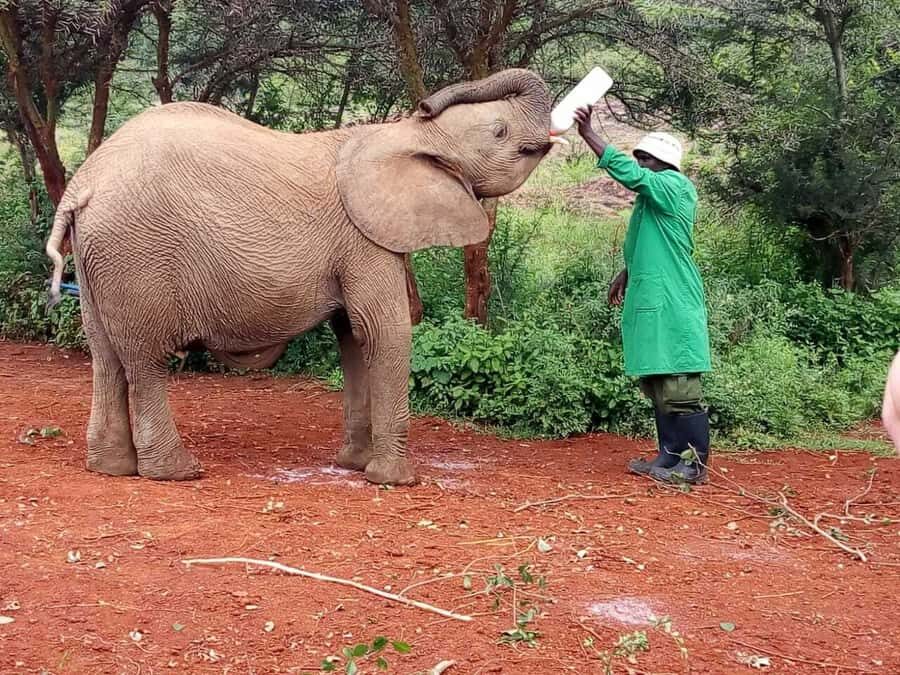
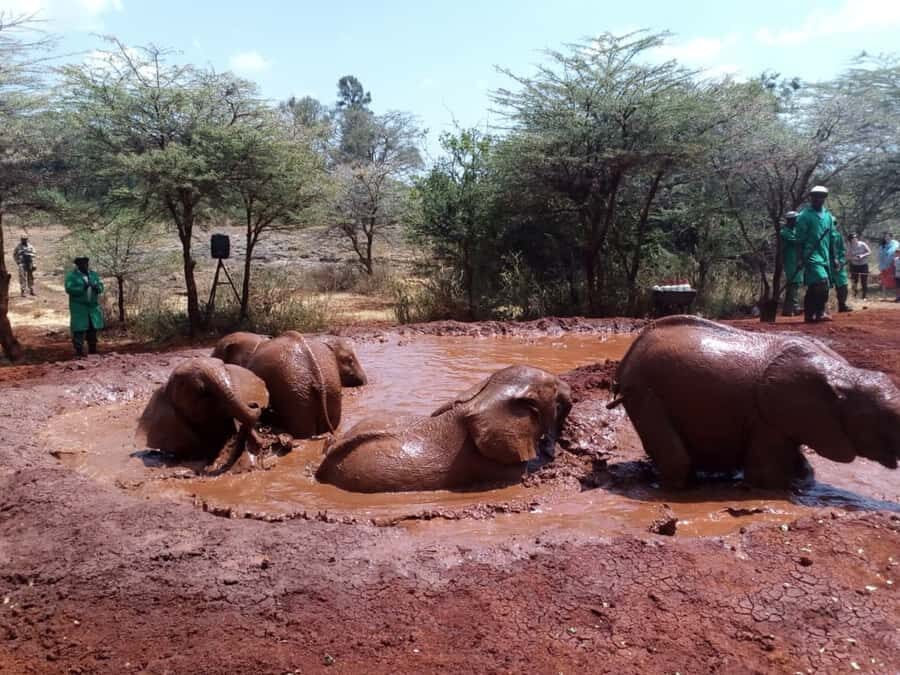
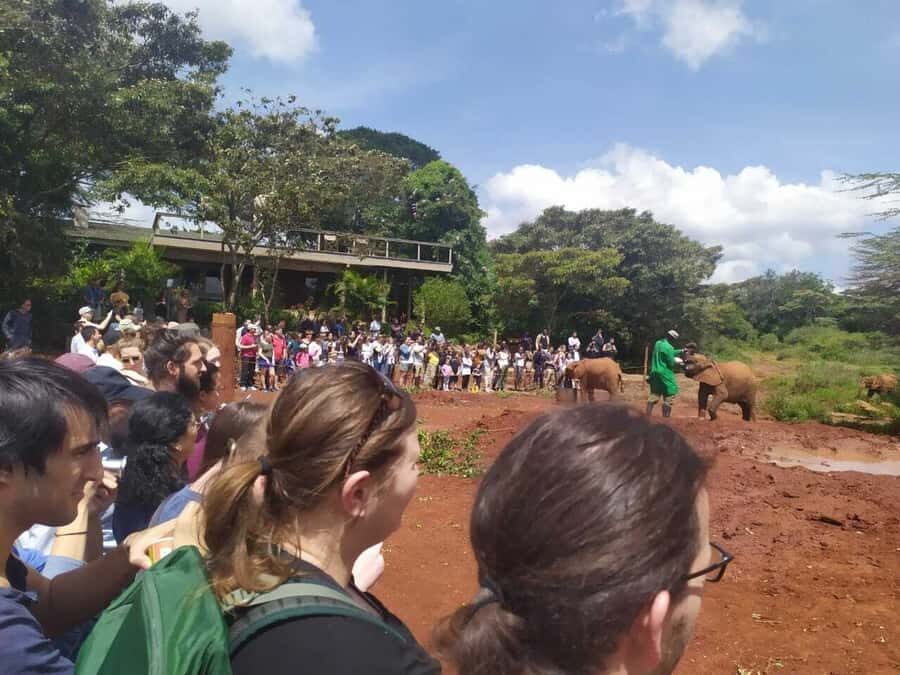
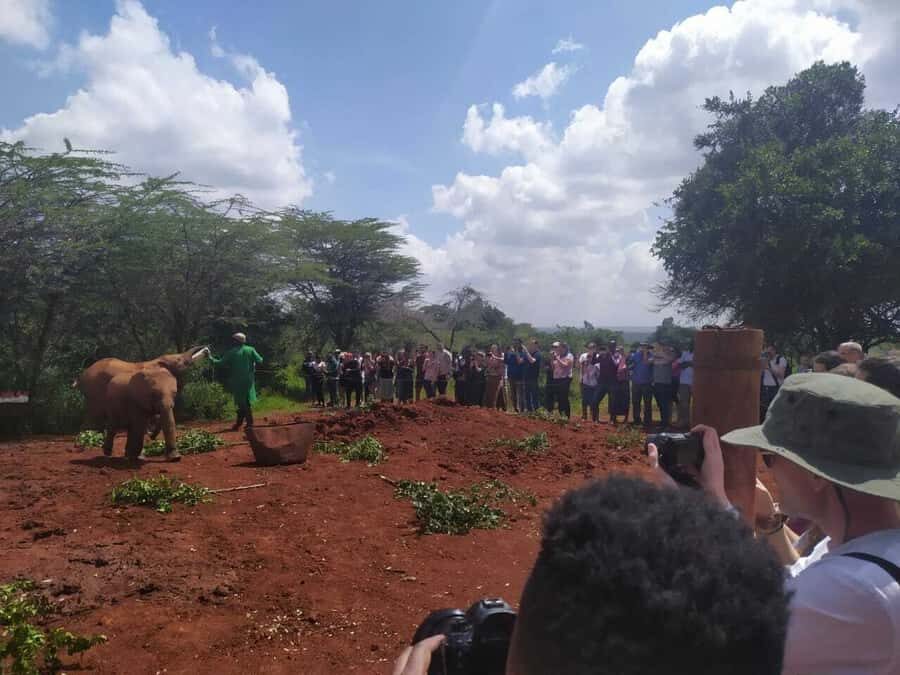
After the intro, you’ll spend time with the baby elephants in a controlled, staff-supervised setting. The core experience is watching them enjoy their formula milk, up close and personal, with professionals in charge around you.
This is the emotional center of the whole day. You’re seeing very young elephants in the kind of rehabilitation environment that helps them grow safely and learn the routines that support long-term survival. There’s a big difference between viewing elephants from far away and being close enough to appreciate their scale, behavior, and calm curiosity.
One of the most satisfying parts is the interaction level. The tour description highlights that you can see and even touch the elephants. That changes everything: you understand how gentle and deliberate elephants can be when handled properly, and you feel less like a spectator and more like a participant in the moment.
That said, keep it respectful. Staff supervision exists for a reason, and you should follow instructions fast. If you want the best outcome, act like the elephants’ handlers are always one step ahead of you.
Elephant Adoption: Turning a Visit Into Real Understanding
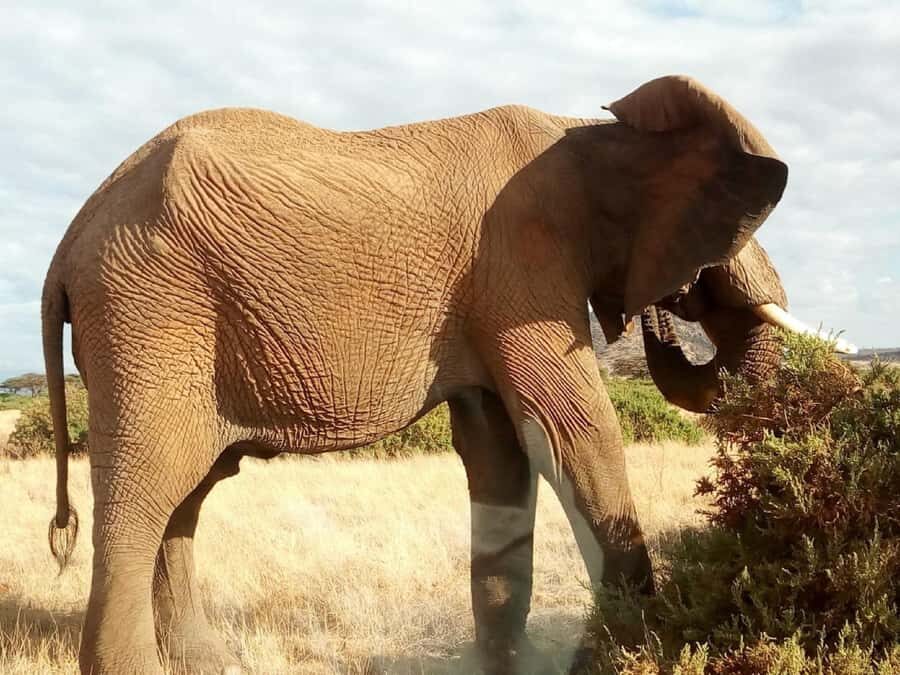
If you’re the kind of traveler who wants the story behind the ticket, this is a strong point. The tour includes time to learn about the process of adopting an elephant and how rescue ties into rehabilitation.
Here’s why I think that matters: watching feeding and learning is moving, but adoption talk gives it context. You’re not just meeting cute babies; you’re learning what comes next—how rescued elephants are supported, stabilized, and gradually prepared for the future.
During the intro, ask questions. That’s why that hour exists. Go beyond What is adorable? and ask practical things like how the program supports different needs and how they decide what care comes next. You’ll get more out of the visit if you walk in with at least a couple of real questions.
Outskirts of Nairobi Stops: Crafts and Kazuri Beads Without the Hassle

Most Nairobi days include at least one shopping stop. The key is whether it feels useful or pushy, and this itinerary tries to keep it light.
After your elephant time, you’ll visit a local wood crafts store for a quick shopping stop. It’s a small pause that helps break up the emotional intensity of the orphanage. If you like wood carvings or handmade items, it’s an easy place to browse without committing to a full market day.
Then comes Kazuri beads factory. Kazuri is known for making beadwork that’s widely recognizable, and a factory visit can be a smart way to buy with a bit more confidence. You’re not just buying a souvenir—you’re seeing where it’s made and getting a better sense of the craft process.
If you’re trying to keep your day from turning into errands, this sequence works well. You get two focused culture/craft moments rather than a long loop of stops.
Price and Logistics: What You Pay Versus What You Must Budget
The headline price is $100 per person for the private elephant orphanage tour. Included pickup and drop-off matter here. A private day in Nairobi can quickly become expensive once you start adding taxi time, park access costs, and guide costs.
That said, the price is not the whole picture. Entry to the orphanage is included, but Nairobi National Park entrance fee is not included—it’s listed as $45 per person. That fee can affect your total cost in a big way, especially for families.
This is the part I’d handle like a checklist:
- Confirm the orphanage entry is covered under your booking (it is listed as included).
- Plan for the Nairobi National Park fee if your day route requires it (it’s not included, and it’s clearly stated as $45 per person).
- If your total at checkout surprises you, ask for a clear breakdown before you proceed.
One more note on value: the elephants are the reason to do this. If you’re hoping for a long, slow safari-style day, this format is different. It’s more concentrated—intro, close contact, then craft stops and return.




Duration and Timing: Getting the Most From a Structured Half-Day Feel
The only explicitly stated time block is the one-hour introduction presentation at 10:45 AM. After that, you’ll have time with the elephants, plus the wood crafts store and the Kazuri beads factory, and then optional lunch before returning to your lodging.
So if you’re comparing this to longer half-day or full-day wildlife outings, calibrate your expectations now. This trip sounds like a focused experience, not an all-day marathon.
What helps is pacing. The elephant portion hits hard emotionally, and the craft stops give your brain a moment to reset. If you rush lunch or skip breaks, the day can feel shorter and more intense than you meant it to be.
Also: bring your patience for sun. Nairobi daylight can be strong, and you’ll want your eyes and head protected.
What to Bring (and What to Skip) for Comfort
This tour is suitable for all ages, but comfort depends on what you pack. You’ll be outdoors enough that the basics matter.
Bring:
- Passport or ID card
- Sunglasses
- Sun hat
Skip what you won’t use. You’ll likely want room for a water bottle and a phone for photos, but don’t lug a huge bag if you don’t need it. The elephant interaction is the centerpiece, and you’ll want to keep your hands free.
Languages and Guide Setup: How to Match Your Day to Your Needs
Languages offered include English, German, and French. That’s important if you want to understand the adoption process and get real answers during the question time.
I’d suggest you confirm your language choice before the day begins. If the guide language doesn’t match what you expected, it can make the learning portion feel less effective—even if the elephant experience remains wonderful.
Also, pay attention to how the tour is explained to you during pickup. A clear run-through helps you know what’s included and what to expect when you arrive.
Who This Tour Suits Best (and Who Might Want Alternatives)
This is a great match if you want an organized, private experience with a conservation focus and direct access to baby elephants. You’ll enjoy it most if you like animals but also care about what rescue and rehabilitation really mean.
It’s also a strong choice for families and mixed-age groups since the tour is suitable for all ages. The structure keeps things predictable.
I’d think twice if you want a big outdoor safari with long viewing drives and lots of variety. This is centered on one place and one mission, with a couple of craft stops layered in after.
Should You Book This Private Elephant Orphanage Tour?
Here’s my balanced take. If your priority is up-close time with baby elephants plus learning about how elephant adoption and rehabilitation work, this tour fits the bill. The private pickup/drop-off also makes it easier to have a smooth day without sorting transport.
But book smart. The tour price doesn’t include the Nairobi National Park entrance fee (listed as $45 per person), so add that to your budget before you commit. Also, since the only clearly stated time block is the 10:45 AM introductory presentation, set expectations for a structured visit rather than a long free-roaming experience.
If you want your best odds:
- Confirm total costs in advance, including any park fees.
- Make sure your booked language matches what you need.
- Go in ready to ask questions during the intro hour.
If you do those things, you’ll likely walk away with the kind of memory that sticks: not just elephants, but understanding.
FAQ
What time should I arrive at the David Sheldrick Park?
Plan to arrive at 10:45 AM for a one-hour introductory presentation.
Is entry to the elephant orphanage included in the price?
Yes. The entry fee to the elephant orphanage is listed as included.
Do I need to pay an additional fee for Nairobi National Park?
Yes. The Nairobi National Park entrance fee ($45 per person) is listed as not included.
What’s included in the tour?
The tour includes hotel pickup and drop-off, transport by private vehicle, a tour escort and host, a driver and guide, and the elephant orphanage entry fee.
Are lunch and drinks included?
No. Lunch and drinks are not included.
What should I bring with me?
Bring your passport or ID card, plus sunglasses and a sun hat.
What languages is the tour available in?
The tour is available in English, German, and French.