REVIEW · NAIROBI
Karura Forest Hiking and Bike Tour
Book on Viator →Operated by kenya safari bookings · Bookable on Viator
Karura Forest feels like Nairobi’s quiet reset button. It’s a guided hike-and-bike outing through a park where riders, walkers, and joggers all share the trails. I love how clearly marked, color-coded routes make it easy to choose your pace, and I also like that you get a real mix of scenery: waterfalls, caves, streams, plus a chance for bird watching. One thing to consider: there’s no lunch and no drop-off included, so you’ll want to plan your meals and end point.
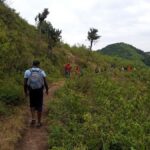
The tour starts with pickup from your Nairobi hotel at 9AM, then you step straight into the forest—either walking or cycling right away. I also like the guide-led focus on what you’re seeing, with explanations of trees, birds, and key sites along the way. A possible drawback for some people: the biking portion (there’s a 12 km trail option) and the walking distances (5, 10, or 15 km) mean you should bring comfortable shoes and be ready for a workout, even though the setting is peaceful.
In This Review
- Key highlights at a glance
- Karura Forest: Nairobi’s quiet reset button
- Pickup, bike hire, and the smooth start at 9AM
- Choosing your route: 5 km, 10 km, 15 km, and a 12 km ride
- Waterfalls, caves, and streams: the scenery beats a checklist
- Bird watching in Karura: plan for slow magic, not a ticking clock
- The historical side: Central Bank chimney, Mau-Mau caves, and Lily Lake
- How the pace actually feels: workout, but with breathing room
- What’s included, what’s not, and what that means for your wallet
- Who this is best for (and who should pick something else)
- Should you book the Karura Forest hiking and bike tour?
- FAQ
- What time does the Karura Forest tour start?
- Is bike hire included?
- What trail distances are available for walking?
- How long is the biking trail?
- Does the tour include lunch?
- Is drop-off included after the tour?
- Is the tour private?
Key highlights at a glance

- Color-coded trail lengths so you can match the route to your fitness
- Bike hire included, which keeps your day simple from the start
- Falls, caves, and streams packed into one guided outing
- Birding-friendly all year, with 350+ recorded species in the reserve
- Historic stops like the Central Bank chimney, Mau-Mau caves, and Lily Lake quarry
Karura Forest: Nairobi’s quiet reset button
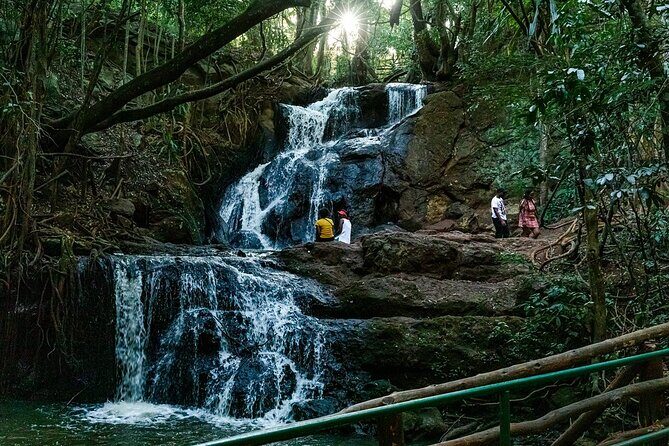
Karura Forest is one of those places where you stop thinking about traffic and start listening. In the mornings and during the day, you’ll see joggers, people walking dogs, and cyclists moving along shaded paths. It’s also used for fitness events—so even if you’re not doing anything athletic, the energy feels active in a calm way.
What makes it especially good for a tour is variety. You’re not just walking through trees. You’re moving through different types of scenery—water features like waterfalls and streams, plus caves and riparian areas (forest near water). That variety matters because it keeps the hours from feeling repetitive, and it gives your guide plenty to point out besides “look at the trees.”
And if birds are your thing, Karura is a major reason people come year-round. More than 350 bird species have been recorded here, which means you’re not relying on luck for wildlife interest. Even when bird spotting is slow, the forest still works as a relaxing break from the city.
You can also read our reviews of more cycling tours in Nairobi


Pickup, bike hire, and the smooth start at 9AM
The day begins with pickup from your Nairobi hotel at 9AM. That matters more than it sounds. In this area, getting to the forest on your own can turn into time lost and questions you don’t need. Here, you’re collected and taken in, then the experience kicks off inside the reserve.
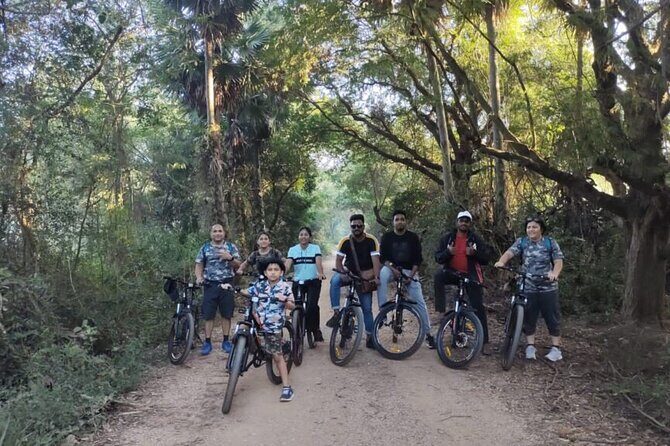
Bike hire is included, so you don’t have to shop or negotiate rentals. Once you’re in, you choose your mode: walk the trails or ride the biking route (or do a mix depending on how the group is set up). You’ll also have a professional guide with you, and the tour is set up as a private group for your party, which usually makes the experience feel more relaxed and less rushed.
One small planning tip: the tour includes pickup, but drop-off isn’t included. That doesn’t mean you’re stranded. It just means you should have a plan for how you’ll get back after the tour ends.
Choosing your route: 5 km, 10 km, 15 km, and a 12 km ride
The forest has walking trails in three main distance ranges: 15 km, 10 km, and 5 km. Those trails are clearly marked and color-coded by length. For you, that’s the practical advantage: you can select the amount of time and effort that fits your day without guessing.
If you’re pairing this with other Nairobi plans, the 5 km option is often the best fit. It gives you the core forest experience—scenery, stops, guided explanations—without turning the day into a full endurance event. If you want a stronger workout, 10 km or 15 km gives you more time to experience the deeper parts of the reserve and the shifting feel of the trails.
Cyclists get their own option too: a 12 km biking trail. If you’re choosing the bike route, it’s a nice way to cover more ground than walking, while still staying in the shade and getting that cardio move. The key is to treat it as guided cycling in a natural environment, not a race. The best moments come from slowing down at stops—waterfalls, caves, and streams are the kind of sights you don’t want to pass at speed.
For groups that include different comfort levels, a guided setup helps keep everyone together. I like that because it means you’re not making a complicated decision on the spot without guidance.
Waterfalls, caves, and streams: the scenery beats a checklist
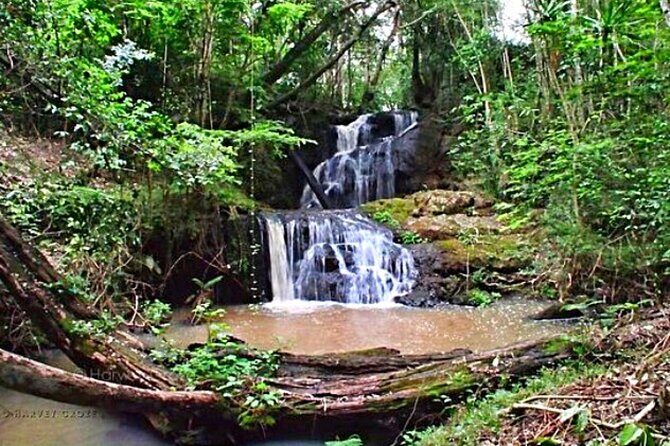
The heart of the tour is the mix of natural features. Expect to visit waterfalls, caves, and streams, and you’ll also see riparian areas—forest edges where water influences the whole environment.
Here’s why this matters for your experience: in a forest, the difference between “nice greenery” and “wow, I get it now” is often water. Water adds sound, humidity, and movement. It changes the light too. Even if you’re not a photographer, you’ll feel the difference as you move toward waterfall and stream areas.
Caves and cave-like spots add a different kind of interest. They’re dramatic without being theme-park dramatic, and they connect you to the forest’s layout rather than just the vegetation. If you enjoy wildlife, caves can be interesting too, but even if you don’t see anything specific, they break up the walk and give your guide something meaningful to explain.
A practical bonus: the trails have superb scenery and the routes are marked, so you’re not relying on guesswork. That reduces stress, and when you’re less stressed, you notice more—sounds, birds, and changes in the environment.
Bird watching in Karura: plan for slow magic, not a ticking clock
Karura being a birding paradise isn’t just a marketing line. With 350+ bird species recorded, you’re in a place where bird watching is part of the culture of the forest. You don’t need to be a serious birder to enjoy it, because your guide will explain what you might be seeing and hearing.
A good approach for you is to stop rushing toward the next landmark. Instead, give birds a chance to show up in the quiet moments. In a forest like this, the birds don’t always appear because you’re looking for them. They appear when you slow down enough to notice wing flicks, calls, and subtle movement.
If bird spotting is a priority, consider bringing binoculars if you have them. The tour already handles the guided search, but binoculars help you turn fleeting glimpses into real identification. If you don’t have binoculars, you can still enjoy the sounds and the guide’s observations.
You can also read our reviews of more hiking tours in Nairobi

The historical side: Central Bank chimney, Mau-Mau caves, and Lily Lake
Karura isn’t only nature. It also carries layered history, and the tour makes time for a few standout sites tied to Kenya’s past.
You can still see an old chimney connected to a Central Bank incinerator used in the 1990s to destroy decommissioned currency. It’s an unusual detail—one more reminder that even green spaces can hold traces of modern history.
There are also sacred caves used by Mau-Mau freedom fighters as hideouts. When you visit areas like this with a guide, the caves stop being just a cool feature of the terrain. They become places with context, and that context changes how you experience the space.
Then there’s Lily Lake, described as the site of an abandoned quarry. For me, this kind of detail is part of the value of a guided tour: it turns the forest into a story you can follow, rather than a background for exercise.
You don’t need to be a history buff to appreciate these stops. They’re spaced in a way that doesn’t hijack the day. You get nature first, history as a layer, and it all feels connected.
How the pace actually feels: workout, but with breathing room
This tour runs about 5 hours. That’s long enough to feel like you did something real, but short enough to stay enjoyable in the heat and humidity you might face around Nairobi.
Walking distances give you control. If you’re aiming for a light day, choose the shorter route. If you want to earn a good meal afterward, go longer or choose the biking trail. Either way, the tour includes plenty of places to pause. There are numerous picnic benches inside the reserve, which is great for catching your breath and cooling off when the group stops.
One of the best parts for families and friend groups is how flexible Karura can be. You can talk while walking. You can slow down for photos without feeling like you ruined someone’s timing. The forest also supports different activities happening at once, so the environment feels lived-in rather than staged.
What’s included, what’s not, and what that means for your wallet
At $100 per person for about five hours, the value depends on what you’d otherwise pay to get in, rent equipment, and hire a guide.
Here’s what’s included:
- Complimentary pickup
- Professional guide
- Bike hire
- Entrance fees
- Guide fee
What’s not included:
- Lunch
- Drop off
If you were doing this independently, you’d likely pay for a guide if you want meaningful explanations, and you’d also need entry access. Bike hire can add up too. So in practical terms, your money goes to removing friction: transportation to the reserve, guidance, and equipment. That’s a smart way to spend your time—because the forest is the attraction, not logistics.
For your planning, the two gaps are simple:
- Bring or buy lunch separately (the tour doesn’t provide it).
- Arrange your return since drop-off isn’t included.
If you’re the type who likes to travel light, plan to pack snacks and water. You’ll thank yourself when the group is taking scenic pauses.
Who this is best for (and who should pick something else)
This tour works well for friends and families, especially if you want a half-day outing that feels natural and active. The guided nature focus helps people who don’t know much about birds or forest features still enjoy the day. The biking option also makes it more fun for people who don’t want to spend every minute on foot.
It’s also a solid choice if you’re traveling with a mixed group—some people might prefer the 5 km walk while others ride or choose longer trails. The color-coded routes help you keep the day organized.
If you’re very sensitive to physical effort, choose the shorter walking distance. If you want a bigger challenge, aim for the 15 km route or focus on the biking trail. Since “most travelers can participate,” the main limiter is your comfort with walking and cycling distances, not something like complicated stairs or technical terrain.
Should you book the Karura Forest hiking and bike tour?
I’d book it if you want a guided Nairobi nature day that’s both peaceful and practical. The biggest reasons are the clearly marked trail system, the mix of waterfalls, caves, and streams, and the fact that bike hire and entry are already included. It’s the kind of outing where you get exercise without feeling like you’re doing chores.
I’d think twice if you hate planning for food and transport at the end of an outing. Since lunch and drop-off aren’t included, make sure you can handle that last mile and keep yourself fueled.
If you want an active break in the middle of Nairobi—where you can also learn something about trees, birds, and the forest’s history—this tour is a strong choice.
FAQ
What time does the Karura Forest tour start?
Pickup from your Nairobi hotel starts at 9AM, and the tour runs for about 5 hours.
Is bike hire included?
Yes. Bike hire is included, along with a professional guide and entrance fees.
What trail distances are available for walking?
The walking trails come in 5 km, 10 km, and 15 km options, and they are color-coded by length.
How long is the biking trail?
There is a 12 km biking trail option in the forest.
Does the tour include lunch?
No. Lunch is not included, so you’ll need to plan your own meal or snacks.
Is drop-off included after the tour?
No. Drop off isn’t included, so arrange your way back after the experience ends.
Is the tour private?
Yes. It’s listed as a private tour/activity, meaning only your group participates.