REVIEW · NAIROBI
5 Days Mt. Kenya Sirimon route out Chogoria Route with Peak Circuit
Book on Viator →Operated by Arch Treks & Safaris · Bookable on Viator
Five days on Mt. Kenya changes you. This private trek walks you up the high, rugged heart of the mountain, hitting Lenana (4,985m) and coming down the Chogoria side, with camping support and English-speaking guides. It’s the kind of trip where the schedule matters, because altitude is the real boss.
I especially like the hands-on guide and porter setup. Past teams have included guides like David and Richard, and cooks such as John and George, which shows up as strong, steady camp support. I also like that meals and camp essentials are handled for you, so you can focus on hiking instead of hauling.
One drawback to plan for: early mornings and big altitude swings. Day 4 starts with an ultra-early summit push (around 04:30), and the trek includes a long, steep-feeling descent to Chogoria Meru Bandas, so you’ll want solid fitness and good weather.
In This Review
- Key things that make this Mt. Kenya trip worth it
- First day: Nairobi to Old Moses (Sirimon side) through the rain forest
- Day 2: Old Moses to Shipton’s Camp across moorland and river crossings
- Day 3: Peak Circuit acclimatization toward the Austrian Hut (4,790m)
- Day 4: Lenana summit at sunrise, then the big descent to Chogoria Meru Bandas (2,800m)
- Day 5: Chogoria Bandas to Nairobi with a bamboo forest finish
- Guides, porters, and camp setup: what you’re really paying for at $960
- Who this Mt. Kenya route suits best (and who should think twice)
- A practical packing mindset (so you don’t over-carry)
- Should you book this Mt. Kenya Sirimon–Chogoria Peak Circuit?
- FAQ
- What time does the trek start?
- Where does the hike begin after Nairobi?
- Which peak do you summit?
- Which routes are included?
- How long is the trek?
- What kind of accommodation do you get on the mountain?
- How many meals are included?
- Is airport or city-hotel support included?
- What’s not included in the price?
- What happens if weather is bad?
Key things that make this Mt. Kenya trip worth it
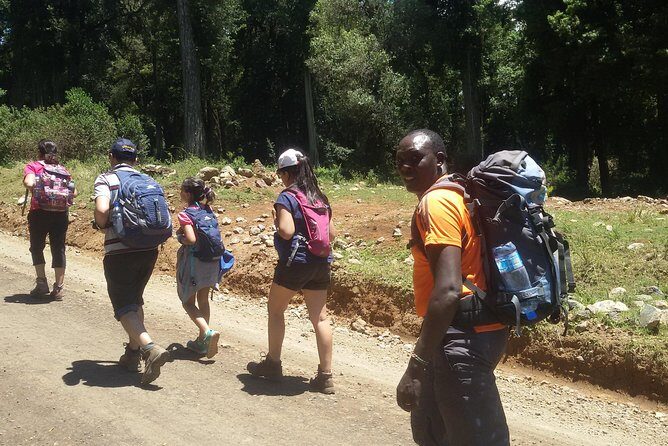
- A true summit goal: Point Lenana at 4,985m, with a dawn photo moment
- Peak Circuit acclimatization: you gain altitude in smart stages before the summit day
- Pack-light support: meals plus camping gear like tents and mats are included
- Private, guide-led pacing: you hike as a group limited to your own party
- Strong camp team track record: guides and cooks (like David, Richard, John, George) are repeatedly praised
First day: Nairobi to Old Moses (Sirimon side) through the rain forest
You start in Nairobi at 06:30am with private transport to Nanyuki. The drive is timed so you reach Nanyuki around 10:00am, meet your guide, and link up with the cook and porters before heading out again at about 10:30am to Sirimon Gate (2,650m).
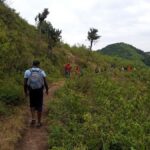
From there, you hike into the rain forest toward Old Moses Camp (3,300m). It’s a manageable on-ramp: about 9km and roughly 3 hours. You’ll also stop for a picnic lunch along the way. If conditions are right, you might even spot big game in the park area, with possibilities mentioned such as buffalo, elephant, and water bucks.
What I like here is the pacing. You’re not immediately grinding uphill at full altitude. You’re moving steadily, and then you get a chance to acclimatize after you arrive—there’s even a short optional walk (about 1 hour) around 16:00 to help your body settle.
Practical note: plan for damp trail conditions. Rain forest hiking often means wet ground and foggy visibility, so trekking shoes and dry layers matter.
A few more Nairobi tours and experiences worth a look
Day 2: Old Moses to Shipton’s Camp across moorland and river crossings
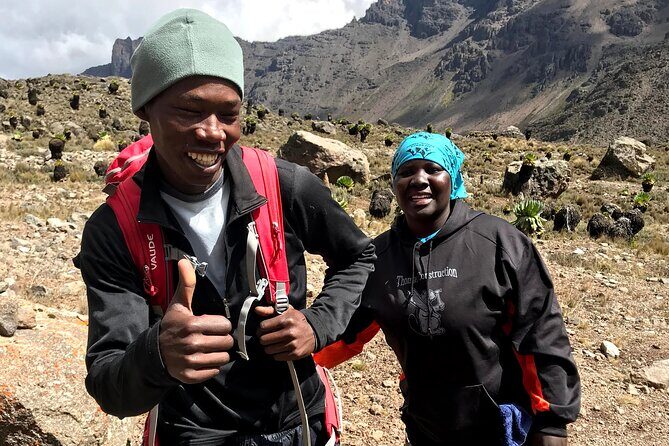
After breakfast, the hike shifts from forest to higher moorland terrain. The route crosses the Ontulili River, then continues through moorland sections, including additional river crossings like Liki North River, before climbing toward Mackinders Valley and opening up valley views.
You arrive at Shipton’s Camp (4,200m) after a longer day: about 16km and around 6 hours. This is one of your key acclimatization steps because you’re gaining elevation at a pace that your guide can manage.
You’ll also get lunch served during the hike. The most important thing isn’t the distance on paper—it’s how your body reacts at 4,000m-plus. This day is where you want to keep your effort smooth, not rushed.
Why this day matters: you’re setting up tomorrow’s Peak Circuit. If you go too fast today, Day 3 and the summit day can feel harder than they should.
Day 3: Peak Circuit acclimatization toward the Austrian Hut (4,790m)
This is the day most people underestimate, because it’s not yet the summit. But it’s built for one job: help you handle altitude so the summit day doesn’t turn into a survival test.
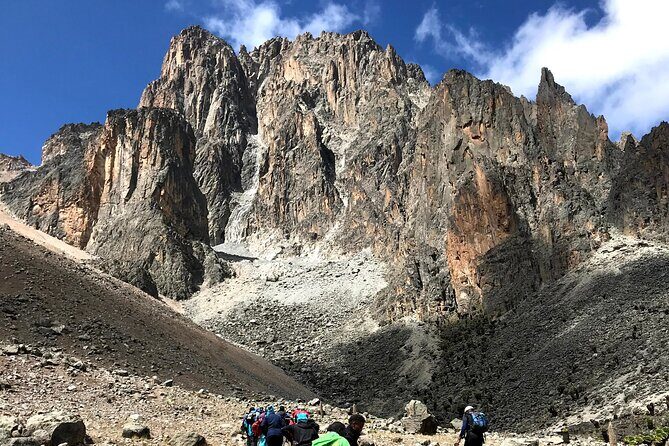
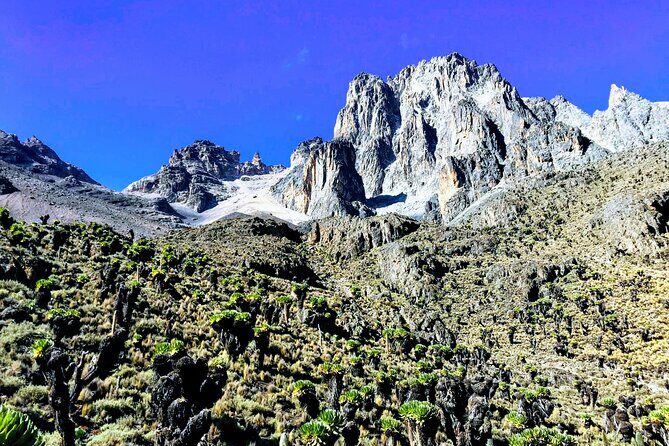
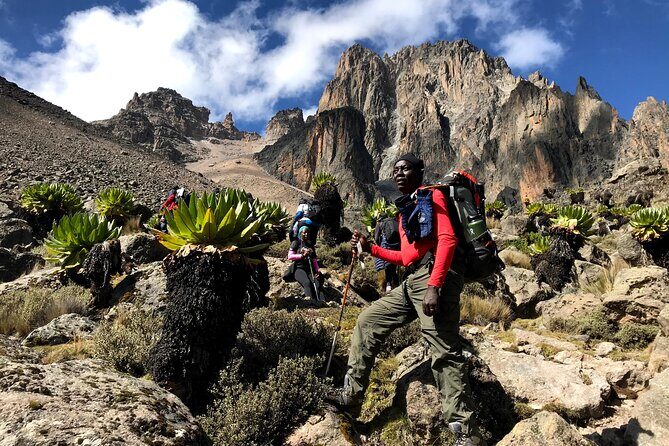
You start from Shipton’s Camp with an acclimatization climb along the Peak Circuit. The trail heads toward Kami Camp below the north face of Batian, then continues southwest, climbing toward a ridge area around 4,600m. Expect scree (loose rocky sections), and then you reach Hausberg col (about 4,590m).
From there you descend into the upper Hausberg valley and rest at the Hausberg tarns (described as oblong and Hausberg tarns). The route then climbs again to the crest of a ridge known as Arthur’s Seat. In clear conditions, you may see landmarks like Mackinders Teleki Lodge in the distance as you travel along rock ledge sections.
By the end of the day, you’re in the Austrian Hut zone at around 4,790m.
What I like: this kind of day is what turns a summit hike into a realistic hike. You’re training your body with gradual altitude changes, not just jumping straight to summit efforts.
What to watch: scree can tire your legs fast. Trekking poles help if you use them, and your guide’s pacing is crucial here.
Day 4: Lenana summit at sunrise, then the big descent to Chogoria Meru Bandas (2,800m)
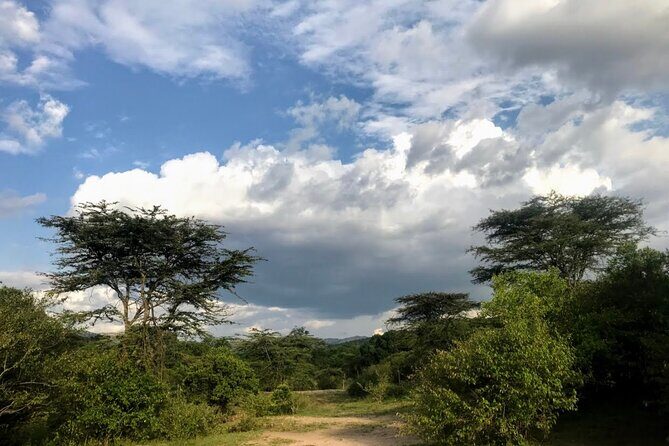
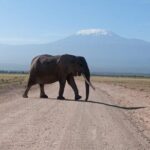
Day 4 is the star. You wake early at about 04:30 with tea and biscuits, then set off for the summit attempt toward Point Lenana (4,985m). The idea is to catch sunrise photos from the top, with a chance—weather dependent—to see Mt. Kilimanjaro’s Kibo and Mawenzi peaks from the Lenana viewpoint.
Once you reach the summit, you descend to Mintos Hut for full breakfast. That part matters more than it sounds: after hours in cold air, you need fuel and warmth before you drop farther.
After breakfast, you continue descent to Chogoria Meru Bandas (2,800m). This is still a full hiking day: about 8 hours and roughly 24km total, with about 195m ascent and around 2,085m descent.
On the way down, your route passes key view points where you might spot things like Lake Ellis, Mugi hills, Vivien Falls, and the Giant Billiards table in the distance. You’re moving from alpine summit altitude back toward greener zones, and the change in air and footing can feel dramatic.
My advice for the summit morning: treat the first 20–30 minutes as a warm-up. The early cold makes people speed up once they feel steady, but that’s usually when breathing gets harder.
Day 5: Chogoria Bandas to Nairobi with a bamboo forest finish
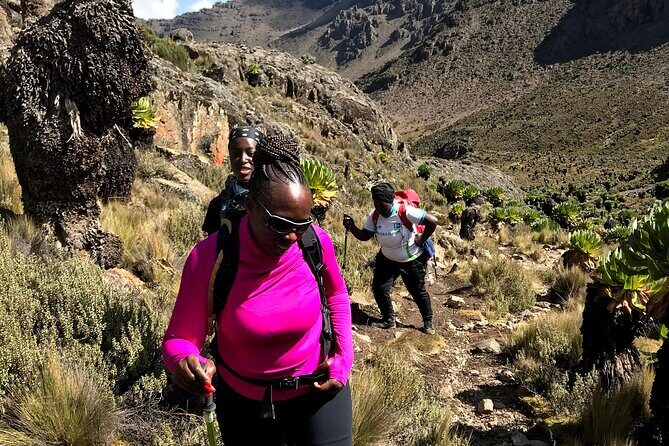
Your last morning starts with breakfast at Chogoria Bandas and then a downhill walk of about 10km through a bamboo forest. It’s a calmer way to end—less altitude pressure and more “we’re getting you home” energy.
After the walk, private transport picks you up at Chogoria. You’ll say farewell to the porters, then drive back to Nairobi, arriving around 3:00pm. Overnight accommodation in Nairobi isn’t included, but the operator can arrange it if you want.
What I like about the end plan: you’re not left waiting with no plan. The descent finishes into transport, so you don’t have to solve logistics after a hard day.

Guides, porters, and camp setup: what you’re really paying for at $960
The price is $960 per person for the 5-day mountain portion, and the value is mostly in the infrastructure that prevents you from carrying everything.
Here’s what’s included:
- Private transportation tied to the trek flow (Nairobi → Nanyuki → Sirimon Gate, plus the return)
- All fees and taxes
- Camping gear such as tents and mats
- Porter support for the climb
- English-speaking mountain guides
- Meals across the trek: 4 dinners, 5 breakfasts, and 5 lunches
- 5 days of on-the-mountain service and operations
What’s not included:
- Tips for guides and porters
- Nairobi accommodation before and after
- Personal clothing and equipment (you get an equipment list on request)
To me, the best value isn’t just the summit goal. It’s that you get a functioning team: guides you can ask questions to, porters who handle the heavy lifting, and cooks who keep meals consistent. That’s exactly what shows up in client feedback praising guides and the cooking team (including David, Richard, John, and George).
Also, note the “book about 21 days in advance” average. That’s a good sign this route is popular enough to plan ahead, especially if you want your dates to line up with good weather.
Who this Mt. Kenya route suits best (and who should think twice)
This trip fits best if you:
- Want a private experience with a dedicated guide team
- Are comfortable with camping-style trekking and cold nights at altitude
- Have moderate physical fitness and can handle early mornings
- Like guided route clarity, especially through acclimatization days
You might want to reconsider if you:
- Prefer a softer pace with minimal early starts
- Struggle with high-altitude effort, even if you’re an experienced hiker
- Get nervous about steep descents on a long final summit day
It’s also worth saying plainly: the trip requires good weather. If conditions are poor, the operator may offer a different date or a full refund.
A practical packing mindset (so you don’t over-carry)
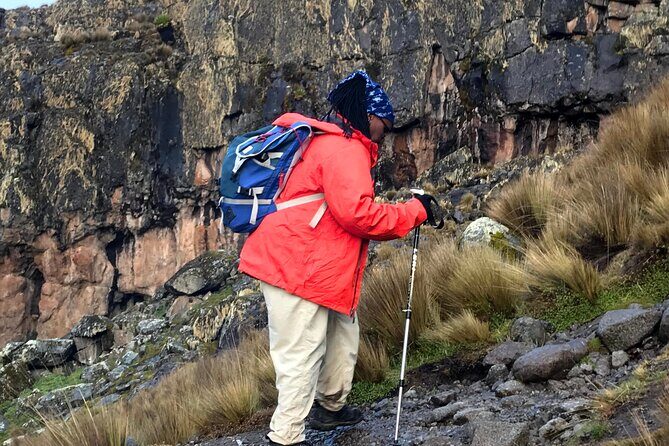
The big win is that you’re not responsible for tents, mats, or your main food supply. That lets you focus your pack on personal clothing and safety items.
Since the exact equipment list isn’t provided here, keep this general rule: pack for cold and wet at high altitude. Day 4 starts in darkness and cold, and the moorland/scree days can wear you out if you’re underprepared.
If you’re unsure what to bring, request the operator’s equipment list and cross-check it against your own hiking gear. Personal clothing is not included, so you’ll want the list.
Should you book this Mt. Kenya Sirimon–Chogoria Peak Circuit?
If you’re serious about hiking to Lenana (4,985m) and you want the support system that makes it possible—English-speaking guides, porter help, camping gear, and full meal coverage—this is a strong option. The route flow also feels practical: Sirimon up, acclimatization via Peak Circuit, summit at dawn, then a Chogoria descent that ends with transport back to Nairobi.
I’d book it if you like structured days with clear pacing and you’re okay with cold mornings and a big descent day. I’d pause if you’re aiming for a light, low-pressure hike or if your schedule can’t flex with weather.
If you want a once-in-a-lifetime Kenyan summit with real team support and a route that’s designed for altitude success, this is the kind of trip that delivers.
FAQ
What time does the trek start?
Pickup is timed so you leave Nairobi at 06:30am.
Where does the hike begin after Nairobi?
After Nairobi, the group drives to Nanyuki (around 10:00am), then continues to Sirimon Gate at about 10:30am.
Which peak do you summit?
The summit goal is Point Lenana at 4,985 meters.
Which routes are included?
You hike up via the Sirimon side and come down toward Chogoria, with a Peak Circuit acclimatization day.
How long is the trek?
It’s a 5-day trekking and camping experience (about 5 days).
What kind of accommodation do you get on the mountain?
You camp on the mountain, including tents and mats. Old Moses is inside the park.
How many meals are included?
Meals include 5 breakfasts, 5 lunches, and 4 dinners.
Is airport or city-hotel support included?
Private transportation is included for the trek movements, but accommodation in Nairobi before and after the trip is not included (though it can be arranged).
What’s not included in the price?
Tips to guides and porters, plus personal clothing and equipment, and Nairobi accommodation before/after.
What happens if weather is bad?
The experience requires good weather. If it’s canceled due to poor weather, you’ll be offered a different date or a full refund.