REVIEW · NAIROBI
Nairobi Food Tour – Street Food Experience Lunch
Book on Viator →Operated by Expedition Happy Hour · Bookable on Viator
Nairobi street food is the main event, and this private 5-hour lunch turns wandering into a guided feast. I like that you get plenty of food, including Swahili standbys like nyama choma and ugali. I also like the mix of famous and off-the-beaten-path eateries, so you eat like a local rather than checking boxes.
The main drawback is simple: this is street-level eating, so if you get squeamish fast or want a super-polished dining room, you’ll need to adjust expectations. You’ll also be eating a full meal’s worth in one block of time, so don’t plan a second big dinner right after.
You’ll do it with a private group and the comfort of hotel pickup and drop-off. In guides named from past tours, people remember hosts like Faith and Benson, plus Simon, for making the food and culture feel practical, not like a lecture.
In This Review
- Key things I’d focus on before you book
- How a private 5-hour Nairobi street food tour really feels
- Swahili favorites you’ll actually eat: ugali, kachumbari, and the classics
- Grilling time: nyama choma, kuku choma, and local greens
- Soups, chapati, and why Indian influence shows up in Kenya
- Madafu and the samaki finish: ending your meal on a note
- What the guide changes: Faith, Benson, and Simon-style street food explanations
- Price and value: does $163 per person make sense?
- Who should book (and who should think twice)
- Should you book this Nairobi street food lunch tour?
- FAQ
- How long is the Nairobi Food Tour – Street Food Experience Lunch?
- Is hotel pickup and drop-off included?
- What food is included in the lunch or dinner?
- Is bottled water included?
- Is this tour private?
- How far in advance is it usually booked?
- Can I cancel and get a full refund?
Key things I’d focus on before you book
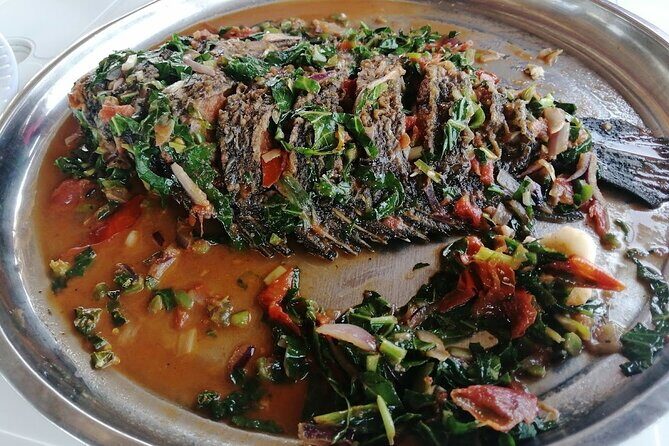
- A real lunch, not snack-size tasting: you’ll leave full, and a review note that an empty stomach helps a lot
- Multiple stops, including lesser-known spots: you get both comfort-food staples and everyday favorites
- Swahili cooking plus Kenyan everyday staples: the menu centers on dishes locals actually eat
- Grilled options are a feature: you’ll have chances for nyama choma and kuku choma
- A guide who connects food to culture: guides like Faith and Benson, and Simon, come up often for their approach
- One bottled water per person: good to know if you’re the type who wants extras
How a private 5-hour Nairobi street food tour really feels
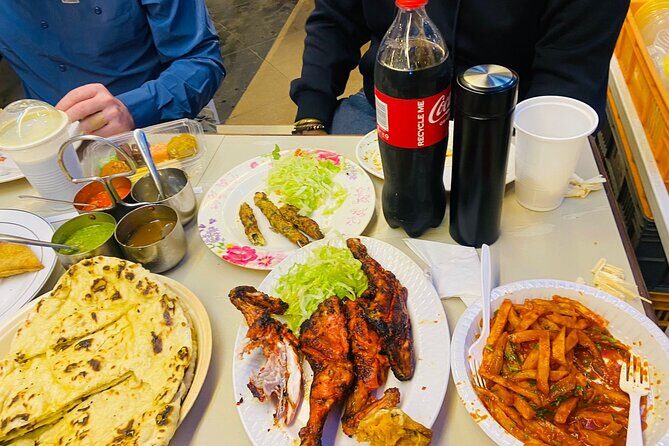
This is built for people who want Nairobi food without the stress of figuring out where to go. You get hotel pickup and drop-off, so you’re not burning time in transit or hunting for directions between spots. The tour runs about 5 hours, which is long enough to feel like a full meal experience, not a quick hit.
The “private” part matters more than it sounds. You’re exclusive to your group, so you can ask questions as you go, pause if something smells too strong for your taste, or take your time between tastings. That’s the difference between eating on your own and eating with a plan.
There’s also a practical rhythm to this kind of street food tour. You’re moving between several local food establishments, which keeps things varied and makes the meal feel like a story, not a single restaurant. And yes, a mobile ticket is part of the setup, which usually means less hassle on the day.
You can also read our reviews of more food & drink experiences in Nairobi
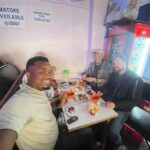
Swahili favorites you’ll actually eat: ugali, kachumbari, and the classics
The heart of the tour is classic Swahili cooking paired with everyday Kenyan food. Your list includes ugali, kachumbari, and a range of other dishes that locals love. Ugali is specifically described as maize meal, and kachumbari is tomato and onion salad—so even before you taste, you know the flavor direction.
I like tours that don’t treat these dishes like museum pieces. Here, the point is to taste them in context, as part of a real meal you’d recognize from everyday Nairobi life. Ugali brings the filling backbone. Kachumbari gives a fresh counterpoint with tomato and onion. Together, that’s a smart combo for street food because it balances heavy and bright.
You’ll also see the tour working hard to include more than one “style” of eating. Along with ugali and kachumbari, you’ll try mukimo, chapati, mboga za kienyeji, soups, and other items as specified. That matters because it reduces the odds you’ll only like one type of dish and feel stuck for the rest of the tour.
One more detail from the experience description that you should take seriously: you’re not just getting the obvious hits. The whole pitch is that you’ll go to well known spots plus lesser-known places where locals actually eat. In a city with thousands of food options, that planning is a big part of the value.
Grilling time: nyama choma, kuku choma, and local greens
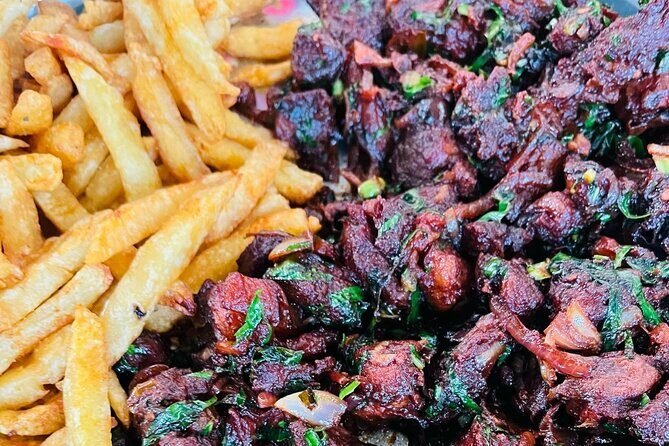
Grilled food is a major draw here, and it’s not subtle. You’ll sample nyama choma, which is grilled goat meat, and also kuku choma, which is grilled chicken. If you’re a meat lover, this is the part you’ll remember.
There’s a reason charcoal-style grilling fits street food tours so well. It’s fast, it’s fragrant, and it’s easy to serve in small portions without turning the meal into a slow sit-down service. For your stomach, it can be a lot at once, though—so if you’re sensitive to smoke, go slow and pace your tastings.
Mboga za kienyeji (local vegetables) is another highlight worth paying attention to. It signals that the tour isn’t built only around meat and carbs. Mixing in greens helps you avoid the “everything tastes the same” problem that can happen when menus are all grilled and starchy. It also makes the meal feel more like how locals eat day to day, not like a themed tasting menu.
One thing I’d call out as a consideration: street food can be a little intense for some people. A negative comment in the feedback mentions needing intestinal fortitude. I can’t promise how your body will react, but I can say the safest move is to come hungry, but not reckless—pace yourself, drink what’s provided, and don’t push through discomfort for the sake of finishing every bite.
Soups, chapati, and why Indian influence shows up in Kenya

You’ll get soups and chapati as part of the tasting mix. Soups are a useful inclusion on a street food tour because they soften the meal’s texture and can make the heavier dishes easier to handle. If you’ve ever done a food crawl where everything was crunchy or grilled, you know why that balance matters.
Chapati shows up too, and one review specifically notes an Indian food influence with a Kenyan touch. That’s not surprising in East Africa, but it’s good that the tour includes something that reflects that cultural overlap. It gives you another flavor style beyond the Swahili-meets-grill route—something more layered than just meat and maize.
Mboga za kienyeji and soups also help you learn something subtle about local food culture: variety isn’t a luxury here. It’s normal. You’ll taste different categories of food in one outing, which makes it easier to understand how people build a meal without overthinking it.
If you’re worried about not finding your favorites, this section is your insurance. Even if grilled meat isn’t your thing, the tour includes multiple alternatives and side dishes, plus salads and soups that can keep you comfortable while still moving through the full experience.
Madafu and the samaki finish: ending your meal on a note
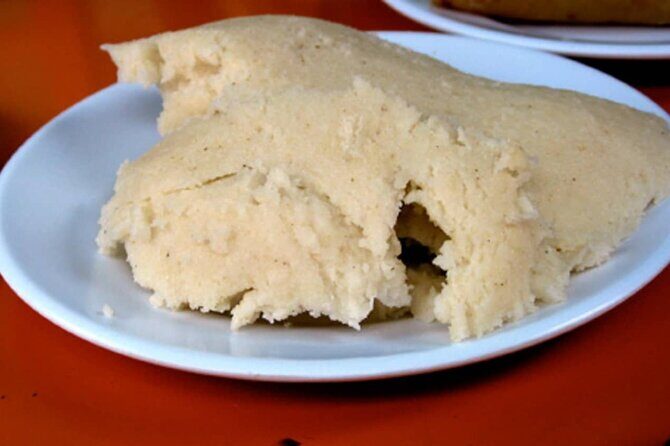
The tour doesn’t stop at savory. You’ll finish with madafu and a samaki course as part of the overall tasting plan. Madafu is listed as included, and the meal description points to it as a final stop-worthy treat.
I like that the tour builds to the end instead of dumping everything at once. Sweet or refreshing finishing items can turn a “food slog” into a satisfying conclusion. If you’ve got a sweet tooth, this is likely the moment you’ll feel grateful you didn’t overpack the first half.
The samaki course is called out as the final component too. I can’t tell you more detail than what’s listed, but I can tell you why tours like this often treat seafood or fish as the closer: it gives a different taste profile right when you’re ready to wrap up.
Practical advice: if you have dietary restrictions related to fish or seafood, you should ask the operator before booking. The only confirmed thing you can rely on is that samaki is included as part of the experience plan.






What the guide changes: Faith, Benson, and Simon-style street food explanations
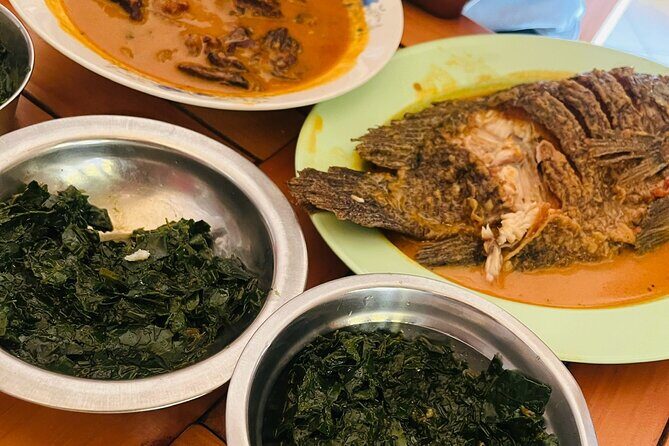
The guide is the difference between eating randomly and eating with intention. The tour is hosted by a local guide who takes you to the spots, explains what you’re trying, and helps you understand the culture behind the food.
In the feedback, guides named Faith and Benson come up for making the experience special and memorable—especially for big moments like birthdays. Simon also gets repeated praise for a setup that felt both fun and informative, without turning the outing into a classroom. That lines up with what you want from a food tour: context that helps you taste better.
Look for guides who do two things well:
- They help you understand the role of each dish in everyday Kenyan meals.
- They keep the pace comfortable while still getting you to multiple establishments.
This tour’s design leans on that second point. You’re eating across several spots in roughly five hours. Without a guide, that’s hard to do well. With a guide, you can focus on the food rather than logistics.
Price and value: does $163 per person make sense?
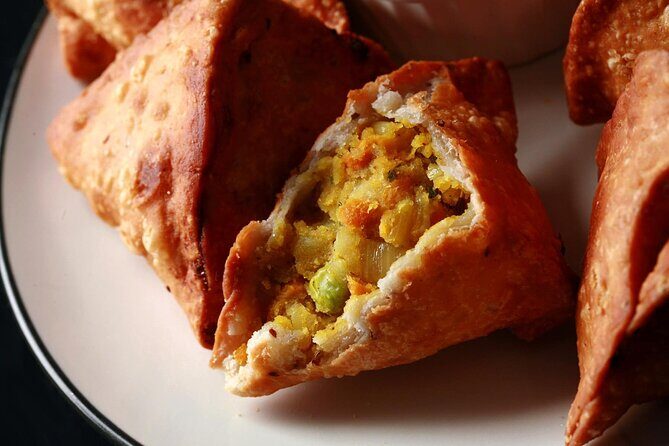
At $163 per person, this isn’t the cheapest way to eat in Nairobi. The value is in what you’re buying: a private guided experience with hotel transfers, a full lunch or dinner, and tastings across a range of included dishes.
So what are you really getting for the price?
- One full meal included: ugali, mukimo, chapati, nyama choma or kuku choma, samaki, plus other specified items
- Hotel pickup and drop-off: that’s time saved and less stress
- Bottled water: one per person, which matters if you’d otherwise scramble for drinks
- A guide and multiple stops: planning and local navigation are part of the cost
If you love street food, this kind of “all-in” setup often feels like good value because you’re not paying separately at every stop. If you compare it to a one-time restaurant dinner, it can seem expensive, and one negative note mentions that comparison directly.
Here’s how I’d decide. Ask yourself if you want:
- A guided meal that also acts like a local food map for your future Nairobi days, or
- Just a place to eat today with no structured route.
If you want the route and the cultural context, $163 stops feeling outrageous. If you mainly want to eat and you’re comfortable picking places on your own, you may feel it’s overpriced.
Who should book (and who should think twice)
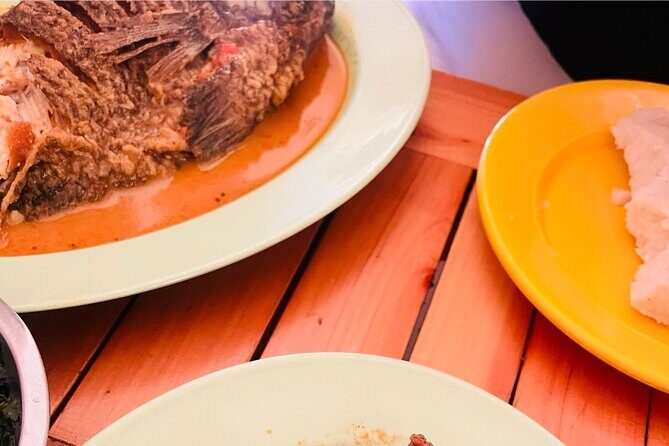
This tour is a strong match for you if you want an authentic Nairobi meal and you like learning by eating. It also fits well if you’re traveling with a small group that wants a private experience rather than a large crowd.
It’s especially good for:
- People who enjoy grilled meat and Swahili staples
- Anyone who wants a full meal’s worth of tastings, not tiny samples
- Food-focused travelers who appreciate off-the-beaten-track stops
- Birthdays or special dates, since guides like Faith and Benson have been called out for making it feel personal
Think twice if you:
- Dislike street-level dining setups and want a very controlled atmosphere
- Have a sensitive stomach and know you react to new foods or smoky grilling
- Are only interested in one type of cuisine and might not enjoy the mix
The overall tone from the high ratings is clear: come hungry, expect a lot of food, and treat it like a meal, not a snack run.
Should you book this Nairobi street food lunch tour?
Book it if you want Nairobi food in a practical, guided format and you’re excited to eat Swahili classics alongside local favorites. This is the kind of tour that can replace “guessing” with a real plan: pickup, a guide, multiple food stops, and a full lunch or dinner that includes grilled dishes, salads, soups, and a finish with madafu and samaki.
Skip it if you hate the idea of street-level dining, know you’re picky about grilled flavors, or you’re looking for a calm sit-down restaurant experience. And if you have dietary restrictions (especially around fish), message the operator in advance so you don’t show up and find out the included samaki course isn’t workable for you.
If you do book, you’ll likely get the best experience by doing what the positive feedback keeps hinting at: show up with an empty stomach and a relaxed mindset.
FAQ
How long is the Nairobi Food Tour – Street Food Experience Lunch?
The tour lasts about 5 hours.
Is hotel pickup and drop-off included?
Yes. Pickup and drop-off in Nairobi are included.
What food is included in the lunch or dinner?
The included dishes include ugali, mukimo, chapati, nyama choma or kuku choma, samaki, kachumbari, soups, madafu, mboga za kienyeji, and other specified items.
Is bottled water included?
Yes. You get 1 bottled water per person.
Is this tour private?
Yes. It’s private, so only your group participates.
How far in advance is it usually booked?
On average, it’s booked 48 days in advance.
Can I cancel and get a full refund?
Yes. Free cancellation is available up to 24 hours in advance for a full refund.