REVIEW · NAIROBI
Giraffe Centre, Elephant Orphanage, National Museum & Beads Center
Book on Viator →Operated by Gracepatt Ecotours Kenya · Bookable on Viator
Nairobi can fit a lot into one day. This guided tour strings together Giraffe Centre encounters, elephant rescue work, and real local crafts, plus a stop at Kenya’s national museum. You’ll go with a driver and guide, not on your own luck.
I love the up-close giraffe moment at the elevated feeding platform, where you can hand-feed and watch the Rothschild giraffes come right up for pellets. I also love the chance to see the David Sheldrick Elephant Orphanage, where rehabilitation staff care for orphaned elephant calves and you learn what the rescue work actually looks like.
One catch: you’ll need to budget an extra $45 per person for the Nairobi National Park area tied to the orphanage visit, even though several entry tickets are included.
In This Review
- Key things to know before you go
- A Nairobi Wildlife-and-Culture Day That Moves, But Makes Sense
- Giraffe Centre: Hand-Feeding Rothschild Giraffes From an Elevated Platform
- David Sheldrick Elephant Orphanage: Rehabilitation Work and Up-Close Calf Moments
- Kazuri Beads Workshop: Seeing How Clay Becomes Wearable Art
- Nairobi National Museum: One Guided Hour That Helps You Read the City
- Snake Park: Reptile Viewing as the Light-Contrast Stop
- Price and Value: What the $115 Covers and What Can Cost Extra
- Getting the Timing Right: An 8:00am Start With Hour-Long Blocks
- Guides Make a Real Difference (Especially at the Orphanage)
- Who This Tour Is Best For
- Should You Book This Nairobi Day Tour?
- FAQ
- What’s the tour start time?
- How long does the tour last?
- Is hotel pickup and drop-off included?
- Are admission tickets included?
- Is lunch included?
- Is there an extra fee for Nairobi National Park?
- Does the tour include Snake Park?
- Is there a cancellation option if plans change?
Key things to know before you go
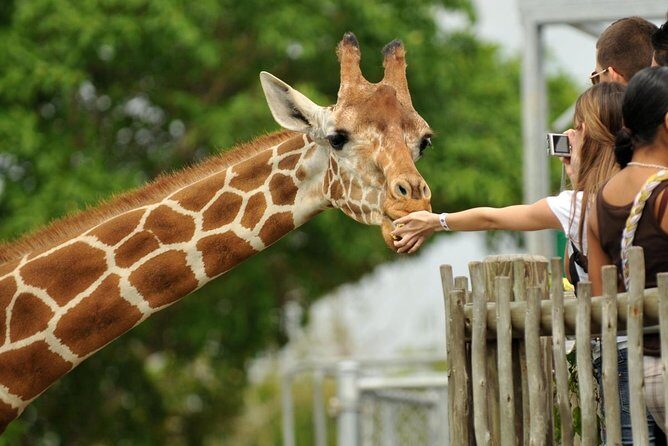
- Face-to-face giraffe feeding from an elevated platform at the Giraffe Centre, with pellets provided for hand-feeding.
- Elephant calf time at the Sheldrick site focused on rehabilitation, not a quick photo stop.
- Kazuri beads from start to finish at a workshop where you see how the pottery-and-bead process works.
- A guided museum hour in Nairobi so you know what you’re looking at when you walk through the National Museum.
- A full Nairobi mix: wildlife, culture, craft-making, and reptile viewing in one day.
A Nairobi Wildlife-and-Culture Day That Moves, But Makes Sense
This is the kind of day trip I like for first-timers: you get wildlife, then you pivot to Kenyan culture and making things by hand. The big win is convenience. Your day starts with hotel pickup and you’re back after a packed run of stops.
The schedule is built around short, focused visits—about an hour at the main ticketed places. That can feel fast, but it’s also how you squeeze in multiple highlights without spending your whole day stuck in one location.
The tour also works well if you’re not trying to plan five separate tickets. You’ll have admission included for the Giraffe Centre, the elephant orphanage, and the Nairobi National Museum, plus guided time at the museum.
You can also read our reviews of more museum experiences in Nairobi



Giraffe Centre: Hand-Feeding Rothschild Giraffes From an Elevated Platform
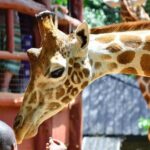
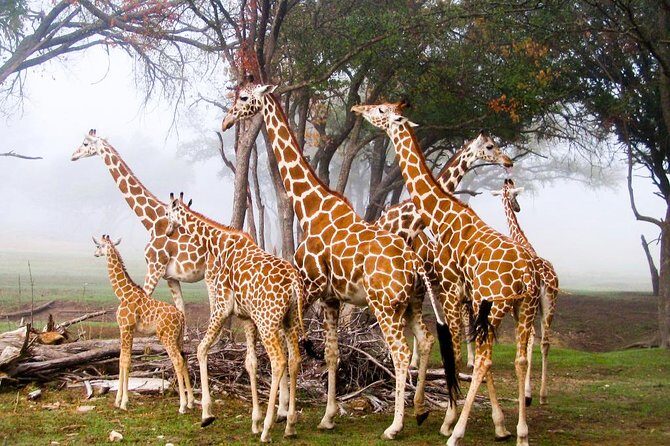
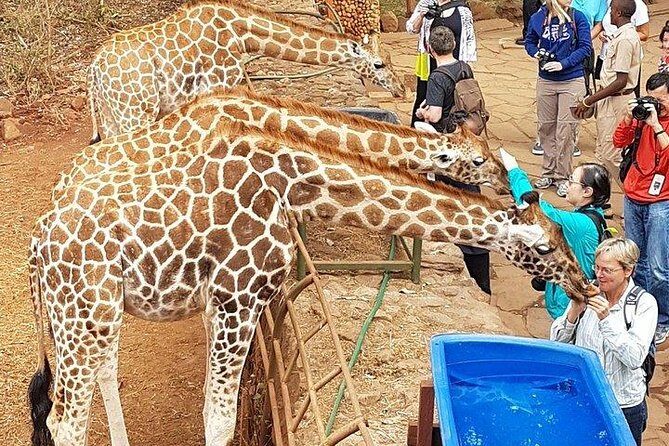
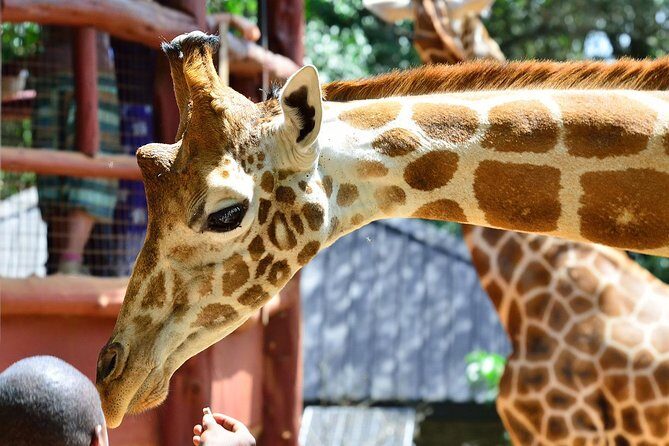
Your morning begins at the Giraffe Centre, set up as a treetop-feeling viewing area with a feeding platform. The best part here is the direct interaction. You can hand-feed the giraffes, and the setup is designed so you’re close without needing anything beyond the pellets provided at the platform.
If you care about the conservation angle, you’ll also get a briefing from a resident expert about the work being done for the endangered Rothschild giraffe. That matters because it turns the experience from a simple attraction into something with a real mission behind it.
Practical tips for this stop:
- Bring your eyes and your camera. The feeding platform gives you repeated chances as giraffes cycle in and out.
- Go in expecting dust and closeness. You’re right there with them, so keep a firm grip on your phone and bag.
- Wear something comfortable for standing and moving around the platform area.
Potential drawback: because you’re up close, it can be a bit sensory—noise, activity, and lots of movement around you. If you prefer quiet wildlife viewing, you might find it intense for about an hour.
David Sheldrick Elephant Orphanage: Rehabilitation Work and Up-Close Calf Moments
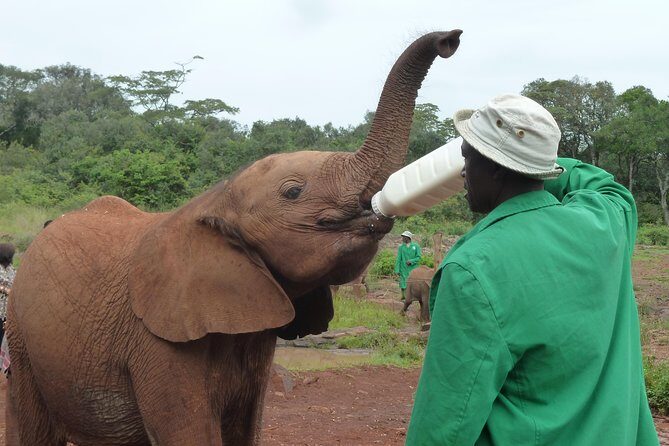
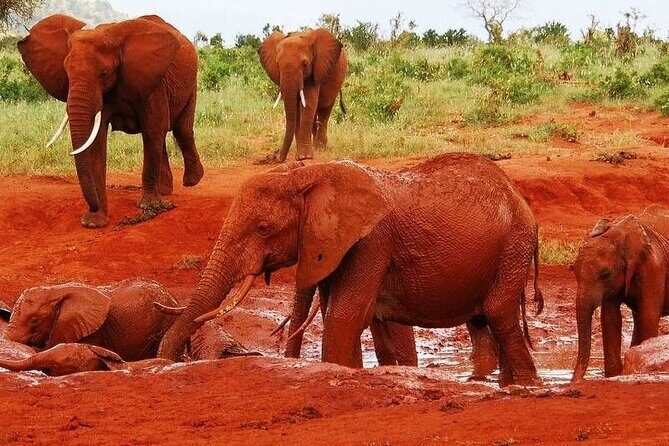
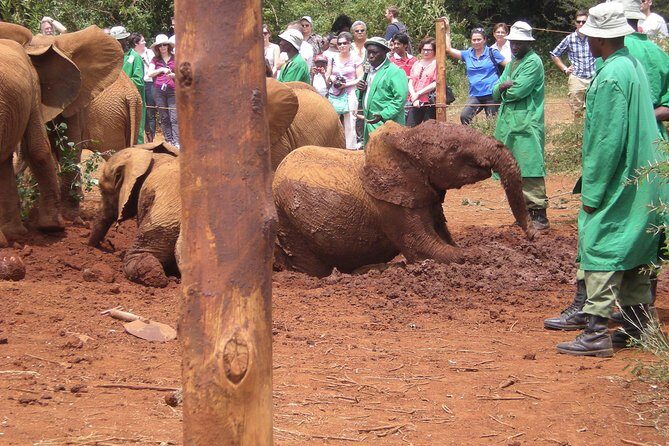
Next comes the David Sheldrick Elephant Orphanage, one of the most well-known elephant rescue efforts around Nairobi. Here, you’ll spend time with elephant calves and learn how the rehabilitation process works when elephants lose their mothers.
This stop is special because it’s not just a viewing experience. You’re essentially getting a guided look at a rescue home—elephants that came in due to poaching, injury, getting lost in the wild, or other tragedies. Seeing calves in a care setting makes the mission feel real, not abstract.
Timing-wise, you’ll get about an hour on site, so the goal is to watch and learn without rushing you through. I’d treat this stop like the emotional center of the day—slow down a touch, listen to the explanation, and don’t just chase photos.
Guide tip from experience: guides can make a big difference here. In real-life bookings with this operator, I’ve seen people highlight drivers who helped them get the best viewing spots. If you’re lucky enough to have Kelvin, Francis, Patrick, or Stephen, you can ask them to position you well so you’re not stuck at the least interesting angle.
Kazuri Beads Workshop: Seeing How Clay Becomes Wearable Art
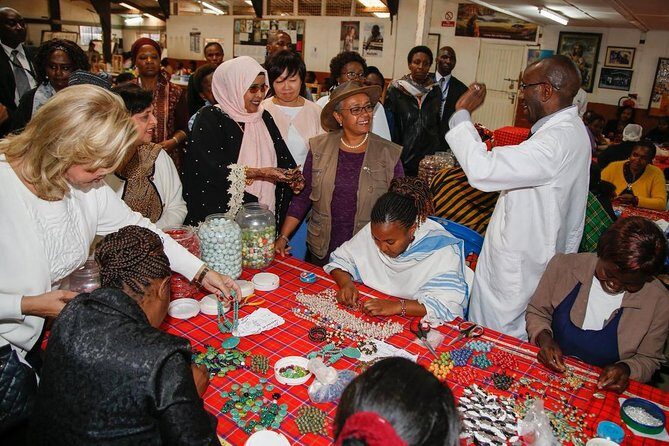
After elephants, the day shifts to hands-on craft production with Kazuri beads. You’ll visit a beads and pottery workshop and see stages from start to finish. The point isn’t only to watch—it’s to understand the full chain of making, from raw material to finished beads.
One of the smartest things about putting this here is the pacing. After intense animal encounters, you get a calmer focus: craft process, people at work, and time to think about what you’re seeing. If you’ve ever bought a piece of jewelry and wondered how long it took to make, this is the hour that answers it.
Lunch is typically planned at a local restaurant during this block. Important detail: food and drinks aren’t included in the tour price, so if lunch is part of the day for you, budget for it.
Shopping note (without overpromising): you’ll likely have the chance to buy beads or finished items if that’s your style. If you do, check the cost before you assume you’re getting a deal. The value is in the process you saw—not only the final tag price.
Nairobi National Museum: One Guided Hour That Helps You Read the City
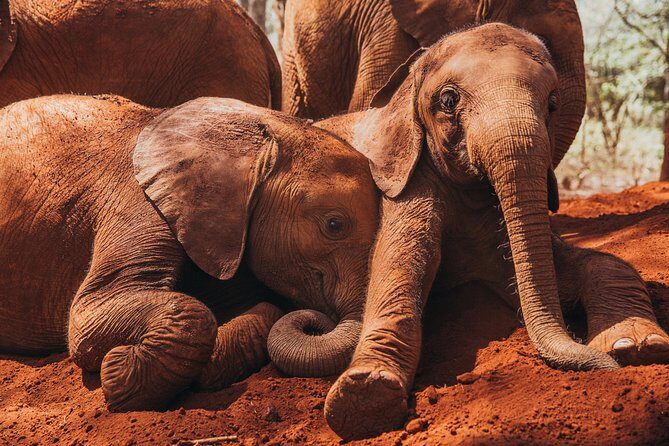
Then you head to the Nairobi National Museum for about an hour of guided walking time. This is where the tour does something useful for your future travel. You learn what you’re looking at, so later—when you see artifacts, exhibits, or displays on Kenya’s past—you’ll recognize themes instead of just scanning labels.
The museum visit is built around natural and cultural heritage, and the guide helps connect the sections so you don’t drift into information overload. One hour isn’t long, so the best strategy is to pick a few areas that interest you and go deeper there.
I like museum hours on these days because they ground the safari-style part of the trip in context. You’re still in Nairobi, still moving around, but you’re not only watching animals—you’re learning how Kenya’s story fits together.




Snake Park: Reptile Viewing as the Light-Contrast Stop
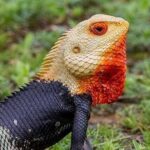
The day also includes Snake Park, which adds reptiles and snakes to the mix. This stop gives you a different kind of wildlife encounter than the giraffes and elephants—more about observation than face-to-face feeding.
Because the itinerary details provided focus most clearly on the first four ticketed stops, you may not spend as much time here as you do at the giraffe and elephant sites. Still, it’s a fun contrast and a good way to round out a wildlife-heavy day.
Practical approach: treat this as a calm, watch-and-ask stop. If you have questions, your guide is the right person to ask, since they can help you interpret what you’re seeing without turning it into a guessing game.
Price and Value: What the $115 Covers and What Can Cost Extra
The price is $115 per person for a one-day tour with hotel pickup/drop-off, a driver/guide, and included admission tickets for the Giraffe Centre, the elephant orphanage, and the Nairobi National Museum.
That’s solid value if you compare it to paying admissions separately while also arranging transport. You also get grouped scheduling—so you’re not hunting for timing between scattered locations across Nairobi.
Here’s the part you should plan for: you may need to pay an additional $45 per person for the Nairobi National Park access tied to visiting the elephant orphanage area. The good news is that you’re not expected to pay that on top of everything blindly; it’s flagged as mandatory for the visit. Still, it’s a budget item you should consider early so the day stays smooth.
Also note: food and drinks aren’t included, and lunch is only planned during the beads workshop block. If you want to eat during the day, bring extra money for lunch and any drinks.
Getting the Timing Right: An 8:00am Start With Hour-Long Blocks
The start time is 8:00am, which helps you beat the day’s chaos and gives you a full morning for wildlife. Your main stops are set at about one hour each at the Giraffe Centre, the Sheldrick elephant orphanage, Kazuri Beads, and the Nairobi National Museum.
This is a great format for people who like a structured day. It’s less ideal if you hate time limits or prefer to linger. If you want to linger, you can ask your guide how the timing typically flows at each stop so you know where you’ll have breathing room.
One more practical consideration: Nairobi traffic can slow things down. The tour includes transportation, but travel time is never zero. Give yourself permission to be a little flexible, especially if you’re hoping for perfect camera angles at the feeding platforms.
Guides Make a Real Difference (Especially at the Orphanage)
The tone you get from your day often comes from your guide, and this tour’s reviews put names to that. People have praised guides like Kelvin, Francis, Patrick, and Stephen for being friendly, knowledgeable, and focused on getting good spots at each attraction.
If you care about photo angles and smooth pacing at the elephant orphanage, this is a good place to lean on the guide’s instinct. Ask for a positioning plan early in the day, especially before the giraffe feeding and before the elephant calf viewing.
Also, the operator behind this experience is Gracepatt Ecotours Kenya. When you book, it’s reasonable to ask whether your preferred guide is available—at least one traveler recommendation specifically suggests requesting Kelvin.
Who This Tour Is Best For
This is a strong fit if you:
- Want a first Nairobi day that mixes wildlife with culture and crafts.
- Like guided explanations rather than wandering through sites alone.
- Are okay with a schedule that stays efficient and doesn’t linger all day in one place.
It’s also a decent option for families, as long as children are accompanied by an adult. Most travelers can participate, but like any animal-centered day, you’ll want to be comfortable with close interactions and a busy environment.
If you’re only interested in one thing—say, only elephants—this day might feel like a lot. But if you want a broad Nairobi sampler, it hits the mark.
Should You Book This Nairobi Day Tour?
I’d book it if you want a packed, well-organized day that covers the headline Nairobi experiences without you having to sort out transport and tickets. The value is in the combination: giraffe feeding, elephant orphanage rehabilitation, a Kazuri beads process visit, and a guided museum hour—plus reptile viewing.
Skip it (or consider a different style of tour) if you hate time limits or you’re the type who wants a slow, long safari-style pace. Also, if you’re very sensitive to unexpected add-ons, you should treat the extra $45 Nairobi National Park fee as part of the real budget from the start.
For most visitors, though, this is the kind of day that gives you Nairobi context fast. One morning you’re feeding giraffes. The next you’re learning what the museum displays mean. That mix is the whole point.
FAQ
What’s the tour start time?
The tour starts at 8:00am.
How long does the tour last?
It’s approximately 1 day.
Is hotel pickup and drop-off included?
Yes. Hotel pickup and drop-off are included.
Are admission tickets included?
Yes for the Giraffe Centre, the elephant orphanage, and the Nairobi National Museum.
Is lunch included?
No. Food and drinks are not included, and lunch is mentioned as part of the day at a local restaurant.
Is there an extra fee for Nairobi National Park?
Yes. You may need to pay an extra $45 per person for Nairobi National Park, which is mandatory if visiting the elephant orphanage.
Does the tour include Snake Park?
Yes. Snake Park is included as part of the experience.
Is there a cancellation option if plans change?
Free cancellation is available. You can cancel up to 24 hours in advance for a full refund.