REVIEW · NAIROBI
Nairobi: Masai Village Day Tour with Local Guide
Book on GetYourGuide →Operated by Rumaa tours and safaris Africa · Bookable on GetYourGuide
A day with the Masai in Kajiado. I love the private-vehicle ride with hotel pickup and the hands-on cultural moments like learning dances and fire-making. One thing to budget for: the Maasai village entry fee is extra.
You’ll spend your day walking, listening, and joining in when you’re invited. With an English-speaking guide and a private group format, it’s a straightforward way to understand Masai traditions and daily life—just be ready for sun, steps, and respectful behavior.
In This Review
- Why This Masai Village Day Trip Feels Personal
- Key Highlights You’ll Actually Care About
- Nairobi Pickup to the Kajiado Area: The Drive That Shapes the Day
- Stop One in Kajiado: Guided Walks and a First Lesson
- The Main Teaching Session: Class Time, Customs, and Ceremonies
- The Interactive Stuff: Dance, Dress-Up, Fire-Making, and Learning Skills
- Price and Value: How the $50 Adds Up (and What’s Extra)
- What to Bring (So You’re Comfortable and Respectful)
- Guide Dynamics: What Makes the Day Run Smoothly
- Who This Tour Suits Best (And Who Should Skip It)
- Should You Book This Masai Village Day Trip?
- FAQ
- How long is the Masai Village day tour?
- Where does the tour start and end?
- Is this tour private?
- What language is the guide?
- What’s included in the price?
- What’s not included?
- What should I bring with me?
- Are photos allowed?
- Is the tour suitable for people with mobility issues?
- Is cancellation allowed, and what about payment flexibility?
Why This Masai Village Day Trip Feels Personal

This isn’t a stop-you-quickly-and-photos-later style tour. You’re picked up in Nairobi, driven out, and then taught through a mix of guided walking, explanations, and participation in cultural activities. That matters because the Masai experience is about people and practice, not props.
In at least one recent private outing, the guides Tasha and Surfic helped make the day feel clear and engaging—sharing what visitors should understand and what to do respectfully while you learn.
The one trade-off is time and cost: the travel portion takes a long chunk of the day, and the village entry fee plus meals and drinks aren’t included. If you’re going in with a little planning, the value can be solid.
Key Highlights You’ll Actually Care About

- Private group comfort: Your vehicle stays exclusive for your party, so you’re not rushing with a big crowd.
- English live guidance: Explanations and class-style learning are in English.
- Walking and hands-on learning: You’ll move around, watch, and participate in activities like dance and fire-making.
- Ceremonies and respectful participation: You’ll be guided on how to join in without being disrespectful.
- Local crafts as souvenirs: Handmade beaded rings are offered, if you want a small piece of the day to take home.
- Wildlife connection taught in context: You’ll hear how the community coexists with wildlife as part of their knowledge.
You can also read our reviews of more guided tours in Nairobi



Nairobi Pickup to the Kajiado Area: The Drive That Shapes the Day
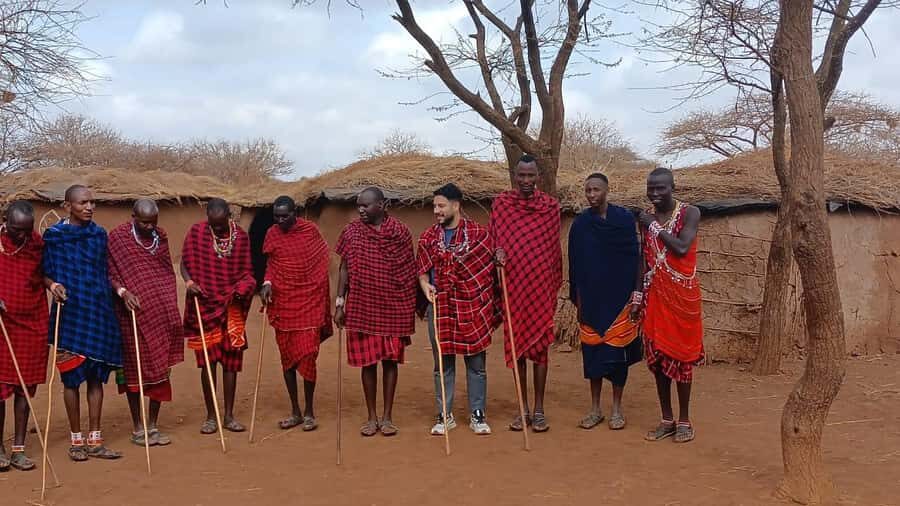
You start in Nairobi with hotel pickup and a direct transfer by air-conditioned vehicle. The drive time is listed as about 6 hours, so this day has a “get there, then learn” rhythm. The upside: you’re not doing constant on-and-off sightseeing stops. You’re committing to the full experience in one go.
Why the long transfer can be worth it: Masai village life isn’t a quick city attraction. You’re traveling to the Kajiado area so the visit connects to how people live closer to land, homes, and daily routines. That’s also why you should plan your expectations around a slower pace—this is culture by presence, not by scanning.
Practical reality check: use the vehicle time well. If you’re prone to getting stiff during long drives, wear layers. Bring water (it’s provided, but having your own stash helps). And if you’re sensitive to heat, keep your hat ready—sun is a big factor once you start walking.
Stop One in Kajiado: Guided Walks and a First Lesson
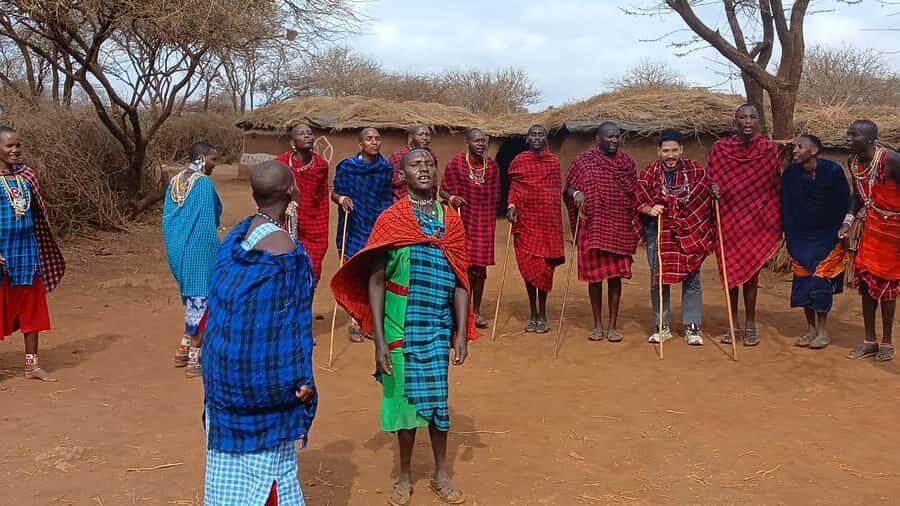
Once you reach the area, you’ll have a 2-hour segment focused on a guided tour, sightseeing, a walk, and a class. This is where you get your bearings fast: how the village is organized, what daily customs look like, and how to approach interactions the right way.
This first block is useful because it sets your “social and cultural rules of engagement.” You’ll be surrounded by real routines, so having a guide explain what you’re seeing helps you avoid the usual visitor mistake: treating everything like a performance for outsiders. Instead, you learn what’s everyday and what’s shared for visitors.
The walk matters too. The tour is not purely seated listening. Comfortable shoes are not optional on this one. You’ll also want your camera—but photos may be restricted in certain areas, so keep that permission habit in mind.
The Main Teaching Session: Class Time, Customs, and Ceremonies
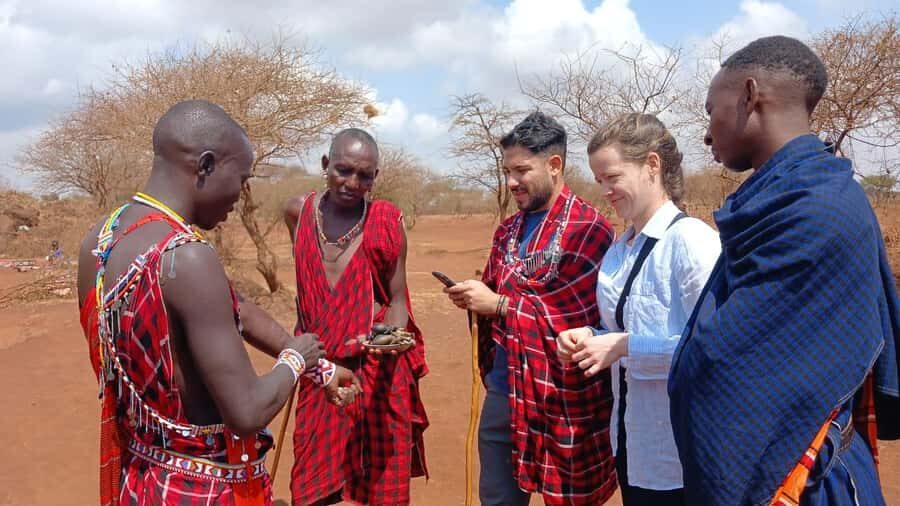
After the first stop, the day shifts into a longer 4-hour visit with another guided tour, sightseeing, and class time. This is where the experience turns more participatory.
What you can expect in practice:
- You’ll learn through explanations and interactive moments, not just watching.
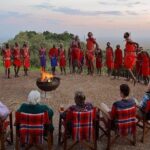
- You may take part in cultural activities such as traditional dances and authentic ceremonies.
- You’ll get insight into indigenous knowledge—including the Masai connection to land and their way of living alongside wildlife.
This is also a good time to ask questions. If you want clarity, don’t wait until the end of the day. Guides can usually tailor explanations better while you’re still in the flow of the village activities.
A small caution: participation is not the same as filming. If you’re focused on capturing everything on your phone, you’ll miss the human part. For the best experience, alternate: watch, join in if invited, then ask, then photograph only where allowed.
The Interactive Stuff: Dance, Dress-Up, Fire-Making, and Learning Skills
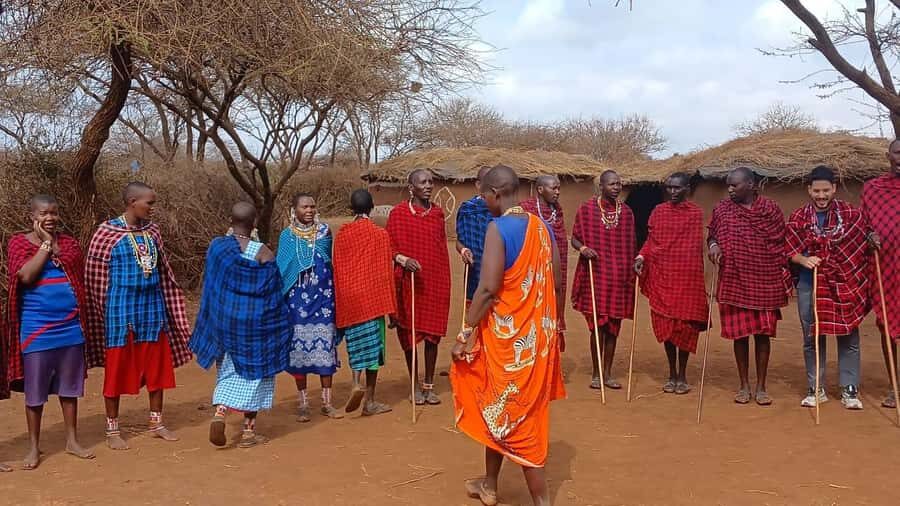
The most memorable parts of this tour type are often the practical, body-involved activities. In one documented private experience, the guides included moments where visitors could dress like one of the community, join in dancing, and learn how to make fire and participate in hunting-related learning.
A note on how to frame this: you’re not signing up for a survival course. It’s cultural instruction and guided participation. The value is that you’re learning how people think about skills and daily life—not just collecting images.
If you’re the kind of traveler who likes “do it once” moments, this is a good match. And if you’re shy, you can still engage respectfully—dancing and role-based activities usually work best when you follow the guide’s pacing and instructions.
Souvenirs also show up in this zone. Handmade beaded rings may be offered as a take-home keepsake. If you want one, it’s worth taking a breath and asking what it represents—those small details often turn a purchase into a memory with meaning.





Price and Value: How the $50 Adds Up (and What’s Extra)
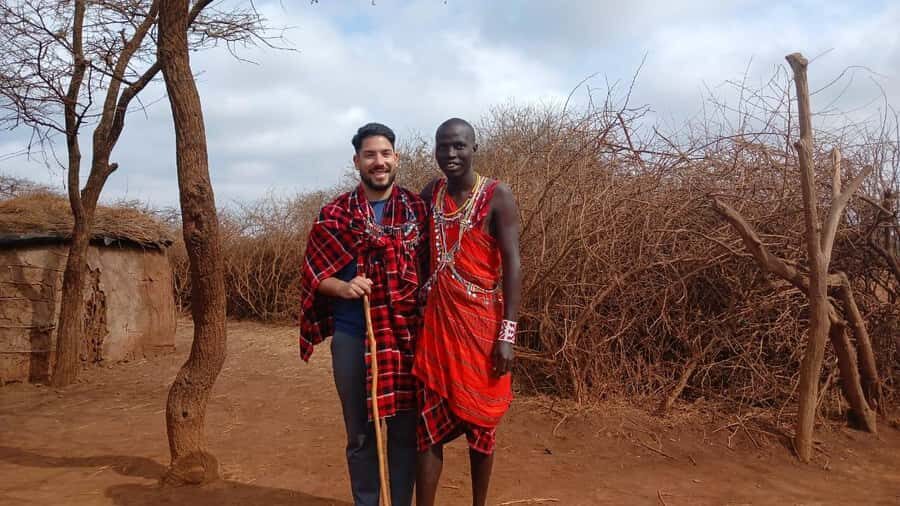
The listed price is $50 per person for a 1-day private tour with Nairobi pickup and drop-off. On top of that, the Masai village entry fee is $30 per person, and meals and drinks are not included.
Here’s how to think about value:
- The $50 likely covers the main transport and service side: driver/guide, air-conditioned vehicle, bottled water, and the private format.
- The extra $30 is specifically for entering the village experience.
So your realistic day budget is $80 per person before meals. If you’re eating out anyway in Nairobi, you’ll likely spend similar amounts on food—but if you’re traveling light, plan for it early so you’re not stuck deciding under time pressure.
The private group part is also a value lever. You get a calmer, more flexible day with less crowd friction. If you’re traveling as a couple or small group, that privacy usually feels worth it compared with shared tours.
What to Bring (So You’re Comfortable and Respectful)
This tour is built around walking and sun exposure. That’s why the packing list is simple but important.
Bring:
- Comfortable shoes (you’ll be walking)
- Hat and sunscreen (heat can catch you quickly)
- Camera (with the understanding that some areas may have photo restrictions)
- Water (you’ll get bottled water, but carry extra if you tend to drink more)
Respect rules are part of the day:
- Don’t smoke, don’t bring alcohol or drugs, and don’t litter.
- If photography is restricted, ask permission first. It’s the quickest way to show you understand you’re visiting people, not a theme park.
Guide Dynamics: What Makes the Day Run Smoothly
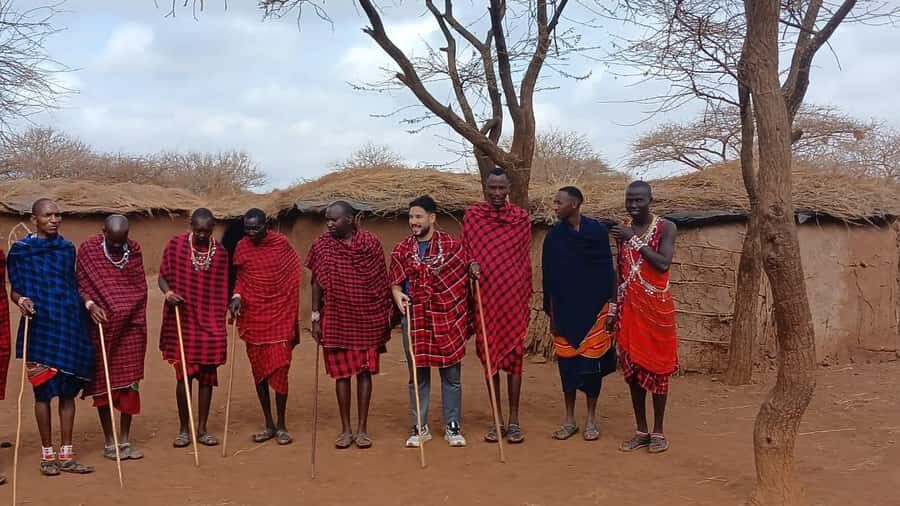
A big factor in cultural village tours is how the guide sets expectations. In this experience, you get a live English-speaking guide, which matters because misunderstandings happen fast when you’re trying to follow rituals, ceremonies, and local explanations at the same time.
In at least one private morning, guides Tasha and Surfic helped visitors join in—sharing what to do, what not to do, and how to participate properly. That kind of guidance can make the difference between feeling like you’re watching from the outside versus learning with context.
Tip for you: listen during the class portions, then ask questions during quiet transitions. The tour gives you structured learning time, so use it like a mini lesson rather than sprinting for photos.
Who This Tour Suits Best (And Who Should Skip It)
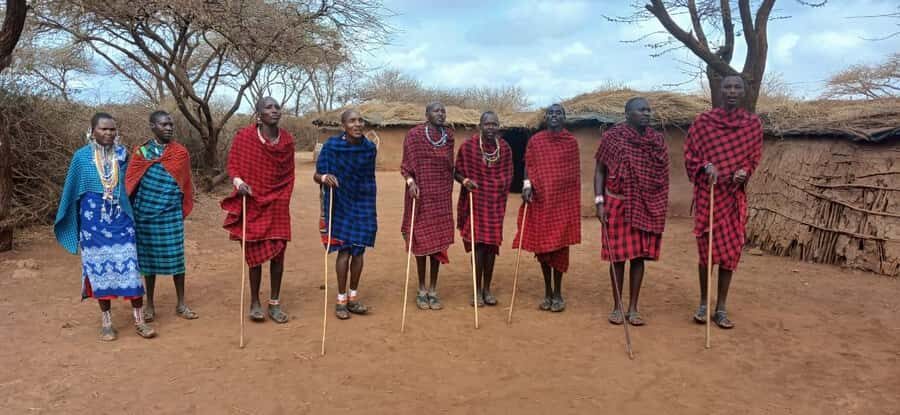
This is listed as not suitable for:
- Pregnant women
- People with back problems
- People with mobility impairments
- Wheelchair users
The reason is straightforward: it involves walking and activity around the village during both shorter and longer segments of the day.
You’ll likely enjoy this tour if you:
- Want a private format from Nairobi
- Prefer interactive cultural learning over passive sightseeing
- Are comfortable spending long hours traveling and then staying active for walking and participation
If you’re someone who hates heat or long drives, go in early with a plan. Bring layers and hydrate. Also consider whether your energy level matches the full day—because it’s not a “half tour with optional extras.”
Should You Book This Masai Village Day Trip?
Book it if you want a private, guided, participatory day that focuses on how Masai people live, teach, and connect with their land and wildlife. The best reason to choose it is the structure: guided tours plus class time plus activities like dance and fire-making-style learning.
Skip it if you need something low-walking, low-sun, or fully seated. Also budget carefully: the $50 price is only part of the picture once you add the $30 entry fee and meals.
If you like learning through respectful involvement, you’ll get more out of this day than a quick photo stop.
FAQ
How long is the Masai Village day tour?
It’s listed as a 1-day experience.
Where does the tour start and end?
Pickup and drop-off are from Nairobi.
Is this tour private?
Yes, it’s listed as a private group.
What language is the guide?
The live tour guide provides English.
What’s included in the price?
Hotel pickup and drop-off, a driver/guide, bottled water, and an air-conditioned vehicle are included.
What’s not included?
The Maasai village entry fee (listed as $30 per person) and meals and drinks are not included.
What should I bring with me?
Bring comfortable shoes, a hat, a camera, sunscreen, and water.
Are photos allowed?
Photography may be restricted in certain areas, so you should ask for permission before taking photos.
Is the tour suitable for people with mobility issues?
No. It’s listed as not suitable for wheelchair users and people with mobility impairments, and it also notes back problems and pregnancy as reasons it may not be appropriate.
Is cancellation allowed, and what about payment flexibility?
Cancellation is free up to 24 hours in advance for a full refund, and there’s a reserve now & pay later option.