REVIEW · NAIROBI
City Tour/Feel Like a local for a moment
Book on Viator →Operated by Starvel Safaris · Bookable on Viator
Nairobi starts to feel personal fast. This small-group full-day tour strings together real neighborhoods, using shared minivans and matatu rides so you see the city the way locals move through it. I like that you get context as you go, not just a checklist of sights. Lunch is included, and there’s time to ask questions along the route.
Two things I really like: the group stays small at 8 travelers, which makes discussions with the guide actually happen, and the itinerary is practical, built around everyday places like City Market and Two Rivers Mall—not only monuments. Also, the Maasai Market stop turns shopping into a conversation, with help on getting fair prices.
One possible drawback: parts of the tour depend on traffic and the day’s pace, and you’ll be walking in public areas. Wear shoes you can stand in for hours, and don’t plan on doing tons of spontaneous side trips.
In This Review
- Key Highlights Worth Your Time
- Nairobi by Matatu: Why This Tour Feels Local
- The Small-Group Setup: Pickup, Timing, and How the Day Flows
- Stop 1: Kenyatta International Conference Center and the Kenyatta Monument
- Stop 2: City Market and the Meat Shopping Area
- Stop 3: Two Rivers Mall for a Real Shopping Break
- Stop 4: Maasai Market Shopping With Local Price Help
- Lunch, Bottled Water, and the Optional Street Food Idea
- Transport Reality: Shared Minibuses and What to Expect
- Photo Rules and Smart Packing for a Phone-First Day
- Price and Value: Is $55 for 6 Hours Worth It?
- When This Tour Makes the Most Sense
- A Note on Passports and Practical Requirements
- Should You Book This Nairobi Feel-Like-a-Local Tour?
- FAQ
- How much does the Nairobi city tour cost?
- How long is the tour?
- Is pickup available, and where does the tour start?
- Is lunch included?
- Does the tour include shopping?
- Are cameras allowed?
- What do I need to bring?
Key Highlights Worth Your Time
- 8-person cap means more time to talk with your guide and fewer people to wait on
- Matatu/shared minibuses give you a genuine transit rhythm, not a private-car bubble
- KICC photo stop plus markets mixes iconic landmarks with everyday Nairobi life
- Maasai Market shopping help so you’re not stuck guessing on pricing and bargaining
- Lunch and bottled water included, plus an optional street food tasting for the brave
Nairobi by Matatu: Why This Tour Feels Local

This is the kind of Nairobi tour that helps you get your bearings fast. Instead of staying in one tourist pocket, you hop between neighborhoods and suburbs, and you travel using public transport. That matters because Nairobi is a city you understand through movement—where people ride, what they buy, and how they pause for meals.
You’ll also travel with an in-person guide who frames what you’re seeing. The guides highlighted by previous guests include Harriet, Henrietta, Daisy, Maxine, and Winnie. The common thread is that they keep the day conversational, so you’re not just listening to facts—you’re learning how the city works and why people do what they do.
And yes, the transit part is the fun part. Matatu rides aren’t a staged experience; they’re loud, normal, and a little unpredictable. That’s exactly why they’re valuable. You’ll come away with a sense for routes and daily life, not just photos.
You can also read our reviews of more city tours in Nairobi

The Small-Group Setup: Pickup, Timing, and How the Day Flows

The tour runs about 6 hours, starting at 8:00 am and returning to the same meeting point on BataWatalii Ln, Nairobi. Pickup is offered, which is a big relief if you’re staying farther out or you don’t want to hunt for an exact starting spot.
Group size is max 8 travelers, and that’s not just marketing math. With a small group, you can actually ask questions when something grabs your attention—politics, daily routines, safety habits, food, or how the city got where it is today.
You also get a mobile ticket, which is convenient if you prefer everything on your phone. There are group discounts too, which can make the per-person cost easier if you’re traveling with a friend or two.
Stop 1: Kenyatta International Conference Center and the Kenyatta Monument
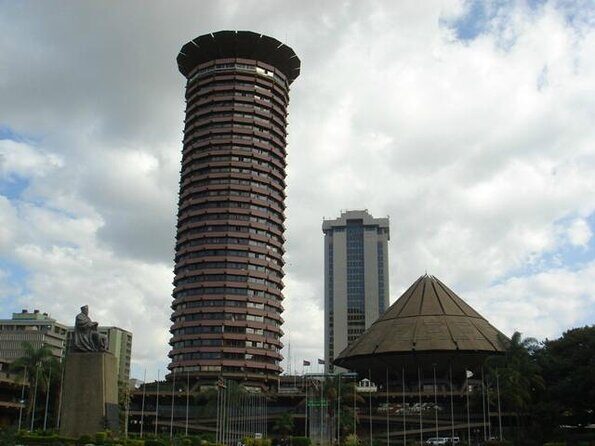
The first stop hits a major Nairobi landmark: the Kenyatta International Conference Center (KICC). You’ll take a photo at the Kenyatta Monument, with a quick 15-minute stop and no admission ticket required for this part.
What I like about starting here is the orientation value. Even if you don’t know the politics or architecture of the area, you’ll feel the city’s ambition and scale right away. It’s a good first “anchor” before you switch into markets and everyday shopping areas.
The only watch-out is pacing. This is a short photo stop, so don’t treat it like you’ll wander for an hour. Get your phone ready, follow the guide’s lead, and then move on.
Stop 2: City Market and the Meat Shopping Area

Next comes City Market, again with a 15-minute visit. This is where you see commerce as locals experience it—especially the meat shopping area.
If you’ve only seen markets from a distance, this stop can be a real eye-opener. It shows you how food supply chains look on the ground: where people buy, how they evaluate cuts, and how daily errands shape the rhythm of the city.
There are two ways to prepare mentally:
- Go with curiosity, not a fear of getting overwhelmed.
- Keep your expectations realistic; you’re there to observe and understand, not to browse endlessly.
Also, a heads-up from the operating rules: taking photos in town isn’t allowed. Your phone is fine, but the tour’s approach is to avoid camera use at certain points. Listen to your guide and you’ll be on the right side of the rules.
Stop 3: Two Rivers Mall for a Real Shopping Break

After the market, you’ll get a 45-minute break at Two Rivers Mall, described as the biggest mall in Kenya. This stop is a useful contrast to the open-air commerce you saw earlier.
Here’s what the mall time is good for:
- A reset after public transit and market streets
- Browsing for everyday items you might not find elsewhere
- People-watching in a place locals also use
This is one of those stops that can make the whole day feel balanced. Without it, you’d go from street-level sights straight into more shopping at the Maasai Market. The mall gives you a breather, and it also lets you see another Nairobi “habitat.”
If you hate shopping stops, you can still make this useful. Use the time to grab a snack or just observe what’s popular. It’s not about buying souvenirs; it’s about seeing how modern retail lives alongside traditional markets.





Stop 4: Maasai Market Shopping With Local Price Help
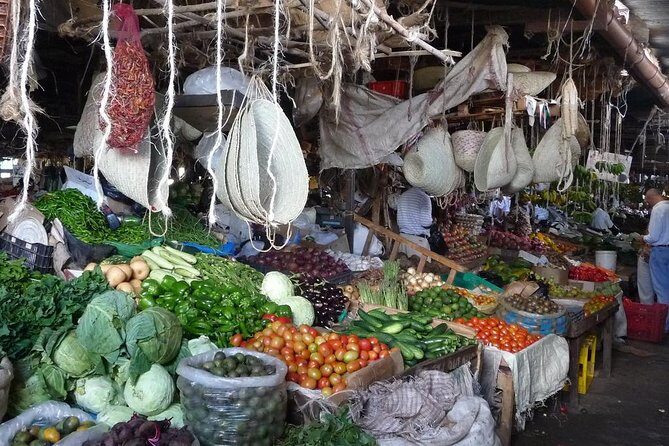
The finale is The Maasai Market for about 1 hour, and it’s included in the tour. The big advantage here is guidance on shopping—your guide helps you get better prices and understand how to bargain like a local rather than guessing at tourist pricing.
This is where you’ll likely spend most of your spending energy. Take your time. Check items carefully. Ask questions before you commit—materials, sizing, what’s handmade, and what’s practical to pack.
One practical note: the tour rules say don’t bring valuables like flashy jewelry. That’s good advice anywhere in the city, and it matters more in markets. Keep your focus on shopping, not on guarding yourself every minute.
If you want a souvenir that feels connected to the place, this is the segment designed for that. The aim isn’t just to buy something. It’s to learn how shopping works in Nairobi’s social world—negotiation, relationships, and value.
Lunch, Bottled Water, and the Optional Street Food Idea

Lunch is included, and bottled water is provided. That combination is worth something because it removes two common stress points on city tours: hunger and dehydration.
The optional part is street food tasting. If the day feels like it’s moving well and you’re comfortable trying new things, it can be a fun extra. If you prefer to play it safe, you can skip it and still get a complete meal plan through lunch.
My advice on food during a day like this is simple: eat when offered, and don’t try to “power through” just to maximize stops. The tour is long enough that one skipped meal can turn the afternoon sour—especially once you’re in market areas.
Transport Reality: Shared Minibuses and What to Expect
The tour uses matatu (shared minibus) travel between neighborhoods, including three suburbs. This is one of the core reasons the day feels authentic. You’ll sit among locals, see how routes function, and experience the city’s pace in motion.
Value-wise, this matters. A private van would get you to the same places with less friction, but it wouldn’t teach you how people actually commute. The shared rides are the lesson part.
That said, consider your comfort level. Matatus can be crowded and noisy. You’ll want good posture, patience, and a bit of humor. If you’re the type who gets stressed by everyday chaos, this tour might feel like a lot at first—until it clicks.
Also, plan to carry as little as possible. The tour instructions ask you not to bring valuables and to avoid flashy jewelry. That’s part safety, part making it easier to move through busy areas.
Photo Rules and Smart Packing for a Phone-First Day
The tour’s rule is clear: do not bring a camera, because taking pictures in town isn’t allowed. Your phone is fine, but the goal is to follow guide guidance at each stop.
Packing advice that fits this tour:
- Bring a fully charged phone and a way to keep it secure.
- Use a crossbody or small bag so you can move comfortably.
- Leave behind anything expensive or flashy.
You should also expect to do some walking. Wear good shoes—no sandals or high heels. You’ll thank yourself later, especially after market and shopping segments.
Price and Value: Is $55 for 6 Hours Worth It?
At $55 per person for about 6 hours, this sits in the “good value” range for Nairobi, mainly because the tour includes real costs that people often forget to price in.
You’re getting:
- Lunch
- Bottled water
- Public transportation fees for moving between multiple neighborhoods
- An in-person guide
- Shopping time at the Maasai Market with help bargaining
The part that often makes city tours overpriced is the private transport. Here, the tour uses shared transport instead. That keeps your cost down and improves the authenticity of what you’re experiencing.
Also, the 8-person cap helps justify the price. You’re paying for a small-group guide, not just getting bundled into a large bus and forgotten.
The optional street food tasting can add a little extra cost depending on what’s offered, but lunch is already covered.
When This Tour Makes the Most Sense
I’d book this if you’re:
- In Nairobi for a short stay and want a fast city “feel”
- Curious about daily life beyond the main skyline
- Shopping for cultural souvenirs and want price help
- The kind of person who likes asking questions on the move
This also works well if you’re solo, too. Small groups make it easier to meet people without the awkwardness of being stuck with strangers all day.
If you hate markets, crowds, and bargaining, you might find the mix a bit much. But if you handle busy places comfortably, the payoff is strong: you see Nairobi as a living city, not a museum.
A Note on Passports and Practical Requirements
The tour asks you to carry a copy of your passport (main page and the visa stamp page) or your original passport. That’s a practical requirement and it’s easy to prepare for.
You’ll also get confirmation at booking time. Service animals are allowed, and most travelers can participate. The day runs best in good weather, because the tour expects outdoor movement.
Should You Book This Nairobi Feel-Like-a-Local Tour?
Yes—if your goal is to understand Nairobi through everyday places and real transit. The combination of matatu rides, a small group capped at 8, lunch included, and guided shopping at the Maasai Market is a smart way to get value for your time.
I’d say skip it if you want a quiet, private, low-activity sightseeing day. This tour is active and public-facing. It’s designed for interaction and observation, not for escaping the city.
If you like authenticity, this is the right kind of busy.
FAQ
How much does the Nairobi city tour cost?
It costs $55.00 per person.
How long is the tour?
The tour lasts about 6 hours (approx.).
Is pickup available, and where does the tour start?
Pickup is offered. The start point is BataWatalii Ln, Nairobi, Kenya at 8:00 am, and the tour ends back at the same meeting point.
Is lunch included?
Yes. Lunch is included, along with bottled water.
Does the tour include shopping?
Yes. You’ll visit Two Rivers Mall for shopping time and also go to the Maasai Market (included), with guidance for getting good prices.
Are cameras allowed?
No camera is allowed for this activity because taking pictures in town isn’t allowed. Your phone is fine.
What do I need to bring?
You should wear good shoes and carry a copy of your passport (main page and visa stamp page) or your original passport. The tour also asks you not to bring valuables like flashy jewelry.
If you want, tell me your travel dates and what you’re most interested in (food, shopping, transit, or history context). I can help you decide if this itinerary matches your style.