REVIEW · NAIROBI
7 Days Amboseli-Lake Naivasha-Lake Nakuru & Masai Mara
Book on Viator →Operated by African Home Adventure Safaris · Bookable on Viator
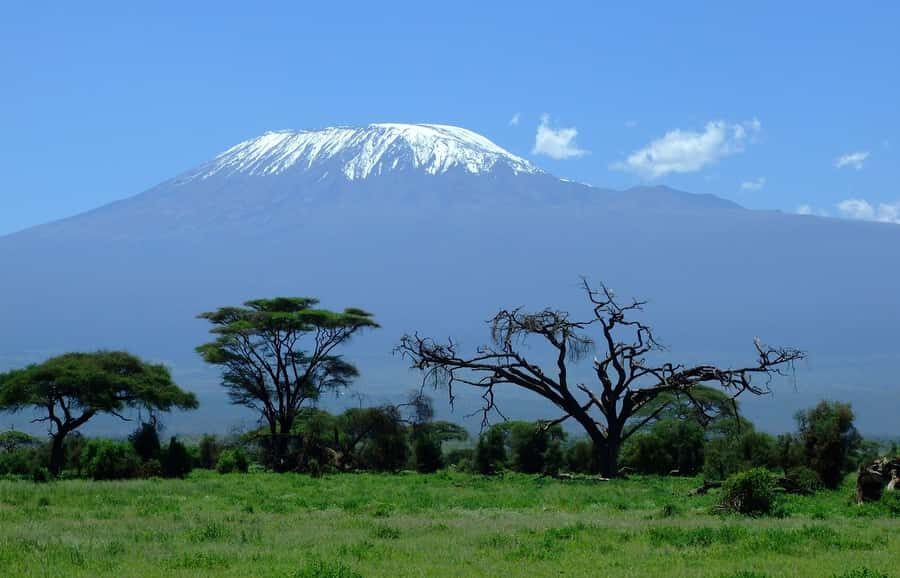
Mount Kilimanjaro is usually in the plan.
This 7-day Kenya safari strings together four major stops in a private 4×4 Land Cruiser, with game drives timed across mornings and afternoons. You’ll also get the classic Rift Valley contrast: elephants and high views in Amboseli, then lakes, then the big-open Masai Mara plains.
I like that the pace is practical. You start with Amboseli for two full days of wildlife viewing, then shift south into the Great Rift Valley for Lake Naivasha and Lake Nakuru, and finally land in Masai Mara for the type of safari days that people remember for years.
One thing to consider: some highlights depend on conditions. Kilimanjaro visibility can be affected by cloud cover, and you’ll spend a fair amount of time in transit between regions, which matters if you hate long road days.
In This Review
- Key highlights worth planning around
- Private 4×4 Kenya Safari: what 7 days in a Land Cruiser really gives you
- Days 1–2 Amboseli National Park: elephants, Kilimanjaro, and the art of watching the sky
- Day 3 Lake Naivasha: the Rift Valley lake day with Crescent Island as an option
- Day 4 Lake Nakuru National Park: flamingos and the chance for rhinos and big cats
- Days 5–6 Masai Mara: big plains, predator energy, and wildebeest migration timing
- Day 7 Nairobi and the Maasai village visit: finishing with culture, not a scramble
- Price at $2,985: does this 7-day itinerary feel like value?
- Should you book this 7-day Amboseli–Naivasha–Nakuru–Mara safari?
- FAQ
- Is this tour private, and will it just be my group?
- Where does the safari start, and what time does it begin?
- What kind of transportation is used during the safari?
- Which parks and lakes are included in the 7 days?
- Is there an optional activity at Lake Naivasha?
- Do I have to buy park tickets separately?
- What happens on the last day in Nairobi?
Key highlights worth planning around
- Elephants plus big views in Amboseli: excellent chances for close-up herds with Mount Kilimanjaro looming over the southern edge.
- Rift Valley lakes change the whole mood: Naivasha and Nakuru each feel different, even though both sit in the Great Rift Valley system.
- Lake Nakuru’s star species: pink flamingos, plus the mix that can include lions, leopards, giraffes, buffalo, and both black and white rhino.
- Masai Mara is built for wildebeest season: from about July, the big Mara River crossings can shape what you see.
- You’re in your own group: private safari setup means your guide and schedule aren’t being shared with strangers.
- Cultural add-on on the final day: a Maasai village visit before you head back toward Nairobi.
Private 4×4 Kenya Safari: what 7 days in a Land Cruiser really gives you
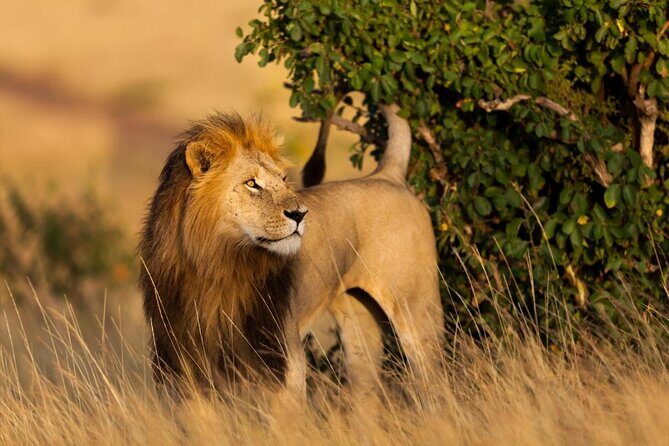
This tour is private, and that matters more than it sounds. A private safari means your driver-guide can respond to your pace, your photo stops, and the way animals are behaving that day. It also helps when roads or timing get a little unpredictable, because you’re not stuck waiting on a larger group.
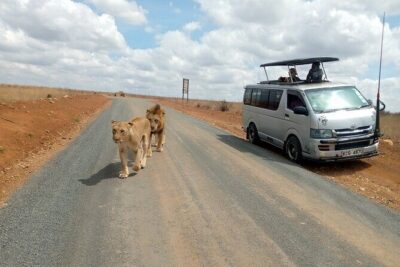
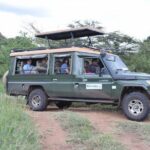
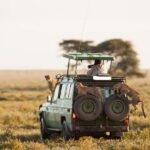
The transport is in a 4 x 4 land cruiser jeep, and that’s a good match for Kenya’s park tracks and mixed road conditions. You’ll typically be out for game drives and then back to camp or lodge each night, which keeps things comfortable compared with a “drive all day, sleep whenever” setup.
The itinerary is built like a line across Kenya: start in Nairobi, head to Amboseli, then work through the Rift Valley lakes (Naivasha and Nakuru), then finish in Masai Mara. That routing is efficient because it clusters similar experiences. Amboseli gives you high-country scenery and elephant focus. The lakes days shift you into bird and water activity. Masai Mara brings you back to open savannah and predator action.
There’s also a clear rhythm to the daily schedule. You’ll see an early departure style on the first day, full safari time on the second Amboseli day, and then mid-day arrival/check-in patterns on the lake and Mara days. It’s the kind of schedule that helps you avoid arriving too late to do anything meaningful inside a park.
Finally, you’re starting from a specific point: YWCA Kenya – National Headquarters on Nyerere Rd. The tour begins at 7:00 am, with pickup offered, and it ends back at the meeting point after the Nairobi stop.
A few more Nairobi tours and experiences worth a look
Days 1–2 Amboseli National Park: elephants, Kilimanjaro, and the art of watching the sky
Amboseli is one of those places where the scenery sets expectations fast. You start on the first day with a drive from Nairobi (or JKIA Airport) to the park, then lunch after you check in. Later, you’re in the park for a game drive. The big draw here is the combination of elephants and Mount Kilimanjaro’s view.
Amboseli’s name comes from Maasai language, meaning salty dust, which is a neat reminder that this isn’t just a wildlife stop. It’s also a landscape shaped by local culture and habitat variety. The park is described as having five habitats, including areas tied to the dried-up bed of Lake Amboseli, wetlands with sulphur springs, and Savannah and woodlands. That variety helps explain why game drives often feel different in different parts of the park.
Day 1 is your intro day. You’ll settle in, eat, and then do a game drive while the light is still good. If you care about seeing elephants up close, Amboseli is one of the best bets because large herds are a signature here.
Day 2 is where you go deeper: breakfast, then a full-day game drive with lunch included as a break. This is also where Kilimanjaro can play its little weather game. Cloud cover can hide the mountain for stretches, but the reward is stunning views when it clears, often at dawn or dusk. That means you should think of mountain visibility as a moving target rather than a guaranteed photo.
A small caution: if your personal must-see is a perfect Kilimanjaro silhouette, you might feel frustrated on a cloudy day. The good news is that even when Kilimanjaro is muted, Amboseli doesn’t lose its wildlife focus.
Day 3 Lake Naivasha: the Rift Valley lake day with Crescent Island as an option
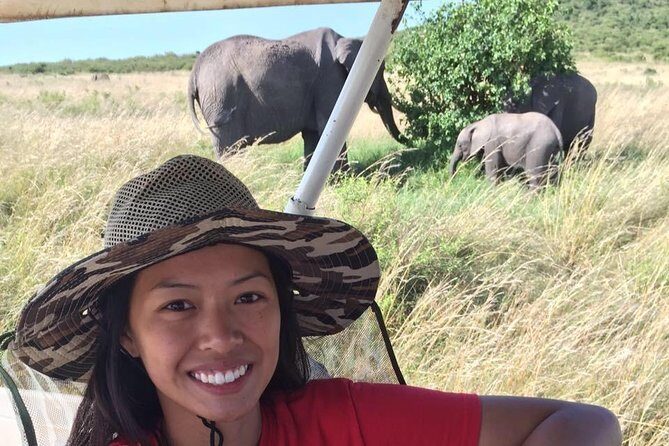
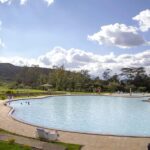
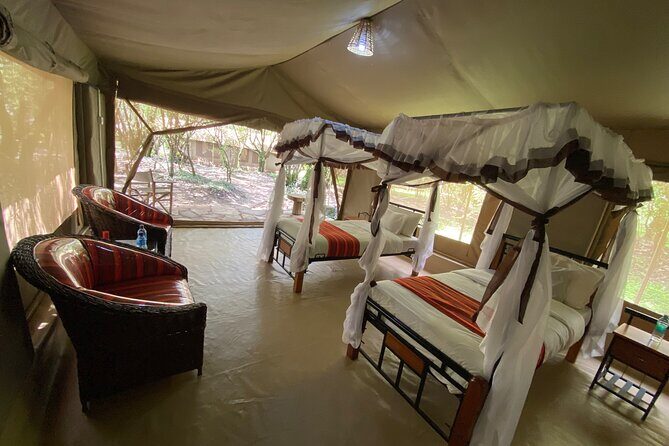
On day 3 you transition from savannah-and-elephants into the Great Rift Valley lakes vibe. After breakfast, you drive comfortably to Lake Naivasha and check in at your resort. Lunch comes after arrival, then you rest.
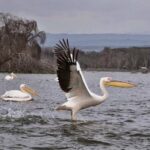
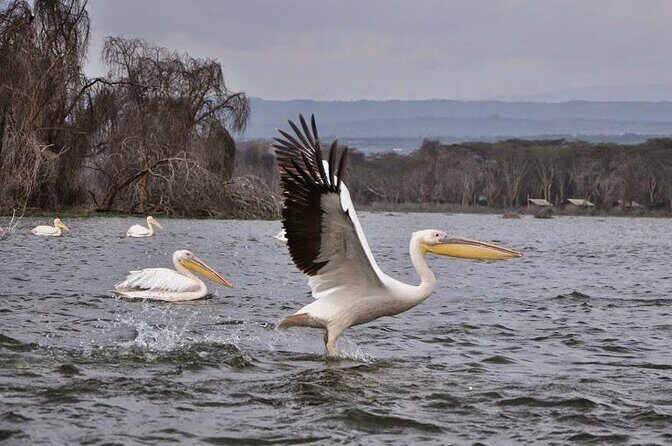
The afternoon includes an optional boat ride to Crescent Island. Even with limited details about the boat portion, the concept matters: Naivasha is a water-based change of pace, so you’re swapping long savannah scanning for shoreline and lake activity. It’s also a shift in wildlife. You’re more likely to notice birds and the way animals use water than the classic Mara-style open-plains chase.
This is also a good day to reset mentally. You’ll be spending multiple days in parks, and Naivasha gives you a lodge/resort feel before the next big wildlife push. Dinner and overnight are at your resort, which keeps the day from feeling like a rushed transfer.
One practical consideration: “optional” means your experience here will depend on whether you choose it. If you know you love bird life or want a different kind of wildlife viewing, Crescent Island could be a satisfying add-on. If you’d rather keep your energy for Mara, you can use this day as a quieter pivot.
Day 4 Lake Nakuru National Park: flamingos and the chance for rhinos and big cats
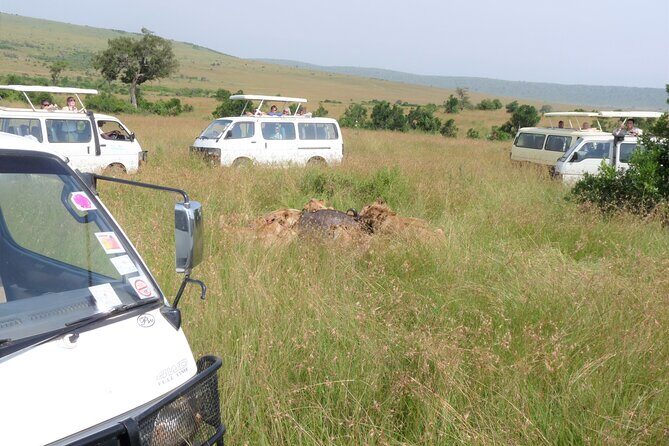
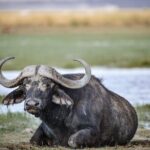
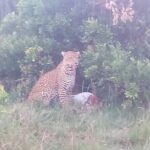
Lake Nakuru is a favorite because it’s not just a single-species highlight. It’s described as home to pink flamingos and a wide spread of wildlife, including both black and white rhino, lions, leopards, giraffes, and buffalo.
You start the day with breakfast, then depart for Lake Nakuru and arrive around mid-morning. Check-in and lunch happen first, then you head into the park for an extensive afternoon game drive.
Why the afternoon drive works here: Lake Nakuru is tied to water and open views, so you’ll often get good sightlines and a strong variety of animal behavior as the day changes. An afternoon schedule also gives you time to settle in without feeling like you lost an entire day to transit.
The “ecosystems” angle is important. This park has diverse habitats, from open grasslands to dense woodlands. That variation tends to create more unpredictable drives. In one stretch you might spot species that prefer open areas; in another, the terrain might encourage you to use patient scanning and listen for movement.
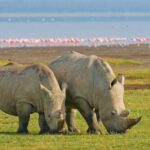
If you’re someone who cares about rhinos, Lake Nakuru is worth the stop. The fact that both black and white rhino are listed as possible wildlife means you’re not just hoping for one lucky sighting type. You’re building your chances for variety.
The only real drawback to plan for is that Nakuru can be wildlife-dense but not guaranteed to deliver the full bingo list every time. Safari viewing always has randomness. Your best strategy is to stay flexible with where you focus your attention and trust your guide’s routing inside the park.
Days 5–6 Masai Mara: big plains, predator energy, and wildebeest migration timing
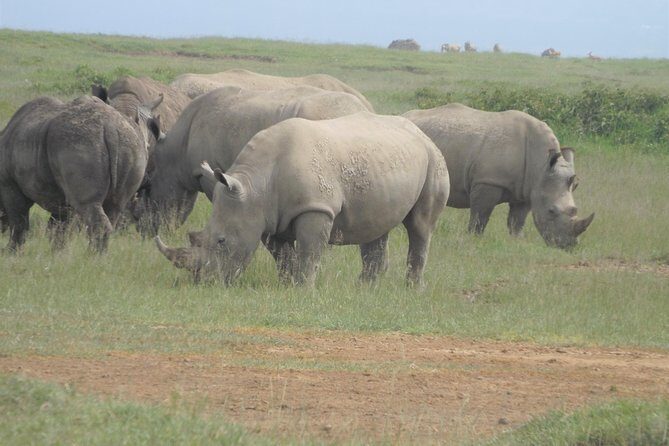
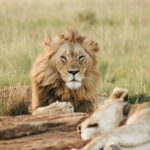
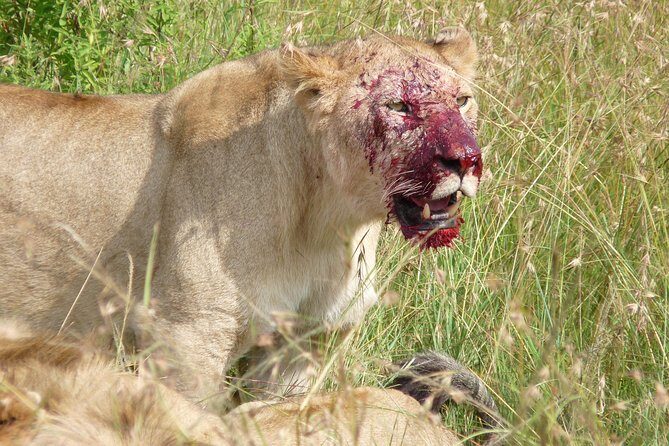
Then you hit Masai Mara, and it’s a different kind of safari. The reserve is known for the classic golden savannah look: flat grasslands with grazing, ideal terrain for the kind of fast, visual hunting you associate with cheetahs.
You arrive from Lake Nakuru on day 5, greeted by the camp with lunch. After rest, you do a game drive inside the park. Day 6 is your full day of game viewing with a packed lunch served picnic-style inside the reserve.
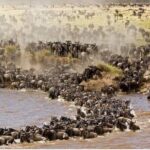
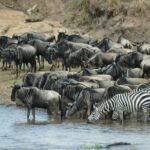
The biggest seasonal draw is the wildebeest migration. The tour info calls out that from about July, around two million wildebeest traverse the Mara River into the Masai Mara National Reserve to feast on fresh savannah. If you’re traveling in or near that window, your safari can feel like it has a storyline. Even outside peak migration timing, Mara still delivers because it’s built for spotting: wide sightlines and frequent animal presence.
What makes the Mara days satisfying is the mix of scenery and animal behavior. The land is open, so your brain can follow movement quickly. Predators can appear in ways that feel more immediate than in denser vegetation parks. And prey movement can lead to sudden, focused sightings.
Another plus: these are longer days. Day 6 is set up as a full day drive, which means you’re not constantly checking off a list and then rushing back. You’re allowed to slow down and wait for the right moment.
If you dislike long drives, the route to and within Masai Mara might test your patience. But that’s the trade for being in one of Africa’s top safari ecosystems. In this case, the tour keeps you in the reserve long enough for those hours to feel worth it.

Day 7 Nairobi and the Maasai village visit: finishing with culture, not a scramble
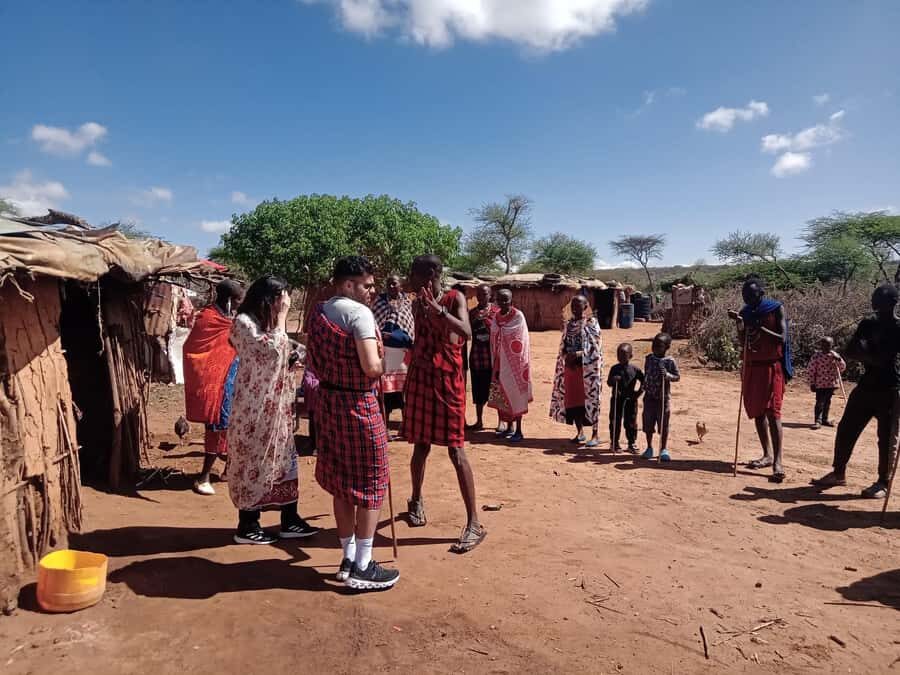
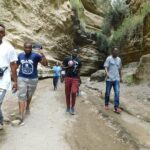
Day 7 is designed as a lighter close. After breakfast, you visit a Maasai village to learn about Maasai culture, then depart to Nairobi. You’ll be dropped off at your city hotel or JKIA Airport.
This is a nice way to break the safari rhythm. You’ve been focused on animals and habitats for the entire week, and this day gives you a human layer. The tour doesn’t spell out specific village activities beyond learning about Maasai culture, but the intent is clear: connect what you saw in the parks to the people whose history and community are tied to this region.
Then you head back to Nairobi with a defined transfer time. The tour notes about 7 hours on day 7, and you’re ending back at the meeting point.
One thing to keep in mind: if you have a late flight, you’ll want to confirm timing once you’re booked, because airport transfers can shift based on traffic and exact drop-off point.
Price at $2,985: does this 7-day itinerary feel like value?
At $2,985.08 per person for about 7 days, this isn’t a budget-only safari. The value question is really about what’s included and how efficiently the time is spent.
Here’s what the itinerary explicitly supports:
- Private safari format
- Transport in a 4 x 4 land cruiser jeep
- Park admission listed as free for the park days in the plan
- Mobile ticket
- Pickup offered and Nairobi meeting-point start
- Multiple substantial park days: two in Amboseli, two in Mara, plus two Rift Valley lake days
If you compare “value” in safari terms, you’re paying for access and time. A private jeep can make a noticeable difference in flexibility and comfort. Spending two full days in both Amboseli and Masai Mara is also a strong use of limited vacation time. Many shorter itineraries cram too much in and you lose the chance for repeat sightings and better timing.
A consideration: Kilimanjaro views depend on cloud cover. That means a chunk of your paid experience is weather-dependent for the mountain portion. You’re still getting Amboseli wildlife either way, but the view payoff can vary.
You should also be aware that “admission ticket free” is listed in the itinerary for multiple days. If you’re budgeting carefully, you’ll want to double-check what that means in your final booking documents, since safaris sometimes separate park fees, guide fees, and other inclusions. Your listing says admission ticket free in the plan, but your final confirmation is what matters.
Overall, this reads like a strong “classic Kenya hits” safari with enough time in each place to make the week feel full, not rushed.
Should you book this 7-day Amboseli–Naivasha–Nakuru–Mara safari?
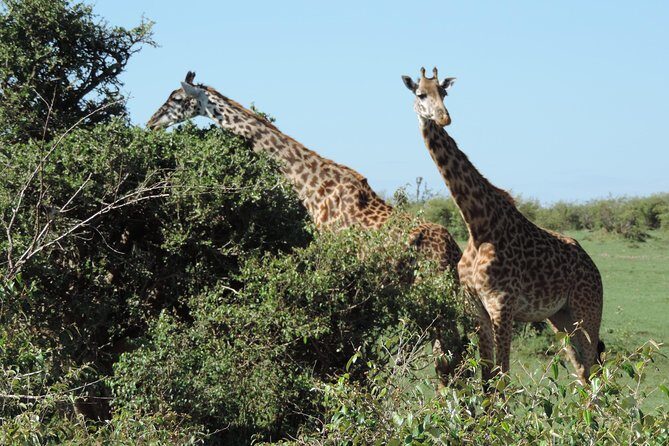
If your goal is a well-paced sampler of Kenya’s most famous safari regions, this is a sensible pick. You get two solid days each in the two anchor parks (Amboseli and Masai Mara), and you don’t skip the Rift Valley lakes that make this part of Kenya feel so different from one long savannah drive.
Book it if:
- You want a private safari experience with your own group
- You care about elephants in Amboseli and the possibility of Kilimanjaro visibility
- You like the idea of mixing lake wildlife days with Mara’s open-plains action
- You’re traveling around the wildebeest migration window (about July) or just want Mara at its most dramatic
Skip it or think twice if:
- You’re allergic to long travel days between regions
- You’re expecting a guaranteed Kilimanjaro view on a specific day
One last practical note: guidance quality can shape how much you enjoy the week. A guide name that shows up in this company’s experiences is George Ostieno, described as friendly, polite, helpful, and knowledgeable. If you’re able to request your guide or confirm who you’re assigned, do it.
FAQ
Is this tour private, and will it just be my group?
Yes. It’s listed as a private tour/activity, meaning only your group will participate.
Where does the safari start, and what time does it begin?
The meeting point is YWCA Kenya – National Headquarters on Nyerere Rd in Nairobi, and the start time is 7:00 am.
What kind of transportation is used during the safari?
The tour uses transport in a 4 x 4 land cruiser jeep.
Which parks and lakes are included in the 7 days?
The itinerary covers Amboseli National Park, Lake Naivasha, Lake Nakuru National Park, and Maasai Mara National Reserve, plus a Maasai village visit and Nairobi at the end.
Is there an optional activity at Lake Naivasha?
Yes. The afternoon at Lake Naivasha includes an optional boat ride to Crescent Island.
Do I have to buy park tickets separately?
In the itinerary, admission ticket is marked as free for multiple park days, and it’s listed as included for Lake Naivasha. Your booking confirmation will be the best place to confirm what that means for you.
What happens on the last day in Nairobi?
On day 7, you can visit a Maasai village to learn about Maasai culture, then you depart for Nairobi and are dropped off at your city hotel or JKIA Airport.