REVIEW · NAIROBI
4 Days Mount Kenya
Book on Viator →Operated by Equitorial Star Adventure & Safaris · Bookable on Viator
Lenana sunrise gets you moving fast. This 4-day Mount Kenya trek blends the scenic Chogoria approach with a summit morning at Lenana Point, and it takes care of permits, transport, and most meals so you can focus on the walk. I especially like the route variety—falls, rivers, birding hills, and big camp-to-camp views—and the way the schedule builds in time for stops rather than just marching nonstop. One heads-up: mountain gear isn’t included, so you’ll need to show up prepared for cold mornings and proper footwear.
Equatorial Star Adventure & Safaris runs this as a private experience, and the guidance sounds reliably strong (including noted support from Duncan). If you want a well-run trek with long hiking days, camping nights, and a real summit payoff, this fits.
In This Review
- Key things to know before you go
- Chogoria to Sirimon: the route logic that makes this trek special
- Chogoria drive, 4×4 lift, and the first night at Mt Kenya Bandas
- Minto’s Camp day: Mugi Hills birding, gorges views, and picnic timing
- Sunrise at Lenana Point at 3 a.m., then Sirimon down toward Old Moses
- The gentle finish: Sirimon gate and the drive back to Nairobi
- Price and value: what $990 covers, and where you’ll need to spend extra
- How demanding is it for your body and your schedule?
- Guides, porters, and the food that keeps you moving
- Weather and timing: why your Lenana plan depends on the mountain
- Should you book this Mount Kenya trek?
- FAQ
- How long is the Mount Kenya experience?
- What is the price?
- What route does this trek use?
- What time does the experience start?
- Is this a private tour?
- Are meals included?
- Is hotel accommodation included?
- Is mountain gear included?
- Are tickets and fees included?
- What if weather is poor?
Key things to know before you go
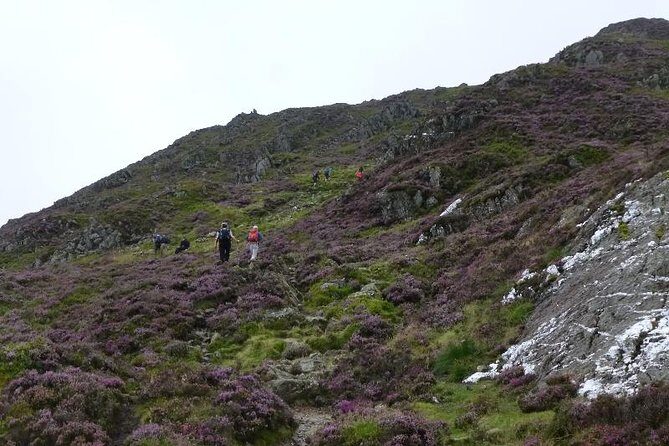
- Chogoria up, Sirimon down: you get different scenery in both directions.
- Early summit plan: a very early start for sunrise at Lenana Point.
- Day-long hiking totals: expect one long day of about 11–12 hours.
- Signature route features: Nithi Falls, Mugi Hills birding, and Lake Michaelson with a temple above it.
- Guides and logistics matter: good organization and solid fueling can make or break summit mornings.
Chogoria to Sirimon: the route logic that makes this trek special
This trek’s big win is that it doesn’t just repeat the same scenery. Going up via Chogoria keeps you surrounded by classic Mount Kenya highlights: you’ll pass the loud and splashing Nithi Falls, move through clean, sparkly rivers and springs, and reach the Mugi Hills area that’s especially good for bird watching. You also get the kind of moment that makes people stop walking—Lake Michaelson, with a temple above it—plus day views over the vast plains below.
Then on the way down, the Sirimon route changes the feel. You’ll be descending through areas known for tall, eye-catching plant life like giant groundsels and lobelia. Practically, that means you’re not just tired and staring at the same slope all day—you’re dealing with different vegetation and different visual cues, which helps when fatigue creeps in.
If you like a trek that feels like a journey (not just a grind), this Chogoria up / Sirimon down pairing is a strong choice.
A few more Nairobi tours and experiences worth a look

Chogoria drive, 4×4 lift, and the first night at Mt Kenya Bandas
Your day typically starts with a drive from Nairobi to Chogoria town for lunch. Then you switch to a 4×4 vehicle to cut down the lower ground before you even start serious trekking. That’s a real advantage at the start. It reduces early fatigue, helps you ease into elevation and effort, and lets you spend your energy on the hours that feel more rewarding.
After that, you hike for about 3 hours through a bamboo forest toward Mt Kenya Bandas. The bamboo section is a good early “set your pace” stretch. It’s not about speed. It’s about getting your rhythm, practicing steady breathing, and keeping your legs from going too hard too soon.
You finish the day with dinner and an overnight at Mt Kenya Bandas, with admission ticket time included. A practical tip: plan for an evening that can feel chilly even if daytime stays comfortable. Layering beats guessing.
What could bother you here: if you’re not used to going from vehicle to forest trail right away, the transition can feel jarring. Go slow for the first hour and let your body catch up.
Minto’s Camp day: Mugi Hills birding, gorges views, and picnic timing
The second day starts early after breakfast, aiming to reach Minto’s camp before dark. That time buffer is important. You’ll still get the magical sceneries of the Chogoria route, but you’re not racing to make camp in full darkness.
On this route stretch, you’ll move through scenery that’s built for slow looking: the giant billiards table, the Mugi Hills (again, bird watching is a highlight here), the Gorges Valley, and big sightlines toward peaks ahead and plains below. You also get picnic lunch and occasional stops to drink and refill water bottles.
This is a longer day—about 9 hours walking time. That changes how you should think about the day. You’ll want to eat and hydrate on schedule, not when you feel like it. When you’re later hungry, it’s harder to settle into the trail rhythm.
One more detail I like: you’re not just hiking between camps. You’re getting “pause points.” Those stops matter because on Mount Kenya, your energy isn’t only physical. It’s mental too.
Potential drawback: with a 9-hour day, you’ll feel every little ache by afternoon. If you’re prone to blisters, bring a plan (like blister-care ahead of time) because the trek gives you less chance to rest than you’d have in a shorter itinerary.
Sunrise at Lenana Point at 3 a.m., then Sirimon down toward Old Moses
This is the heart of the trek—and it’s the part that requires the most flexibility from your body.
You’ll start at around 3 a.m. to catch sunrise at Lenana Point. You can treat this like two separate experiences: the early hours where you’re just trying to be steady and safe on the trail, and then the summit moment when everything clicks into focus. Sunrise adds a whole layer of payoff. You’re not only reaching a high point—you’re doing it when the world is quiet.
After that, you descend to Shimpton’s camp for breakfast, then continue onward to Old Moses for your overnight. The descent via Sirimon is described as gradual and exciting, with time spent moving through the Mackinder’s valley and watching flora and fauna along the way. In total, plan for about 11–12 hours walking.
That number is the reality check for most people. It’s not one big push; it’s a full-day commitment from pre-dawn until you reach camp. Your legs will do a lot of work on the down portions too, not just the climb.
A practical approach:
- Start the day calm. Don’t chase pace in the dark.
- Eat breakfast fully at Shimpton’s so you’re not running on empty later.
- Bring layers for early hours and be ready for shifts in wind or cloud.
Why this day feels worth it: the route is designed so you’re not just “suffering to suffer.” You’re earning the sunrise, then rewarded with plant-rich scenery as you descend.
The gentle finish: Sirimon gate and the drive back to Nairobi
After an early mountain morning, day four is the wind-down. You’ll do a gentle descent toward the Sirimon gate, around 2 hours to 3 hours at most. Then you’ll find the awaiting vehicle to take you back to Nairobi.
In trek terms, this day is relatively kind. That matters because you’ve already done the long grind: a 9-hour day, then a 11–12 hour summit/descent day. By the time you hit the gate, you’ll feel the difference between “working” and “recovering.”
If you plan any post-trek plans, keep them low-key. Even when the trek technically ends, your body might still feel it for a day or two.


Price and value: what $990 covers, and where you’ll need to spend extra
At $990, you’re not just paying for a guide to walk with you. You’re also paying for the structure that makes a Mount Kenya trek run smoothly:
Included in the price:
- All fees and taxes
- Private transportation
- Admission tickets included
- Meals: 4 lunches, 4 breakfasts, and 4 dinners
- Pickup offered
- A mobile ticket
Not included:
- Mountain gear
- Soft drinks & alcohol
- Hotel accommodation
So where does the value land? For many travelers, the biggest hidden cost on a mountain trip is the logistics: permits, transport timing, and the effort of coordinating meal stops and camp-to-camp movement. This package handles those pieces up front, which is exactly what you want when you’re dealing with a very early Lenana start.
The only major value gap is gear and your own hotel lodging. If you already own trekking boots, a warm layer system, and what you need for high-altitude hiking, you’ll likely feel great about the cost. If you need to buy a lot of equipment last minute, factor that into your total budget.
Also keep in mind: this is marked for moderate physical fitness. That’s encouraging, but the day totals still include a long summit/descent day.
How demanding is it for your body and your schedule?
Based on the walking time, you should plan for a trek with real stamina demands:
- Day one: about 3 hours
- Day two: about 9 hours
- Day three: about 11–12 hours
- Day four: about 2–3 hours
That means this isn’t a “nice hike” trip. Even if you’re comfortable walking, the combination of steep trail sections, early hours, and long total time means you need endurance. The good news is that it’s split across multiple days with camping nights, not one huge continuous push.
Your best move is to show up with some trekking base already. If you can handle several hours of steady walking and you’re used to shifting effort (up, down, uneven ground), you’re more likely to enjoy the trip instead of just surviving it.
Possible drawback: if your schedule only allows low-intensity travel, the early start plus the longest day might feel like a shock.
Guides, porters, and the food that keeps you moving
One of the most consistently praised parts of experiences like this is not the scenery—it’s the human support that keeps you safe and fueled.
The trek is tied to Equatorial Star Adventure & Safaris, and feedback has highlighted top-quality guiding, friendly and flexible service, and professional care. A guide named Duncan is specifically noted for organizing hikes, and there’s mention that the team made sure people had enough food and water to stay powered through the day.
It’s also mentioned that porters and strong camp support were part of the trek setup. Even if you don’t think about porters until later, they can change how the hike feels. Less weight on you can make a huge difference on summit-day pacing and on long descents.
On the food side, you’ll get a steady structure: breakfast, lunch (including a picnic lunch), and dinner across the days. The practical value is that you’re not scrambling mid-trek for calories. You can stick to a routine, and routine is a comfort on cold early mornings and long walking days.
Weather and timing: why your Lenana plan depends on the mountain
This experience requires good weather. If weather prevents the trek, you should expect a change in date or a full refund option.
That’s not a small detail. On Mount Kenya, cloud cover and conditions can determine whether sunrise timing and trail safety work out. If your calendar is tight, consider booking with some breathing room so a weather shift doesn’t ruin your whole trip.
Should you book this Mount Kenya trek?
If you want a classic Mount Kenya experience with a real summit moment, this is a solid pick. The Chogoria route features—Nithi Falls, clean rivers and springs, Mugi Hills for birding, and Lake Michaelson with its temple viewpoint—are exactly the kind of variety that makes a trek memorable. Then the Lenana Point sunrise plan gives you a clear goal, and the Sirimon descent adds plant-rich scenery like giant groundsels and lobelia.
I’d especially recommend it if:
- You’re okay with early mornings and long hiking totals (including a full 11–12 hour day).
- You want a private, organized experience with meals and permits handled.
- You prefer route variety over repeating the same trail twice.
I wouldn’t book it if:
- You don’t have (or plan to rent) proper mountain gear, since it’s not included.
- You’re not comfortable with the long day and the pre-dawn start.
If you meet those fitness and prep requirements, you’ll likely feel like the timing and routing were designed for payoff, not just boxes checked.
FAQ
How long is the Mount Kenya experience?
It runs for about 4 days.
What is the price?
The price is $990.
What route does this trek use?
You’ll go up via the Chogoria route and descend via the Sirimon route.
What time does the experience start?
The start time is 7:30 am.
Is this a private tour?
Yes. It’s a private tour/activity, and only your group participates.
Are meals included?
Yes. The package includes 4 breakfasts, 4 lunches, and 4 dinners.
Is hotel accommodation included?
No. Hotel accommodation is not included.
Is mountain gear included?
No. Mountain gear is not included.
Are tickets and fees included?
Yes. All fees and taxes are included, and admission tickets are included as well.
What if weather is poor?
The experience requires good weather. If it’s canceled due to poor weather, you’ll be offered a different date or a full refund.