REVIEW · NAIROBI
3 Days Masai Mara Experience
Book on Viator →Operated by Kenyana Wildlife Safaris · Bookable on Viator
Three days in Masai Mara starts fast. This safari strings together a 7:00 AM Nairobi pickup, a Great Rift Valley viewpoint photo break, and guided game drives in a customized open-roof vehicle. I like the pace: you get out early, return with time to rest, then head out again with fresh eyes.
I also like the way the day is built around real animal action. You’ll have a full-day game drive with a packed lunch served while you scan the savannah, plus time near the Mara River for Nile crocodiles and hippos along the water’s edge.
One thing to plan for: the park entry fees and your Masai Mara lodging aren’t included. That means your true total depends on season pricing and which camp or hotel you choose.
In This Review
- Key highlights you’ll actually use
- Day 1: Nairobi to the Mara, with a Rift Valley photo stop
- Day 2: Full-day Masai Mara game drive and Mara River wildlife
- Day 3: Masai village visit, support, and the gift-shop finish
- Price and value: what $990 covers, and what to budget for
- What the small group size changes in the real world
- How to plan your day for better wildlife odds
- Is the Masai Cultural Village worth your time?
- Should you book this 3-day Masai Mara experience?
- FAQ
- What does the $990 group price include?
- Is pickup included?
- Are Masai Mara park entry fees included?
- How much are park entry fees?
- Is accommodation included in the tour price?
- What activities are included during the 3 days?
- Is lunch included?
- How long is the driving each day?
- What is the maximum group size?
Key highlights you’ll actually use
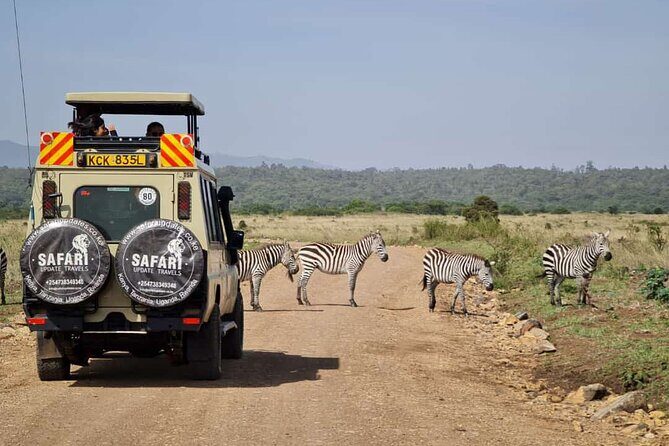
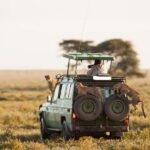
- Open-roof safari vehicle time for better sightlines while the guide works the best routes
- Great Rift Valley viewpoint on the way out of Nairobi for stretch-your-legs photos
- Full-day Masai Mara drive with packed lunch served during the outing
- Mara River stop for Nile crocodiles and hippos basking near the shoreline
- Masai Cultural Village visit with community support built into the experience
- Up to 8 travelers for a smaller-group feel and easier coordination on drives
Day 1: Nairobi to the Mara, with a Rift Valley photo stop
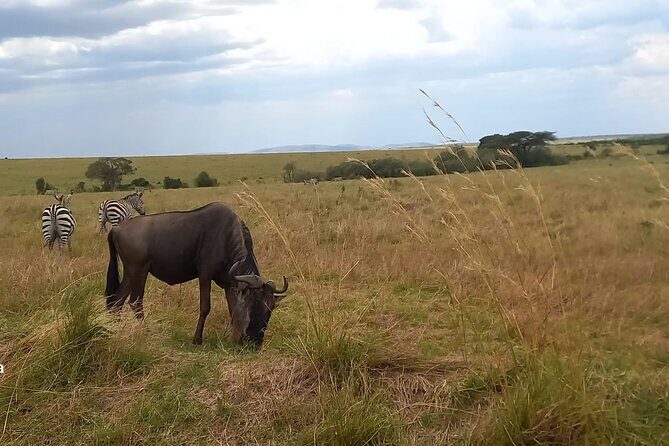
Your day starts with a pickup in Nairobi’s Central Business District at 7:00 AM. From there, you’ll climb into a customized safari vehicle and meet your guide for a quick itinerary briefing. The early start matters here. Masai Mara is a long day of eyes-on-the-wildlife, and you want those prime hours when animals are more likely to be moving.
Before you reach the reserve, you’ll stop at the Great Rift Valley viewpoint. This isn’t a random break. It’s your chance to see the big geographic story Kenya is built on—gorges, high ridges, and that dramatic Rift scenery that makes everything feel real before you even reach the plains. Bring a phone or camera you can reach quickly; you’ll want a clean shot without fighting for position.
Plan to arrive around 1:00 PM for lunch at your camp or hotel. Then you check in, drop your bags, and get a few quiet hours before the first evening drive. I like this structure because it avoids the nonstop grind. You’ll still have a full day, but you’re not expected to game-drive straight from the long drive without downtime.
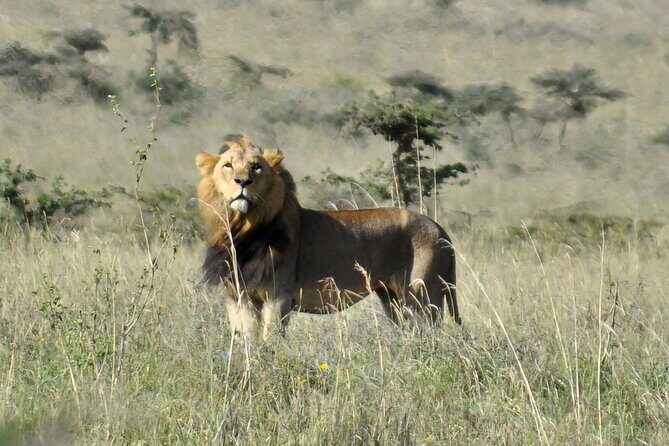
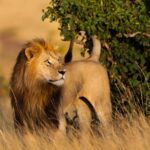
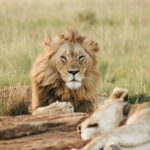
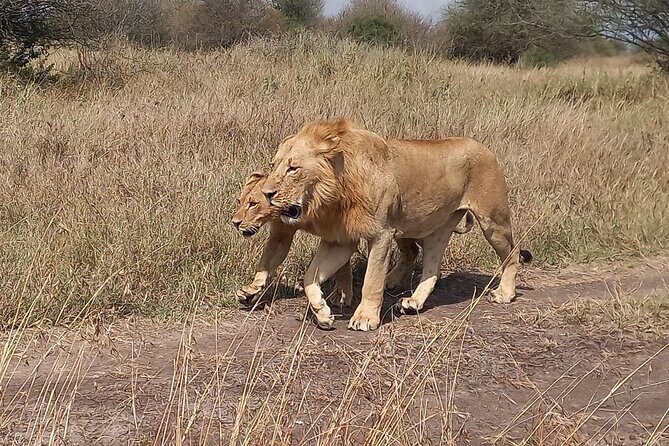
By about 3:30 PM, you’ll head back out. The tour includes park entrance fees at this point, and the emphasis is on wide, 360° viewing of wildlife and the surrounding area. You’ll be on the lookout for the Big Five, and the tour specifically calls out Lions and Elephants as part of what guides aim for.
Practical tip: evening drives can feel cooler, but you’re still in safari weather. Layer up, and expect dust. A quick wipe-down for your camera or glasses after each stop will save you headaches later.
A few more Nairobi tours and experiences worth a look

Day 2: Full-day Masai Mara game drive and Mara River wildlife
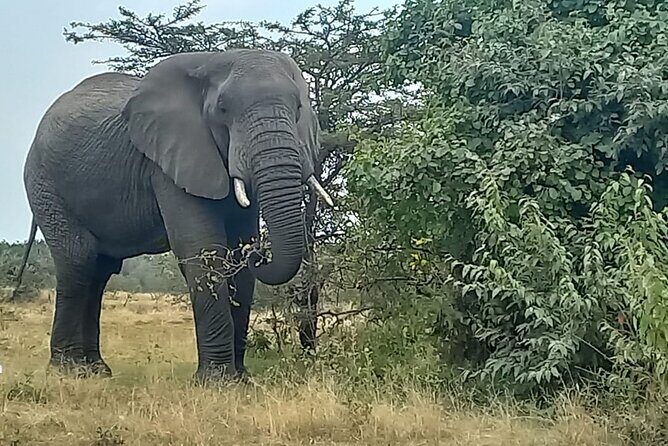
Day 2 is a full day focused on one thing: staying out long enough to see animals in multiple moods. You’ll head out for a guided drive inside Masai Mara for about 9 hours. The tour uses packed lunch boxes served inside the reserve, under trees, with the savannah grasslands as your backdrop. That’s a big deal. When your lunch happens in the field, you lose less prime viewing time.
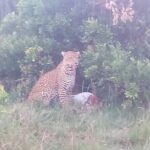
Here’s what you’ll appreciate if you’ve done other safaris: the guide isn’t just driving randomly. The plan is to aim for active areas—the hot spots where animal movement is more likely. And there’s a reason this matters. Predators don’t behave on a perfect schedule. Lions, cheetahs, and other hunters often show up when the timing is right for them, not for your itinerary.
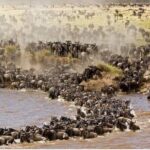
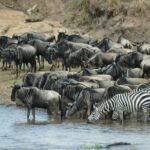
The tour includes a stop at the Mara River area, where you get to look for Nile crocodiles and hippos basking near the water. If you’ve ever wanted a safari moment that feels a little different from grassland grazing, this is it. Hippos tend to be visible in ways that other animals aren’t, and crocodiles at the river edge can be surprisingly easy to spot once you’re in the right viewpoint.
You’ll also get a washroom break with clean cloakroom facilities before continuing the drive. That sounds basic, but it changes your comfort. Long drives go from exhausting to manageable when the breaks are planned rather than improvised.
You’ll return to your hotel by about 4:00 PM, then you have time to freshen up and relax before dinner. If you’re traveling with jet lag or just want energy for the final day, this built-in recovery window helps.
Practical tip: if you’re serious about photos, use Day 2 as your main shooting day. Pack batteries and keep a small cloth ready for lens smudges. Even with good visibility, dust and glare happen, and you’ll want to be ready.
Day 3: Masai village visit, support, and the gift-shop finish
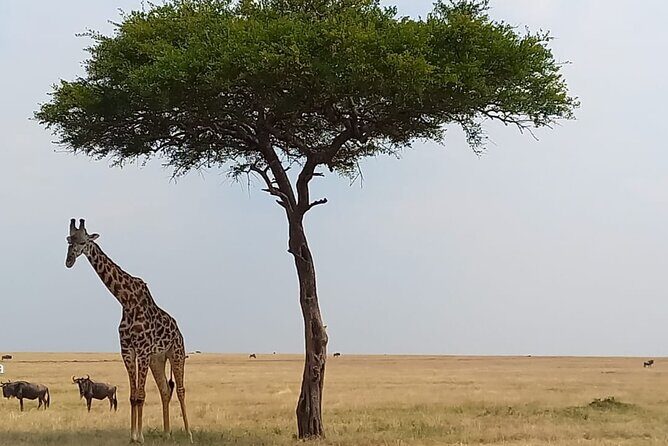
After breakfast, you check out and head back toward Nairobi. The tour doesn’t rush this day into another long drive—it adds a cultural stop that’s part education, part community support, and part reality check about tourism’s impact.
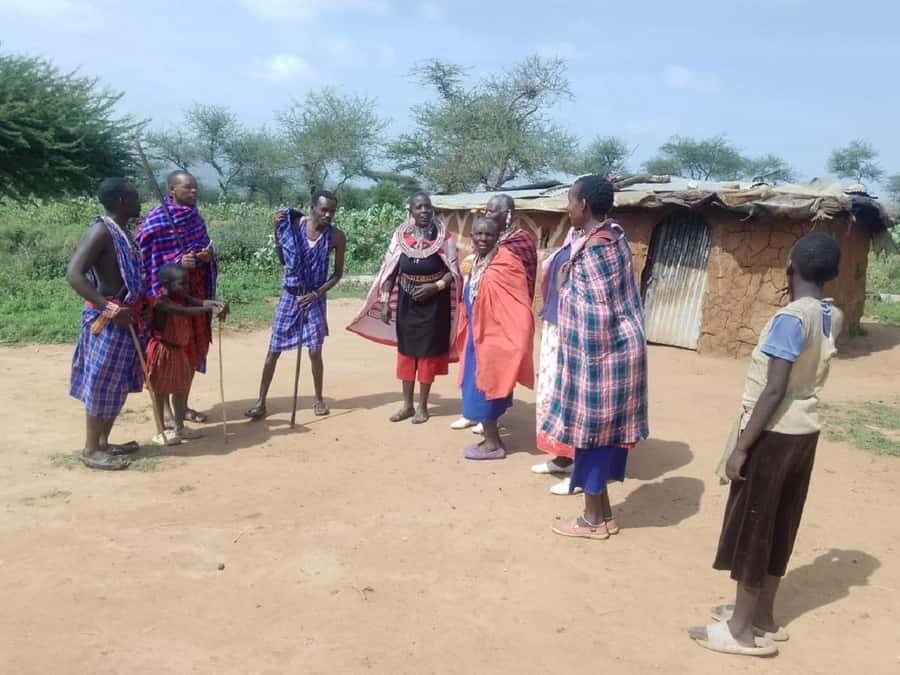
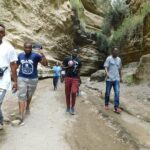
You’ll visit a local Masai cultural village en route to Nairobi. The experience is guided by a representative who explains what the visit involves and focuses on the community side of the experience. The tour also includes a specific support contribution: each traveler supports the community with approximately USD 30.
That number is important because it turns the cultural stop from a passive photo opportunity into something more direct. You’re not just watching; you’re funding local needs through the visit structure. That said, you should approach the village visit with the mindset of a guest—ask questions respectfully, don’t treat people like props, and remember this is their daily life, not a stage show.
After the cultural stop, you’ll make one more practical move: a souvenir or gift shop visit. This is where you can buy a present for loved ones and keep a piece of the trip with you. It’s a normal ending to a safari day, and it helps you avoid scrambling for last-minute items once you’re already tired from driving.
You’ll be dropped back at your hotel or airport around 5:00 PM. That timing is useful if you’re planning an evening flight, and it also makes this tour feel less like a full-day “mission” and more like a well-paced wrap-up.
Price and value: what $990 covers, and what to budget for
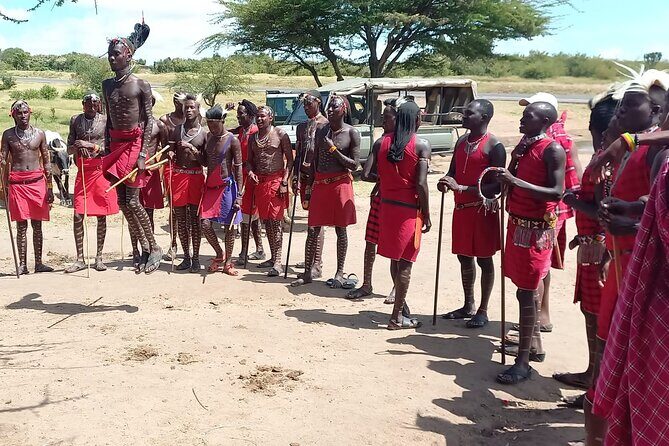
The price is listed as $990 per group for up to 8 people. That group pricing is the part that can swing your budget the most, because it’s not a straight per-person rate. If your group fills close to 8, your cost per person drops a lot. If only a few people book, your per-person share rises.
Here’s the key trade-off: the $990 covers the core logistics—round-trip transportation between Nairobi and Masai Mara—and drinking water during travel. It does not include accommodation, and it also does not include park entry fees.
Park entry fees are a separate line item:
- Adults: USD 200 in high season, USD 100 in low season
- Children: USD 50
So your total trip cost usually comes together like this:
1) the group safari price
2) park entry fees per person
3) your camp or hotel night(s) at Masai Mara
4) the Masai village support contribution (about USD 30 per traveler)
Accommodation not being included is common for safari packages, but it’s worth flagging clearly. Your “best value” choice depends on whether you want a comfortable base near the action or a more budget-friendly camp style. If you pick a mid-range camp, you’ll still likely feel the value of having the transportation and guiding handled.
One practical tip for budgeting: if you’re traveling in a group, ask how many people are likely to be in your departure. With a small-group max of 8, the number in your group can change what you pay more than almost anything else.
What the small group size changes in the real world
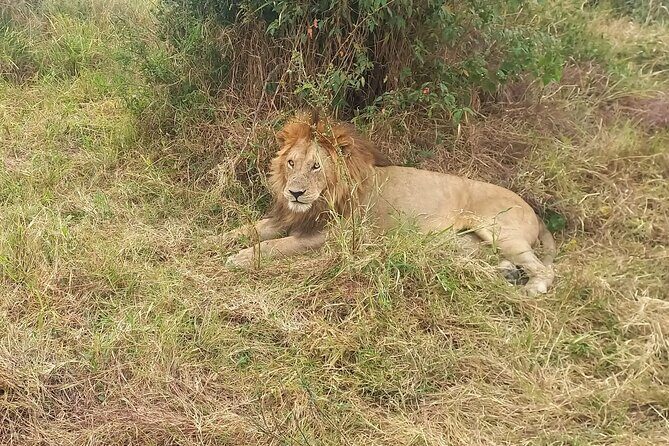
This safari caps at a maximum of 8 travelers. That small ceiling matters more than it sounds. Fewer people mean less crowding inside the vehicle, easier movement when you stop for photos, and a smoother rhythm for your guide to manage sightings.
It also affects how quickly you can react on game drives. When animals appear, guides often need you to be ready—camera up, eyes on, and no one fighting for space or footing. With a smaller group, you tend to get a more comfortable flow.
I also like that the tour includes pickup from Nairobi’s Central Business District and ends back at the same meeting point. For many people, that removes a headache on arrival and departure days. It’s one less thing to coordinate when you’re already juggling flight schedules.


How to plan your day for better wildlife odds
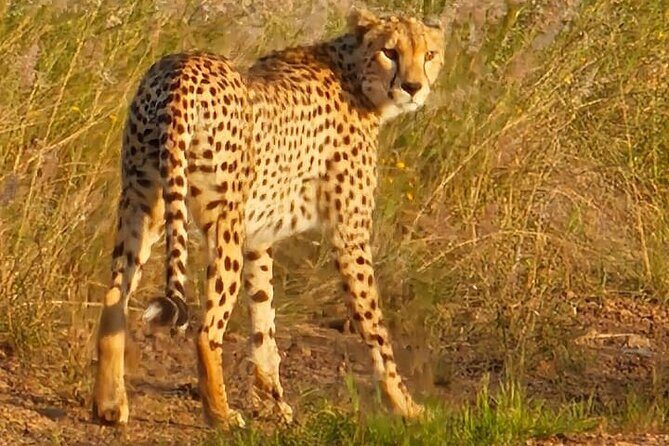
Even with the best planning, wildlife is wildlife. You can’t force a cheetah into a timetable. What you can do is show up ready and make the most of the hours the tour gives you.
A few practical ways to get more from the experience:
- Use Day 2 for your most focused viewing. It’s the full-day drive and includes Mara River time.
- Keep layers handy. Morning and evening can feel different, especially when you’re outside for long stretches.
- Expect dust. Pack a small lens cloth and consider sunglasses or a hat for sun glare.
- Bring a flexible attitude about when animals show. The whole point of a guided route is that your guide can shift attention to activity.
The safari is also built around guide-driven sighting choices. In real safari terms, that means you’re not just following a straight script. A strong guide aims to position you where action is more likely—and that often leads to the unforgettable moments people remember, like big cat drama and sudden predator activity.
Is the Masai Cultural Village worth your time?
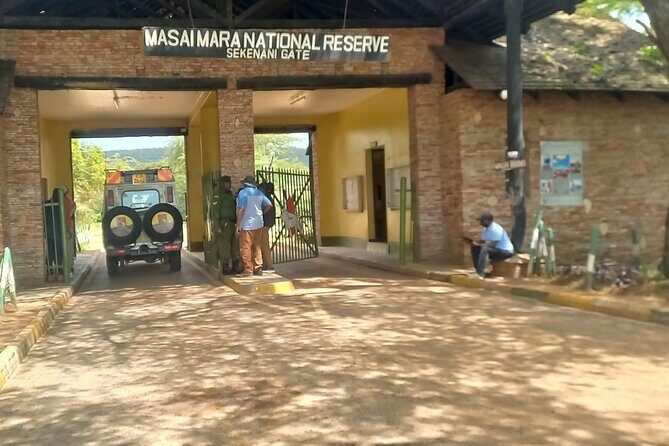
For me, the cultural stop is the balancing act that makes this safari more than just a wildlife outing. Two days of game drives can blur into one long “look at animals” block. The Masai village visit resets the trip and adds context for what you’re seeing in the wider Masai Mara region.
You’ll get explanation from a spokesperson about what the visit includes, and you’ll support the community with about USD 30 per traveler. That support piece is the reason I consider it meaningful. It shifts the experience from extraction (taking photos) toward contribution (funding needs through the visit structure).
A realistic expectation: it’s still a short stop within a 3-day tour. You won’t leave with a full academic course. But you will leave with a better sense of how tourism affects daily life and how Maasai culture is presented to visitors through their own voices.
If you go in curious and respectful, you’ll get more out of it than if you treat it like a quick photo line.
Should you book this 3-day Masai Mara experience?
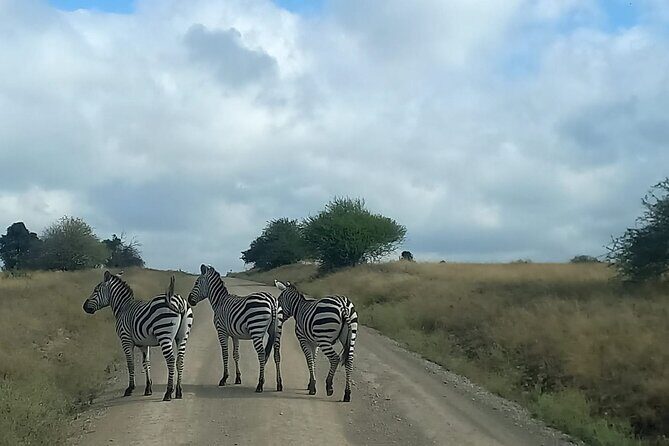
Book it if you want a well-paced safari that prioritizes guided game drives and gives you a structured chance for the Mara River moments, plus a cultural village visit with built-in community support. The small group limit and the open-roof vehicle style are also good signals for comfort and sightlines.
Think twice if you already know you’ll pay for premium lodge experiences and you want every cost wrapped into one all-in price. Since accommodation and park entry fees are separate, your final total can climb depending on season and where you stay.
If you’re price-checking, do the math for your likely group size and add park fees up front. Once you budget for that, this tour’s value is strong: it handles transport, guiding, and the key safari days without forcing you to stitch together logistics on your own.
FAQ
What does the $990 group price include?
It includes round-trip transportation from Nairobi to Masai Mara and back, plus drinking water during travel. Accommodation and park entry fees are not included.
Is pickup included?
Yes. Pickup is offered from Nairobi, with start time at 7:00 AM from the Central Business District meeting point.
Are Masai Mara park entry fees included?
No, park entry fees are not included.
How much are park entry fees?
Adults pay USD 200 in high season or USD 100 in low season. Children pay USD 50.
Is accommodation included in the tour price?
No. You’ll need to book your own accommodation, though the operator can advise on hotels.
What activities are included during the 3 days?
You’ll do guided game drives in Masai Mara, visit a Great Rift Valley viewpoint for photos on the way out, stop at the Mara River area for viewing hippos and Nile crocodiles, and visit a Masai cultural village on the final day.
Is lunch included?
You’ll have packed lunch boxes during the Day 2 game drive, served inside the reserve. Lunch timing on Day 1 is around 1:00 PM after arrival at the camp or hotel.
How long is the driving each day?
Day 1 is listed as about 9 hours, Day 2 about 9 hours, and Day 3 about 5 hours.
What is the maximum group size?
The tour has a maximum of 8 travelers.