REVIEW · NAIROBI
3 Days Masai Mara Chui Resort Tour from Nairobi
Book on Viator →Operated by AXIS AFRICA SAFARIS · Bookable on Viator
That first sight of the Mara is a gut-check.
This 3-day safari mixes big wildlife days with an easy, built-for-you flow from Nairobi into Masai Mara National Reserve, with an added Great Rift Valley viewpoint stop and guided game drives timed to when animals actually move. The stay is at Midrange Mara Chui Resort with self-contained tents, so you’re not living out of a duffel.
What I like most is how the plan protects your time: early starts for game drives, solid meal pacing, and transport handled end-to-end from hotel pickup to your Nairobi return. I also really value the guide help with spotting and reading animal behavior, and names that kept showing up in the experience stories include Jack, Kevin, Caleb, Dickson, Julius, Solomon, and Moses. The only real drawback to clock now is that the accommodation is described as midrange, not luxury, and there’s an optional walking safari to a Maasai village that costs extra (typically USD $10–$20 per person).
In This Review
- Key things that make this safari work
- From Nairobi to Masai Mara: the drive that sets the tone
- Mara Chui Resort: your midrange base with self-contained tents
- Day 1: Rift Valley stop, arrival for lunch, then a late game drive
- Day 2 full day in Masai Mara: the Mara River plus optional Maasai village walk
- Day 3: sunrise drive, breakfast at camp, and back to Nairobi by 3:30 pm
- Guides, spotting power, and how the best moments happen
- Price and what $1,014 gets you (and why it can be fair)
- What to expect day-to-day: timing, meals, and comfort rhythm
- Who should book this Masai Mara Chui Resort tour
- Should you book this 3 Days Masai Mara Chui Resort Tour
- FAQ
- How long is the Masai Mara Chui Resort tour?
- Where does the tour start and end?
- What time does the tour start?
- Is pickup from my hotel included?
- What accommodation is included for the night?
- Are meals included?
- What game drives are included?
- Is park admission included?
- Is the walking safari to a Maasai village included?
- What is the group size limit?
- How does free cancellation work?
Key things that make this safari work
- Early game drives that start before the day gets hot, including a morning drive on Day 3
- Great Rift Valley viewpoint stop en route, giving you a quick photo win before the Mara
- Full day in the reserve with time by the Mara River and lunch inside the park
- Midrange Mara Chui Resort base with self-contained tents for a comfortable reset
- Big-cat and predator focus guided by people like Jack, Kevin, Caleb, and Julius who work hard to find action
- Optional Maasai village walk for culture, with pricing handled directly at the village
From Nairobi to Masai Mara: the drive that sets the tone
You start early around the 7:00–7:30 pickup window, and the day’s motion is already underway by the time you’re assembling for the departure (the start time is listed as 8:00 am). That matters because Masai Mara is not a quick hop. You’re committing to time on the road, but this tour also gives you a smart break instead of just boring highway minutes.
The first “nice touch” is the Great Rift Valley viewpoint stop. You’ll have a chance to stretch, grab photos, and orient yourself on what you’re actually driving through. Then you roll on via Narok Town and arrive in time to get settled and still do an afternoon game drive. In other words, Day 1 doesn’t feel like a wasted travel day.
Even if you’re not a road-trip person, you’ll likely appreciate how the schedule is built. It lands you at the reserve around 1:30 pm, then keeps you moving with lunch and a late-afternoon drive before park closure (around 6:30 pm). That’s the first way this tour adds value: it protects the day so you don’t lose the safari momentum.
One practical note: the tour has a maximum of 30 travelers. That’s big enough to feel social, but small enough that your day shouldn’t turn into a slow-moving parade.
A few more Nairobi tours and experiences worth a look

Mara Chui Resort: your midrange base with self-contained tents
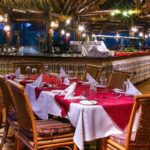
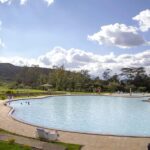
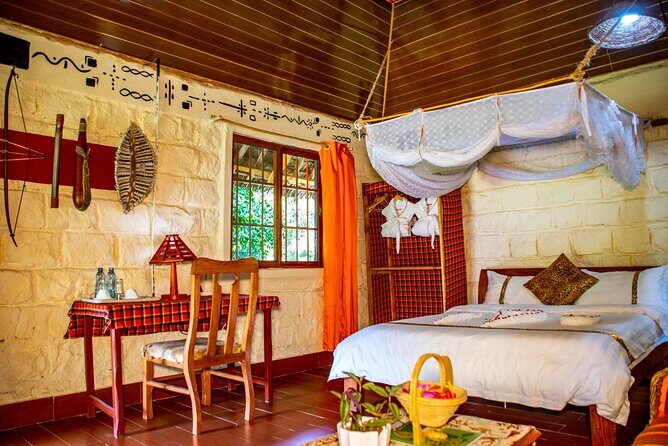
Overnight is at Midrange Mara Chui Resort, in self-contained tents. The wording is simple, but it tells you a lot about the comfort level: you’re not roughing it with shared facilities, and you’re also not paying for a ultra-luxury lodge experience.
From a traveler perspective, that balance is often the sweet spot. You’re in a remote wildlife area. If you spend too much time and money chasing hotel perfection, you risk forgetting why you came: the animals. Staying at a midrange camp usually means your budget goes toward the drives, the park time, and the meals that keep you functioning through early mornings.
What you can expect night-to-night is a real reset after the sun drops. Evening ends with dinner and sleep at the lodge, and the schedule gives you a full night to recharge before the next day’s big push.
In the experience feedback, the camp also comes across as clean and well-run, and that matters more than people think. When you’re doing morning-to-evening game viewing, the quality of your “after safari” comfort turns into a big deal by Day 2.
Day 1: Rift Valley stop, arrival for lunch, then a late game drive
Day 1 has a clear arc: departure, viewpoint, arrival, lunch, and then wildlife time. You’ll be picked up between 7:00–7:30 am to travel to the assembling point, and the safari drive begins around 8:30 am. Along the way, there’s that Great Rift Valley viewpoint stop for pictures.
By roughly 1:30 pm, you should be checking into your respective camp (the overnight base is at Mara Chui Resort). Then comes lunch and refreshments, which is important because Day 1’s schedule is designed so you don’t arrive hungry and cranky.
After that, you head out for a late afternoon game drive inside Masai Mara, until the park closes at around 6:30 pm. That timing is smart. Late day light tends to flatter photos, and animals often become easier to spot as the day cools down.
Also, the safari rhythm on Day 1 is a good test drive of the overall experience style. You’re not forced into a long “first day only” scramble. The tour gives you a reasonable check-in window, plus a meaningful wildlife block in the afternoon.
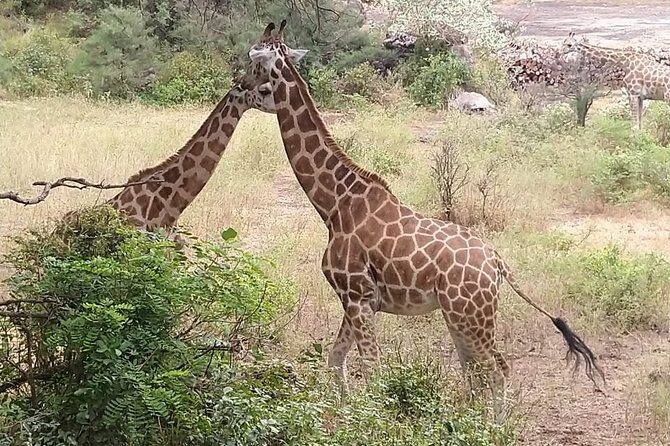
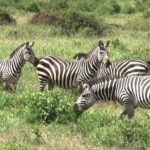
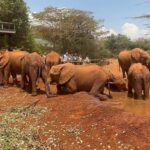
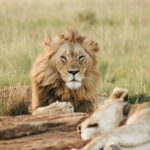
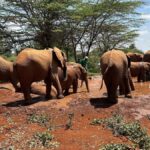
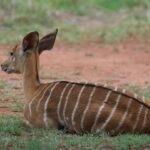
The practical takeaway: if you’re hoping to see lions, elephants, giraffes, or dramatic predator moments, Day 1 is your opening act. It’s not a guarantee, but it sets the stage and gets you into the mindset fast.
Day 2 full day in Masai Mara: the Mara River plus optional Maasai village walk
Day 2 is where the safari really spreads out. You’ll start with an early breakfast, then you’re set up for a full day inside the park. A picnic lunch is included, and it’s taken by the river under a tree inside the reserve. That detail sounds small, but it changes the whole vibe: lunch isn’t just a stop. It’s part of the day’s scenery.
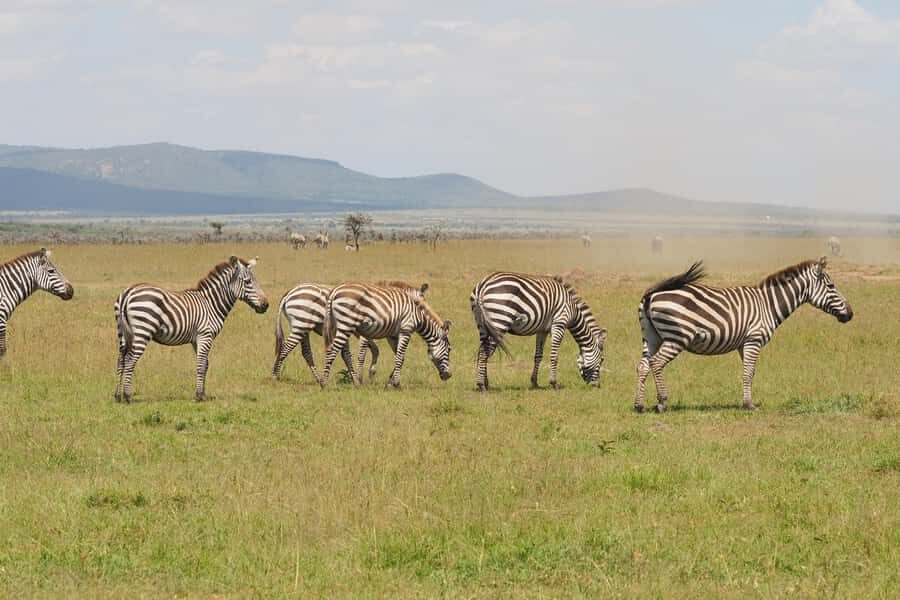
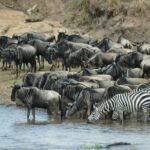
This is also the day that leans into the “Serengeti connection” idea: Masai Mara’s northern part is described as forming the northern segment of the famous Serengeti ecosystem. In practical terms, it means you’re in the kind of area where wildlife concentrations can be intense, and where you may get classic views of rivers, crossings, and predators moving through.
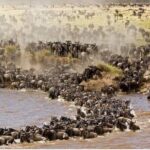
You’ll spend time around the Mara River at the border of Masai Mara and the Serengeti park area. That’s where your eyes will keep getting pulled back and forth between water, grassland edges, and trees holding the next sign of movement.
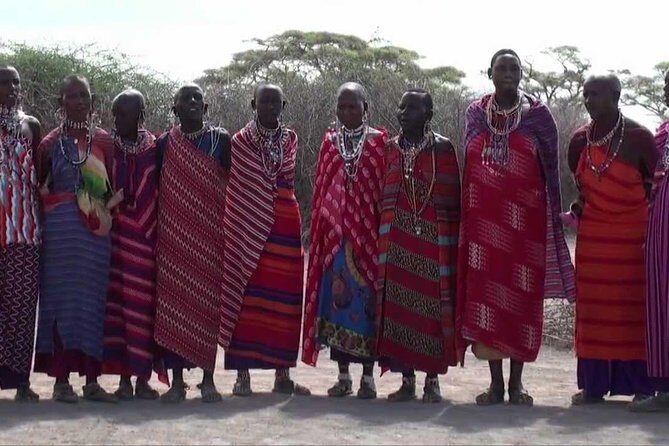
Later, there’s an optional walking safari that leads toward a Maasai village. This is not included, and you’d pay directly at the village (typically USD $10–$20 per person, and described as negotiable). If you want culture with context, it can be a great add-on. If you prefer to keep the day strictly wildlife-focused, you can skip it without breaking the schedule.
Either way, the evening lands you back at camp for dinner and overnight.
Day 3: sunrise drive, breakfast at camp, and back to Nairobi by 3:30 pm
Day 3 starts early again. You’ll go out on a morning game drive until around 8:30 am, then drive back to camp for a full breakfast. After you check out, you head back to Nairobi via Narok Town, arriving around 3:30 pm for drop-off at your hotel.
That means you don’t spend your last day dragging your feet. The safari is still “active” in the early hours, and then you get a normal afternoon back in Nairobi.
The sunrise timing matters for two reasons. First, animals tend to be more active earlier. Second, the day doesn’t heat up as quickly, so sightings can be steadier and photography tends to be easier on the eyes. Even if you’re not taking photos, the cooler morning makes the drive more comfortable.
If you’re thinking about timing flexibility, this itinerary is also easy to plan around. You’re back by mid-afternoon, which can help if you have a flight later that day or plans the next morning.



Guides, spotting power, and how the best moments happen
A safari lives or dies on sightlines and the ability to explain what you’re seeing. This tour’s standout, based on the guide names and repeated praise, is how hard the guides work and how they manage the day.
Names that show up again and again in the experience stories include Jack, Kevin, Caleb, Dickson, Julius, Solomon, Moses, and Abdulah. Across the feedback, the theme is consistent: the guides are patient, they position you well, and they keep searching when you’re trying to find the big action.
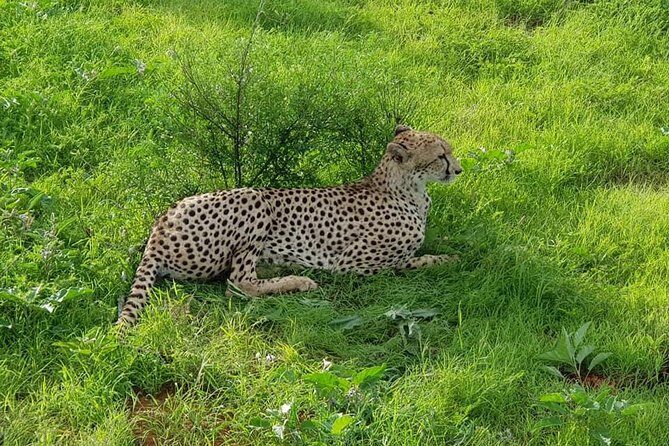
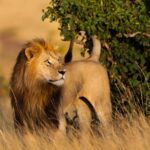
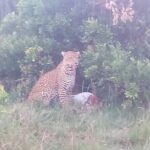
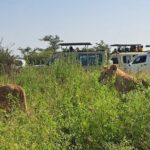
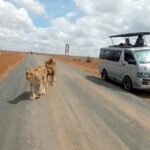
For example, there are accounts of lions being found, of a cheetah hunting moment being tracked long enough for people to really experience it, and of guides staying put when something was unfolding. That’s the kind of “small” decision that changes your safari from just seeing animals to feeling like you witnessed behavior.
You also get a sense that the communication is strong. One review highlights WhatsApp communication for pickup coordination. That kind of practical back-and-forth matters in Kenya, where timing details can make the difference between smooth and stressful.
Here’s the balanced take: wildlife is wildlife. Even the best team can’t force a sighting. But you can choose a tour where the human part—the searching, the patience, the animal-reading—is built in. This one seems to deliver on that.
Price and what $1,014 gets you (and why it can be fair)
At $1,014 per person for about 3 days, you’re paying for more than “a seat on a safari vehicle.” You’re buying a full package: transportation, guided activities, park entry (admission is listed as included on Day 1 and free on Days 2 and 3), and multiple meals. The itinerary includes 2 breakfasts, 2 dinners, and 3 lunches, and it’s built around game drives that actually fit the park’s daily rhythm.
Tack on the overnight at Mara Chui Resort with self-contained tents, and the price starts to make sense as a bundled safari cost rather than scattered expenses.
What’s not included is also clearly laid out. Walking and the Maasai village visit costs extra (USD $10–$20 per person). Tips are expected, and the guideline provided is US $10 per person per day. That tip detail is useful because it stops you from guessing later.
Also, the tour notes it requires good weather. That matters because safari plans depend on visibility and conditions. If conditions are poor, you’ll be offered a different date or a refund. So you’re not just crossing your fingers and hoping.
So is it “good value”? For many people, yes—especially if you want a straightforward, guided, meals-included safari without having to piece together camp logistics and drive timing yourself. If you’re a strict budget traveler who wants maximum independence, you might find cheaper options. But if you value simplicity and time in the reserve, this package looks priced to deliver that.
What to expect day-to-day: timing, meals, and comfort rhythm

This tour has a clear daily rhythm, and that’s one reason it works for real life schedules.
- Morning starts are early, built around getting out for game viewing before the day warms up.
- Lunch is handled inside the reserve on Day 2, which keeps your day from feeling like constant “drive to food, drive back to wildlife.”
- Dinners are at camp, so after the drive you’re not trying to find a restaurant in the dark.
Accommodation is at one base for the three days. That reduces packing stress and helps you settle in. It also makes your evenings more predictable.
One more practical detail: the tour uses a mobile ticket, which can reduce paper chaos when you’re moving between points. It also lists “pickup offered,” so you’re not stuck navigating Nairobi on your own at the start.
Who should book this Masai Mara Chui Resort tour
This safari is a strong fit if you want:
- A short safari that still gives you wildlife time on three different moments: afternoon Day 1, full day Day 2, and early morning Day 3
- A comfortable midrange camp base at Mara Chui Resort rather than extreme camping
- A guided experience with strong guide names in the mix—people like Jack, Kevin, Caleb, and Dickson show up as examples of how the day is managed
- Optional culture added only if you choose it (the Maasai village walk)
It may not be the best fit if you’re looking for a luxury lodge experience, or if you dislike early starts and long driving days.
If you’re traveling as a couple, this itinerary is also easy to enjoy. The pacing is logical, you’ll have time in the vehicle together, and the drive-to-activity-to-dinner rhythm keeps things from turning into decision fatigue.
Should you book this 3 Days Masai Mara Chui Resort Tour
I’d book it if you want a guided Masai Mara experience that feels practical, not complicated. The best reasons are the structure: early game drives, real time in the reserve, meals handled for you, and an overnight at Mara Chui Resort where you can actually sleep and recover.
I’d hesitate only if midrange tent accommodation doesn’t work for you, or if you’re allergic to any extra costs for add-ons like the Maasai village walk. The optional walking safari is easy to skip, but it’s good to know it’s not included.
There’s also some risk-management built in: the tour notes it has a good-weather requirement, and if it’s canceled due to poor weather you’ll be offered a different date or a full refund. And cancellation is described as free if you cancel up to 24 hours in advance of the experience start time.
If you’re choosing between doing a safari on your own versus letting a team handle the moving parts, this is one of those packages that earns its simplicity. Your main job is to show up early with the right mindset and be ready for the Mara to do what the Mara does.
FAQ
How long is the Masai Mara Chui Resort tour?
It’s approximately 3 days.
Where does the tour start and end?
The start meeting point is City Market, Muindi Mbingu St, Starehe, Kenya. The activity ends back at the same meeting point.
What time does the tour start?
The listed start time is 8:00 am.
Is pickup from my hotel included?
Pickup is offered, and the tour describes morning pickup from your hotel between 7:00 and 7:30 am.
What accommodation is included for the night?
The overnight stay is at Midrange Mara Chui Resort, with self-contained tents.
Are meals included?
Yes. The tour includes 2 breakfasts, 2 dinners, and 3 lunches.
What game drives are included?
You’ll have a late afternoon game drive on Day 1, a full day exploring the reserve on Day 2, and an early morning game drive on Day 3.
Is park admission included?
Day 1 lists admission ticket included. Day 2 and Day 3 list admission ticket free.
Is the walking safari to a Maasai village included?
No. The walking safari and Maasai village visit are optional, and cost about USD $10–$20 per person, paid directly at the village.
What is the group size limit?
The tour has a maximum of 30 travelers.
How does free cancellation work?
Free cancellation is available. You can cancel up to 24 hours in advance of the experience start time for a full refund.