REVIEW · NAIROBI
3-Day Masai Mara Budget Camping Safari
Book on Viator →Operated by PITA SAFARIS · Bookable on Viator
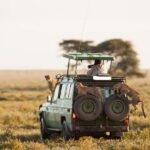
One word: wild. A 3-day Masai Mara camping safari like this keeps it real with sleep-under-the-stars nights and frequent game drives. I especially love the small group size (max 6), which makes it easier to hear your guide and ask questions when an animal pops up. The other big win for me is the 4×4 with a pop-up roof, so spotting and photographing come faster when sightings move.
What to watch for: this is a budget-style camp setup in the reserve, so expect a more basic feel than a hotel and a schedule that’s guided by wildlife, not comfort. In exchange, you get a closer connection to the day-to-day rhythm of the Mara.
And yes, you’re also mixing wildlife with culture. You’ll have time for a visit to a local Maasai village and handmade crafts, and the guide team (including Henry Boge and Peter, in past trips) clearly enjoys sharing what they know. If you want Big Five action with real atmosphere—and you’re fine with camping days and dust—this plan fits well.
In This Review
- Key highlights worth planning for
- Why the Masai Mara camping style can be great value
- Nairobi to the reserve: the drive matters more than you think
- Day One in the Mara: check-in, lunch, then your first real sightings
- What morning drives do for your Big Five odds
- Big Five time: what you should look for besides the headline species
- Packed lunch spots and why you shouldn’t rush them
- Maasai village visit: culture you can’t get from a photo
- Camping logistics: included gear, included meals, and what to pack
- Who this safari fits best
- Price and logistics: what you should factor before you book
- A quick reality check on the “3 days” timeline
- Should you book this Masai Mara budget camping safari?
- FAQ
- What time does the safari start?
- Is pickup from Nairobi included?
- How many people are in the group?
- What’s included in the price?
- Is a vegetarian meal option available?
- What isn’t included, and can I cancel for free?
Key highlights worth planning for
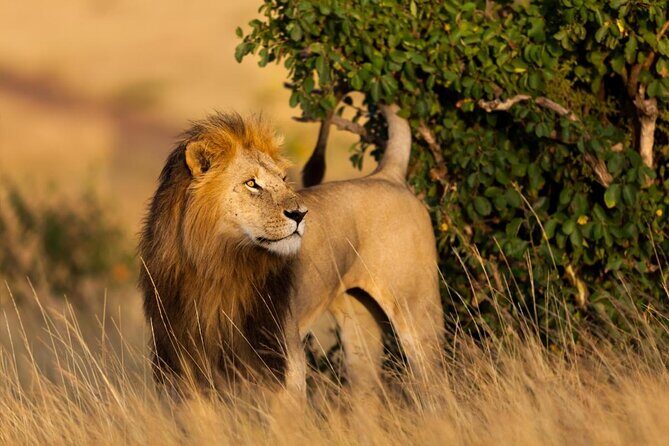
- Big Five focused drives in Masai Mara, with time set aside for both dawn and daytime sightings
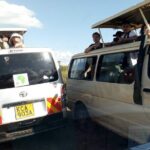
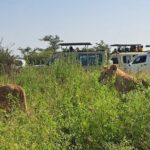
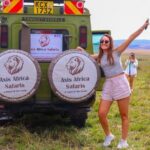
- Pop-up roof 4×4 safari vehicle for better sightlines when animals are far out on the plains
- Camping at a Maasai Mara campsite (like Lenchada Tourist Camp) with included meals and gear
- Small group size (up to 6), which usually means fewer headaches when the group needs to adjust quickly
- Maasai village visit for culture and crafts, not just a quick photo stop
- Eco-minded approach that aims to limit impact while you enjoy the reserve
Why the Masai Mara camping style can be great value
Paying $858 per person for a 3-day Masai Mara safari isn’t “cheap,” but it is often good value when you compare what’s included. You’re not just buying game drives. You’re also covering park entry fees, transport in a 4×4 with a pop-up roof, camping gear, and your meals (2 breakfasts, 3 lunches, 3 dinners). For many people, the true value is that you’re spared a long list of separate bookings and logistics.
The camping format is also why this works. Masai Mara isn’t just a daytime destination. When you camp inside the safari rhythm—early starts, game drives timed for animal activity, and evenings that feel like you stepped into the African story—it makes the reserve feel bigger than a checklist.
One practical note: it’s called budget for a reason. You’ll have what you need, but you won’t have luxury touches at every turn. If you’re expecting thick linens and room service, you’ll be happier choosing a higher-end lodge. If you want the Mara atmosphere—this is the kind of trip that delivers it.
A few more Nairobi tours and experiences worth a look

Nairobi to the reserve: the drive matters more than you think
You start with a pickup and depart Nairobi at 8:00 am in a comfortable 4×4 safari vehicle (with a pop-up roof). Transfer times are approximate and depend on day timing and traffic, so I’d plan your day with some flexibility.
The long drive is more than “getting there.” You’ll pass through the Great Rift Valley scenery with a break along the way to stretch, grab a breather, and take in the views. That stop may seem small, but it keeps the whole trip feeling smoother—especially if you’re someone who gets stiff on long rides.
Budget safari tip: pack for motion. Even in a good 4×4, the ride can be bumpy on dirt roads. Bring a light day bag that stays with you during game drives, and keep essentials (water, a layer, phone power) easy to reach.
Day One in the Mara: check-in, lunch, then your first real sightings
After you arrive around noon, you check in at your campsite (examples like Lenchada Tourist Camp come up). There’s a warm welcome and lunch, then your first safari drive begins in the afternoon.
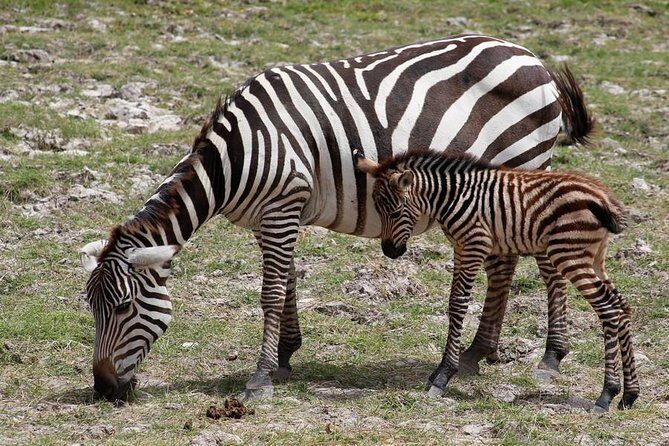
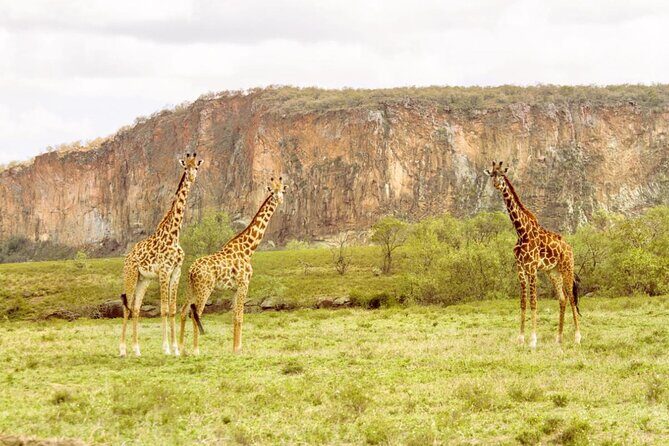
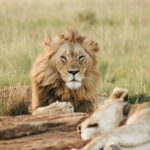
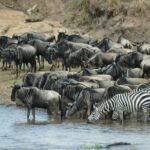
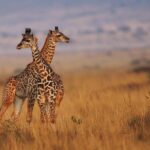
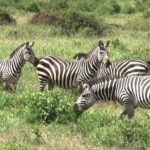
That timing is smart. Late afternoon light often makes animals easier to spot against open ground, and your eyes adjust from the city/road glare to the softer Mara tones. You’ll drive across the savannah and likely see common stars like lions, elephants, zebras, and giraffes—plus plenty of smaller moments, like birds moving through branches or fresh tracks near the road.
By late afternoon you return to camp. The evening routine is simple: freshen up, then dinner under the African sky, with the kind of quiet that makes you notice every small sound outside. This is where camping earns its keep. You’re not going back to Nairobi nightlife—you’re living inside the reserve atmosphere.
What morning drives do for your Big Five odds
On the next full day and the final morning, the schedule leans into one of the biggest safari advantages: when you start early, the wildlife tends to be more active.
You’ll have an early breakfast and head back out for a full day of exploration across different habitats inside the reserve—plains and forested areas. That mix matters because the Big Five aren’t all in one zone. Lions may show in open sightlines; elephants travel routes that cut across grassland; other species can follow different cover.
The best part of early starts is how they change your perception. At dawn, animals look calmer and more “in place,” not rushed. You also get that golden light for photos, even if your camera skills are still in draft mode. (A phone on a steady grip works fine—just keep your horizon straight.)
In the final morning, you get another early drive. Then it’s back to camp for breakfast, check out, and return to Nairobi mid-afternoon, with drop-off at your hotel or the airport. This structure gives you three wildlife “shots” in different times of day, which is one reason this itinerary can feel satisfying even when you’re on a budget.
Big Five time: what you should look for besides the headline species
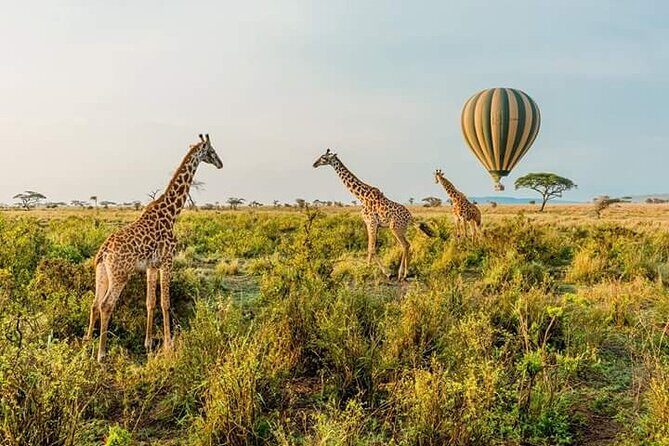
Yes, the plan is aimed at seeing the Big Five: lions, elephants, buffaloes, leopards, and rhinos. But the best safari moments often come from watching the smaller stories that lead to those big sightings.
Here’s how I’d think about the day when you’re out there:
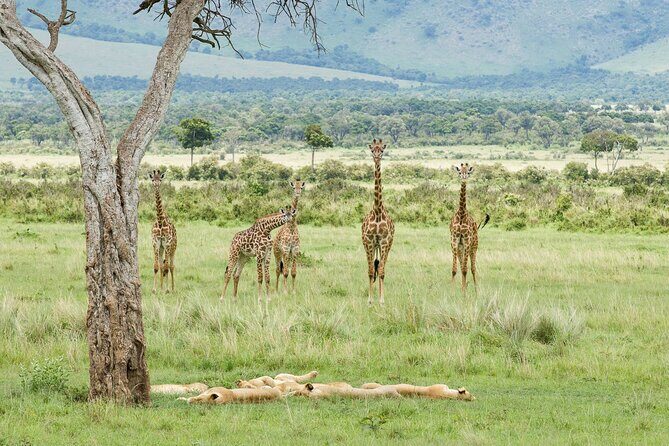
- Lions: look for movement on the open ground, and pay attention to where other vehicles are positioned and how your guide explains the behavior you’re seeing
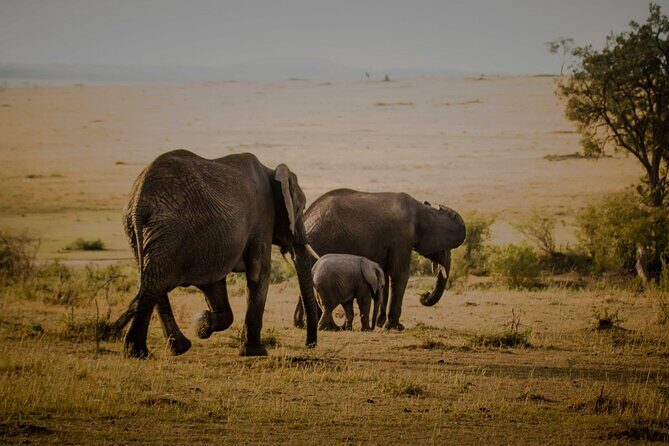
- Elephants: watch for dust trails and the way herds shift—elephants often tell you where they’re going before you see them clearly
- Buffaloes: they can blend into grassland patterns, so notice changes in the vegetation and group movement
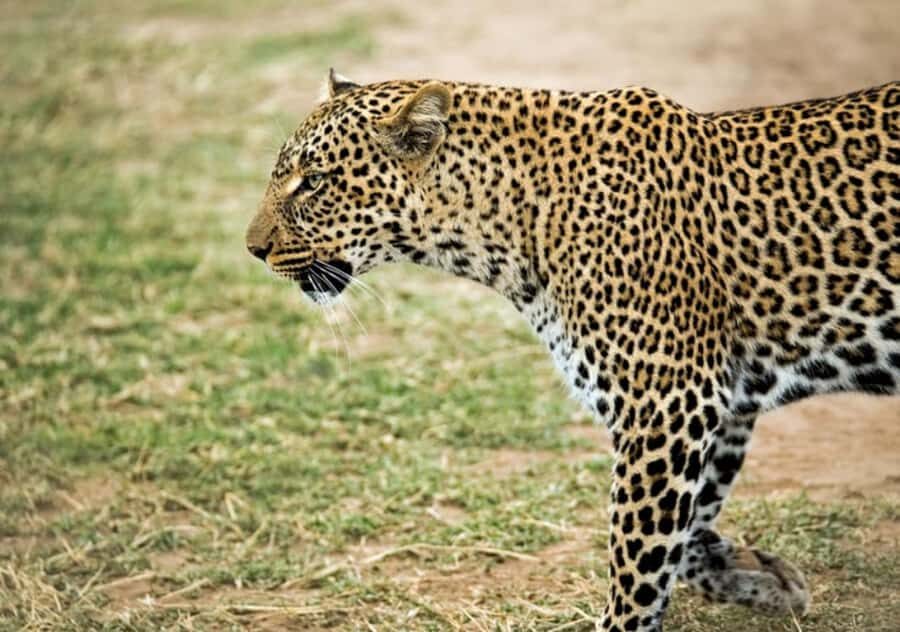
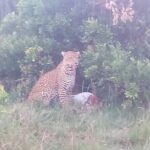
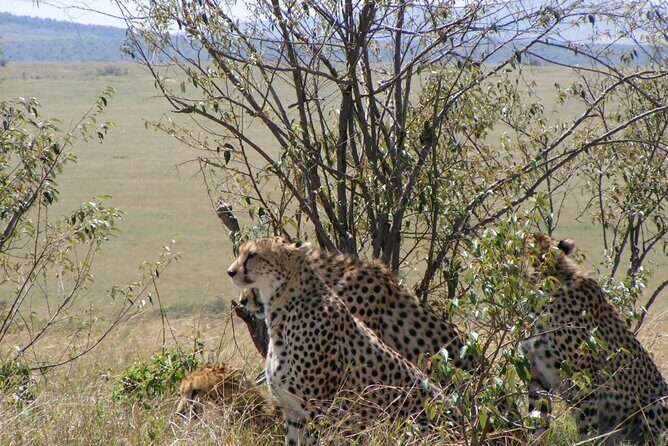
- Leopards: if you spot one, it usually becomes about patience and timing. Stay quiet and follow your guide’s instructions
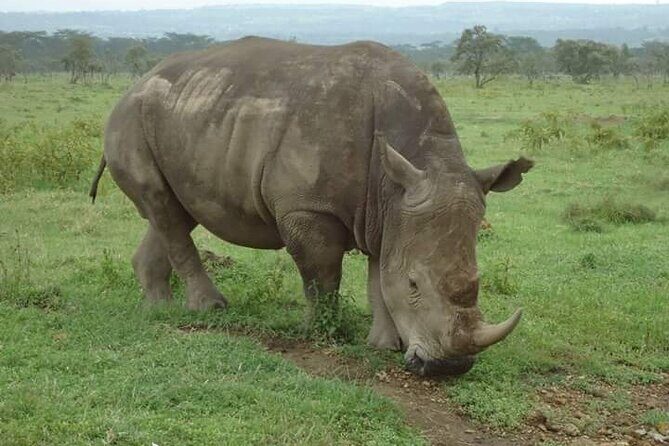
- Rhinos: these sightings can be hit or miss, but your guide’s scanning and road choices make a difference
A key detail: your guides use experience and active coordination to keep you in the right places. In past trips, Henry Boge was singled out for knowing where animals were and for keeping things working smoothly with other drivers. That kind of field skill affects the quality of your time on safari more than fancy add-ons do.
And keep expectations flexible. A great safari isn’t always about getting every Big Five checkbox. It’s about how many times you feel your heart jump when something appears close—sometimes right after you think the drive is going quiet.
A few more Nairobi tours and experiences worth a look
Packed lunch spots and why you shouldn’t rush them
You’ll stop for lunch while out in the reserve. The plan includes packed lunch during the full day, eaten at a scenic spot within the reserve.
This is one of those practical parts people skip when choosing a tour. But it changes the day. If lunch is done quickly and you’re rushed back into the vehicle, you lose time where animals might pass through. With a proper lunch stop, you get a calmer break—plus another chance to spot activity at a distance while you’re out for a few minutes.
Bring sun protection and a light layer. Even when it feels warm, safari days can get cool when wind picks up, especially around morning and evening.
Maasai village visit: culture you can’t get from a photo
In addition to wildlife, this safari includes interaction with a local Maasai village and time for handmade crafts. That kind of stop is often what separates a generic safari from one that feels more human.
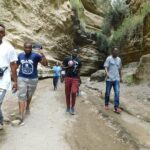
A respectful village visit works best when you go in curious and calm. Ask questions about daily life, how crafts are made, and what traditions mean to the people you meet. If your guide (like Peter, who has been described as helpful and informative) helps set context, lean into it. The more you understand, the less the visit feels like a tourist performance.
Also, a quick reality check: cultural exchanges have limits. You’re visiting a living community, not a museum. Be patient, follow your guide’s instructions, and treat the stop as time to learn, not time to collect.
Camping logistics: included gear, included meals, and what to pack
This tour is set up so you aren’t scrambling for essentials. You get camping gear, plus meals across the days: 2 breakfasts, 3 lunches, and 3 dinners. That’s a big deal for budget safaris, because camping-style trips can get expensive if you have to rent equipment or buy food separately every day.
What to pack (based on how safari camping usually feels, not on guesswork about your camp’s amenities):
- a light rain layer or windbreaker (weather can shift)
- a hat and sunscreen for long drives
- comfortable shoes for dusty ground around camp
- a power setup for photos and video
- a reusable water bottle (and a small snack stash for quick hunger gaps)
Diet note: you can advise specific dietary requirements at booking, and there’s a vegetarian option if you ask. That’s worth doing early so the camp crew can plan meals properly.
Who this safari fits best
This Masai Mara 3-day budget camping safari is a strong fit if:
- you want Big Five-style game viewing without paying lodge-level prices
- you like being outside at all hours, not just during a scheduled drive window
- you’re comfortable with a small-group style (max 6 people) and active driving days
- you care about a bit of culture, including a Maasai village visit and crafts
It may be less ideal if you need high-end comfort every night. The reserve camping setting means you trade some modern conveniences for proximity to the wild.
It’s also a good match for first-time safari folks. You get professional support (an English-speaking driver/guide), and the schedule gives you enough time to feel like you experienced the Mara rather than rushed through it.
Price and logistics: what you should factor before you book
At $858 per person, you’re paying for a full package: safari transport, park entry, meals, and camping gear. That’s a fair structure because park fees and transport are not cheap in Masai Mara, and the tour handles the daily moving parts for you.
What’s not included is also important:
- international flights
- visa fees
- travel insurance
- personal expenses (like souvenirs and extra drinks)
- tips and gratuities
My practical advice: don’t wait until the last day to think about insurance. Even with a solid itinerary, you’re in remote areas, so coverage matters.
Mobile ticket is included, and you’ll receive confirmation at booking. You’ll also need your passport name, number, expiry, and country for all participants. That’s normal for Kenya travel, but it’s better to gather those details right away so you don’t lose time.
A quick reality check on the “3 days” timeline
Three days sounds short, but this plan is built to maximize wildlife time rather than sightseeing bus stops.
Day One focuses on arriving, settling in, and getting a first game drive.
Day Two is your full exploration day.
Day Three adds an early drive before returning to Nairobi.
This pacing gives you multiple chances for sightings—especially lions and other common species that show more predictably in certain times of day. More rare sightings (like leopards and rhinos) can never be guaranteed, but your guide’s scanning and road decisions are part of the value.
Should you book this Masai Mara budget camping safari?
If you want a Masai Mara experience with camping atmosphere, pop-up roof safari views, and an efficient 3-day schedule that includes food, park fees, and gear, then yes, you should strongly consider it.
Book it if:
- you’re happy to sleep under the sky and trade luxury for closeness
- you want small-group attention (max 6) and a guide who’s actively tracking animals
- you like the idea of mixing wildlife with a Maasai village stop
Skip or upgrade if:
- you need top-tier comfort and a more hotel-like setup at night
- your budget won’t stretch for essentials like travel insurance and daily extras
- you dislike early mornings (because dawn drives are a core part of this style)
FAQ
What time does the safari start?
The start time is 8:00 am.
Is pickup from Nairobi included?
Yes, pickup is offered, and the safari ends back at the meeting point in Nairobi (drop-off at your hotel or the airport on the final day).
How many people are in the group?
The tour has a maximum of 6 travelers.
What’s included in the price?
You get transport in a 4×4 safari vehicle with a pop-up roof, Masai Mara park entry fees, a professional English-speaking driver/guide, accommodation and meals (2 breakfasts, 3 lunches, 3 dinners), and camping gear.
Is a vegetarian meal option available?
Yes. Vegetarian options are available if you advise at the time of booking, along with any dietary requirements.
What isn’t included, and can I cancel for free?
International flights, visa fees, travel insurance, personal expenses, and tips/gratuities aren’t included. Free cancellation is available up to 24 hours in advance for a full refund.