REVIEW · NAIROBI
NAIROBI: MOTHERLAND GASTRONOMIC NAIROBI CITY TOUR
Book on GetYourGuide →Operated by 👩 Motherland Gastronomic tour · Bookable on GetYourGuide
Nairobi food tours can be a blur. This one is small-group and food-first, with stops that feel like everyday Nairobi life, not a theme park. I really liked how the tour hits classic street items early, then settles you in for a proper lunch with staples like ugali and kachumbari.
You’ll also get a change of pace with a look at how people move around the city at the City Bus Station, plus a visit to Sarova Stanley, a legacy hotel that’s over a century old.
One thing to consider: it’s about 3.5 hours on your feet with market walking and vendor chats, so wear shoes you trust. And since snack pricing can vary at markets, bring cash even if parts of the meal experience are included.
In This Review
- Key highlights worth showing up for
- First Bites at Nation Centre: the pace that keeps it fun
- Street snacks that taste like Nairobi, not like a menu
- Lunch you can’t fake: fish, meat, chicken with ugali and kachumbari
- City Market to City Bus Station: food culture meets commute culture
- Sarova Stanley: a century-old hotel story with practical relevance
- What you’ll actually do (the flow, in plain English)
- Price and value: is $55 reasonable for 3.5 hours?
- Who this tour suits best (and who should skip it)
- Should you book this Nairobi Motherland Gastronomic tour?
- FAQ
- Where is the meeting point?
- How long is the tour?
- What language is the tour guide?
- How many people are in the group?
- What food and stops are included?
- Is it suitable for children?
- What should I bring and what’s not allowed?
Key highlights worth showing up for
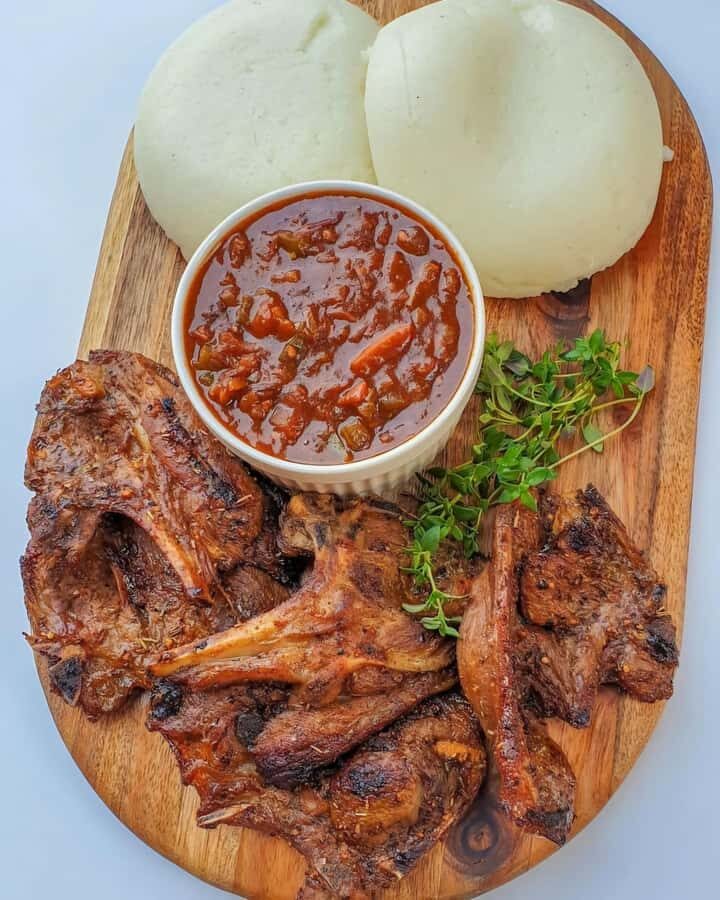
- Street-snack start: samosas, mandazi, plus treats like mitai, kaimati, boiled maize, and more
- A real lunch with staples: fish, meat, and chicken with kachumbari and ugali
- Market tasting + shopping-friendly: fresh fruits, spices, and snacks like Smocha, Mayai pasua, and uji power
- How Nairobi commutes: learn the local commute system and daily life at the City Bus Station
- Sarova Stanley in the mix: a century-old hotel visit with history of Kenya and Nairobi’s hotel industry, guided in English
- Guide Sharon energy: the best reviews point to warm, attentive guiding that makes it feel personal fast
First Bites at Nation Centre: the pace that keeps it fun
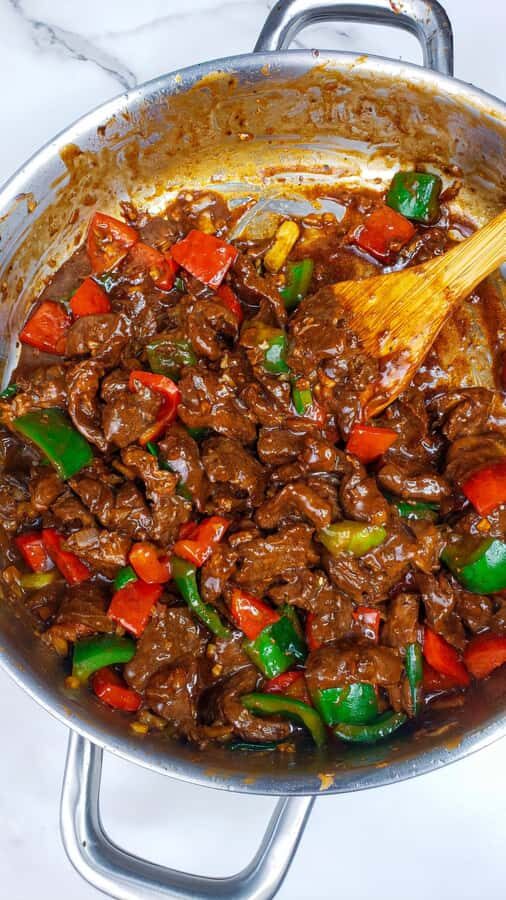
The experience starts at Nation Centre, and your best clue at the meeting point is the tall curved building with pillars at the entrance. You’ll know the guide because you’ll be told to look for white trousers. It’s a smart setup: you begin in a recognizable landmark area, then you move into the neighborhoods and food spots where you’d otherwise just pass by.
The group stays tight, limited to 5 participants. That matters more than it sounds. With fewer people, you get faster answers at stalls, less time standing around waiting for the whole group, and more chances to try small portions without feeling rushed.
It’s also planned with multiple guided segments and a bit of breathing room. That structure helps you enjoy food without the whole tour turning into a sprint. You’ll still walk, but you won’t feel like you’re constantly checking the clock.
You can also read our reviews of more city tours in Nairobi


Street snacks that taste like Nairobi, not like a menu
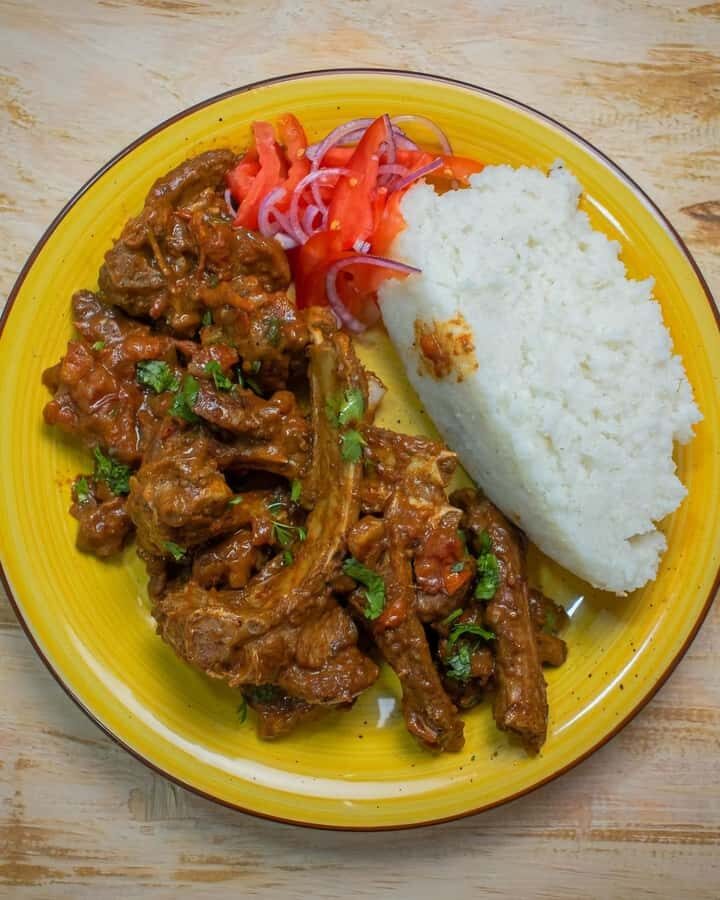
The tour’s first focus is simple: get you eating early. Expect breakfast-style street snacks such as samosas and mandazi—familiar enough to be comforting, but bought and served in the Nairobi way. This is the best kind of start because you’re not waiting for lunch to enjoy yourself.
From there, you’ll keep sampling through the day’s market and snack stops. You might find or be served items like mitai, kaimati, and boiled maize, plus fruit, spices, and sweet or savory bites that show up in daily routines. Some of the snack names sound new the first time you hear them, which is exactly why a guide helps: you get context for what you’re eating, not just a tasting session.
What I like about this portion is that it’s not only about “try everything.” It teaches you what to look for next time you’re on your own. After this, you’ll recognize the kinds of flavors Nairobi vendors lean on—fried pastry comfort (like samosas and mandazi), warm sweet snacks (kaimati), and starchy, filling bites (boiled maize). That’s the kind of takeaway that actually helps you eat well after the tour ends.
Lunch you can’t fake: fish, meat, chicken with ugali and kachumbari
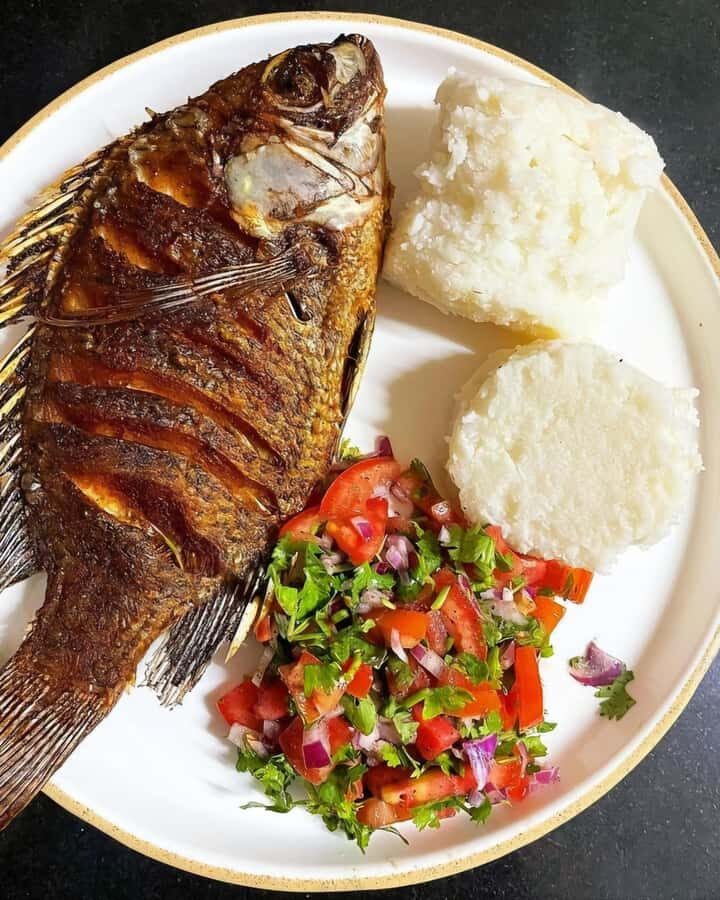
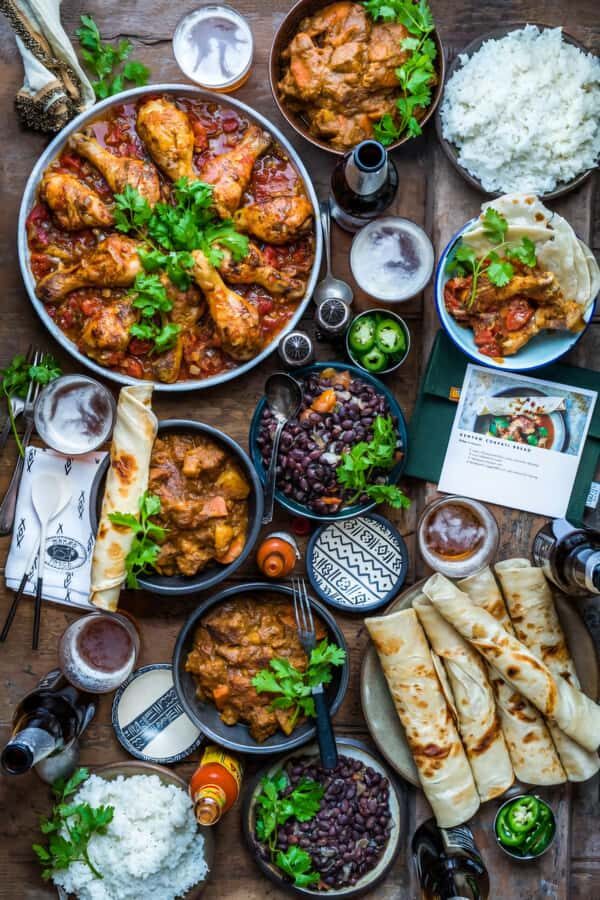
Then you settle in for the meal that anchors the whole experience: a traditionally prepared lunch of fish, meat, and chicken, paired with kachumbari and ugali. This is where you stop “sampling” and start eating like you’re part of local life.
Here’s why that matters for value. A guided food tour is only worth it if you leave full with the dishes that define the place. Ugali isn’t just a side; it’s a foundation. Kachumbari adds the bright, fresh counterpoint with chopped salad flavors that cut through richer meat. Together, they give you a balanced plate that feels grounded and practical.
Also, by the time lunch arrives, your taste buds are ready. You’ve had snack bites earlier, so you understand what street food tastes like here. Then lunch shows you the next step: how the same ingredients and cooking styles become a proper meal.
One practical note: the info you’re given says snacks and a nyama choma-style lunch are part of the experience, but it also flags that food/snacks you consume may not be counted as separately included. So I’d treat this as “budget-friendly but bring cash,” especially for any extra bites at markets.
City Market to City Bus Station: food culture meets commute culture
After lunch, you head into the City Market area and then to the City Bus Station. This is one of the most interesting parts of the tour because it moves beyond food and into how Nairobi runs day to day.
At the market, you’ll sample fresh fruits, spices, and snacks such as Smocha, Mayai pasua, and uji power (a warm drink/snack style item). You’ll also engage with vendors, which is where you get the real learning. The guide helps you decode what you’re seeing: what’s sold, how vendors talk about food, and what people choose when they’re buying for themselves or for their families.
Then comes the City Bus Station, where the focus shifts to the commute system and lifestyle. You’ll learn how locals travel, how the station functions in daily routines, and what the environment feels like when people are on their way to work or school. It’s not a lecture. It’s more like getting your bearings in a place you might otherwise find overwhelming.
I like this stop because it gives you perspective. Food is never only about flavor. It’s about time, money, and convenience. Seeing how people commute helps you understand why street snacks exist in the first place—easy calories, quick breaks, and flavors you can grab between errands.
Sarova Stanley: a century-old hotel story with practical relevance
Finally, you visit Sarova Stanley, described as a legacy hotel over a century old. This is the tour’s “big-picture” moment: you’ll hear history tied to Kenya and the hotel industry in Nairobi, then wind things down as the day finishes.
Even if you don’t think of hotels as part of food culture, this stop works. It connects the city’s hospitality story to the wider Nairobi experience—how visitors and locals have interacted with urban life over time, and how the service industry evolved. It’s also a good change from market heat and street noise.
From a practical point of view, legacy hotels are often easier places to pause. If your feet are tired, you’ll at least have a calmer setting to regroup. Just remember: the tour is still walking-heavy overall, so comfortable clothes and shoes matter.






What you’ll actually do (the flow, in plain English)
Here’s the rhythm you can expect, translated into what it feels like in real time:
You start with orientation around Nation Centre, then you move through guided segments with short breaks built in. You’ll have a dedicated period of guided walking and tasting, plus at least one slice of free time near the end where you can take photos, ask quick questions, and reset your stomach for whatever snack might be next.
Throughout, the guide is active—English-speaking, and focused on food and local context. The small group size means you’re not competing to be heard, and you’re not waiting for a crowd to finish ordering or tasting.
One more detail I appreciated: the guide isn’t just feeding you facts. In the best reviews, the guide is described as warm, friendly, and attentive—specifically mentioning Sharon—and that tone matters on a food tour. If you’re relaxed, you taste more. You ask better questions. You remember more.
Price and value: is $55 reasonable for 3.5 hours?
At $55 per person for about 210 minutes, this is priced like a mid-range city food tour. What makes it feel like good value is the mix: street snacks at multiple stops, a proper lunch with staples, market exploration, and a visit to Sarova Stanley, which is a defined historic experience—not just “we passed a building.”
Also, small group tours tend to cost more, and here the limit is up to 5 participants. You’re paying for that intimacy and for the time a guide spends walking with you, translating food culture, and helping you interact with vendors.
The only reason I wouldn’t call it a guaranteed bargain for everyone is the cash situation. The tour information says bring cash for small purchases at markets, and it also notes food/snacks consumed may not be separately included. So if you plan to buy extra bites or drinks beyond what you’re offered, you’ll want some spending money ready.
Who this tour suits best (and who should skip it)
This tour is a great fit if you want:
- a food-first introduction to Nairobi, not just sightseeing
- to taste recognizable local comfort foods and street snacks
- a guide who helps you understand what you’re eating and why it fits daily life
- a blend of food with a real look at the commute environment at City Bus Station
It’s less ideal if:
- you need very minimal walking (there’s market and station walking)
- you’re traveling with kids under 10, because it’s not suitable for children under 10 years
- you prefer strictly curated “no questions asked” dining (this includes vendor interaction and local context)
If you like tours where the guide feels like a friend you just met—like the reviews describe around Sharon—you’ll probably click with this one quickly.
Should you book this Nairobi Motherland Gastronomic tour?

I’d book it if your goal is to eat well and learn fast. The structure makes sense: snack early, lunch properly, then extend the learning into markets and the commute system. The Sarova Stanley stop gives you a satisfying finish that feels historical without turning into a museum day.
I would hesitate only if you’re very budget-sensitive and don’t want to carry cash or handle any snack add-ons. But if you’re fine bringing a little money and you’re wearing comfortable shoes, this tour gives you a strong mix of flavor, local routine, and memorable city context.
Go into it hungry, expect walking, and let the guide lead the questions.
FAQ
Where is the meeting point?
The meeting point is Nation Centre. Look for a tall curved building with pillars at the entrance, and the guide will be in white trousers.
How long is the tour?
The duration is 210 minutes, or about 3.5 hours.
What language is the tour guide?
The tour guide speaks English.
How many people are in the group?
This is a small group limited to 5 participants.
What food and stops are included?
The included items are breakfast street snacks, a nyama choma lunch, food market exploration, and a visit to Sarova Stanley.
Is it suitable for children?
No. It is not suitable for children under 10 years.
What should I bring and what’s not allowed?
Bring comfortable shoes, a camera, comfortable clothes, cash, and weather-appropriate clothing (also plan to stay hydrated with a water bottle). Smoking, littering, bare feet, baby strollers, and alcoholic drinks in the vehicle are not allowed.
If you’re ready to eat your way through Nairobi with a guide like Sharon, this one is an easy choice—especially if you want the market and commute context that makes the food make sense.