REVIEW · NAIROBI
Nairobi: Elephant Orphanage and Giraffe Center Day Tour
Book on GetYourGuide →Operated by Gracilie Ventures · Bookable on GetYourGuide
A Nairobi day can change your whole mood fast. This 6-hour tour stacks giraffe conservation, baby-elephant care, and local craft into one efficient route. You’ll get close to Rothschild’s giraffes in a sanctuary setting, then meet the smallest elephants as they line up for their feedings.
I especially like the hands-on feeling at the Giraffe Center, including the chance to feed giraffes. I also like that the trip includes Kazuri, where you can watch how beads and pottery are made by local women, not just buy souvenirs and move on.
The main drawback to plan around is cost beyond the $35 rate. Entrance fees for the elephant orphanage and giraffe center are not included unless you select an option that covers them, and there’s also a Nairobi National Park entry fee listed as not included.
In This Review
- Key things I’d circle before you book
- Nairobi in 6 Hours: What This Day Tour Really Covers
- Giraffe Center: Rothschild’s Giraffes and Conservation Education
- Feeding Baby Elephants at David Sheldrick Wildlife Trust
- Kazuri Beads Factory: The Craft Behind the Souvenirs
- Transportation and Timing: How 6 Hours Feels in Real Life
- Price and Value: What $35 Covers (and What Might Be Extra)
- Best Fit: Who Will Enjoy This Tour Most
- Should You Book This Nairobi Day Tour?
- FAQ
- How long is the Nairobi Elephant Orphanage and Giraffe Center day tour?
- Is hotel pickup and drop-off included?
- Are entrance fees to the elephant orphanage and giraffe center included?
- Is there a Nairobi National Park entry fee?
- Is food included in the price?
- What languages are the guides available in?
- Does the tour skip the ticket line?
- Is the tour wheelchair accessible, and are pets allowed?
- What cancellation and pay-later options are available?
Key things I’d circle before you book
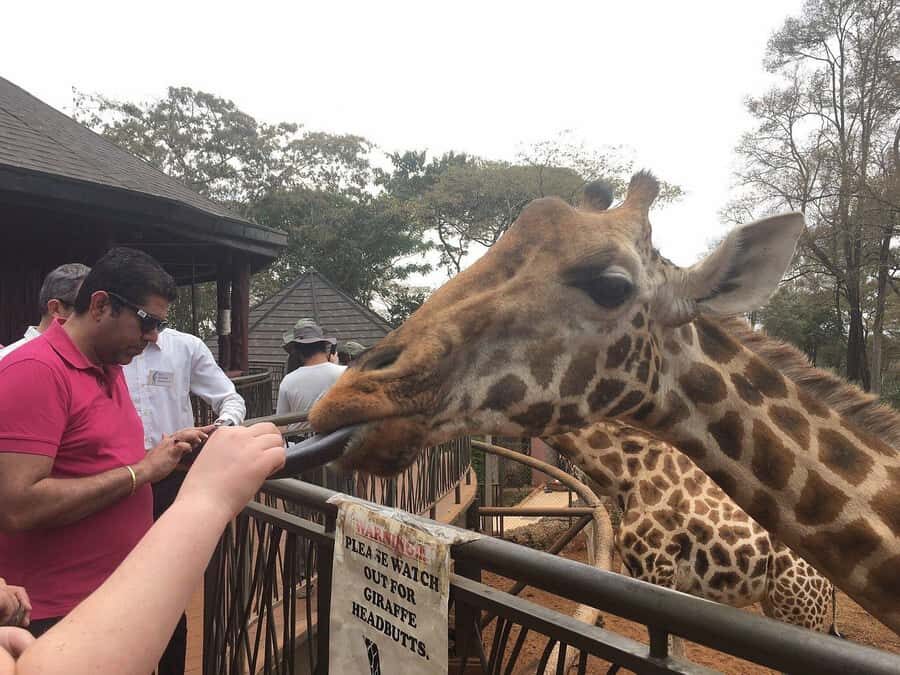
- Feed giraffes during your time at the Giraffe Center
- Learn what the Giraffe Center does to conserve local giraffe species
- See baby elephants up close at the David Sheldrick Wildlife Trust during feeding times
- Watch bead and pottery-making at Kazuri, handcrafted by local women
- Enjoy hotel pickup/drop-off plus bottled water and a professional guide
Nairobi in 6 Hours: What This Day Tour Really Covers
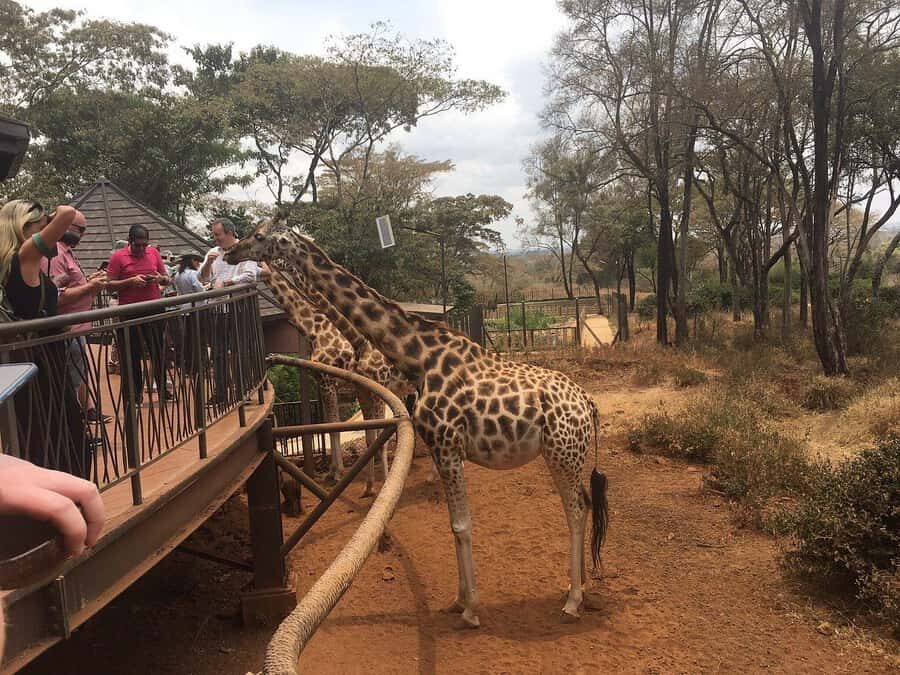
This is the kind of Nairobi tour that fits into a real itinerary, not a half-day that leaves you wondering what you actually did. Hotel pickup and drop-off are included, so you’re not spending your morning figuring out transport. You’ll also travel with a guide, plus bottled water to keep things comfortable.
The structure is simple: start with giraffes, switch to baby elephants, then finish with Kazuri craftwork. You’ll be moving through three different experiences that all connect to Kenya in different ways—wildlife conservation and rehabilitation on one side, and local maker culture on the other.
The tone is practical. You’re there to observe animals in a controlled sanctuary environment, not to do a long safari drive. That’s why it works well for shorter stays, and also for families who want a meaningful stop without a full day on the road.
If you get a guide named Hadascar, you’re likely to enjoy the storytelling. One past participant specifically called out his guiding style as a highlight, which matches what you want from a day like this: clear explanations, calm pacing, and useful context.
You can also read our reviews of more tours and experiences in Nairobi.



Giraffe Center: Rothschild’s Giraffes and Conservation Education
Your first big stop is the Giraffe Center, home to Rothschild’s giraffes. This matters because these aren’t just “pretty animals for photos.” The center focuses on conservation of local giraffe species, and the visit is designed to help you understand why the sanctuary approach exists.
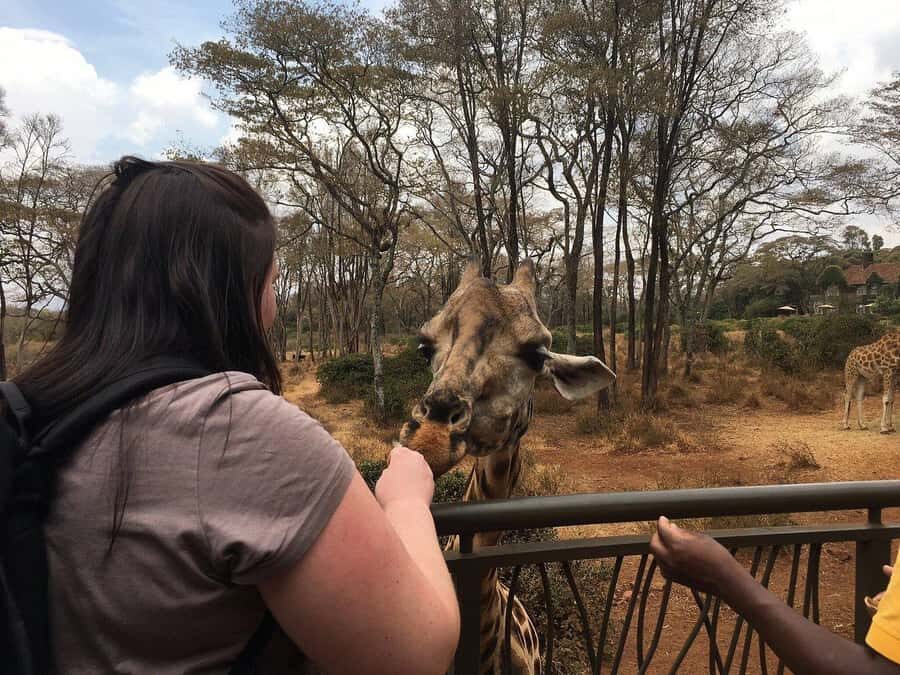
In the enclosure, you’ll see Rothschild’s giraffes roam in a semi-wild setup. The experience is gentler than people expect. Instead of chaotic crowding, the space is set up for viewing and learning, with the goal of respectful interaction.
One of the best parts is that you get a real chance to get close: you can feed the giraffes. That’s the moment when the tour shifts from watching to participating. It’s also when you’ll want your timing and posture right—move when your guide says to, keep your hands steady, and follow the instructions for feeding.
A nice touch is that your guide isn’t just pointing and moving on. You’ll also learn about the conservation efforts behind the scenes. That context is what makes the feeding feel less like a gimmick and more like a front-row seat to a conservation program.
Feeding Baby Elephants at David Sheldrick Wildlife Trust
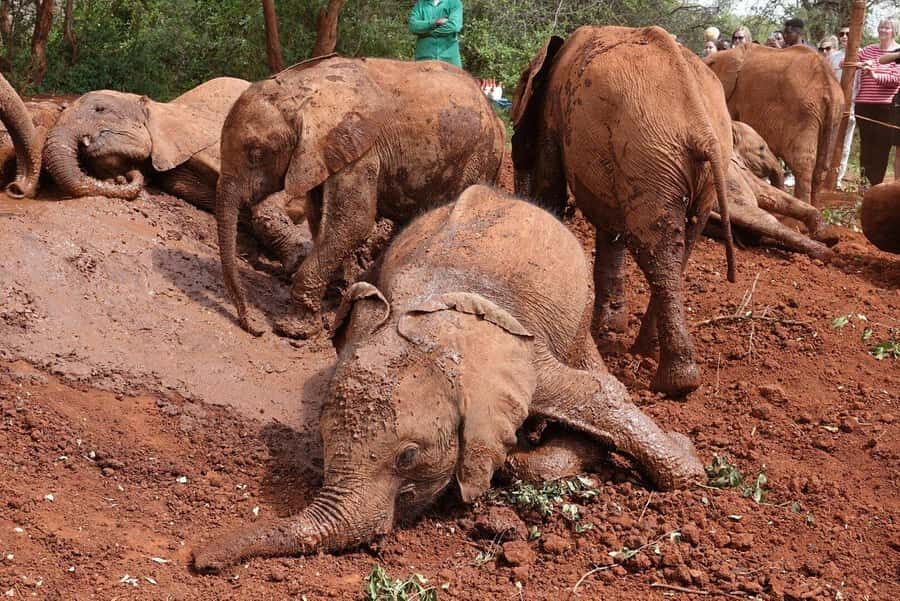
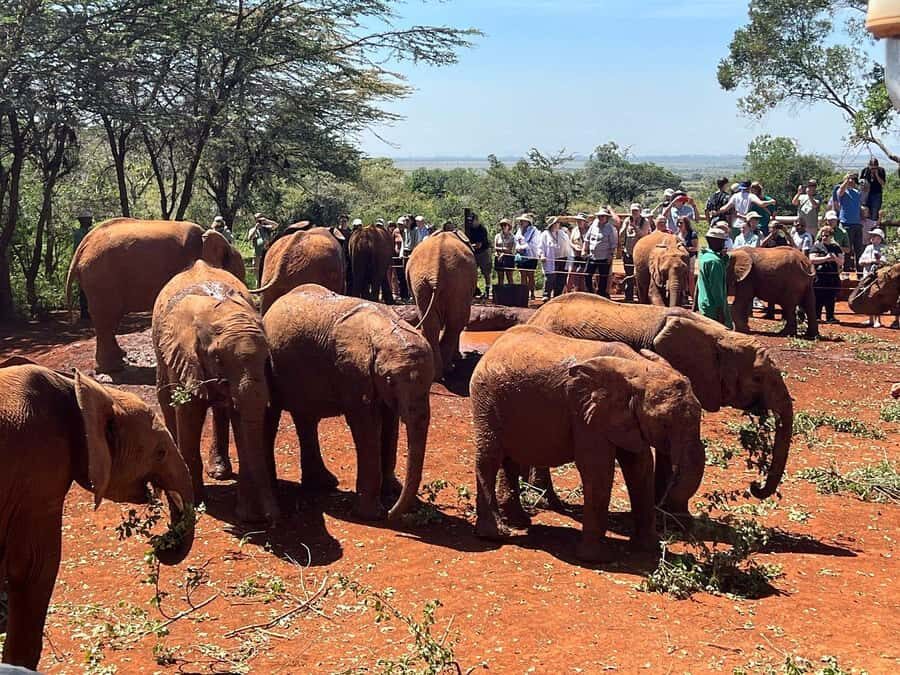
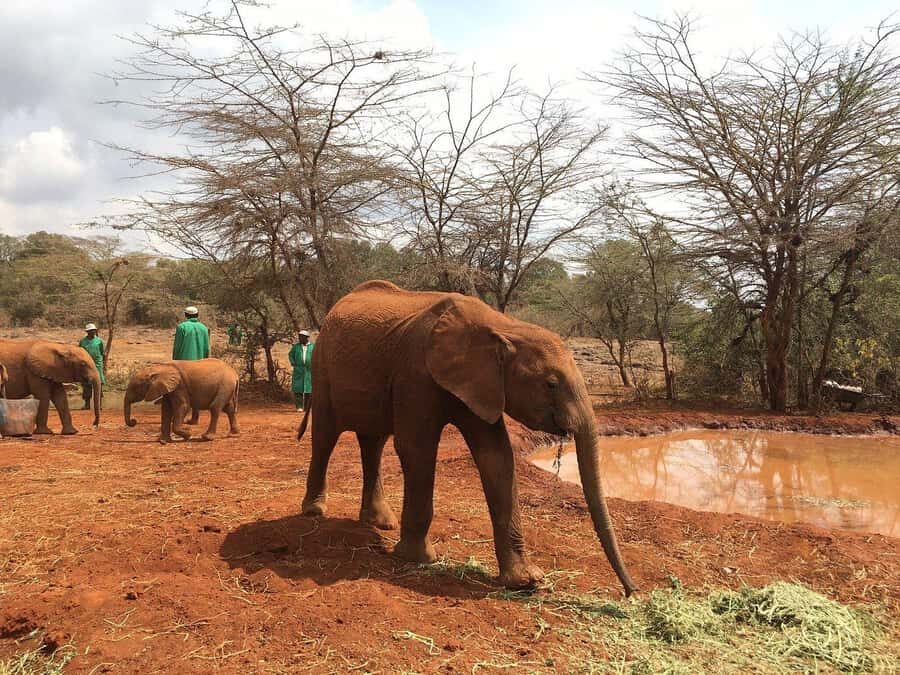
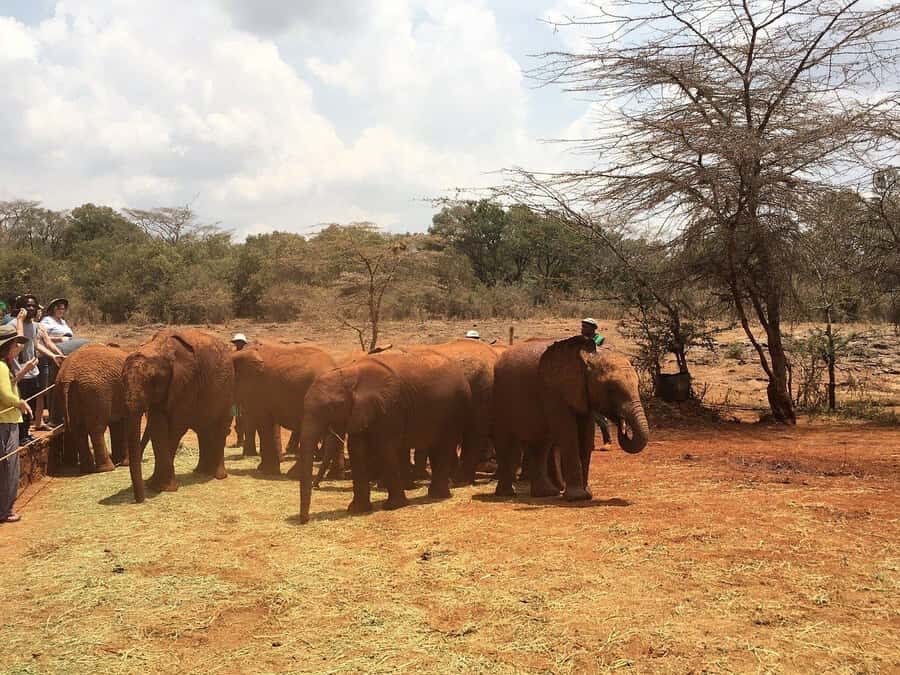
Next comes the David Sheldrick Wildlife Trust, where the center is focused on rescuing and caring for orphaned elephants. The standout feature here is how lively the setting feels during feeding times. Baby elephants often gather with obvious anticipation, and you’ll watch them as they take in nourishment and attention.
You’ll spend time walking through the sanctuary area and seeing different ages of elephants being fed. The youngest elephants are typically fed tenderly, and then you’ll likely see older calves—around the 2–3-year range—handling the process with more independence. Watching that progression is one of those small but powerful learning moments. It shows the difference between “care” and “skill-building,” all within the same space.
A useful detail: these elephants use their trunks to manage the substantial milk bottles. That dexterity is part of what makes the visit stick with you. You’re not just seeing animals; you’re watching behavior that reflects learning, coordination, and adaptation.
Practical note: the environment is active. You’ll be on your feet, and it can get loud at times simply because babies are curious and energetic. Comfortable shoes are not optional here.
And while the elephants steal the show, the conservation angle remains important. The whole point of the trust is rehabilitation and long-term care, not entertainment. Keeping that in mind helps you approach the moment with the right mindset.
Kazuri Beads Factory: The Craft Behind the Souvenirs
The final stop is Kazuri, where you’ll see how bead and pottery craftsmanship is created locally. This is a great way to balance the wildlife side of the day, because it shifts you from animal care to human skill.
You’ll have a chance to make your own jewelry with beads crafted by locals. For many people, this is more memorable than shopping. You’ll understand the work that goes into the pieces you might otherwise just buy and forget.
Kazuri is also where the “how” becomes visible. You’ll find out about the intricate craftsmanship behind bead-making and pottery. Even if you’re not an artsy person, it’s satisfying to see how materials become something you can actually hold.
The best value move here is buying one or two pieces you truly like, not filling a bag because you feel pressure. Your day includes big emotional moments already, and the craft stop should feel like a calm, satisfying ending.
If you’re traveling with teens, this stop can be a surprising win too. The hands-on aspect breaks up the day, and it’s a fun way to bring home something with a story that’s tied to local work.
Transportation and Timing: How 6 Hours Feels in Real Life
This is a 6-hour tour, and that duration matters. It’s long enough to see all three highlights without rushing every single minute, but short enough that you can still plan the rest of your day in Nairobi.
Because hotel pickup is included, your “start time” depends on where your hotel is and what time slots are available. The tour checks availability for starting times, so don’t assume it begins at the same time each day. If you have dinner reservations or a flight, you’ll want to treat this as a real schedule, not a vague plan.
You also get transportation as part of the package. That’s helpful because these sites are not right next to each other in the city. It reduces stress and keeps the experience focused on the activities rather than logistics.
Wear shoes you can stand in. You’ll be shifting between viewing areas and walking through sanctuary spaces. The day isn’t described as an intense hiking tour, but your feet will still do the work.

Price and Value: What $35 Covers (and What Might Be Extra)
At $35 per person, the headline price is attractive—especially because it includes hotel pickup and drop-off, transportation, a professional guide, and bottled water. In Nairobi, that kind of packaged transport and guiding can easily cost more if you arrange it piece by piece.
That said, the listing makes it clear that entrance fees for the elephant orphanage and giraffe center are not included unless you select an option that covers them. So you should budget for tickets. There’s also a Nairobi National Park entry fee listed as not included (adults US $43, children US $23).
The practical way to think about value is this: the $35 price buys the structure—your guide, your transport, and your access through the day. The added entrance and park fees buy the ability to be on-site. If you’re comparing options, check what’s covered in your selected price, not just the base rate.
Also remember that food and drinks are not included. Plan for a stop or bring a snack if you know you get hungry. The day has several activity moments, and it’s easier to enjoy everything when your energy stays steady.
Best Fit: Who Will Enjoy This Tour Most
This tour is a strong match if you want real wildlife moments without committing to a full safari day. You’ll get close to giraffes and see baby elephants in a sanctuary context, which is often the sweet spot for first-time visitors.
It’s also a good choice if you care about conservation and rehabilitation rather than only photos. The Giraffe Center focuses on conserving local giraffe species, and the David Sheldrick Wildlife Trust centers on caring for rescued baby elephants. The craft stop then adds a second kind of education: how local women make beads and pottery.
It may not be ideal if you want lots of free time, since the day is built around fixed stops and guided movement. Also, you should be comfortable with animal environments that can be busy, especially around feeding times.
Accessibility is listed as wheelchair accessible, which is a meaningful plus for travelers who need mobility support. Pets are not allowed, so if you’re traveling with an animal companion, you’ll need alternative plans.
Should You Book This Nairobi Day Tour?
I’d book this if you want a focused Nairobi day with two major animal experiences and a real craft component. It’s well structured for a short stay, includes the basics that reduce stress (pickup, transport, guide, water), and gives you meaningful interaction opportunities like feeding giraffes and observing elephants during care routines.
I’d hesitate only if you dislike add-on costs, because entrance and park fees aren’t automatically included. Also, if you’re the type who needs perfect payment certainty, note that at least one past cancellation experience reported a refund delay. That doesn’t mean it’s common, but it’s worth keeping proof of your booking and any cancellation confirmation.
If you go in with comfy shoes, patience for a busy sanctuary atmosphere, and a plan for lunch, this tour can be a satisfying way to experience Nairobi beyond just city sights.
FAQ
How long is the Nairobi Elephant Orphanage and Giraffe Center day tour?
The duration is 6 hours.
Is hotel pickup and drop-off included?
Yes, hotel pickup and drop-off are included.
Are entrance fees to the elephant orphanage and giraffe center included?
Entrance fees are not included unless you select an option that includes them.
Is there a Nairobi National Park entry fee?
Yes. A Nairobi National Park entry fee is listed as not included, with adults at US $43 and children at US $23.
Is food included in the price?
No. Food and drinks are not included.
What languages are the guides available in?
The live tour guide is available in English, Spanish, German, and French.
Does the tour skip the ticket line?
Yes, it includes skip the ticket line.
Is the tour wheelchair accessible, and are pets allowed?
The tour is wheelchair accessible. Pets are not allowed.
What cancellation and pay-later options are available?
There is free cancellation up to 24 hours in advance for a full refund, and you can reserve now and pay later.