REVIEW · NAIROBI
Nairobi: 3-Day Maasai Mara Safari
Book on GetYourGuide →Operated by Kenya Bush Expeditions tours and events · Bookable on GetYourGuide
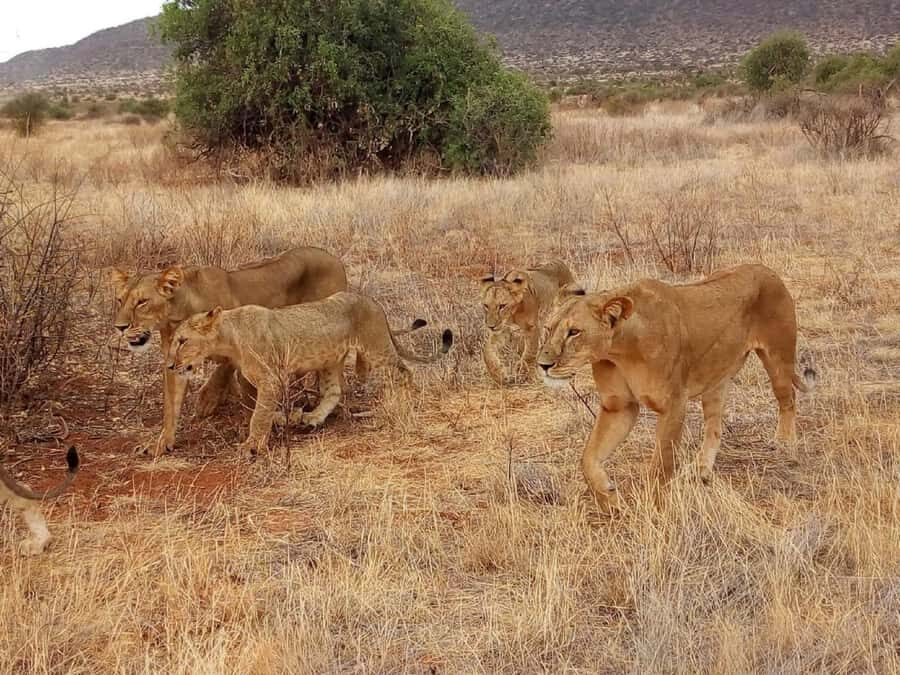
Big cats are the main event here.
This 3-day safari is built around a smooth rhythm: early departure from Nairobi, a long game-drive day in the Maasai Mara, then another wildlife-focused send-off. I really like the Rift Valley drive with photo stops—those big-sky views help you start the trip in the right mood.
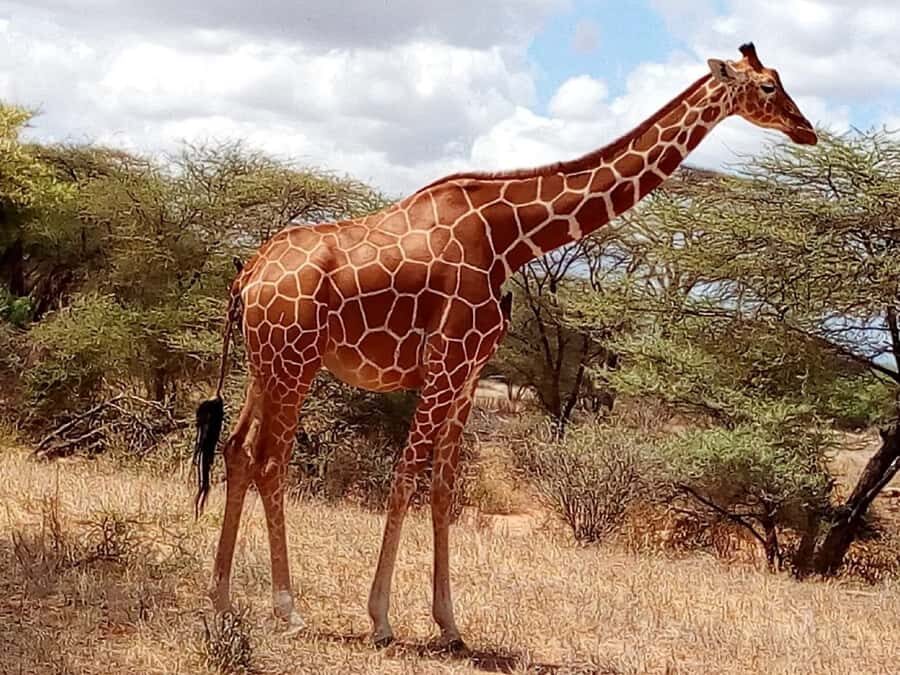
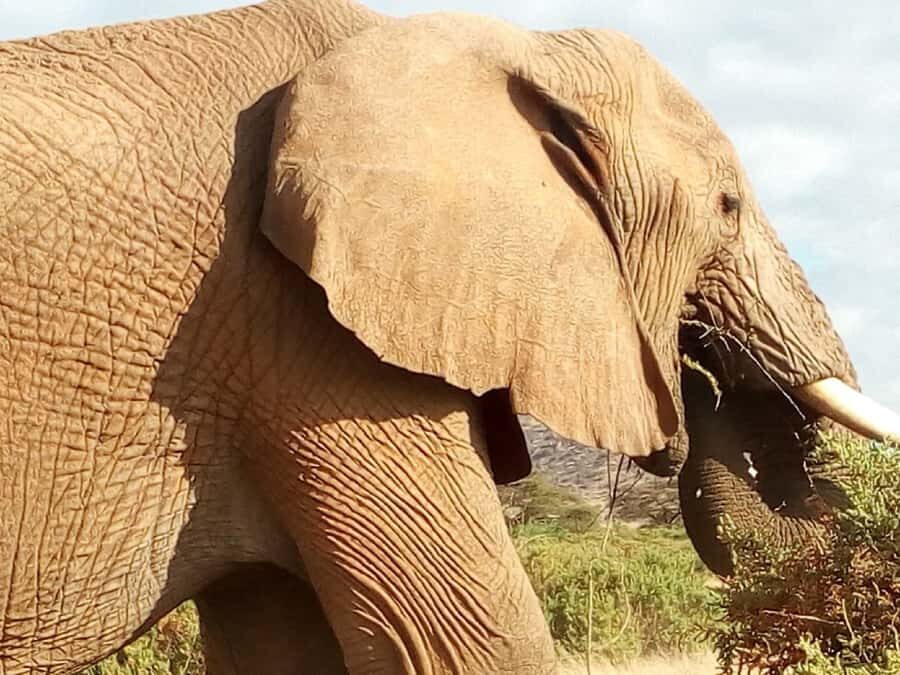
I also like the small-group feel (up to 7 participants), because it keeps the experience less chaotic when you’re chasing the action. You’re promised game drives packed with sightings—lions, cheetahs, elephants, giraffes, and more—plus a Mara River lunch that gives you a quieter moment with the birds and river sounds.
One thing to consider: safari timing and comfort can vary. I’d confirm the pickup expectations and the exact vehicle setup, and be ready for the fact that accommodation quality can be more “basic safari camp” than polished city hotel, depending on the option you pick.
In This Review
- Key things that make this safari tick
- Rift Valley mornings: how day one sets you up for success
- Maasai Mara game drives: what you’re really paying for
- Day two at the Mara River: the calm moment you’ll remember
- Lions, cheetahs, elephants, giraffes: how to get better sightings
- Sleep in a tented room: the trade-off behind “close to nature”
- Transport, timing, and group size: what can make or break the day
- Price and park fees: where the $530 can rise or stay steady
- Who this safari is best for (and who should rethink it)
- Should you book this Nairobi: 3-Day Maasai Mara Safari?
- FAQ
- How long is the Nairobi: 3-Day Maasai Mara Safari?
- What is included in the tour price?
- Are national park entrance fees included for every month?
- Is pickup from Nairobi available?
- What languages are available during the tour?
- Is the group small and is it wheelchair accessible?
Key things that make this safari tick
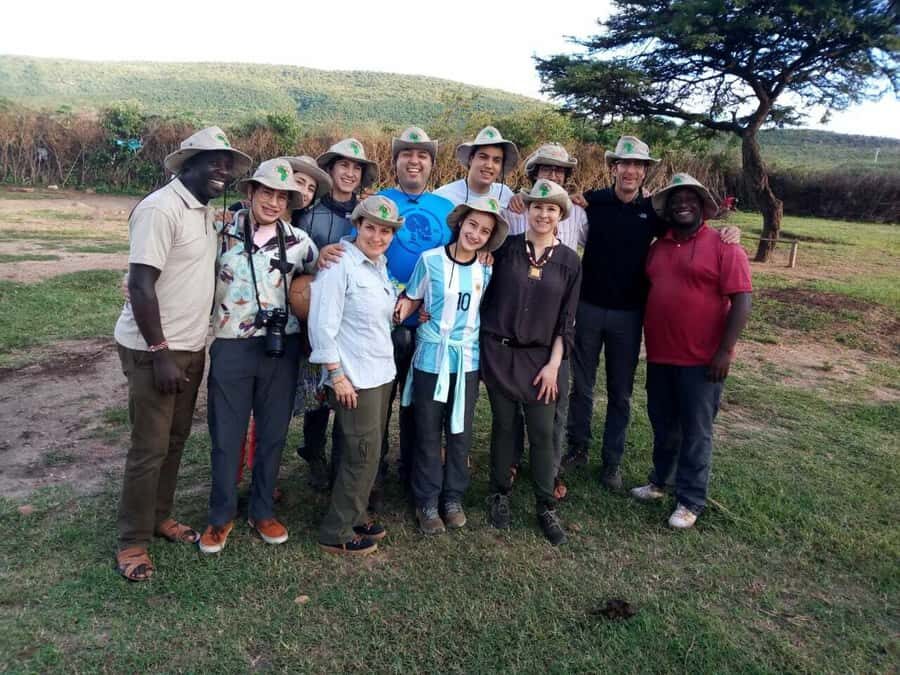
- Early Rift Valley departure helps you get into safari mode before the day gets hot.
- Small group of up to 7 keeps your game-drive experience calmer and more flexible.
- Two full game-drive days give you multiple chances for big cats and river wildlife.
- Mara River packed lunch puts you right where you’d want to be for birdlife and atmosphere.
- English-speaking driver plus multilingual guide/audio helps you follow what you’re seeing.
- Optional Nairobi hotel pickup makes the start of day one easier if you’re already in town.
Rift Valley mornings: how day one sets you up for success
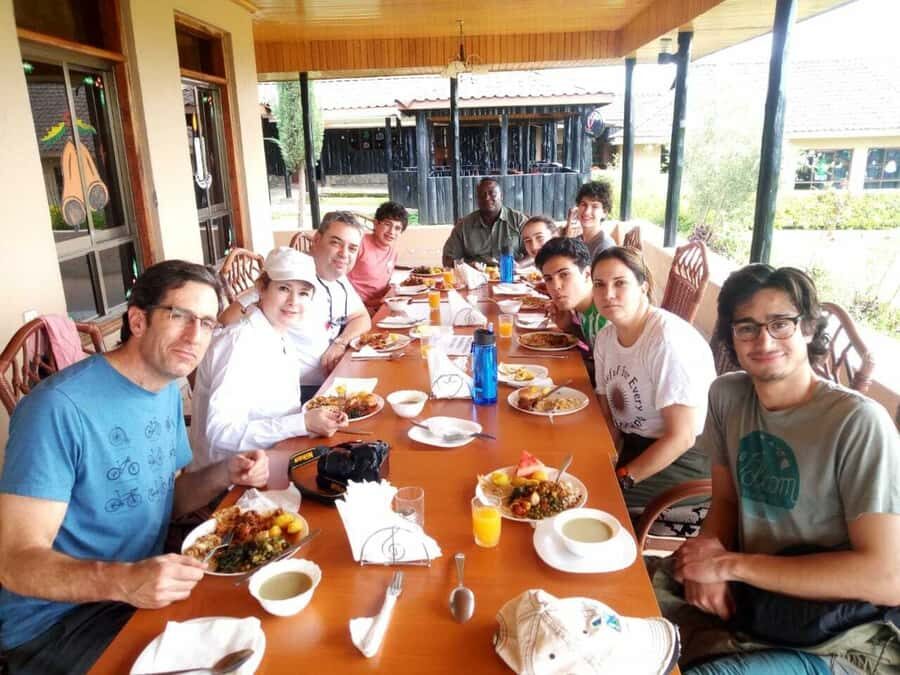
Day one starts with an early morning departure from Nairobi. The point isn’t just to “get there”—it’s to trade late starts for better lighting, better energy, and more usable daylight for the drive into the Maasai Mara.
Along the way, you’ll get sweeping country views and a stop at a local viewpoint for photos across the region. I like this kind of pause because it breaks up the travel and gives you something meaningful to look at besides the road. It also helps you understand the terrain you’ll be driving through later, when you’re scanning for movement.
After the drive, you arrive in time for lunch, then you get some downtime before your first game drive. That afternoon break matters more than it sounds. Safari days in Kenya can be sun-heavy and eye-strain heavy, so having time to settle in and reset makes the evening drive more enjoyable.
Practical tip: pack for heat and glare. Sunglasses, a sun hat, and sunscreen aren’t optional on days like this—they’re your sanity insurance.
A few more Nairobi tours and experiences worth a look
Maasai Mara game drives: what you’re really paying for
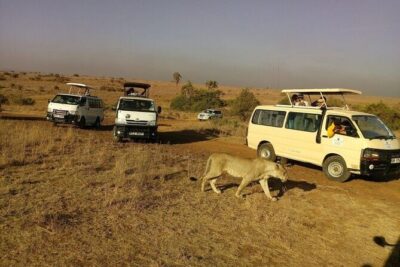
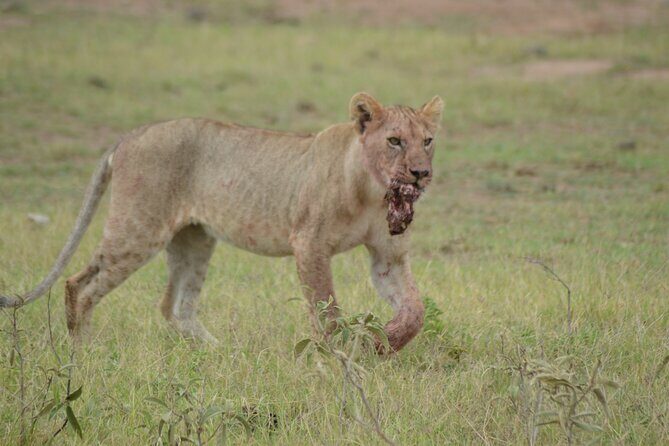
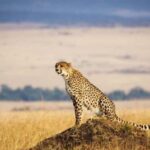
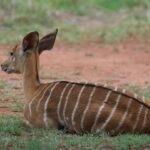
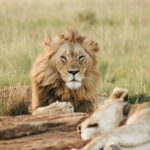
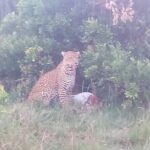
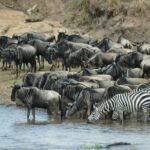
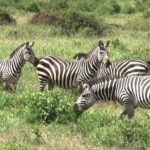
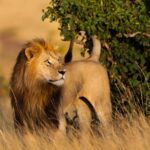
Most people book this tour for wildlife, and the promise here is broad: lions, cheetahs, leopards, elephants, rhinos, buffalo, gazelles, elands, and more. The realism is that you can’t control what animals show up on a specific day. What you can control is how many times you’re out in the park, how long you’re scanning, and how well you understand what you’re seeing.
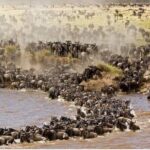
This itinerary is built around game drives with enough time in the Mara to improve your odds. Day two is the big wildlife day. You go deep into the Maasai Mara, and you’re out watching animals in their natural habitat for hours, not minutes.
You’ll also get a multilingual experience: a live tour guide is listed with language support in Spanish, English, French, and German. Audio support is also included in English, Spanish, French. That means you can tune in to explanations whether you’re the type who loves names and behavior patterns or the type who just wants to focus on what’s in front of you.
Why this matters for value: a “safari” that moves too fast turns into a blur. Here, you’re given a real block of time on day two so the sightings can unfold. When animals are acting naturally—walking, feeding, watching, interacting—you get more than a quick glance. You get context.
Day two at the Mara River: the calm moment you’ll remember
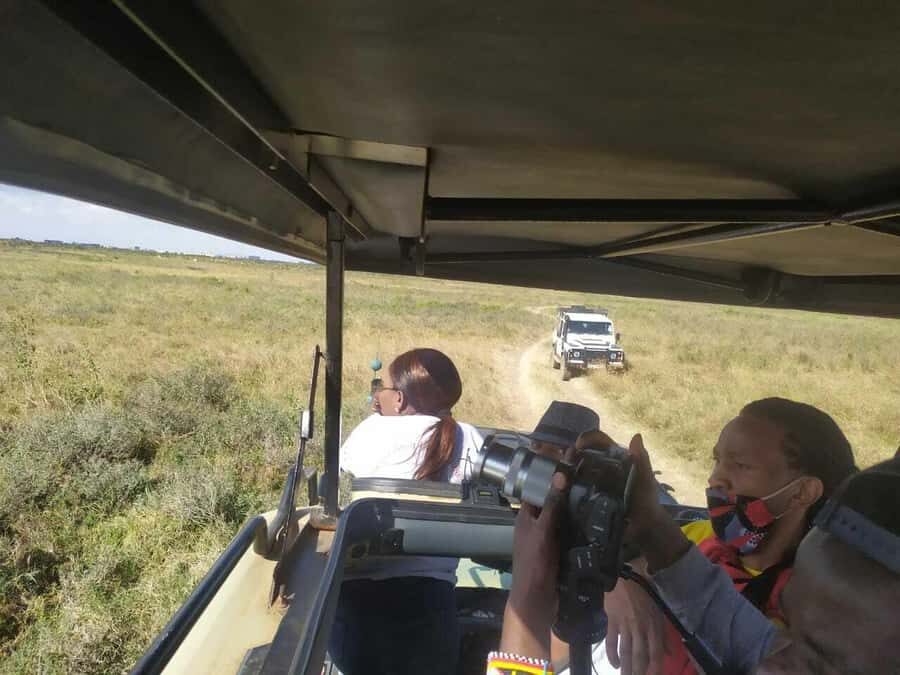
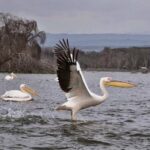
Day two includes a packed lunch by the Mara River. That’s not just a convenient meal stop; it changes the feel of the day. After hours of tracking sightings, you get a place where the ecosystem is constantly doing something—birds calling, water moving, and animals appearing along the edges.
You’re also told you can listen to the sounds of singing birds all around you. Even if you don’t become a bird expert in three days, this kind of pause gives you a break from scanning through heat shimmer and camera fatigue. It also gives your brain a moment to “catch up” before you head back out.
The tour keeps the day structured: you travel into the heart of the Mara, you eat there, then you continue the wildlife experience. For most people, that rhythm is the difference between a safari that feels like a checklist and one that feels like an experience.
Lions, cheetahs, elephants, giraffes: how to get better sightings
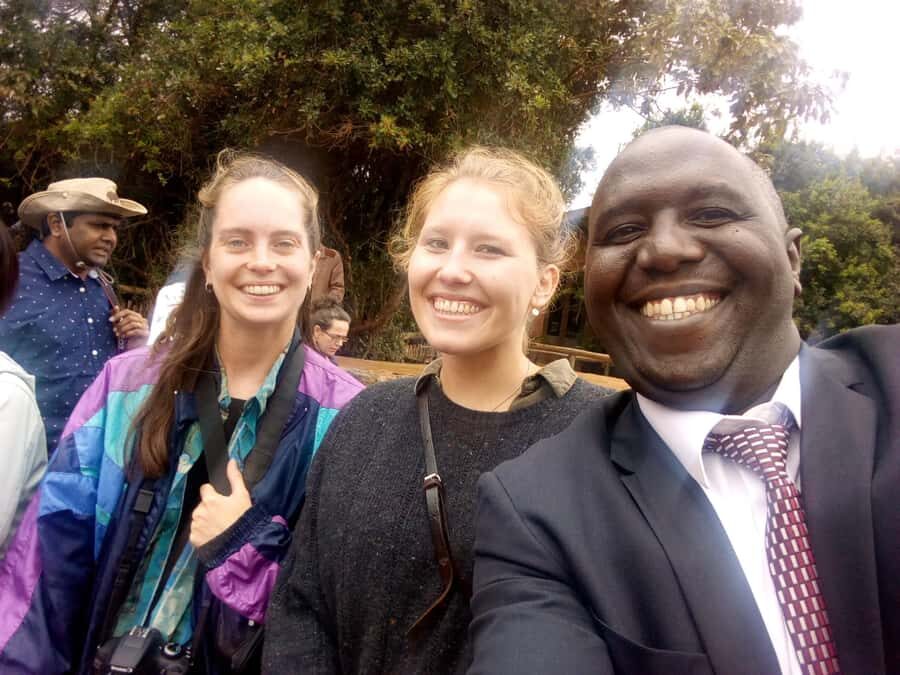
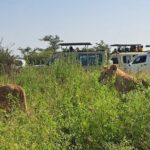
You’ll be in the right region, but you’ll still want to act like a good safari guest. That means staying ready. When you’re on a game drive, the best sightings usually come fast—an animal steps into view, a group moves, or something draws attention from multiple directions.
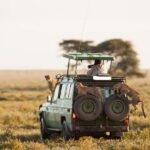
Because this tour includes mineral water and provides transport in a luxurious tour van, you’re likely to be comfortable enough to focus on spotting. The “small group” setup also helps: less shuffling and less crowding can make it easier for you to see clearly when the driver stops.
I’d also plan your camera routine. With big game, your goal is to capture both:
- the quick action shot (motion, posture, interaction)
- the “where are we” shot (context that shows distance and terrain)
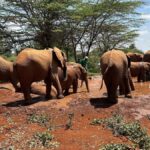
And don’t forget giraffes and elephants. Those can be easier to find than big cats on some days. If you’re getting only one species, you’re probably tuning your attention incorrectly. Spread your watching across grazing and browsing animals as well as predators.
Common-sense note: sun glare is real in open vehicles. The tour asks you to bring sunglasses and a hat for a reason.
Sleep in a tented room: the trade-off behind “close to nature”
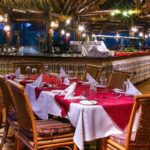
Accommodation is listed as self-contained tented rooms at the camp, with the option for hotel accommodation if you choose it. That’s a huge part of how this safari feels. A tented room is more “safari” and less “hotel,” even when it’s comfortable.
The included meals at the camp are another key piece. On safari, meal logistics matter. You don’t want to spend your limited time chasing breakfast arrangements or driving to dinner options after a full day outside.
From the practical side, I’d look at what self-contained means for your comfort expectations. The tour data doesn’t describe bedding style, room size, or hot water reliability. Since accommodation quality can vary by season and option, you should pick your comfort level carefully—especially if you’re someone who needs reliable Wi‑Fi or consistent water temperature.
My take on the value: if you want the real Maasai Mara vibe—darker skies, camp sounds, getting up and going—staying in the tented setup is often worth it. If you want maximum predictability, the optional hotel accommodation option may better match your travel style.
A few more Nairobi tours and experiences worth a look
Transport, timing, and group size: what can make or break the day
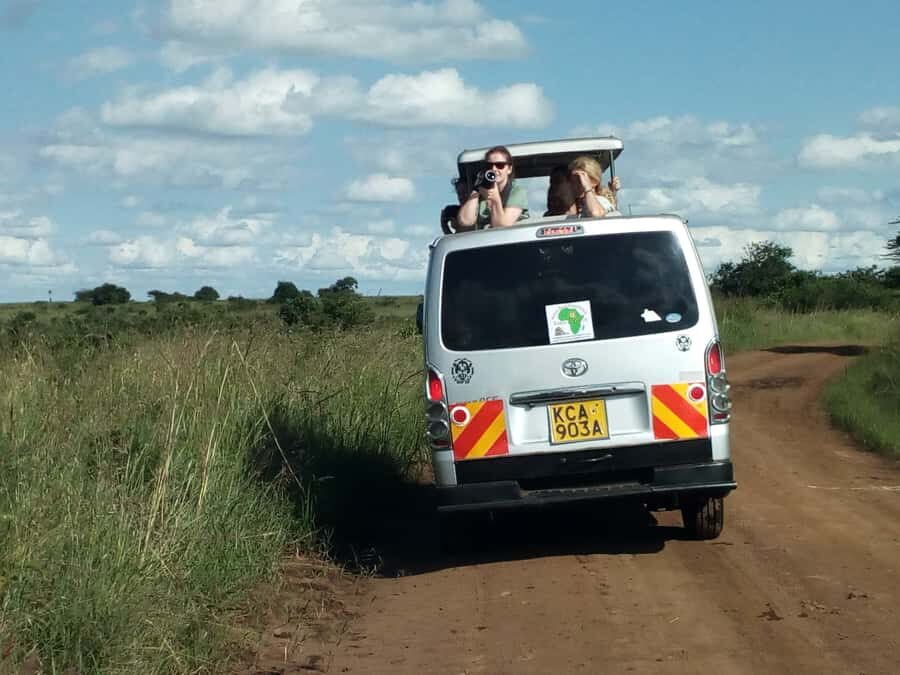
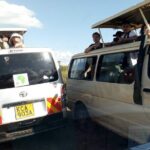
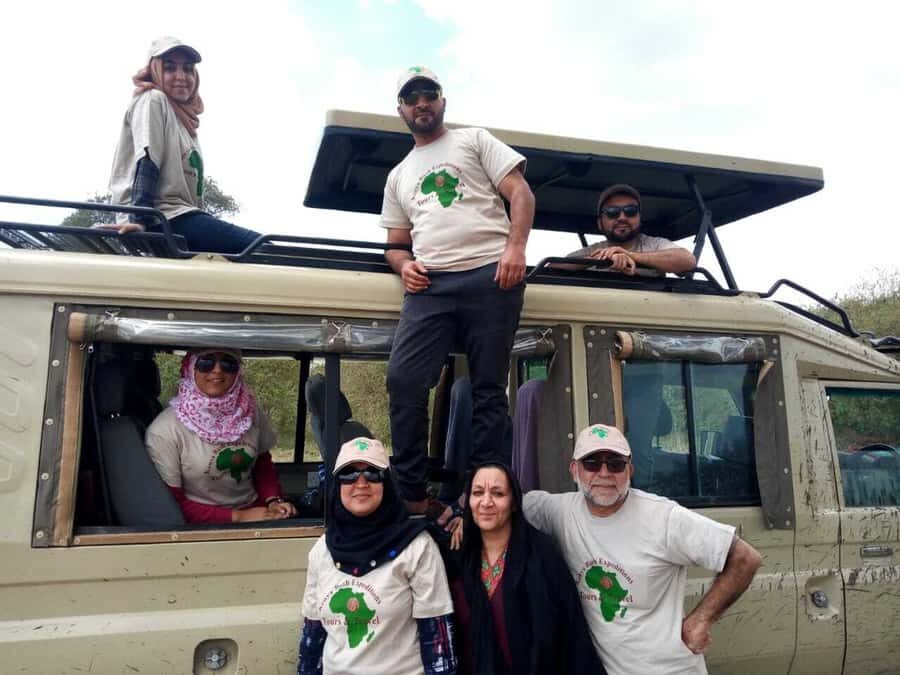
This tour runs in a luxurious tour van with an English-speaking driver. The group is limited to 7 participants, and you can have hotel pickup optional from Nairobi.
That small group number is not a minor detail. When the day is long and the park is active, a small group can mean fewer delays, quicker regrouping, and less “everyone is waiting” frustration. It’s also often easier for a guide to tailor explanations when you’re not packed into a large crowd.
Still, logistics on long road days can be stressful anywhere. One important consideration: you should treat pickup time and vehicle readiness as something to confirm before departure. If your trip depends on a tight schedule—like a flight right after safari—you’ll want buffer time.
Also note that the tour is wheelchair accessible, which is a meaningful inclusion, but it doesn’t explain how the game-drive vehicle seating or park paths work in practice. If mobility is a key concern for you, ask the provider how they handle access during game drives.
Price and park fees: where the $530 can rise or stay steady
The price listed is $530 per person for the 3-day experience. In safari terms, that number includes a lot of what most people actually struggle to assemble themselves: park access costs for certain months, meals, transport, and game drives.
What’s included: national park entrance fees for January to June bookings, all meals at the camp, mineral water, accommodation in the tented rooms, and transport with game drives. That bundle is where the value comes from—your money is covering the hard-to-arrange parts.
What can change: for July to December bookings, there’s an extra $240 per person for park fees. That’s significant, and it can shift the “value” equation depending on when you travel.
Not included items to remember: international flight charges, drinks of leisure, hot air ballooning, and a visit to Maasai villages. If ballooning is your must-do, plan for a separate booking. If you’re hoping for a cultural add-on like a village visit, this specific tour doesn’t include it.
My suggestion: check your travel month early. If you’re traveling July–December, budget for the extra park fee so the final cost doesn’t surprise you.
Who this safari is best for (and who should rethink it)
This tour fits you best if you want a structured wildlife trip with real time in the Maasai Mara and don’t want to juggle a DIY itinerary. The small group size also makes it a solid pick if you like having enough space to pay attention rather than competing with crowds.
It’s also a good match if you enjoy guided context. With multilingual live guidance and audio options, you’re not left guessing what you’re looking at.
Should you rethink it? If you’re very sensitive to accommodation polish or you need flawless vehicle conditions and strict schedule adherence, you’ll want to ask extra questions ahead of time. Safari road trips and camps can be more variable than people expect, and this tour’s data shows comfort can be “camp basic” rather than “luxury hotel.”
Should you book this Nairobi: 3-Day Maasai Mara Safari?
If your priority is more time on game drives in the Maasai Mara with meals and transport handled, I think this is a good booking. The core value is clear: multiple wildlife-focused days, tented camp stays (or optional hotel), and a small group size that supports better viewing.
Book it if:
- you want a straightforward 3-day wildlife plan from Nairobi
- you’re okay with safari-style lodging and basic camp comfort
- your travel dates fall in January–June, since park entrance fees are included
Consider asking more questions first if:
- you’re traveling July–December (extra park fees apply)
- you have tight post-safari timing for a flight or reservation
- you’re counting on a specific day-to-day game-drive setup and want confirmation before you pay
FAQ
How long is the Nairobi: 3-Day Maasai Mara Safari?
It runs for 3 days.
What is included in the tour price?
The package includes accommodation in a self-contained tented room (or hotel accommodation if you choose that option), national park entrance fees for January to June bookings, all meals at the camp, transport in a tour van, game drives, an English-speaking driver, and mineral water.
Are national park entrance fees included for every month?
No. National park entrance fees are included for January to June bookings. For July to December bookings, there is an extra $240 per person for park fees.
Is pickup from Nairobi available?
Pickup is optional, and it can be from your hotel in Nairobi.
What languages are available during the tour?
The live tour guide supports Spanish, English, French, and German. Audio is also included in English, Spanish, French.
Is the group small and is it wheelchair accessible?
The group is limited to 7 participants. The tour is listed as wheelchair accessible.