REVIEW · NAIROBI
Masai village Day Tour Experience
Book on Viator →Operated by Safari Port · Bookable on Viator
This trip works because it trades a quick look-see for real questions and hands-on skills shared by community members. I like that you get round-trip pickup from Nairobi, plus a guide who keeps the day moving with context and practical pacing. You also get a taste of daily Maasai life, from food prep to crafting and the music-and-dance part of community celebration.
Two things I especially like: the interactive village activities (not just watching), and the fact that stops include everyday systems like markets—so you understand how community life links to trade and home life. My one main consideration is that this is a culture-focused day, not a classic wildlife safari—so if you’re hunting for big-game sightings, manage expectations and plan accordingly.
You’ll start early (7:30am) and spend about 6 to 7 hours on the road and on-site. Along the way, expect comfortable breaks, lively moments, and plenty of chances to ask questions.
In This Review
- Key highlights at a glance
- Getting beyond Nairobi’s usual one-note souvenirs
- Hotel pickup and a 7:30am start that keeps the day comfortable
- Kitengela break: washroom stop plus coffee and snacks
- Kajiado County stop: daily Maasai food, weaving, goats, and more
- Bisil cattle market stop: go slow, especially if it’s Friday
- Live entertainment and dress-up: when participation is the point
- What the $100 price really buys (and what you’ll likely pay extra)
- How to prepare so the visit feels respectful and easy
- Who this Masai village day tour fits best
- Final call: should you book this tour?
- FAQ
- How long is the Masai village Day Tour?
- What time does the tour start?
- Is hotel pickup and drop-off included?
- What stops are part of the day?
- Do you visit a cattle market?
- Is the Bisil cattle market tied to a specific day?
- Are meals included?
- What’s included in the price?
- Are children allowed?
- What is the cancellation policy?
Key highlights at a glance
- Private tour with your group only, so the pace and questions stay personal
- Live entertainment plus singing and dancing that you’re encouraged to join
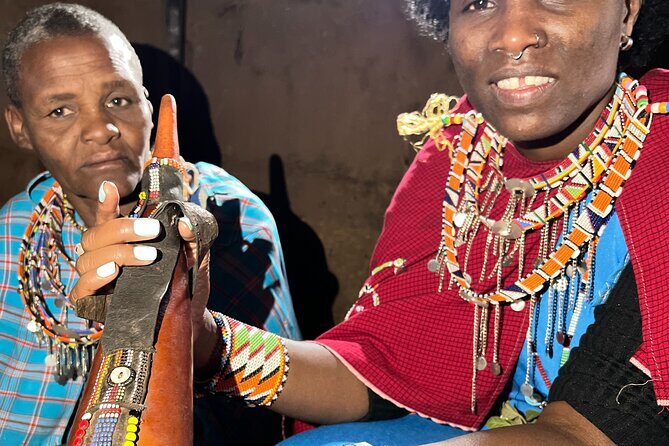
- Hands-on Maasai daily skills like weaving and learning about goat milk and food prep
- Market stops including a Bisil cattle market (often tied to Fridays)
- Multiple guided stops that help you understand life outside Nairobi, not just inside the village
Getting beyond Nairobi’s usual one-note souvenirs
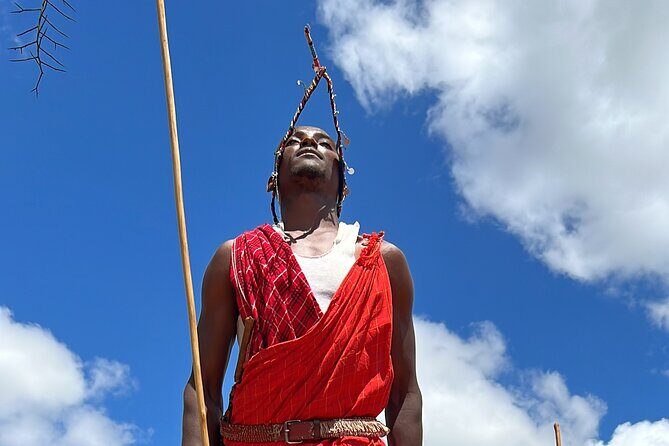
Nairobi days can blur together fast: big traffic, quick photo stops, and the same handful of talking points. This tour gives you something different. The point is simple—learn what Maasai life looks like from people who live it, not from a staged script.
What helps is the flow of the day. You don’t just roll into a village for entertainment and leave. You also get time at a Kajiado area stop where you can see how daily work connects to community routines and commerce.
In practice, this matters because culture can get flattened into stereotypes when you only see the performance side. Here, you’re given ways to ask about daily roles, food, and crafts—and you’ll see why those tasks matter to the way family life functions.
You can also read our reviews of more tours and experiences in Nairobi.



Hotel pickup and a 7:30am start that keeps the day comfortable
The tour begins at 7:30am, with pickup from your Nairobi hotel and drop-off at the end. I like early starts on these days because they reduce the chance you’ll rush the on-site portion. It also gives you time for stops that keep the trip comfortable, like a bathroom break and coffee/snack opportunity.
You should also know this is a private tour/activity, meaning only your group participates. That’s a big deal if you want to ask questions without feeling like you’re being squeezed into a schedule shared with strangers.
One more practical note: some guides you might have seen leading groups include names like Obed, Mwose (Moses), Tim, and Ezekiel. The key pattern across those guides is consistent—prompt pickup, a conversational approach, and enough flexibility to keep the day smooth.
Kitengela break: washroom stop plus coffee and snacks
Stop one is Kitengela, a residential area just outside Nairobi. You get about 10 minutes here, with time for a washroom break and the chance to buy snacks and coffee.
Why this is useful: it prevents the classic problem where everyone is hungry, then grumpy, then distracted once you’re out in the countryside. Even if you’re not a coffee person, having an easy snack option before the longer portion of the day helps you stay present.
You’ll also get a quick look at local daily life—views around the area and small microbusiness activity. It’s not a formal tour stop, but it’s a helpful transition from the city into the day ahead.
Kajiado County stop: daily Maasai food, weaving, goats, and more
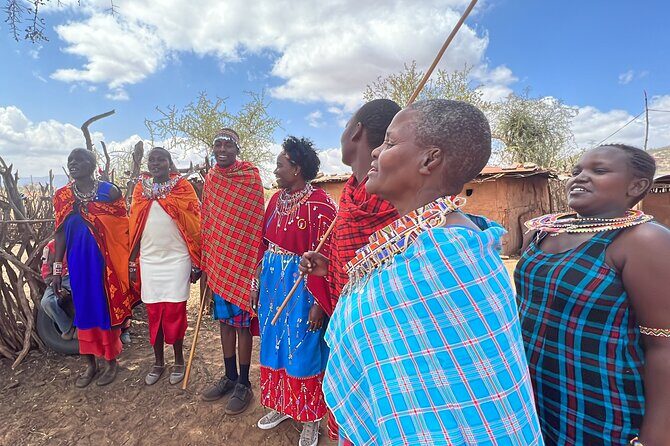
The heart of the cultural learning happens in Kajiado County during a 2-hour block at the Kajiado County Press / Rift Valley Observer head office area. On paper, that sounds like a surprise stop—why a media head office on a Maasai day tour? In practice, it supports the overall goal: you’re learning from community members and structured activities, and the day is organized in a way that keeps things educational rather than chaotic.
During this portion, you’ll get a day-to-day experience focused on Maasai life, including:
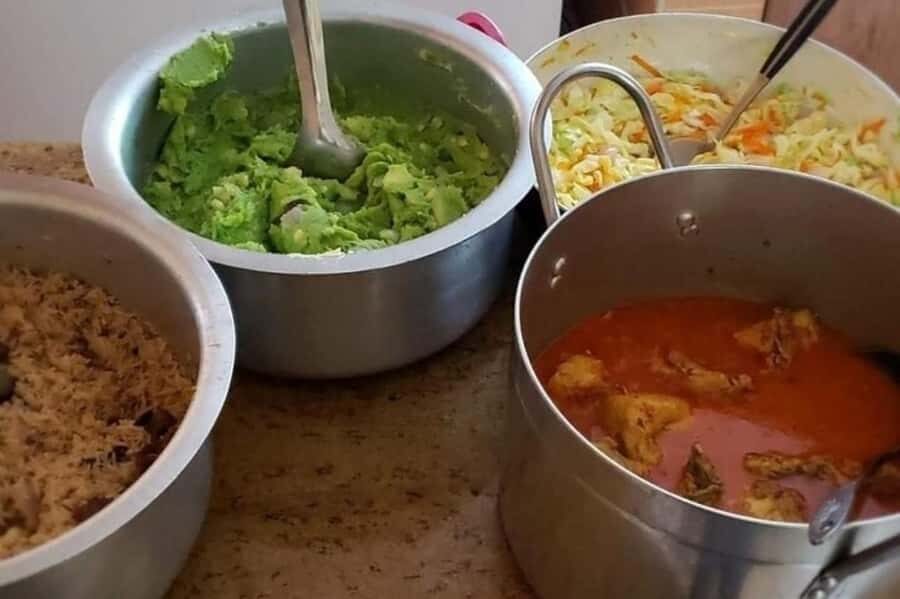
- How women prepare food and cook
- How necklaces and wristbands get woven
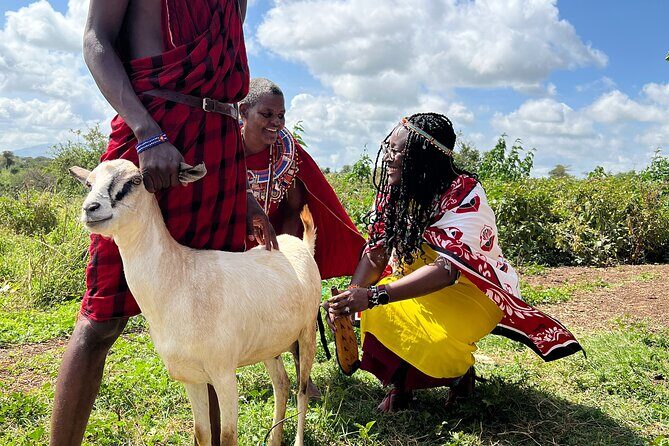
- What’s involved with milk goats
- Visits connected to a cattle market and a nearby shopping town feel
I like that this time isn’t just about crafts as a souvenir factory. It’s framed around roles and routine—why people do these things, how they fit into family life, and how those skills get passed along.
A bonus here is the pacing. Two hours gives enough time to watch, ask, and participate without feeling like you’re constantly being ushered onward.
Bisil cattle market stop: go slow, especially if it’s Friday
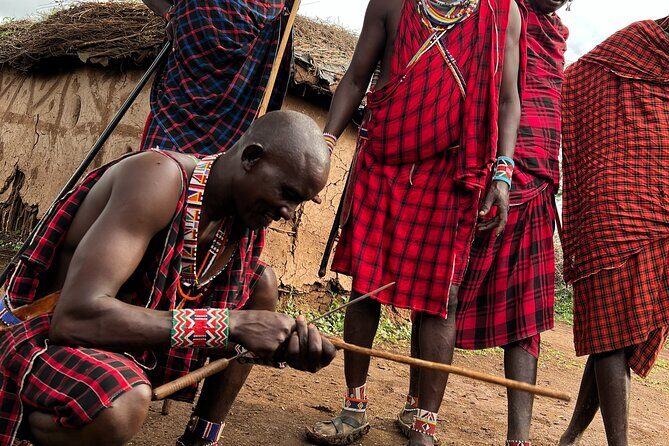
Next is Bisil, with a 30-minute stop at the cattle market. The schedule detail that matters: this market is mostly held on Fridays.
Even with only half an hour, a cattle market stop can change how you interpret the rest of the day. You start seeing how food, animals, and trade link into the wider Maasai community story. If you’re there on a Friday, you’re likely to catch the market in fuller swing.
Practical tip: treat the market area as a place with its own pace. You’ll get the best experience if you slow down for observation and keep the focus on respectful questions, not quick pointing for photos.

Live entertainment and dress-up: when participation is the point
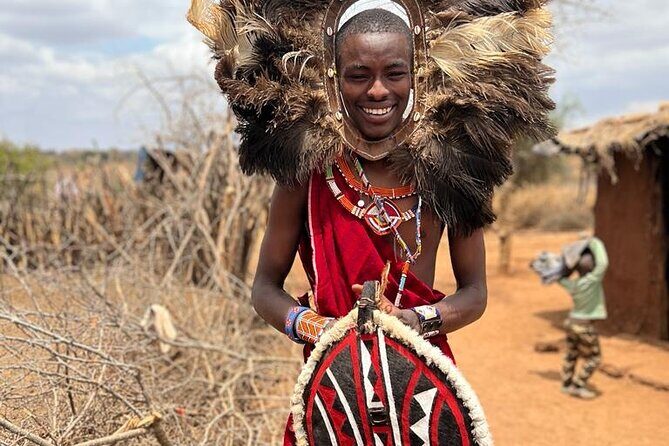
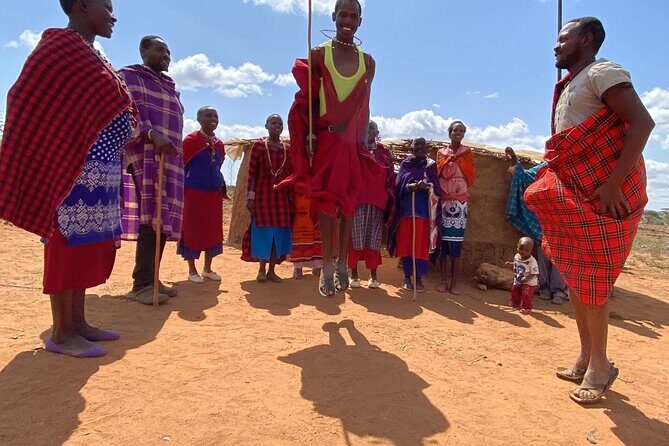
Most cultural tours promise singing and dancing. This one adds something better: the day is set up so you can engage instead of just watch. Live entertainment is included, and multiple guides in past trips have helped visitors join in with music and dance.
Another standout feature is the dress-up moment. You may be dressed with traditional ornaments, and that can help you connect with the experience beyond listening. It’s fun, yes—but it also signals that the community is treating your visit as an exchange, not a drive-by performance.
If you’re doing this as a couple, a family day, or a solo trip, this interactive piece usually becomes the memorable part. People often remember the questions, but they also remember the moment they were invited to participate.
What the $100 price really buys (and what you’ll likely pay extra)
At $100 per person, this tour is priced like a guided cultural day with real organization: driver/guide, hotel pickup and drop-off, live entertainment, and access to the structured stops with all fees and taxes included.
So what’s not included is equally important:
- Food and drinks are not included
- Lunch is not included
- Souvenir photos are available to purchase, but they’re not included
Here’s the value angle I like: the day includes several paid components (guided transport, organized community time, and entertainment), so you’re less likely to get nickel-and-dimed for entry fees. You still need to budget for your own meals, snacks, and any optional photo purchases.
Also, you’ll see group discounts and a mobile ticket offered—useful if you’re traveling with friends or want a smoother check-in process. On the booking side, this type of tour tends to sell ahead, so booking earlier can give you more choice in timing.
How to prepare so the visit feels respectful and easy
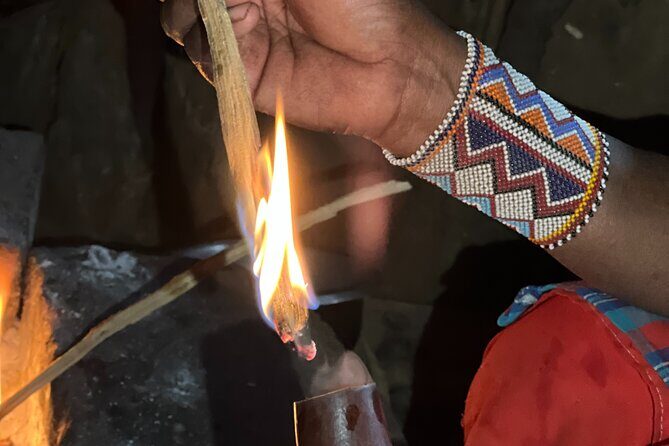
Even when a tour includes activities for visitors, it’s still a community visit. Your best experience will come from treating the day like a conversation, not a museum walkthrough.
A few practical ideas based on how the day is designed:
- Bring a mindset of asking before photographing. If you’re offered a chance to participate or be dressed, go with the flow.
- Plan for a full morning to early afternoon schedule, since the start is 7:30am and the tour lasts roughly 6–7 hours.
- Wear comfortable clothes and shoes for walking around market and village areas. The itinerary includes both cattle market time and village activities, so comfort matters.
If you care about learning, bring questions. Topics like roles in the community, how crafts are made, and what the goat-milk routine looks like are exactly the kinds of things the tour is set up to explain.
Who this Masai village day tour fits best
This is a strong choice if you want more than a scenic day outside Nairobi. It’s built for people who:
- want cultural context directly from community members
- enjoy interactive activities like craft demonstrations and music-and-dance participation
- like structured stops that include everyday systems, especially markets
It may not be the best match if your main goal is wildlife. This tour centers on Maasai community life, cattle market stops, and included entertainment, not safari drives.
Also note that children must be accompanied by an adult, and most people can participate. If you’re traveling with kids, the interactive nature can be a plus—just remember it’s still a community setting with active participation and learning.
Final call: should you book this tour?
If you want a Nairobi day that feels real and human, I’d book it. The biggest reason is the format: structured community time plus interactive activities, not a rushed performance stop. The inclusion of hotel pickup, live entertainment, and multiple learning points (food prep, weaving, goat milk, and cattle market context) makes the day efficient for your limited time in Kenya.
Book it especially if you’re the type who likes asking questions and staying curious. Skip it only if your top priority is a safari-style wildlife outing—this one is about people, routines, and how community life works day to day.
FAQ
How long is the Masai village Day Tour?
The tour runs about 6 to 7 hours.
What time does the tour start?
Start time is 7:30am.
Is hotel pickup and drop-off included?
Yes. Hotel pickup and drop-off are included.
What stops are part of the day?
You visit Kitengela for a break, a Kajiado County area stop for community activities and market/shopping time, and Bisil for the cattle market stop.
Do you visit a cattle market?
Yes. There is a cattle market component at the Kajiado County area stop, and you also visit the Bisil cattle market.
Is the Bisil cattle market tied to a specific day?
It is mostly on Fridays.
Are meals included?
Food and drinks are not included, and lunch is not included. Coffee and a lunch break stop over are included.
What’s included in the price?
The price includes the driver/guide, hotel pickup and drop-off, live entertainment, private tour setup, coffee and lunch break stop over, and all fees and taxes.
Are children allowed?
Children must be accompanied by an adult.
What is the cancellation policy?
Free cancellation is available up to 24 hours before the experience starts for a full refund. If you cancel less than 24 hours before, you won’t receive a refund.