REVIEW · NAIROBI
From Nairobi: Private Nairobi National Park Tour
Book on GetYourGuide →Operated by Bongo International Travel Co Ltd. · Bookable on GetYourGuide
Wildlife in Nairobi starts fast. In a few kilometers, you trade city noise for sightings. This private tour puts you in Nairobi National Park and the on-site Animal Orphanage, with a real focus on rhinos and big mammals.
Two things I love: the chance at Black Rhino sightings (the park is one of Kenya’s most successful rhino sanctuaries), and the photo-friendly setup—an exclusive 7-seater minibus with pop-up roofs that makes it easier to shoot through game-drive positioning. I also like that you’re not stuck in a big group where you can’t linger when something good pops up.
One drawback to plan for: the Nairobi National Park entry fee (and the Animal Orphanage entry fee) are not included, so you’ll need to budget extra on arrival. Some travelers also run into ticket-processing delays, which can cut into time inside the park.
In This Review
- Key points to know before you go
- Nairobi National Park: wildlife steps from the city
- Rhino Sanctuary and the Big-Five checklist you’ll actually care about
- Animal Orphanage inside the park: what to expect and how to think about it
- Your 7-seater minibus and guide: why private matters here
- Price and entry fees: getting the math right before you go
- What to bring (and what to skip) for a smoother safari day
- Timing tips that make rhino and predator sightings easier
- Should you book this Nairobi National Park tour?
- FAQ
- What is included in the private Nairobi National Park tour?
- What is not included in the tour price?
- Is this tour good for seeing rhinos?
- What should I bring?
- Are pets or large bags allowed?
- What’s the cancellation policy?
Key points to know before you go
- Black Rhino odds are strong: sightings are almost guaranteed in this park’s rhino sanctuary program.
- Pop-up roofs help your photos: you get easier sightlines while you’re driving.
- Orphanage is inside the park: it’s not a random detour; it’s part of the same wildlife day.
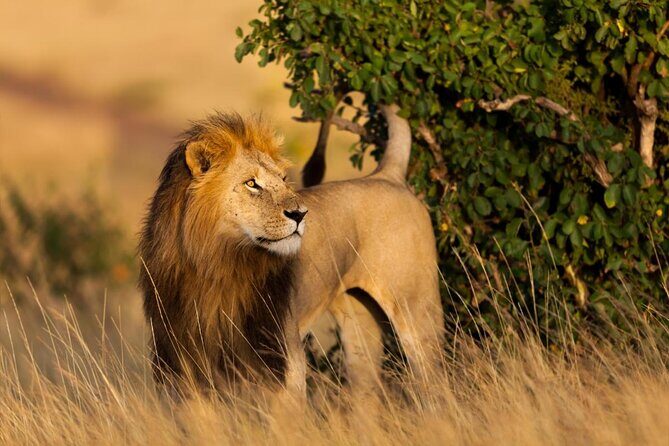
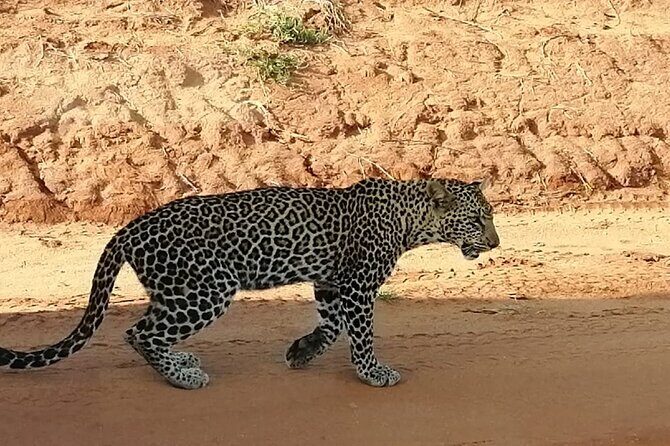
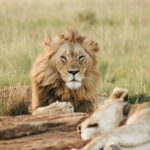
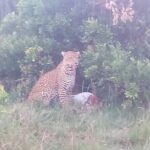
- You can tick off big mammals fast: expect lions, leopards, cheetahs, and more depending on conditions.
- Budget for separate entry fees: park and orphanage fees are extra, even though the tour price is clear.
- Best fit is a private, time-limited day: it’s ideal when you want quality sightings without a long multi-day safari.
Nairobi National Park: wildlife steps from the city
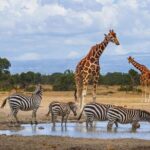
One of the coolest things about this tour is how close it is to Nairobi city life. You start near the city center, then within minutes you’re in Nairobi National Park, where wildlife viewing feels almost unreal given the proximity to urban buildings and roads.
The park itself is designed for game drives. You’ll roll around by vehicle, stopping when the driver spots activity, and moving again when the herd shifts or predators show up. The viewing can be excellent for people who only have a short window in Nairobi, because you’re getting a serious wildlife session without needing a full day of long transfers to reach more remote parks.
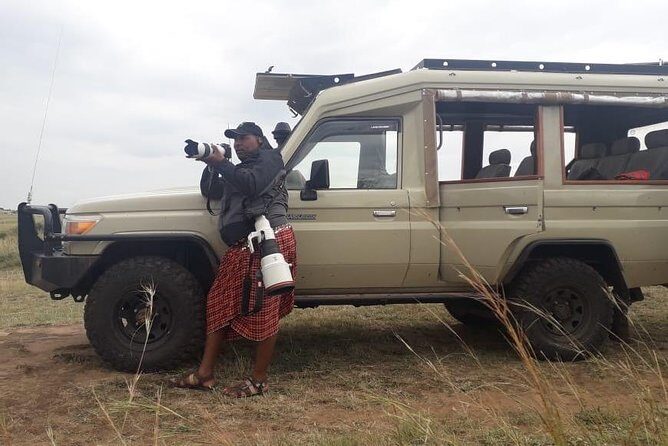
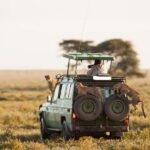
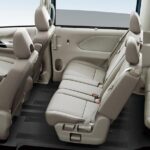
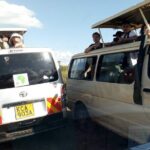
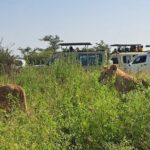
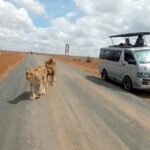
The transport is built for spotting and shooting. You’re in an exclusive-use 7-seater minibus fitted with pop-up roofs, which is a practical touch for photography and for getting a better look over the heads of other passengers. And you’ll have an experienced English-speaking driver/guide managing the pace—so it feels like a guided safari, not just a ride to the park gate.
You can also read our reviews of more private tours in Nairobi
Rhino Sanctuary and the Big-Five checklist you’ll actually care about
Let’s talk rhinos—because this is why many people choose Nairobi National Park in the first place. The tour is built around the park’s strong rhino sanctuary work, and the information for this experience is specific: Black Rhino sightings are almost guaranteed.
That matters because rhinos can be hard to find on many safaris. Here, the park’s sanctuary focus increases your odds, especially if you’re trying to complete a personal Big Five-style list. The area is known for four of the Big Five, and in practice, that means you’re not just hoping—you’re targeting.
I also like how the rhino experience pairs well with other predator and herbivore sightings. When people get lucky on safari, it’s often because they’re in the right place at the right time and they stay flexible. This tour gives you that flexibility. Your guide can adjust the route to capitalize on fresh sightings instead of sticking to a rigid script.
There’s also a “bonus” that comes with the sanctuary setup: you may see lion feedings while you’re in the park. Not every day will have the same schedule, but the fact that it can happen is part of what makes this park feel lively and mission-driven, not just scenic.
Animal Orphanage inside the park: what to expect and how to think about it
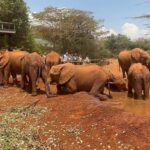
After you’ve been out driving, you’ll head to the Animal Orphanage, located inside the national park itself. That location is meaningful. You’re already in safari mode, and you don’t waste time shuttling across town to reach a separate facility.
The orphanage supports wounded or orphaned animals, and the idea is that they’re nurtured back toward health. The emphasis isn’t just on watching—it’s on understanding that these animals are there because something went wrong in the wild, and the facility is part of the safety net.
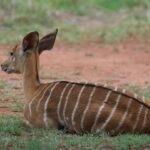
What might you see? You can expect animals such as lions, leopards, cheetahs, warthogs, cranes, antelopes, baboons, and more. The exact mix can vary, but the range is broad enough that most first-time Nairobi visitors feel they’re getting a full wildlife story in one day.
A practical note: treat it like a wildlife center, not an amusement stop. Keep your voice low, stay where staff indicates, and let the care team run the pace. If you go in expecting something you can control, you’ll be happier—and you’ll get more out of it.
Your 7-seater minibus and guide: why private matters here
This is a private tour, and that’s not just a marketing line. It’s a real advantage in a park where sightings can be spontaneous. An exclusive-use vehicle means you’re not constantly waiting on other people’s timing or stuck watching from the back of a crowd.
The vehicle design helps too. With the pop-up roof, you can get a better shot when animals move into open areas or when you’re trying to capture details like face markings or horn shape. It also improves visibility when you’re aiming across the vehicle—something that’s hard in standard safari vans.
The guide is the secret ingredient. Many people highlight the same traits: strong wildlife spotting, clear communication, and the patience to stop and wait for photos. One name that comes up is Isaac, who people describe as focused on making sure they don’t miss key animals, including rhinos. That kind of attention is especially valuable on a shorter Nairobi safari day, where you can’t afford to waste time cruising aimlessly.
Also, because you’re with an English-speaking driver/guide, you’re not stuck guessing what you’re seeing. Even without a lecture-style approach, having someone able to interpret animal behavior and park dynamics makes the whole day feel more rewarding.
Price and entry fees: getting the math right before you go
The headline price is $110 per person, and it includes a lot of the logistics that usually add friction to a day trip: hotel pickup and drop-off, an exclusive 7-seater minibus, and the services of an experienced English-speaking driver/guide. It also covers driver allowances and all government taxes and levies.
But two costs are explicitly not included:
- Nairobi National Park entry fee
- Nairobi Animal Orphanage entry fee
This is the part you should budget for upfront. Some people report planning around $40–$50 per person for park entry, but fees can vary by policy and timing. The key is simple: don’t assume the $110 covers everything once you arrive.
My advice for value: this tour makes sense if you want a guided, photo-friendly wildlife day with rhino odds and the orphanage stop, without having to organize vehicles, guide time, and logistics yourself. If you’re splitting the cost with a couple of friends, it can feel even better because you’re paying for privacy and flexibility, not just transportation.
One more practical point: beverages are not included, so plan on buying water or drinks during the day. Safari heat adds up fast—even when the park isn’t “that far” from town.


What to bring (and what to skip) for a smoother safari day
A few details here really help. Bring a passport or ID card, plus comfortable shoes and sunglasses. Safari days often involve time outside the vehicle while you wait for spotting, and comfort beats style.
You should also respect the rules on what you can carry. Pets aren’t allowed, and luggage or large bags aren’t allowed. That’s common for vehicle and park policy reasons, but it can catch people off guard if they pack like they’re going to the airport.
One more compatibility warning: this tour is not suitable for people with back problems and not suitable for people with mobility impairments. The combination of safari vehicle seating, the park surface, and getting in and out means it’s not a gentle day-trip experience.
Timing tips that make rhino and predator sightings easier
Because rhinos are the target here, you’ll want to treat timing and patience as part of the “ticket.” The whole day depends on spotting conditions—animals don’t follow a schedule just because you paid.
This is where a guide’s decision-making helps. When you see activity, you’ll likely spend more time there rather than rushing out to the next stop. People who’ve done this tour often praise the way the guide stops and waits for photos, which matters because the best moments can be brief.
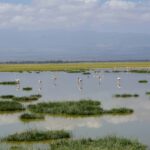
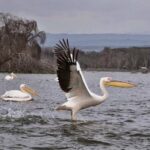
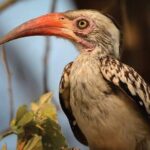
Also, remember that birds can be a big part of Nairobi National Park. The park records around 400 bird species, but not every species is present every day since some are seasonal. So even if the mammal action slows down for a bit, you can still enjoy the park through birdlife and landscape viewpoints—without pretending every bird will show up on cue.
Should you book this Nairobi National Park tour?
Book it if you want a high-odds rhino-focused day that fits easily into a Nairobi visit. The combination of Nairobi National Park plus the Animal Orphanage—with a private, pop-up-roof vehicle and an English-speaking guide—makes this a strong choice for time-limited travelers, including people who only have a day between other plans.
Don’t book it if you can’t handle the vehicle setup or park conditions. Also, if you hate surprises, budget for the separate entry fees for the park and orphanage.
If you’re going to Nairobi and you want your wildlife time to feel organized, photo-friendly, and centered on the animals that matter most to you, this is a solid pick.
FAQ
What is included in the private Nairobi National Park tour?
The tour includes hotel pickup and drop-off, use of an exclusive 7-seater minibus with pop-up roofs, an English-speaking driver/guide, driver allowance, and all government taxes and levies.
What is not included in the tour price?
Beverages are not included. Also, you’ll pay separately for the Nairobi National Park entry fee and the Nairobi Animal Orphanage entry fee.
Is this tour good for seeing rhinos?
Yes. This park is described as one of Kenya’s most successful rhino sanctuaries, and Black Rhino sightings are almost guaranteed on this tour.
What should I bring?
Bring your passport or ID card, plus comfortable shoes and sunglasses.
Are pets or large bags allowed?
No. Pets are not allowed, and luggage or large bags are not allowed.
What’s the cancellation policy?
You can cancel up to 24 hours in advance for a full refund.