REVIEW · NAIROBI
Amboseli: Three Day Safari
Book on GetYourGuide →Operated by Bongo International Travel Co Ltd. · Bookable on GetYourGuide
Elephants on parade is the point here. This three-day safari to Amboseli National Park puts you on open Kenyan plains with Mt Kilimanjaro in the distance, built for big-game watching with herds of over 100 elephants and those impressive bull tusks. I like how the schedule gives you two strong wildlife windows, plus a stay inside the Amboseli area. One drawback to plan around: the Nairobi-to-Amboseli drive can be long, so don’t stack tight timing for your return day.
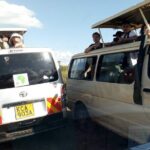
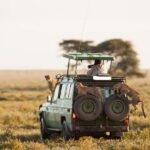
You’ll travel in an exclusive 7-seater minibus with pop-up roofs, which is a practical upgrade for spotting and photography. You’ll also travel with an experienced English-speaking driver-cum-guide, and you get 4 game drives plus full board for 2 nights.
If you have back problems or trouble with mobility, this style of safari may be rough on you, since you’ll spend time in off-road vehicle conditions.
In This Review
- Key highlights worth paying attention to
- Why Amboseli feels like Kilimanjaro’s wildlife neighborhood
- From Nairobi to Amboseli: the long-drive reality check
- Day 1: Nairobi to Amboseli, lunch first, then your first game drive
- Day 2: two big wildlife windows, plus predator odds
- Your lodge stay inside Amboseli: comfort with Kilimanjaro views
- Day 3: back to Nairobi, and the flight-timing rule you should respect
- Price and extras: what $585 really buys you
- The guide makes the day: what to ask and how to get better wildlife time
- What you should pack (and what will slow you down)
- Who this Amboseli 3-day safari fits best
- Should you book the Amboseli Three Day Safari?
- FAQ
- How many game drives are included?
- What’s included in the price?
- Are park entrance fees included?
- Is a Maasai village visit included?
- Is a hot air balloon safari included?
- What are the pickup and drop-off times like for flights?
- What should I bring, and what’s not allowed?
Key highlights worth paying attention to
- Kilimanjaro in the background: a dramatic backdrop that shows up again and again during drives
- Elephants in big groups: herds often reach 100+ individuals, with bulls known for very large tusks
- Big Five country: Amboseli is famous for major wildlife, plus lots of grazing prey that supports predators
- 4 game drives over 3 days: early and late drives are where wildlife activity often stacks up
- Pop-up roof minibus: easier viewing and photos without fighting your seat position
- Lodge stay inside the Amboseli area: you spend more of the day in the park zone, less time in limbo
Why Amboseli feels like Kilimanjaro’s wildlife neighborhood
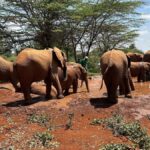
Amboseli is famous for a reason: elephants here don’t feel like a rare highlight. They’re a central character. The park’s big elephant population means you’re not just hoping for one sighting. You’re watching herds move, pause, feed, and sometimes cross the road like they own the schedule.
Then there’s Kilimanjaro. Even when you’re focused on animals, that mountain shape in the distance changes the mood of everything. It makes the plain feel wider, the light feel special, and the whole safari feel more cinematic without adding any extra effort.
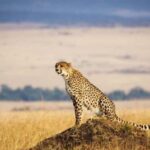
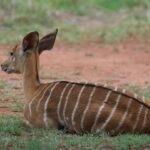
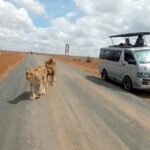
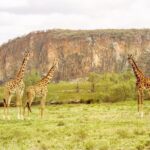
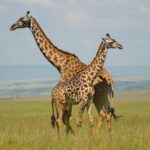
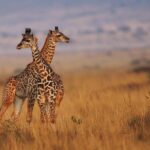
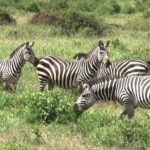
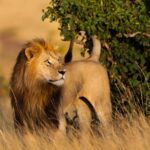
You also get a good mix of prey animals—buffalo, wildebeest, zebra, impala, plus giraffes and warthog—so predator chances are built into the landscape. Predators you can often see include lions, leopards, cheetahs, hyenas, jackals, caracals, serval cats, and more. Realistically, sightings vary day to day. But the park has the ingredients for the full food chain.
A few more Nairobi tours and experiences worth a look
From Nairobi to Amboseli: the long-drive reality check
Getting from Nairobi to Amboseli is not a quick hop. It’s a full transfer day, and your schedule depends on road conditions and stops along the way. One traveler experienced the ride as around 5 hours with a couple of breaks, while another reported a much longer stretch due to difficult roads. The practical takeaway: pack your mindset for a slow journey.
Good news: the transport is set up for wildlife viewing and photos. You’ll use an exclusive 7-seater minibus with pop-up roofs. That matters because you can often raise your view above the crowd, scan for animals faster, and grab cleaner shots when the group spots movement ahead.
The tour also includes 1 liter bottled mineral water per person per day. It’s a small thing, but on a hot, bumpy drive, hydration is not optional.
Day 1: Nairobi to Amboseli, lunch first, then your first game drive
Your day starts with pickup from your Nairobi hotel or the airport, then the drive out to Amboseli. The goal is clear: arrive in time for lunch at the lodge, then head into the park for an afternoon game drive.
That sequence is smart. If you arrive and go straight to the savannah, you can lose time and focus to fatigue. By getting lunch first, you’re more likely to stay alert during the drive, especially when you’re scanning for elephants crossing open ground.
For your first drive, expect a warm-up phase rather than a guaranteed “best of everything.” Afternoon light can be excellent for spotting, and it’s a great time to watch how elephants and grazing herds space themselves. It’s also a decent window for predators, because activity often follows prey movement.
When you’re on the road, pay attention to how your guide works the edges of sightings—water sources, shade lines, and areas with tracks. Even if you don’t know animal behavior yet, you’ll start learning the park’s logic fast.
Day 2: two big wildlife windows, plus predator odds
Day 2 is built around early morning and late afternoon game drives, with all meals and your overnight stay at the lodge inside the Amboseli area. This is the heart of the safari, and it’s where you should go from “I hope we see elephants” to “Okay, I get it now.”
Morning drives tend to be productive because animals often feed when conditions are cooler. Late afternoon can bring calmer light and different animal movement patterns. The combination is why you get more than one chance at major sightings without needing a full extra day.
Amboseli’s elephant scene is the headline. You might see herds of over 100 elephants, and the biggest bulls are often the ones people talk about—those tusks can be enormous. What’s also worth watching: the social behavior. Elephants aren’t just walking statues. You’ll see different roles in a herd, how groups respond to noise, and how young and older animals move differently across open ground.
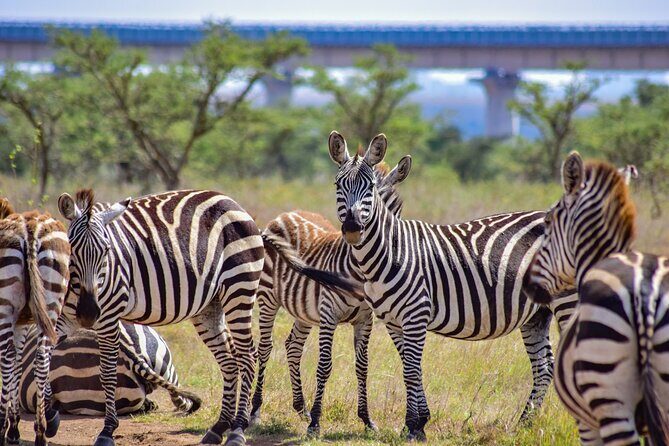
Outside the elephants, you’re likely to spot buffalo, wildebeest, zebra, impala, and sometimes giraffes and warthog. And with prey present, predators become more than a theory. Lions, leopards, cheetahs, jackals, hyenas, caracals, and serval cats are all listed among animals that are frequently seen in Amboseli—so you’re playing a numbers game with the advantage of a park that actually supports these species.
One practical tip: keep your camera and phone settings ready before the vehicle stops. The pop-up roof helps, but the fastest way to get a sharp shot is to be ready the moment an animal enters the open plain.
Your lodge stay inside Amboseli: comfort with Kilimanjaro views
You’ll sleep at a lodge within the Amboseli area for 2 nights, and you get full board. That means meals are handled, and your base is close enough to keep the safari moving without constant long detours.
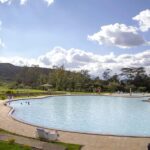
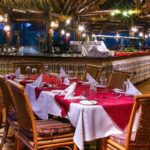
Lodges in this park zone often aim for a classic feel: rooms with mosquito nets, simple but functional comforts, and sometimes views straight toward Kilimanjaro. One example given for a stay style included single masonry structures with thatched roofing, plus a swimming pool overlooking the mountain. Even if your exact lodge differs, it’s a good sign that this trip isn’t just about drives. It’s about relaxing at a place that makes the setting feel real.
Mosquitoes are part of the deal in many parts of Kenya. Bring what you can: you’ll want insect protection, and it’s smart to pack a small electric repellent if you use one at home. A mosquito net is included in the kind of lodge setup people have described, but you still want extra protection for evenings on the veranda or after dusk.
A few more Nairobi tours and experiences worth a look
Day 3: back to Nairobi, and the flight-timing rule you should respect
On day 3, after breakfast, you return to Nairobi and get dropped at your hotel or the airport. Timing matters here. The safari returns between 2:00pm and 5:00pm.
So if you’re booking a flight out of Nairobi the same day, keep it flexible. A good rule from the tour guidance: if you’re flying out the same day, don’t book earlier than 8:00pm. That gives you buffer for traffic, vehicle delays, and the simple fact that road time rarely follows a perfect schedule.
Once you land at Nairobi and get dropped, you’ll likely feel like the safari was too short. That’s not because it’s rushed. It’s because once elephants and big predators get on your radar, you start wanting “one more drive,” and the clock won’t cooperate.
Price and extras: what $585 really buys you
The listed price is $585 per person, and it covers several things that directly affect your time in the park:
Included:
- hotel or airport pickup and drop-off in Nairobi
- exclusive use of a 7-seater minibus with pop-up roofs
- English-speaking driver-cum-guide
- driver allowance
- government taxes and levies
- 2 nights full board accommodation
- 1 liter bottled mineral water per person per day
- 4 game drives
So you’re paying for transport, guiding, lodging, meals, and park time. In safari pricing, that’s the structure that matters. The value improves when fewer costs are left “for later.”
What’s not included is also important to budget for:
- Entrance fees: US$60 per person per night, child US$35
- Maasai village visit: US$30 per person
- Hot air balloon safari: Adult $480 per person and $390 per child
If you’re doing the full park stay of 2 nights, entrance fees can add up, so I’d calculate your total before you get comfortable with the $585 number. The good news is that you can keep extras optional: the core safari is strong even without the balloon or village stop.
Also note: this trip is not suitable for everyone. It’s not ideal if you have back problems or mobility impairments, since the vehicle experience is part of the design.
The guide makes the day: what to ask and how to get better wildlife time
The driver-cum-guide role is central on this kind of safari. They handle navigation, animal spotting decisions, and how you spend your daylight in the park. People have described both highly helpful, sociable guiding and also occasional issues with route choices that wasted time in low-activity areas.
So here’s the practical approach I’d use: ask your guide early what you’re prioritizing—elephants, predators, or a specific set of sightings. If you want more animal action, ask how they plan to adjust the route based on sightings on the day.
And since this is an exclusive vehicle, you can often have a more direct conversation than you would on a packed join-in bus. The pop-up roof makes it easier to see, but the guide still decides where you go next.
If you’re the kind of person who loves learning while you watch, you’ll likely appreciate guides who can explain what you’re seeing and why certain stops make sense.
What you should pack (and what will slow you down)
Keep your packing simple. This safari operates with vehicle travel and frequent stops, so comfort beats fancy.
Bring:
- passport or ID card
- comfortable shoes
- sunglasses
Not allowed:
- pets
- oversize luggage
If you wear or carry anything that makes you stiff or uncomfortable in a vehicle, this is a bad time to test it. The savannah can be warm and bright, so sunglasses are not optional. And for shoes, choose something that supports you during stops and uneven ground near the vehicle.
Who this Amboseli 3-day safari fits best
This is a strong choice if you want a structured safari without trying to manage logistics yourself. You get:
- multiple chances at wildlife, not just a single drive
- lodging inside the Amboseli area
- a vehicle designed for viewing (pop-up roofs)
- an English-speaking guide
It’s also a good fit if you care about photography. Elevated viewing can change what you capture—especially for elephants moving across open areas and for tighter shots when the group stops quickly.
Where it’s less ideal:
- back problems or mobility impairments
- people who hate long road transfers and prefer short, city-based itineraries
Should you book the Amboseli Three Day Safari?
I’d book this tour if you want elephant-focused wildlife time with Kilimanjaro as the backdrop, and you’re okay with a longer Nairobi transfer day. The mix of 4 game drives, full board lodge stay, and a pop-up roof vehicle is a practical setup that keeps your day focused on sightings instead of logistics.
Pass or reconsider if you need a very short, low-movement trip, or if you can’t handle off-road vehicle conditions. Also do your math on entrance fees and optional add-ons so there are no surprises when you get to the park costs.
If you book, do one thing that improves your odds fast: communicate your priorities to your driver-guide early, then stay ready for changes in the vehicle routine. Amboseli rewards attention, and you’ll feel that within the first drive.
FAQ
How many game drives are included?
You get 4 game drives across the 3 days.
What’s included in the price?
The tour includes Nairobi hotel or airport pickup and drop-off, exclusive 7-seater minibus with pop-up roofs, an English-speaking driver-guide, driver allowance, government taxes and levies, 2 nights full board accommodation, 1 liter bottled mineral water per person per day, and 4 game drives.
Are park entrance fees included?
No. Entrance fees are US$60 per person per night and US$35 for children.
Is a Maasai village visit included?
No. A Maasai village visit costs US$30 per person and is not included.
Is a hot air balloon safari included?
No. Hot air balloon safari is not included, and pricing is listed separately (Adult $480 per person and $390 per child).
What are the pickup and drop-off times like for flights?
The safari return to Nairobi happens between 2:00pm and 5:00pm. If you fly out the same day, it’s recommended not to book earlier than 8:00pm.
What should I bring, and what’s not allowed?
Bring a passport or ID card, comfortable shoes, and sunglasses. Pets and oversize luggage are not allowed.