REVIEW · NAIROBI
9 Days Samburu- Nakuru- Mara-Naivasha- Amboseli Wild Safari
Book on Viator →Operated by Adventure 360 Africa · Bookable on Viator
Samburu to Amboseli in one clean loop.
What makes this safari feel different is the mix of top parks plus a small group game-drive setup, so you spend less time managing logistics and more time scanning the grass. You’ll also be guided through some real highlights like Samburu’s special animals, Nakuru’s rhinos and flamingoes, and the Maasai Mara’s Mara River area.
Two things I especially like: the itinerary is built around variety (five spots in Samburu, then rhinos and birds in Nakuru, then big-cat country in the Mara), and the guiding quality comes through in the small details—drivers like John and Charity get named for keeping things smooth and fun. One drawback to consider: it’s an active route with early starts and long drives, and the “on budget” tented-camp style may feel basic compared with higher-end lodges.
In This Review
- Key reasons this safari works well
- The value of a 9-day Kenya loop: Samburu to Amboseli without the stress
- Samburu Day 1-2: the Equator drive and Kenya’s special five
- Thomson Falls and Nakuru: rhinos, flamingoes, and a calmer pace
- Maasai Mara Days 4-5: Mara River timing and BIG Five chances
- Naivasha Day 6: optional boat ride, birds, and hippo spotting
- Hells Gate Day 7: walking with wildlife before Amboseli elephants
- Amboseli Days 8-9: Mt. Kilimanjaro views and large elephant herds
- Price and logistics: what $2,200 buys (and what it doesn’t)
- Who this safari suits (and who might want a different plan)
- Should you book this safari?
- FAQ
- What parks are included in this 9-day safari?
- How many people are in the group?
- Where is the meeting point in Nairobi, and what time does it start?
- Are meals included?
- Is the Lake Naivasha boat ride included?
- Can you walk or cycle in Hell’s Gate?
- What’s included in the price, and what’s not?
- What happens if weather is poor, or if I cancel?
Key reasons this safari works well
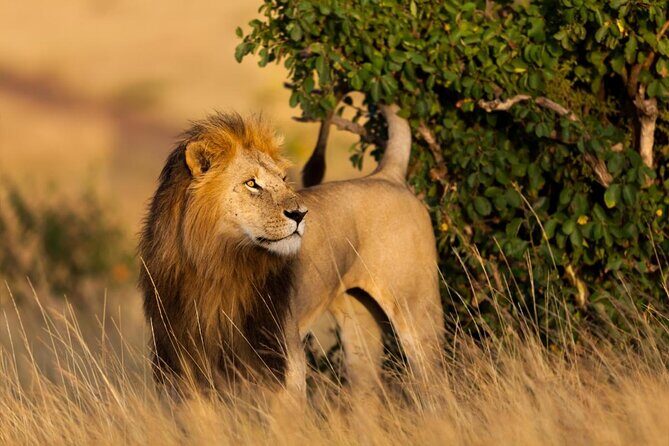
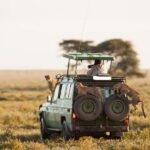
- Small-group game drives (capped at about 8 in the car, with an overall max of 16) keep wildlife-spotting more manageable.
- Samburu special-five focus gives you a better-than-average shot at seeing the reticulated giraffe and other regional stars.
- Nakuru’s rhino and flamingo timing adds a totally different Kenya vibe from the big-grass parks.
- Maasai Mara’s Mara River opportunity means you can aim for the wildebeest crossing area when conditions align.
- Optional Lake Naivasha boat ride adds birds and hippo chances without forcing it every day.
- Amboseli elephants + Mt. Kilimanjaro views finish the trip with big-scale wildlife and famous scenery.
The value of a 9-day Kenya loop: Samburu to Amboseli without the stress
This is the kind of safari you book when you want Kenya wildlife without turning your trip into a full-time planning project. You’re moving park-to-park on a schedule that’s built around morning and afternoon game drives, with enough structure to keep each day feeling purposeful instead of chaotic.
The best value piece is what’s included: private transportation, all fees and taxes, and most meals. On a route that covers multiple major parks, those inclusions matter, because Kenya safari costs add up fast once you start paying park fees, transfers, and day-by-day meals separately.
Also, the “small group” approach is a real quality-of-life upgrade. When your car is capped at a small number, it’s easier to keep the driver’s eyes on wildlife, get everyone oriented quickly, and keep the day from turning into a slow, crowded shuffle.
A few more Nairobi tours and experiences worth a look
Samburu Day 1-2: the Equator drive and Kenya’s special five
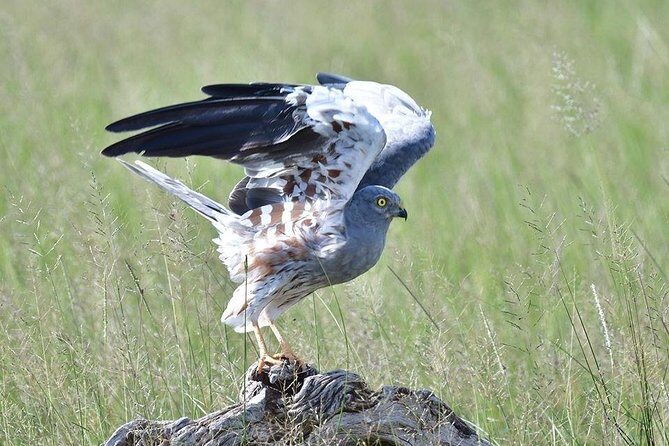
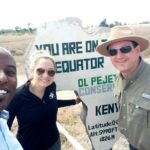
Samburu is one of Kenya’s most distinctive parks, and the first two days are designed around that fact. You start with a Nairobi pickup after breakfast or from the airport, then head north and pass the Equator on the drive. You reach Samburu in time for lunch, a breather, and then an evening game drive—so you get wildlife time even on your arrival day.
Day two is where Samburu earns its reputation. You’ll spend a full day game viewing, and the plan includes both Samburu and Buffalo National Reserve, so you’re not stuck doing the same roads twice. This is also the day to focus on the local stars people travel here for: the reticulated giraffe, the gravy zebra, gerenuk, Masai ostrich, and Beisa oryx. If you care about seeing animals that are strongly tied to specific regions, this is your payoff day.
Lodging keeps things practical at places like Camel Gate Lodge (or similar). If you’re on a budget, you may be in the more basic tented-camp style with standard comforts. That’s not a deal-breaker here—most people don’t come for their hotel room—they come for the light in the savanna and the animals in range.
Thomson Falls and Nakuru: rhinos, flamingoes, and a calmer pace
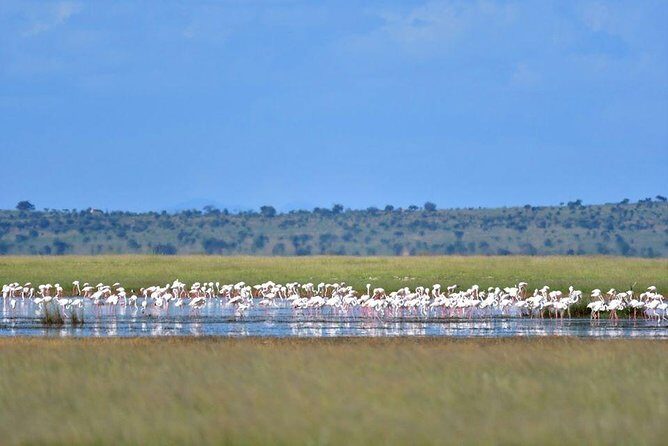
Next comes Nakuru, a change of scenery that shifts you from Samburu’s look-and-feel to something more lake-and-bird centered. The drive passes Thomson Falls, which breaks up the travel with a quick geography stop along the way.
Once you arrive, you get lunch in Nakuru and then an afternoon game drive at Nakuru National Park. This matters because Nakuru can feel extra rewarding when you don’t rush it. You get time to scan for rhinos and also switch your attention to birds, since the park is strongly known for flamingoes and a broad mix of other species.
The big draw here is the chance to spot white and black rhinos. The itinerary also keeps expectations grounded: you’ll have the opportunity for rhino sightings rather than a guaranteed promise. Still, if you’re building a Kenya wildlife checklist, Nakuru is a great place to aim for the rhino box.
Your overnight is set at Buraha Zenoni or similar. This is a good moment to rest your eyes a little after Mara-style wildlife intensity—Nakuru’s rhythm is often more about steady searching and enjoying variety.
Maasai Mara Days 4-5: Mara River timing and BIG Five chances
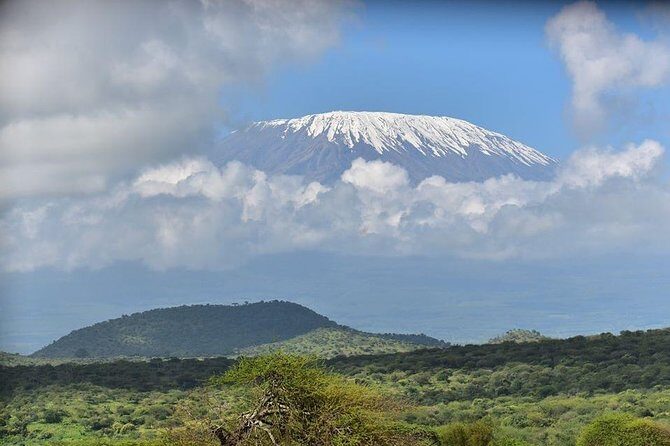
Maasai Mara is the “headline” park on this route, and two days are devoted to it so you’re not trying to cram everything into one quick visit. The drive includes a stop in Narok, often described as a gateway area for Maasai Mara, so you’ll feel the human geography of the region as you move into the reserve.
You arrive for lunch and then ease into an evening sunset game drive. That first golden-hour outing is more than just a nice photo moment—it’s when many animals become more visible as temperatures drop and activity picks up.
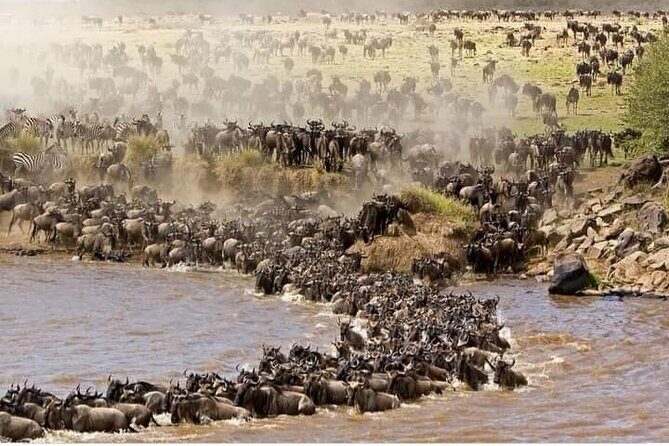
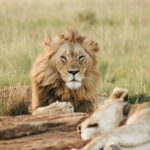
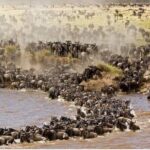
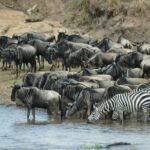
Day five is the Mara workday: a full day game drive with a shot at reaching the Mara River area, where wildebeest crossings can happen. When this is in your favor, it’s the kind of wildlife moment that makes the whole trip feel worth it. Even if you don’t catch a crossing, Mara is still a prime place for predators and close-range sightings, and the route is built around those chances.
This is also where you’re positioned for a higher probability of BIG Five viewing at closer range. The practical angle: two full days in the Mara give your driver room to adjust based on what’s working that day—animal movement changes fast in savanna country.
You’ll sleep at Rhino Camp or similar. Mara nights can feel warm and busy, but you’ll likely fall asleep still scanning the dark for movement.
Naivasha Day 6: optional boat ride, birds, and hippo spotting
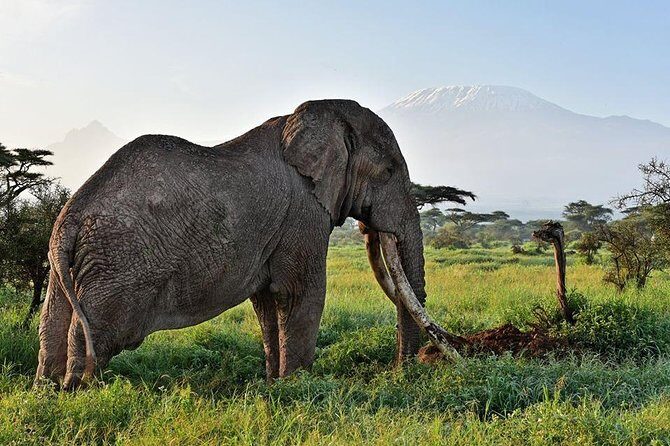
After the Mara, the trip shifts to Naivasha, which is a useful palette cleanser. You’ll leave the Mara and travel toward Naivasha, with scenic views along the way, and there’s an optional boat ride on Lake Naivasha.
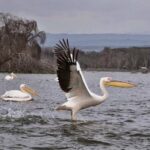
This is one of the smarter “break from pure savanna drives” choices on the whole route. On the water, your focus changes from spotting by eye at long distances to watching behavior—birds feeding and hippos surfacing. The itinerary frames it as a bird-and-hippo opportunity, which fits the way many people describe Naivasha when they want something a little different but still fully Kenya.
Accommodation is at Burch Resort or similar. Note that the schedule includes time back toward Nairobi later in the afternoon, with drop-offs depending on your next-day needs. If your plan is to keep going through the full circuit, you’re still covered for the next wildlife day out of Nairobi.

Hells Gate Day 7: walking with wildlife before Amboseli elephants
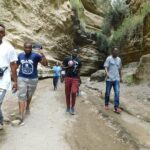
Day seven mixes adventure with variety: you head to Hell’s Gate right after an early breakfast. Hell’s Gate is famous for being one of the few places where you can walk alongside animals. There’s also an option to ride or cycle, but the key practical detail is that bicycle use isn’t included, so plan to cover that separately if you choose it.
This day is about slowing down and changing your brain from “drive-and-scan” to “watch-and-walk.” You’ll explore the park, then exit and drive to Amboseli, stopping for lunch en route and arriving later in the evening for dinner and overnight at AA Lodge or similar.
Why this matters: a lot of safari itineraries treat parks as only vehicle experiences. Hell’s Gate gives you a different kind of encounter, and it breaks up the intensity before the Amboseli finale—especially if you’ve been spending long hours in a safari car.
Amboseli Days 8-9: Mt. Kilimanjaro views and large elephant herds
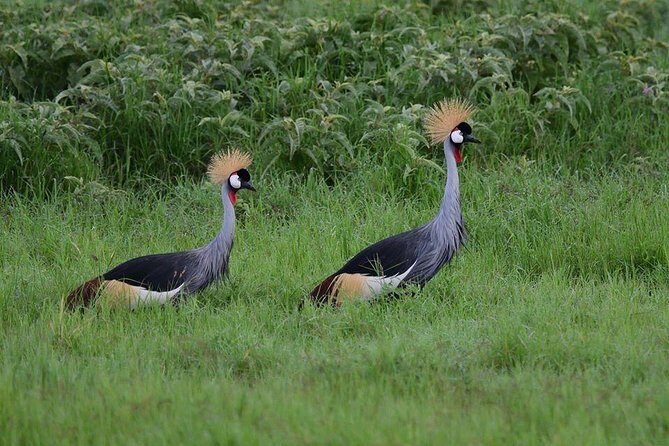
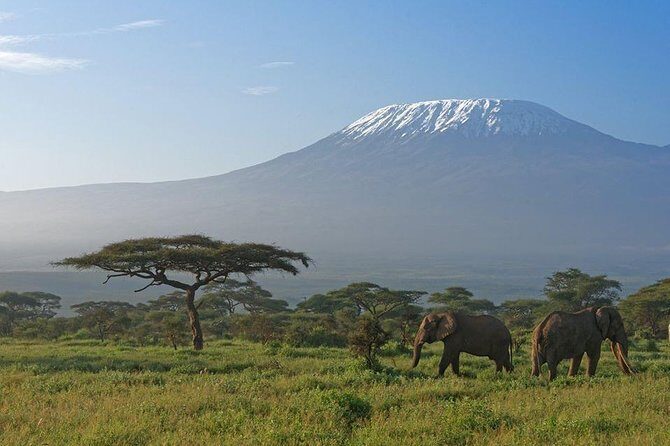
Amboseli is a strong finish on paper, and it can also feel like the grand finale in real life. The route gives you a full day in the park, plus an early morning pre-breakfast game drive at the end.
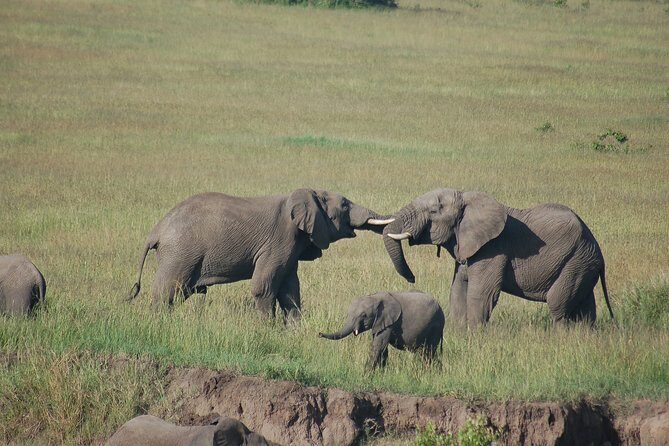
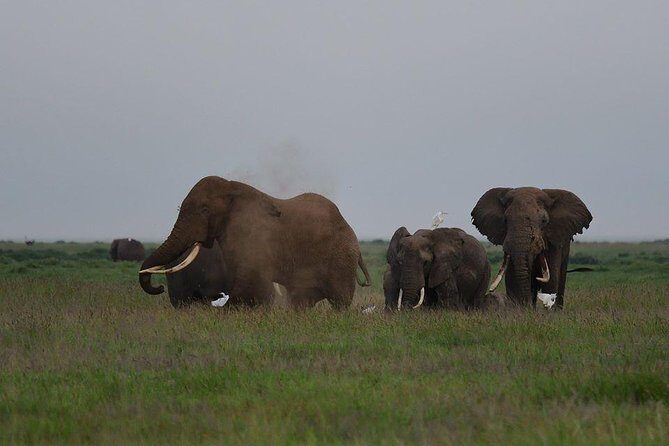
Amboseli’s two headline attractions are right there in the plan: large elephant herds and best views of Mt. Kilimanjaro. In practice, Kilimanjaro visibility can depend on weather and cloud cover, but the itinerary is still structured to put you in the right time windows—morning wildlife outings tend to be the best chance for clear sightlines and active animals.
You’ll enjoy a full day game drive with picnic lunch, then dinner and overnight at AA Lodge again or similar. If you’re an elephant person (and a lot of you are), spending real time here helps you see more than just one herd. You start noticing how elephants move, feed, and regroup, and that makes the experience feel richer than ticking a box.
On the last day, you get an early pre-breakfast drive, then breakfast, check-out, and drive back to Nairobi for a late afternoon/early evening drop at the airport or hotel.
Price and logistics: what $2,200 buys (and what it doesn’t)
At $2,200 per person for about nine days, what you’re buying is a multi-park wildlife route with transport and fees taken care of. That value is strongest because it includes all fees and taxes and private transportation, plus a big chunk of your meals.
From the meal list, you can expect 9 lunches, 8 breakfasts, and 8 dinners. That’s not just convenience—it also reduces the chance you’ll spend time each day figuring out food stops during a game-drive schedule.
Two things to keep in mind for budgeting:
- Tips aren’t included, and on safari they’re the kind of cost that often comes up naturally at the end.
- Bicycle use isn’t included (relevant for Hell’s Gate if you want to cycle).
Also, you may find that restroom comfort is limited depending on the vehicles and stops, since restroom on board isn’t included. Pack with that in mind. Small planning choices make long safari days feel smoother.
Who this safari suits (and who might want a different plan)
This itinerary fits best if you want to hit the big Kenyan parks in one organized run and don’t want to juggle details. It’s also a good match if you’re the type who likes variety: regional animals in Samburu, birds and rhinos in Nakuru, big cat country in the Mara, boat-and-bird time on Lake Naivasha, and walking wildlife at Hell’s Gate.
If you want a calmer pace with lots of downtime, this is probably not the plan. The days are structured around game drives and transfers, and you’ll be up early more than once. Also, the “on budget” tented-camp style means you should be okay with basic accommodations and focus on the wildlife instead of luxury.
On the plus side, the guiding reputation is clear in the way people thank specific staff like John and Charity for making the trip stress-free and fun. When the route is packed like this, good guidance isn’t a nice-to-have—it’s what turns a busy itinerary into a smooth one.
Should you book this safari?
I’d book it if you want a first-timer-friendly Kenya wildlife circuit that covers multiple parks with a small-group feel and meals handled for you. The route also has strong “variety hooks”: Samburu’s special five, Nakuru’s flamingoes and rhinos, Mara River area chances, and elephants in Amboseli with Kilimanjaro visibility opportunities.
I’d think twice if you’re sensitive to long travel days, dislike early mornings, or need consistently high-end accommodations. If your priorities are wildlife, timing, and value, this is one of the more practical ways to get a big Kenya safari experience in under two weeks.
FAQ
What parks are included in this 9-day safari?
You’ll visit Samburu, Nakuru, Maasai Mara, Naivasha (with an optional boat ride), Hell’s Gate, and Amboseli.
How many people are in the group?
The experience is described as having a maximum of 16 travelers, and the car is capped at maximum 8 persons for the group tour style.
Where is the meeting point in Nairobi, and what time does it start?
The meeting point is Transnational Plaza, Wabera Ln, Nairobi, Kenya, and the start time is listed as 8:00 am.
Are meals included?
Yes. Lunch is included 9 times, and breakfast is included 8 times and dinner is included 8 times.
Is the Lake Naivasha boat ride included?
The boat ride is optional at Lake Naivasha.
Can you walk or cycle in Hell’s Gate?
Hell’s Gate allows walking alongside animals and also offers riding/cycling options, but use of bicycle is not included.
What’s included in the price, and what’s not?
Included: private transportation, all fees and taxes, and the listed meals. Not included: bicycle use, restroom on board, and tips.
What happens if weather is poor, or if I cancel?
This safari requires good weather. If it’s canceled due to poor weather, you’ll be offered a different date or a full refund. For cancellations, you can cancel up to 3 days in advance for a full refund; less than 3 days before the start is not refunded.