REVIEW · NAIROBI
9 Days Kenya and Tanzania Wildlife Experience
Book on Viator →Operated by Lights on Africa Destinations & Safaris · Bookable on Viator
One wild week? Try nine days, crossing two countries for big wildlife moments. I like that this trip puts you in Maasai Mara, Serengeti, and the Ngorongoro system with multiple game drives, not just a quick drive-by. I also love the hands-on local approach, with a pro safari guide and a private setup where your days run on safari time. The one thing to consider is the pace: you’ll have long days in the car, plus travel and border formalities between Kenya and Tanzania.
You may even recognize familiar names from the operator’s staff, like guides Alba and Lawrence, and cook Joseph, who show up in past experiences with this company. If you want big animal odds and a guide who can read the field, this kind of structured routing is a smart fit. Just note it’s private for your group, so you’re paying for that comfort and time.
In This Review
- Key highlights I’d circle on your planning map
- Nairobi arrival, hotel night, and getting oriented fast
- Masai Mara: Rift Valley viewpoint and two full game-drive days
- Serengeti arrival via the Sirare/Isebania border: where scale hits you
- Seronera Valley mornings and “endless plains” afternoons
- Ngorongoro Crater: the half-day game viewing that people talk about
- Lake Manyara’s birds-and-ecosystems approach, plus the Arusha break
- How the private guiding and clean jeeps affect the experience
- Price and value: $8,200 for a nine-day two-country safari
- Should you book it?
- FAQ
- How many days is the 9 Days Kenya and Tanzania Wildlife Experience?
- What locations and parks are included?
- Is airport pickup offered?
- What kind of ticketing do I get?
- What meals are included, and which ones are not?
- Do I get a professional safari guide?
- Is this tour private?
- Is there a cancellation or change policy?
- Do we cross borders during the trip?
Key highlights I’d circle on your planning map
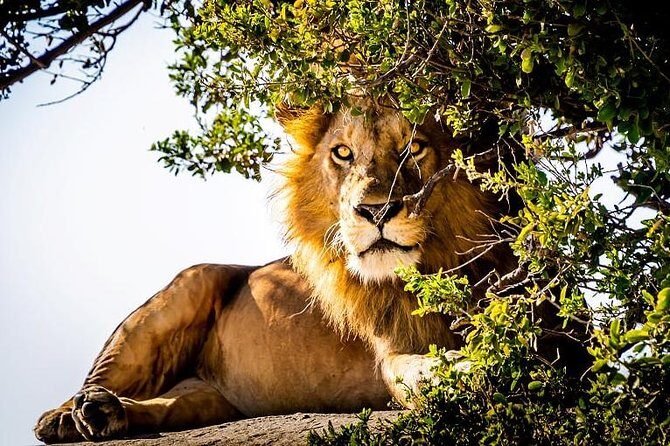
- Two countries, one safari rhythm: Nairobi to Kenya parks, then across to Tanzania for the big-ticket areas.
- Real game-drive timing: early morning drives and late-afternoon sessions, when animal activity often makes the day.
- Ngorongoro Crater access: half-day crater game viewing after a full crater-day transfer.
- Serengeti’s Seronera Valley: permanent water helps with year-round viewing potential.
- Lake Manyara variety: forests, bush plains, baobabs, hot springs areas, plus major bird life.
- Private guiding and logistics: only your group, with pickup and support from a local safari team.
Nairobi arrival, hotel night, and getting oriented fast
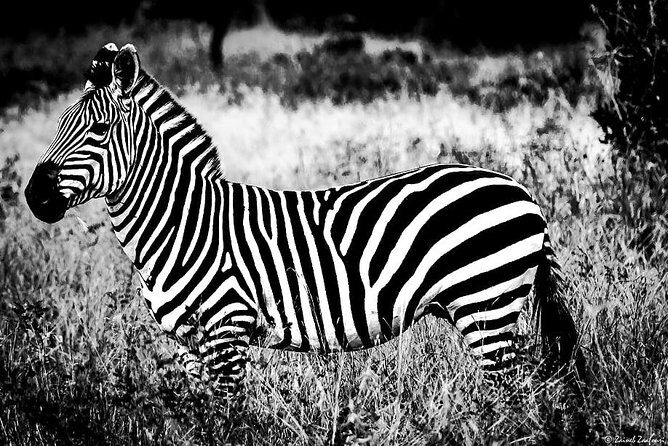
Day 1 is built for an easy start. You meet your guide and get airport pickup, then head to your Nairobi hotel for an overnight with bed and breakfast. There’s also an hour listed for the start point, and since it’s designed around arrival, it’s a good day to keep expectations simple: shower, stretch, sleep, and be ready for early mornings.
Nairobi is also a helpful launchpad because you’re not immediately thrown into a long drive with no setup. You’ll have at least one proper night before the parks. If you’re the type who likes to take your time with gear (binoculars, chargers, sunscreen), that breathing room matters.
One practical point: your Day 1 dinner isn’t included, so plan an easy meal near your hotel or use that first evening to scout something you can handle jet-lag style.
A few more Nairobi tours and experiences worth a look
Masai Mara: Rift Valley viewpoint and two full game-drive days
Your Kenya safari really kicks off on the way into Masai Mara National Reserve. Before you get there, you stop at the Great Rift Valley viewpoint, which is one of those “wait, that’s real?” moments. It helps you understand why this whole region looks the way it does, and it sets the tone for the open plains you’ll be driving through afterward.
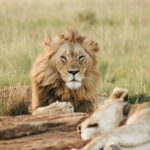
You arrive in time for lunch at Mara Simba Lodge (or similar), then get an afternoon game drive inside the reserve. This first drive is a great way to break the ice: you’ll start seeing the big predators and herbivores that make Mara famous, without needing to be at sunrise on day one.
Then come the two different Mara styles on your next day:
- An early game drive (starting around 0630) when the light and animal movement often feel more active.
- A longer day afterward, with late breakfast and then another afternoon game drive that runs until late.
That rhythm matters. If you only did one drive, you’d miss the way sightings can change as the sun shifts. The downside is that you’ll be in the safari vehicle for a lot of the day. If you’re the kind of traveler who needs frequent breaks, bring layers and something to keep your posture happy.
Dinner and overnight are set at Mara Leisure on those Mara days, so you’re not chasing logistics after the drives. Meals are included across these days, which is a nice relief during a trip this busy.
Serengeti arrival via the Sirare/Isebania border: where scale hits you
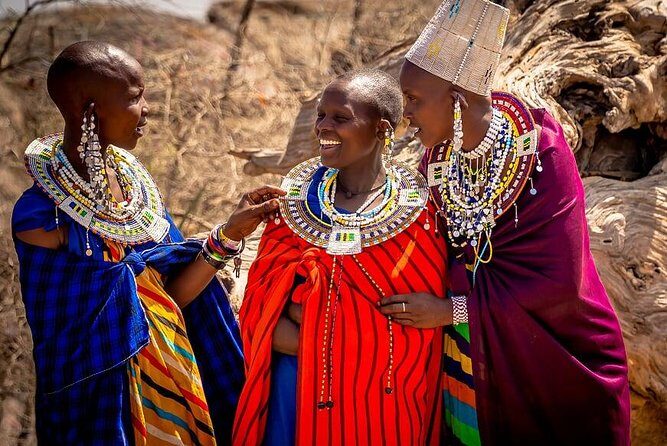
After Mara, you head into Serengeti National Park via the Sirare/Isebania border, with normal border-crossing formalities handled as part of the trip. That land transition is part of the overall adventure. You’ll lose some time to travel, but you gain the key prize: Serengeti’s huge protected area and its famous ecosystem.
You also get an enroute game drive in Serengeti. That’s a smart move because it keeps you from feeling like the day is just “getting there.” It also raises your odds of early sightings before you settle into the main viewing zones.
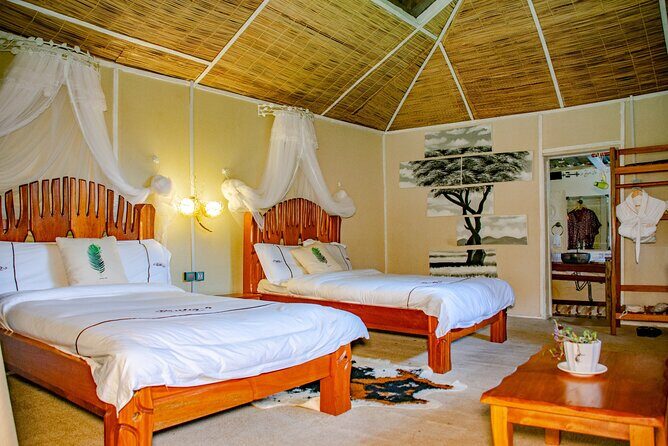
You overnight in a tented camp setup at Serengeti Heritage Tented Camp (or similar), with breakfast, lunch, and dinner included on that day. If you like the idea of sleeping closer to the safari atmosphere, this is where the trip starts to feel more like a classic safari story than a hotel hopping tour.
Seronera Valley mornings and “endless plains” afternoons
The next Serengeti day focuses on mid-morning game driving in the Seronera Valley. The big reason this area is mentioned is practical: permanent water helps keep wildlife viewing possible across the year. That’s not a guarantee of specific animals, but it does help you avoid the “everything is dry and empty” feeling that can happen in some regions.
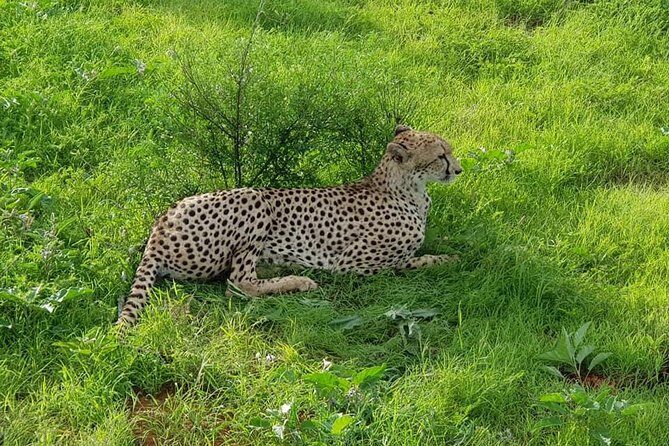
This day also leans into the seasonal action you came for. The trip description notes that during the dry season, prey concentrates, and cheetahs can be forced into higher numbers near available resources. That’s the sort of ecological detail a guide can use to make sense of where to look and why.
Later, you head south where you’ll see the endless-plains feel that Serengeti is known for. You’re not just looking at one “hotspot.” You’re moving through big sections of country where different animals show up at different times.
Meal breaks are set around lodge/camp stops, and the day is listed as about 10 hours. So again: it’s a long day, but you’re trading comfort for maximum viewing time.
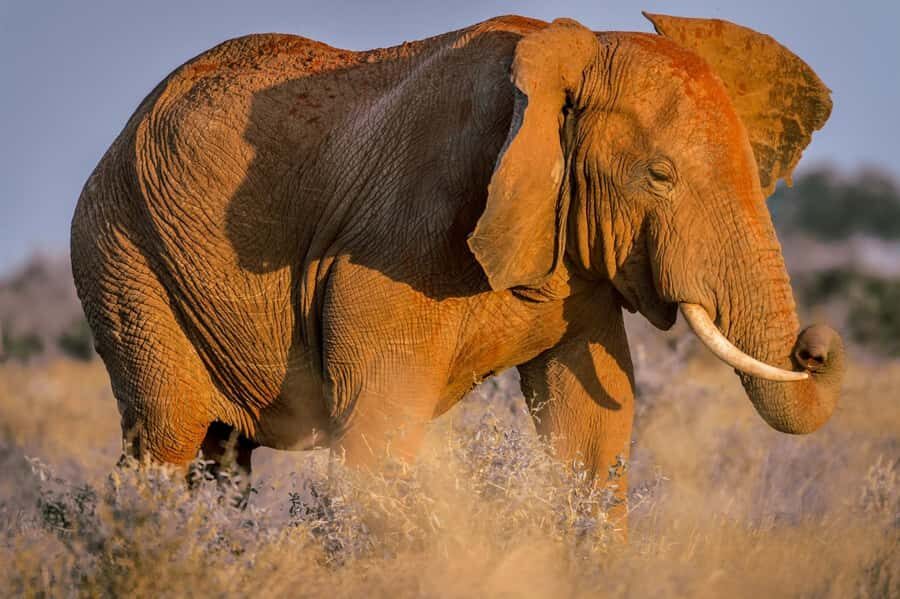
One specific wildlife note supported by the tour info: expect mammals like giraffe, rhino, elephant, and hippopotamus depending on where you’re driving, and also a very large bird presence, with mention of vultures, storks, and ostrich. The trip also calls out reptiles like crocodiles. If birds matter to you, this is one of the sections where your time outdoors can feel genuinely rewarding even when the big mammals take a slow minute.
Ngorongoro Crater: the half-day game viewing that people talk about
Then you head to the Ngorongoro Conservation Area and the main event: the crater. After breakfast, you drive with a packed lunch, and you’ll have the option to make stops for Olduvai Gorge and the possibility of a Maasai boma visit, depending on what you’re interested in.
That optional cultural stop is one of those “choose your own pace” moments. If you want purely wildlife time, you can focus on the route. If you want to add context to what you’re seeing on the ground, those stops can make the trip feel less like watching from the road and more like understanding the region.
Once you descend to the crater, your schedule shifts into half-day game viewing. In practical terms, this is smart because it gives you a focused block in one of the most concentrated wildlife areas. You’re not trying to cover the whole crater experience in a single stretched-out day. You get a solid run of sightings, then you move on.
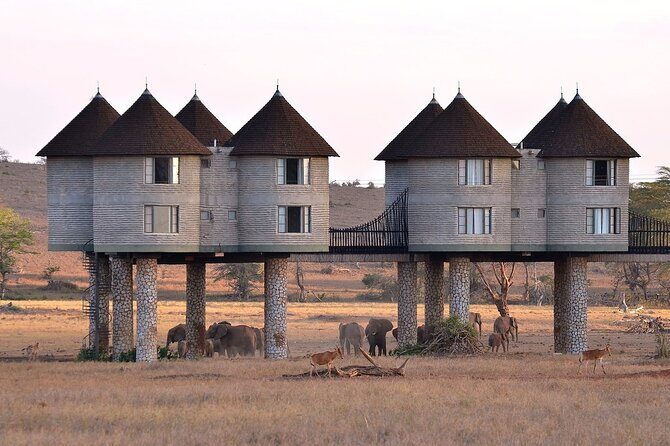
After your crater time, you drive on to Lake Manyara National Park. Dinner and overnight happen at Ngorongoro Rhino Lodge (or similar) on the crater day, which keeps you close to the next wildlife zone.


Lake Manyara’s birds-and-ecosystems approach, plus the Arusha break
Lake Manyara is different from the big-name plains days, and that’s a good thing. You drive there and get an early morning game drive (till about 0830), with return for breakfast afterward. This morning block is ideal because it gives you wildlife time without swallowing your whole day.
What makes Lake Manyara stand out in the tour description is variety in a smaller area: the park sits under cliff formations near the Rift Valley, and it’s described with ground water forests, bush plains, baobob-strewn cliffs, and even algae-streaked hot springs. It’s also framed as a strong bird destination, which matters because birds often keep producing good sightings when the larger mammals are taking their time.
After the park, you switch gears. You’re transferred to Arusha for shopping, with lunch in Arusha. Then you connect to a public shuttle bus to Nairobi via the Namanga border, arriving in Nairobi late evening. Your overnight hotel is Hotel Fairview (or equivalent), and dinner isn’t included that night, so you’ll be on your own for a final meal.
That Nairobi return segment is one of the few parts that might feel less “safari romantic” and more practical. Still, it’s useful: it breaks the trip rhythm and gives you a chance to reset after several days of long drives and packed schedules.
How the private guiding and clean jeeps affect the experience
A safari is not just about where you go. It’s also how you get there and how quickly your guide can put you in the right spot. This trip is built around professional local safari guidance, and the private setup means you’re not sharing your rhythm with random strangers.
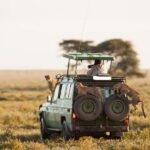
From past experiences with this operator, there’s emphasis on guides being friendly and informative, plus clean jeeps and good vehicle presentation. That might sound small, but when you’re spending long hours in the vehicle, clean and well-managed gear turns into real comfort. It also helps the day feel less chaotic, since you’re not constantly adjusting to other groups’ timing.
You also get support across meals and camp logistics, with breakfasts, lunches, and several dinners included. The staff structure can include a cook (Joseph is mentioned in earlier experiences), which matters because it makes the long driving days feel more human and less like you’re always hunting for food.
Price and value: $8,200 for a nine-day two-country safari
At $8,200 per person for about nine days, this is not a budget safari. But you’re also paying for specific things your itinerary structure suggests:
- Two-country routing (Kenya + Tanzania) with border crossings built in.
- Multiple high-demand wildlife areas, including Serengeti and Ngorongoro Crater.
- A private experience for your group, with pickup offered and park-drive days that run long.
- All fees and taxes included, plus a large chunk of your meals.
Where value shows up most is in the “less thinking” factor. When park fees, core meals, and the guiding structure are included, you spend less time comparing costs and more time watching wildlife.
Two things to watch for when judging value:
- Dinners aren’t included on Day 1 and Day 8, so you should budget for those meals.
- The pacing is intense. If you want a safari that feels like a relaxing resort vacation, this schedule may feel like work some days.
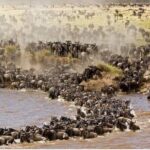
If you’re a first-time big safari planner, this is still a solid match because it packages multiple icons in one sweep—without making you plan every transfer yourself. If you’ve done safaris before, the private structure and the multi-park routing can still be a win, especially if you want migration-season timing built into the Mara and Serengeti focus.
Should you book it?
Book it if you want a structured Kenya + Tanzania wildlife trip with multiple drives and strong chances to see the kinds of animals people chase in this region. The best reasons are the schedule design: early and late game drives, a serious block in Ngorongoro Crater, and an intentional second half of the trip with Lake Manyara’s different ecosystem.
Skip it (or at least think hard) if you hate long days in a safari vehicle or you don’t like strict timing. Also remember it’s non-refundable, so only book when your dates are truly locked.
If you’re flexible, wildlife-focused, and want your guide to steer the day, you’ll likely love the “big moments plus real time outdoors” feel of this route.
FAQ
How many days is the 9 Days Kenya and Tanzania Wildlife Experience?
It runs for approximately 9 days.
What locations and parks are included?
The trip includes Nairobi in Kenya, Maasai Mara National Reserve, Serengeti National Park, Ngorongoro Conservation Area (for crater viewing), and Lake Manyara National Park, plus transfers back to Nairobi and to the airport.
Is airport pickup offered?
Yes. Pickup is offered for your Nairobi arrival.
What kind of ticketing do I get?
The tour includes a mobile ticket.
What meals are included, and which ones are not?
Breakfast is included on 8 days, lunch on 7 days, and dinner on 6 days. Dinner is not included on Day 1 and Day 8.
Do I get a professional safari guide?
Yes. You’ll have professional services from a professional local safari guide.
Is this tour private?
Yes. It’s private, and only your group will participate.
Is there a cancellation or change policy?
The experience is non-refundable and cannot be changed for any reason. If you cancel or ask for an amendment, the amount paid will not be refunded.
Do we cross borders during the trip?
Yes. Your drive between Kenya and Tanzania includes border crossing formalities, including the Sirare/Isebania border route and a return route via Namanga border.