Four parks, one wild rhythm. This safari strings together Lake Manyara tree-climbing lions and the famous Serengeti migration herds into a tight, well-timed circuit. I also like how the trip keeps things moving with driver-guides who handle the border side so you can focus on the animals. One thing to consider: the days start early, and there are long drive stretches, so it is not a slow, sleep-in vacation.
I like the practical setup: pickup is offered from your Nairobi hotel, you ride in a 4×4 while on safari, and you get English-speaking guides along the way. In fact, one guide named Vincent stood out for making the Serengeti migration work out, which tells you the team plans for good timing rather than just following a script. And yes, there are indications that vegetarian options can be accommodated, which matters on long wildlife days when meals are part of the day’s rhythm.
In This Review
- Key Highlights You’ll Actually Feel Day to Day
- Nairobi to Tanzania: Border help and an easy first night
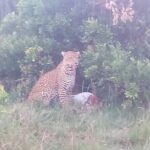
- Lake Manyara National Park: Lions in trees, baboons everywhere
- Ngorongoro Crater: Descending into the wildlife bowl
- Serengeti setup: Staying out with picnic lunch boxes
- Serengeti’s migration focus: Timing matters on big days
- Crossing to Kenya: Isebania border and switching guides
- Masai Mara: Mara River hippos and crocodiles day
- Last morning and the return to Nairobi
- Price and value: What your $4,999 covers
- Who this safari suits best (and who should think twice)
- Should you book this Tanzania-Kenya safari?
- FAQ
- What time does the safari start and do you pick up from hotels?
- Is this safari private?
- Which wildlife areas are included in the trip?
- Are park entry fees and Ngorongoro Crater fees included?
- What meals are included during the safari?
- Is bottled drinking water included?
- What is not included in the price?
- How far in advance can I cancel for a full refund?
Key Highlights You’ll Actually Feel Day to Day
- Tree-climbing lions at Lake Manyara plus a huge baboon scene, if you like watching animals do their thing
- Ngorongoro Crater afternoon game drive inside one of the world’s biggest natural bowls
- Serengeti with picnic lunch boxes so you can stay out longer instead of racing back
- Seasonal migration timing built into the routing to boost your odds of seeing the action
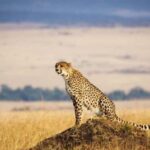
- Masai Mara River day for hippos and crocodiles, not just the usual big cats
- Private group experience, with only your party traveling together
Nairobi to Tanzania: Border help and an easy first night
You start in Nairobi with a morning pickup (start time is listed as 7:30am). From there, the trip aims to take the stress out of crossing into Tanzania by having your experienced Kenyan driver guide help with the Namanga border formalities. Translation: you spend less time figuring out paperwork and more time looking for wildlife as the drive rolls on.
After the border, you head to Arusha for lunch and then continue on to Lake Manyara. The first day ends at Lake Manyara Wildlife Lodge, with the evening free enough to reset after travel. That is a smart way to begin, because safari starts can be a little chaotic if you arrive tired.
A few more Nairobi tours and experiences worth a look
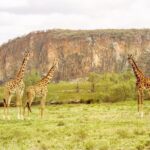
Lake Manyara National Park: Lions in trees, baboons everywhere
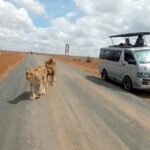
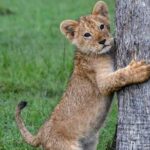
Lake Manyara is famous for two things in this itinerary: tree-climbing lions and a lot of baboons. You get an early pre-breakfast game drive on the second day after lunch plans and timing in the schedule, which is one reason this park tends to feel energetic. Early drives often mean cooler temperatures and more active animals, and it is when you are most likely to get good sightings without rushing.
You also get the soda lake world of Lake Manyara: the pink flamingoes show up here, and the park’s alkaline lake setting is part of what makes the scenery feel different from the savanna. Even if you are not a bird-spotter, this kind of variety breaks up the usual safari feel of only grass, dust, and acacia.
One practical note: because this park is so well-known for specific animal behavior, do not expect every day to look identical. You are going for odds and variety, not guarantees.
Ngorongoro Crater: Descending into the wildlife bowl
Next comes Ngorongoro Conservation Area and a classic crater experience: after lunch, you descend for an afternoon game drive. This is where the trip leans into the most dramatic setting on the whole route—the largest un-flooded, unbroken caldera in the world, according to the tour framing. In plain terms, you are moving from open savanna to a natural amphitheater effect, where animals often concentrate.
You also get a bit of downtime around check-in at Ngorongoro Wildlife Lodge before the crater drive. That matters because crater descents can be long and the whole day can feel compressed if the schedule does not build in breaks. The plan here gives you a cushion for lunch, rest, and then the big afternoon.
Because this is an afternoon drive, manage expectations: you may see fewer species than an all-day crater outing, but you can still get great action if the timing lines up. For many people, the surprise factor is the best part.
Serengeti setup: Staying out with picnic lunch boxes
Then you roll into Serengeti, and the route itself is part of the show, with wildlife encounters possible along the way. You stop at Seronera wildlife lodge for lunch and then do an evening game drive. That means you are not waiting around for the “real safari day” to start; you get wildlife time quickly after arrival.
The itinerary gives you a full day in Serengeti after that, with packed lunch boxes so you can explore deeper without constantly returning to camp. This is one of the best value choices in the whole trip: a picnic-style game drive often gives you more sightings per hour. If you like photography, it also helps you avoid the repeated back-and-forth that can ruin light and momentum.
One caution: Serengeti is big. Even with the best planning, you are moving and you might not see every famous scene in one day. So focus on the day’s motion—who is where, what behavior is happening, and how the predator-prey story plays out.
Serengeti’s migration focus: Timing matters on big days
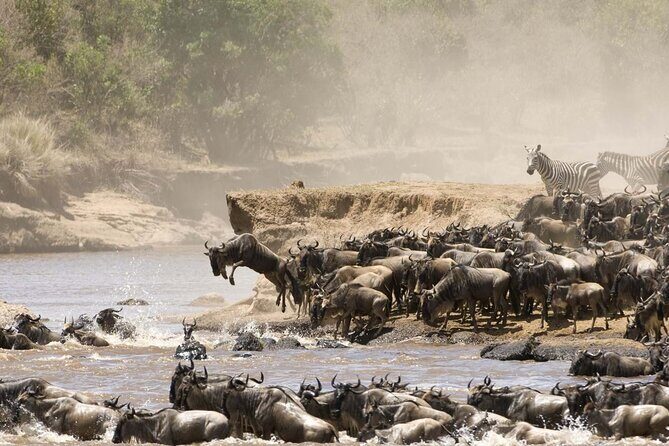
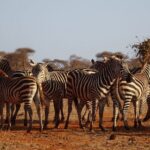
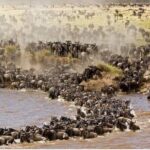
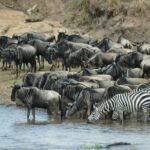
The safari’s headline is the annual wildebeest migration and the highest concentration of large mammals on the planet, as the tour describes it. The most useful takeaway for you is not the marketing; it is the routing logic. The itinerary includes multiple Serengeti days and a move toward northern Serengeti, which helps increase your odds of being in the right zone depending on season.
Day 4 is your classic full-day Serengeti push. Day 5 adds another early game drive, then you continue to northern Serengeti and check into Ikoma Wild camp. After dinner, there is another evening game drive. That back-to-back structure often pays off because animals shift areas throughout the day, and predators especially can turn up when you least expect it.
A note on guide quality: the feedback you were given includes a strong mention of Vincent for managing migration sightings. That is a big deal, because seeing the migration is partly luck and partly skill—reading tracks, positioning well, and keeping your group in motion without burning time.
A few more Nairobi tours and experiences worth a look
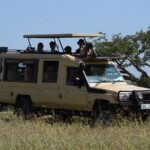
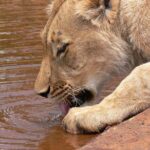
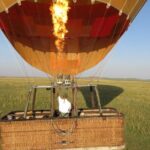
Crossing to Kenya: Isebania border and switching guides
Day 6 is one of the more logistical days, and that is where your schedule detail helps. You do an early morning game drive, return for breakfast, then check out and transfer toward the Isebania border with picnic lunch en route. The tour lists an approximate border arrival around 15:00, which tells you the afternoon drive is built around the border timing, not random traffic.
After immigration formalities, you say goodbye to your Tanzania driver guide and meet your Kenyan guide for Masai Mara. Then you enter the Mara triangle through Olololo Gate and head to Mara Sun Lodge in the evening. This guide handoff is common on multi-country safaris, but here it is planned so you do not end up stranded in between parks.
If you hate uncertainty, this is still safari travel, so build in patience. But the itinerary is at least designed around predictable checkpoints.
Masai Mara: Mara River hippos and crocodiles day
Masai Mara is the Kenyan extension of Serengeti, and the itinerary leans into the Mara River experience. On Day 7 you get a full day of game drives with picnic lunch, with a specific option to go all the way to the Mara River to see hippos and crocodiles. That is a great choice if you want the dramatic water-edge wildlife that feels different from dry-plains viewing.
The schedule also gives you an alternate rhythm: you can start early, then relax mid-morning at the lodge, then resume game drives later. That flexibility is practical. Safari days can be tiring, and sometimes the best sightings happen when you are rested enough to stay alert through the quieter hours.
For your planning mindset, treat this day as two hunts in one: a morning for wide searching and a later push for timing. The river area can be intense when the light shifts and animals decide to move.
Last morning and the return to Nairobi
Your final safari day is Day 8, with an early game drive listed from 06:30 to 08:30. After you return for breakfast, you check out and drive back to Nairobi. The tour notes a lunch stop on the way and an approximate 6-hour drive time.
This is a good way to end because it gives you a last shot at animal action without turning the final day into an all-day slog. It also helps you land back in Nairobi with enough energy to handle your evening plans.
One final practical thought: on departure day, keep your essentials handy. You’ll likely be loading/unloading gear around check-out, and you do not want your camera batteries or passport-related items buried under everything.
Price and value: What your $4,999 covers
At $4,999 per person for roughly 8 days, this is not a budget safari. But it is priced like a trip that tries to reduce surprises by bundling key costs and keeping the logistics tight.
Here is what is explicitly included:
- Road transfers to Kenya and Tanzania borders
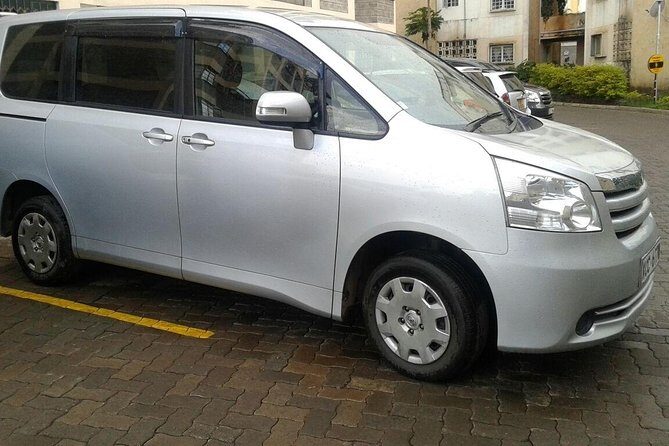
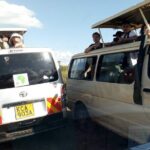
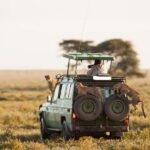
- Private ground transport in a 4×4 safari jeep while on safari
- Park entry fees, concession fees, and Ngorongoro Crater fees
- Bottled drinking water while on safari
- Experienced English-speaking safari driver guides
- Game drives, sightseeing, and a cultural experience
- Breakfast and dinners across the days listed, plus lunches (including picnic lunch boxes on drive days)
What is not included:
- Drinks and personal items
- Optional activities
- Laundry and tips to safari driver guides
So the value question becomes less about “is it expensive?” and more about “are you paying for the big-ticket parts?” You are. If you tried to build this yourself, the entry fees, guides, and long multi-park transport are the parts that tend to eat your budget. This itinerary also spreads your time across the big three safari zones—Lake Manyara, Ngorongoro, Serengeti, and Masai Mara—instead of doing a quick hit.
Who this safari suits best (and who should think twice)
This tour fits best if you want a strong concentration of classic East African safari stops and you like being outside for long stretches. It is also a good fit for people who value good guide work, especially for getting the migration story right in Serengeti. The mention of Vincent in the feedback is a clue that guide skill is part of the payoff here.
It is less ideal if you want a slow pace with minimal driving and no early mornings. Even though you get lodge downtime at points, the itinerary is designed around game drive timing and border crossings, which means the schedule stays active.
If you get motion sick, bring what works for you. Safari days involve long roads and lots of time in a moving vehicle, even if the rides are in safari jeeps.
Should you book this Tanzania-Kenya safari?
I would book it if your priority is seeing multiple iconic ecosystems in one trip—Lake Manyara’s standout behavior, Ngorongoro’s crater concentration, and Serengeti-to-Masai Mara migration country—with drivers who focus on route timing. The fact that park fees and crater fees are included, plus meals and water, makes it easier to budget without constant add-ons.
I would hesitate if you hate early starts or long drive days, because this is a circuit built around animal timing. Also, since drinks and tips are not included, set aside extra money for that so you do not get surprised at the end.
If you want a safari that feels organized, animal-focused, and built for big sightings, this one is a strong contender.
FAQ
What time does the safari start and do you pick up from hotels?
The tour start time is listed as 7:30am, and pickup from your Nairobi hotel is offered on the itinerary.
Is this safari private?
Yes. It is described as a private tour/activity, and only your group will participate.
Which wildlife areas are included in the trip?
The itinerary includes Lake Manyara National Park, Ngorongoro Conservation Area (including Ngorongoro Crater game drives), Serengeti National Park, and Masai Mara National Reserve.
Are park entry fees and Ngorongoro Crater fees included?
Yes. Park entry fees, concession fees, and Ngorongoro Crater fees are included.
What meals are included during the safari?
Breakfast is included for 7 days, lunch for 8 days, and dinner for 7 days, with packed lunch boxes used on some game-drive days.
Is bottled drinking water included?
Yes. Bottled drinking water is included while on safari.
What is not included in the price?
The tour does not include drinks, items of a personal nature, optional activities, laundry, or tips to safari driver guides.
How far in advance can I cancel for a full refund?
You can cancel up to 6 days in advance of the experience for a full refund.