REVIEW · NAIROBI
8 Days / 7 Nights 2021 / 2022 Wildebeest Migration Safari – Maasai Mara Reserve
Book on Viator →Operated by African Authentic Safaris Ltd · Bookable on Viator
Some trips sound grand. This one is grand and practical. The goal is the wildebeest migration and the Mara River drama, with game drives built around real sightings instead of just check-the-box stops. The big plus for me is the way the itinerary stacks Kenya’s top wildlife regions into one run. One possible drawback: migration timing and river action depend on where the herds are, and the schedule can also run into long driving days.
I like that this tour is set up as a private experience for your group, with an English-speaking guide and transport in customised tour vans. You’re met at Jomo Kenyatta International Airport and guided through hotel check-in and a safari briefing, so you’re not stuck figuring things out on your first day.
You’ll also appreciate that the trip is focused on the main migration season, typically early July through late September. Just remember the experience requires good weather, so if conditions don’t cooperate you may need to adjust dates or plans.
In This Review
- Key Highlights You’ll Care About
- The Mara River crossing: why this safari hits harder than most
- Nairobi arrival day: get oriented, then get moving
- Day 2 to Day 3: Nairobi to Samburu, then a full two-drive wildlife day
- Day 4: Lake Nakuru for birds and flamingos in the Rift Valley
- Days 5 to 8: Masai Mara National Reserve, with multiple chances to hit the action
- Mara timing: how to make the most of those river moments
- Lodging and downtime: what the hotel changes in real life
- Transport, guide, and the small things that make safaris easier
- Price and value: what $2,128 really buys you
- What to pack for a week of game drives and long sight windows
- Who this safari fits best
- Should you book this Wildebeest Migration Safari?
- FAQ
- What time does the tour start and where?
- How long is the safari?
- Which areas and parks are included?
- What’s included in the price?
- What is not included?
- Is there a mobile ticket?
- What if weather is poor or I need to cancel?
Key Highlights You’ll Care About
- Two days of Masai Mara with morning and afternoon game drives, plus an extra river visit at sunset
- Park fees and taxes included, which is where many “cheap” safaris quietly get expensive
- Samburu specialties like Grevy’s zebra, reticulated giraffe, gerenuk, and the blue-legged Somali ostrich (if luck and timing line up)
- Lake Nakuru bird time, including flamingos when conditions make the lake a feast
- Hotels picked for location, not just comfort, with Tamarind Tree Hotel in Nairobi, Winston Hotel near Nakuru, and AA Mara Lodge in the Mara
- Mobile ticket and transfers, so you spend less time hunting documents and more time watching wildlife
The Mara River crossing: why this safari hits harder than most
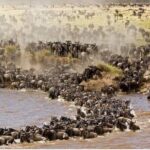
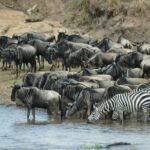
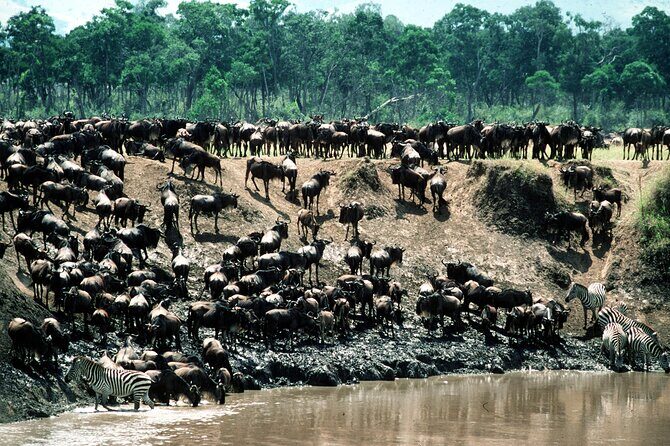
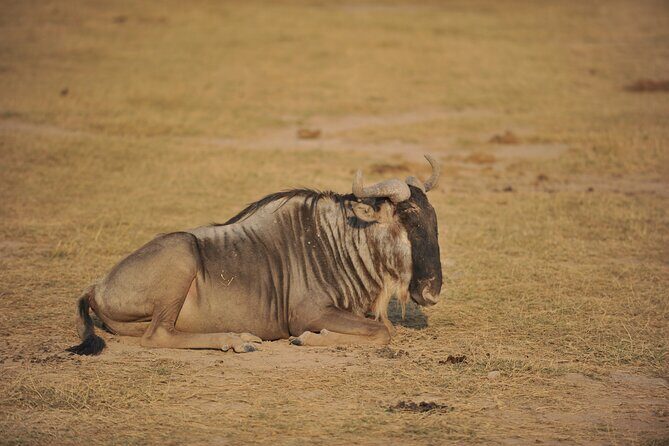
If you’ve only seen wildlife in books or at a zoo, the first day in the Maasai Mara can feel like a reset. This itinerary is designed around one specific reason people travel here: the wildebeest crossing as herds move across the Mara River. When it happens at the right time, it’s not a rare moment you wait years for. It’s a daily rhythm, with tension building as predators and scavengers watch from the edges.
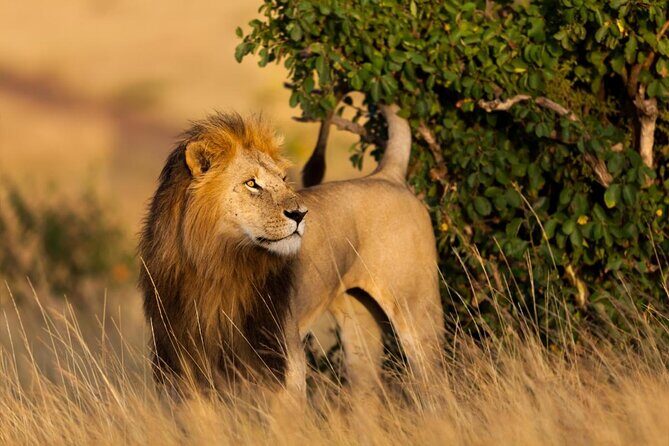
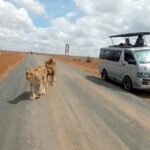
What makes this tour especially appealing is how it doesn’t treat the Mara as a single highlight. You’re in the reserve for multiple days with morning and afternoon game drives. That matters because animals aren’t on a timetable. One day you might get cat-and-herd action near the river crossings; another day you might get broader grazing country with lions in the grass and hyenas working the margins.
There’s also a practical realism to the pacing. You’re moving between key reserves that each offer something different. That reduces the risk of a safari feeling repetitive. Even if you have one “slow” sighting day (it happens), you’re not stuck in only one habitat the whole time.
A few more Nairobi tours and experiences worth a look
Nairobi arrival day: get oriented, then get moving
Your safari starts with an easy landing day in Nairobi. You arrive, get met and greeted with a traditional welcome, and are escorted to your hotel. There’s time to check in, freshen up, and attend a safari briefing with your tour manager.
You’ll stay at Tamarind Tree Hotel for dinner, bed, and breakfast. The altitude gives Nairobi a mild feel compared to many lowland destinations, so it’s a good place to shake off travel fatigue without roasting.
The one thing to keep in mind here is mental. Migration safari days move fast. Even on the first day, your schedule is about setting expectations: how game drives work, what to look for, and when to be ready to depart. If you’re the type who likes a slow start, plan for that to fade quickly once you’re in the reserves.
Day 2 to Day 3: Nairobi to Samburu, then a full two-drive wildlife day
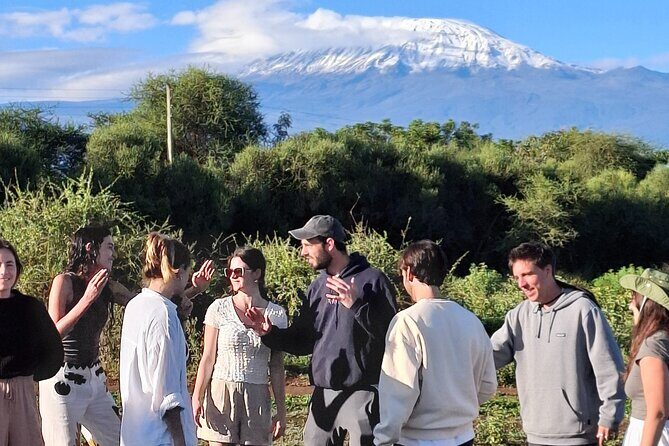
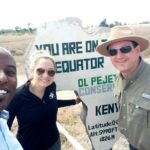
From Nairobi, you head north through scenic countryside toward Samburu National Reserve. The route takes you past Mount Kenya, including a look at its dominant peaks and the way it shapes local climate. The drive also crosses back across the Equator into the northern hemisphere, which is one of those small geography moments that makes you feel like Kenya is bigger than just the headlines.
Samburu is where this tour starts flexing its “more than migration” value. The reserve is smaller than the big parks, so you can cover ground efficiently during drives. It’s also a semi-desert setting, which means the animal cast differs from what you see around wetter regions.
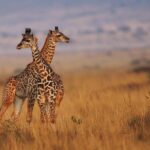
Day 3 is your big Samburu day with early and afternoon game drives and a backdrop of Ololokwe Table Mountain. This is where Samburu’s specialties come in. The itinerary specifically flags a good chance to see Grevy’s zebra (with narrower stripes), reticulated giraffe, and the gerenuk (long-necked browsing antelope). It also calls out the blue-legged Somali ostrich as a possibility.
A practical tip: when a safari highlights specific species, it’s usually because the habitat supports them. That means you should pay attention during spotting moments, not just wait for the obvious big animals. This is also the day where your eyes start learning the local patterns—what “looks like” each animal from a distance, and where to expect movement.
Day 4: Lake Nakuru for birds and flamingos in the Rift Valley
After Samburu, you shift to Lake Nakuru National Park. The drive follows scenic uplands roads with panoramic Rift Valley views dropping about 600 meters below, depending on weather. This is one of those stretches where the landscape is more than scenery. Elevation changes affect visibility and animal behavior, and the Rift Valley look gives you a mental map before you even see the lake.
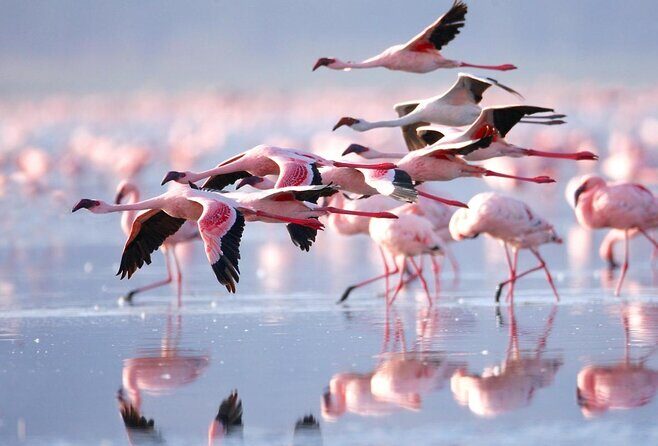
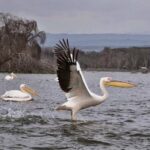
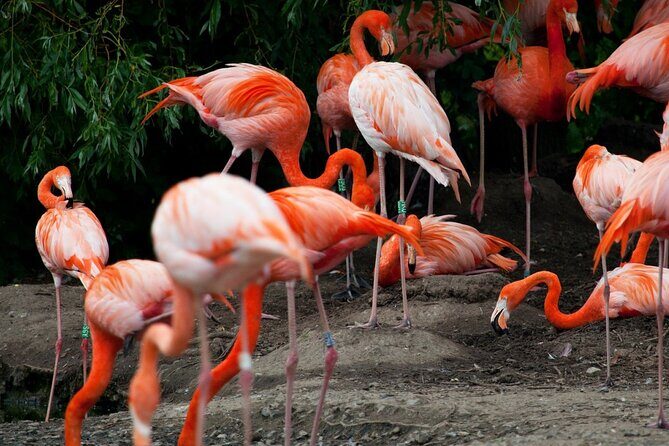
Day 4 is an afternoon focused on game and bird viewing around the lake shores. Lake Nakuru can be a seasonal home to millions of flamingos, and that’s not a subtle “maybe you’ll see a bird.” If the conditions are right, flamingos take over the waterline in a way that feels almost unreal.
You’ll overnight at Winston Hotel. This break from constant driving matters. It also gives you time to reset, charge batteries, and recover your legs after the earlier road time.
The only consideration with bird-focused stops is simple: birds are timing-dependent. Your best plan is to stay flexible. If flamingos are present, lean into it. If they’re not, still enjoy the broader bird life and keep scanning for other wildlife around the shores.
Days 5 to 8: Masai Mara National Reserve, with multiple chances to hit the action
This is the heart of the safari, and you get several full days inside the Maasai Mara National Reserve. The Mara is described as the northern section of the Serengeti Plain, which helps explain why it’s packed with animals and why the grasslands feel like the perfect stage for migration drama.
On Day 5, after breakfast you travel to the Mara and enjoy an afternoon game drive. This first Mara afternoon is often a “warm-up.” You’re getting your bearings, learning where animals concentrate, and spotting predator-prey patterns.
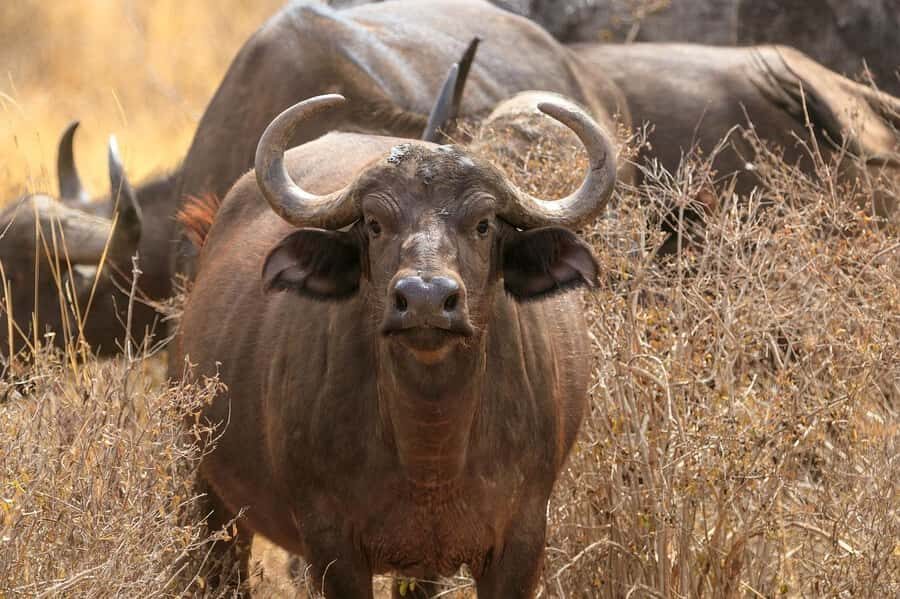
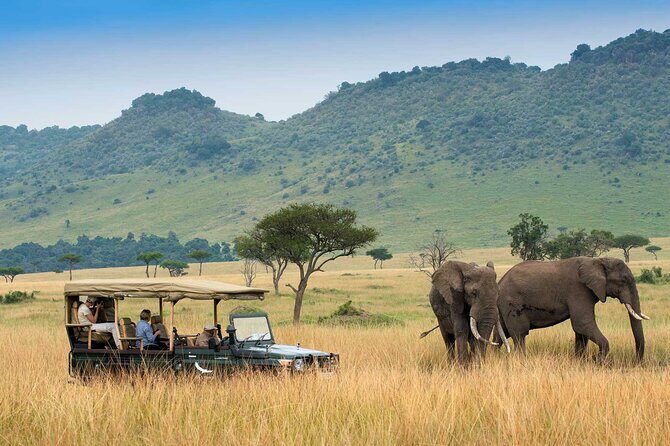
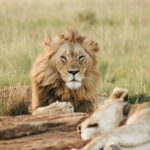
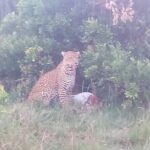
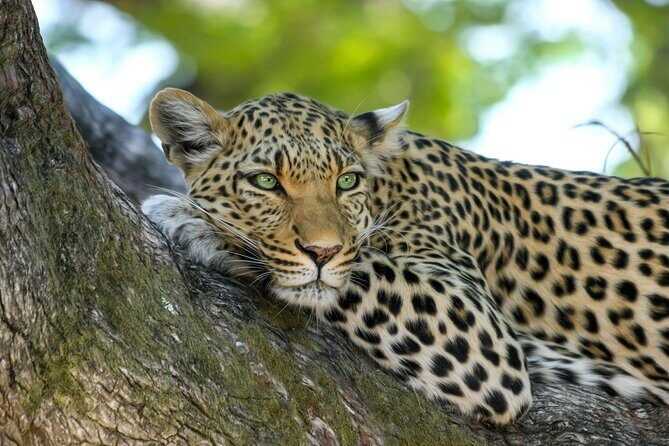
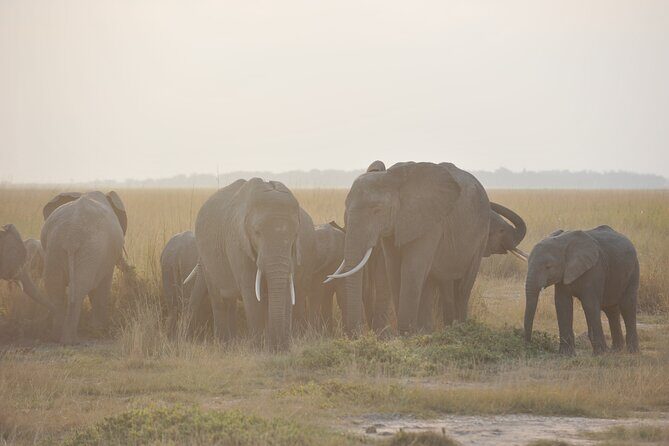
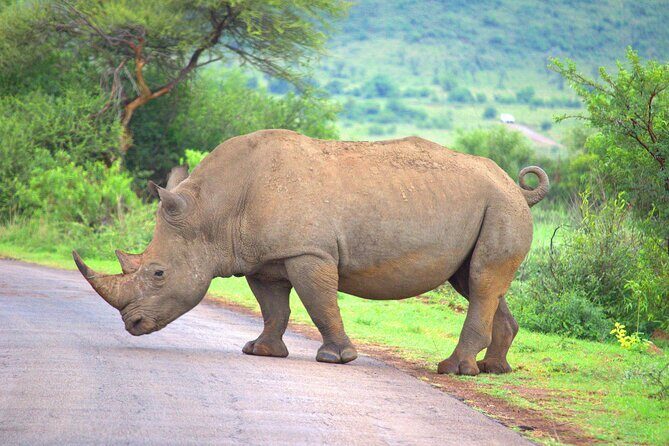
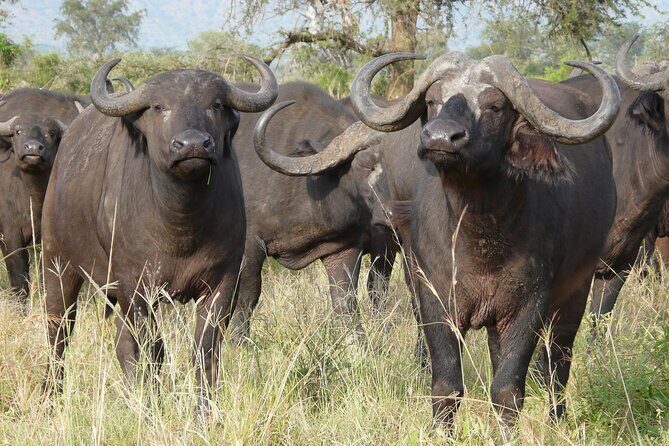
Days 6 and 7 are your true Mara rhythm: morning and afternoon game drives each day. The safari explicitly points to a broad mix of wildlife you can hope to see, including lions, elephants, rhinos, buffalo, wildebeests, gazelles, and zebras. That spread is why the Mara is famous. It isn’t only about migration. It’s also about density—predators can be active while prey is grazing, and you can watch the ecosystem working in real time.
Day 6 includes an added cultural element. During your time in the Mara, you encounter and learn about the Masai, with a look at how they’re working to preserve traditions in the face of modernization. This is valuable because it keeps the experience grounded. You’re not only viewing animals. You’re also seeing the human side of the region that lives alongside the wildlife.
One more feature on Day 6 and Day 7: at sunset, you visit a section of the Mara River in hopes of seeing hippos. Hippos are a strong bet around rivers, but sightings still depend on the moment. Sunset is a smart choice because animal activity often shifts then, and the light makes everything easier to watch.


Mara timing: how to make the most of those river moments
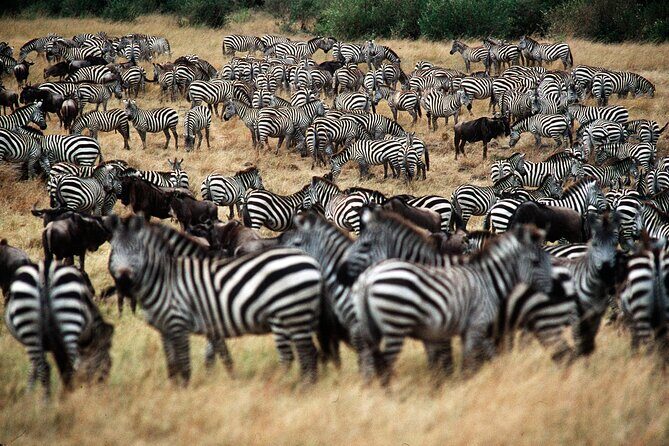
The Mara River stop is where many safari plans rise or fall. You’re hoping for wildebeests, zebras, and then the predators and scavengers that follow. Even when the crossing isn’t happening in a dramatic surge at exactly the time you arrive, the river environment still rewards patience.
Here’s how to maximize your odds without exhausting yourself:
- Keep your camera ready during river scans. Small changes in movement often signal big moments.
- Don’t fixate only on the center of the river. Predators and scavengers frequently work the edges first.
- Treat sunset as a “watching session,” not a quick photo sprint. Hippos and other river animals can appear in bursts.
This safari’s strength is that it gives you multiple chances at river viewing. You’re not trapped with only one short window.
Lodging and downtime: what the hotel changes in real life
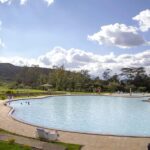
This itinerary uses three main bases: Tamarind Tree Hotel in Nairobi, Winston Hotel near Lake Nakuru, and AA Mara Lodge in the Maasai Mara.
The real value of these choices isn’t luxury talk. It’s location and schedule fit. Safaris like this depend on early starts, and you want to minimize the friction between sleep and departure. Having a dedicated overnight base in the right region keeps the day drives from feeling like constant airport-style transfers.
The one review detail I trust here is the overall satisfaction with lodging quality. At least one guest praised the accommodations as five-star. You should still treat that as someone’s personal experience, not a guarantee, but it does align with the fact that this itinerary is carefully structured around long game-drive days.
Your downtime will also shape your viewing. When you’re well-rested, you notice more. You spot movement sooner. You enjoy the smaller events, too, like birds around a herd or predator attention shifting across grass.
Transport, guide, and the small things that make safaris easier
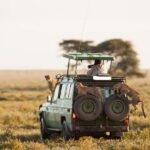
This is a private tour/activity with transport in customised tour vans and an English-speaking guide. That combination matters more than it sounds.
A good guide helps you:
- Read animal behavior instead of only scanning for motion
- Understand where the action is likely to be based on the day’s conditions
- Keep you on the right side of timing for game drives and sunset river visits
Also, you’re not on your own for arrival logistics. You’re met at the airport, escorted to your hotel, and later transferred to the airport for your departure flight. That reduces stress, especially on a trip that already has long driving days and early starts.
If you’re worried about documentation, the tour lists mobile ticket support. And if health requirements or tests ever apply, one recent guest noted that required COVID-19 tests were arranged with minimal interruption. Just don’t assume that automatically applies to every date; treat it as a sign the operator can handle admin when needed.
Price and value: what $2,128 really buys you
At $2,128 per person, this isn’t a budget excursion. But it also isn’t priced like you’re paying only for a seat in a van. The inclusions are where the value lives.
You get:
- Transport in customised tour vans
- All fees and taxes
- An English-speaking guide
- Park-related time at the main reserves
- Meals: 5 breakfasts, 5 lunches, and 5 dinners
- Dinner and bed-and-breakfast on the Nairobi hotel night, plus scheduled meal service on other safari days
And you’re not likely to want to nickel-and-dime your way through a migration safari once you’re there. Tips and gratuities are not included, and drinks and personal costs aren’t included either. That means you should budget for alcohol, soft drinks, and any extra meals if your schedule requires it beyond the package counts.
So is it worth it? For most people, the deciding factor is whether the bundled costs match what you’d otherwise pay separately. Paying separately for transport, park access, and guiding often creates a surprise bill late in the planning process. Here, those items are part of the base package.
The other value factor is the multi-region layout. You’re doing Samburu and Lake Nakuru plus the Mara, not just driving straight to one park. That spreads your odds of great sightings across different habitats.
What to pack for a week of game drives and long sight windows
Your packing list should match how safari life actually feels: long hours outside, early mornings, and evenings that can cool down quickly in higher areas.
Stick to essentials and keep it practical:
- Binoculars if you have them (big difference for spotting animals at distance)
- A light rain layer or warm layer for shifting conditions
- Comfortable closed-toe shoes for walking around lodges and viewing areas
- Charged camera gear and backup storage
- Sunscreen and a hat, since game drive time means sun exposure
Also, remember that you’ll be doing a mix of habitats: semi-desert Samburu, the Rift Valley lake area, and grassland Mara. That can mean different clothing comfort needs across days.
Who this safari fits best
This tour suits you if you:
- Want the wildebeest migration experience but also want other wildlife-rich Kenya regions, not just one park
- Prefer a scheduled plan with a guide who organizes drives, timing, and transfers
- Like having multiple days in the Mara, so you’re not relying on one single viewing window
- Are comfortable with a trip that includes long driving segments between Nairobi, Samburu, Lake Nakuru, and the Maasai Mara
It may be less ideal if you want zero-road time and a strictly relaxed resort pace. Even with good organization, this is still a safari route.
Should you book this Wildebeest Migration Safari?
I’d book it if your goal is to see the migration spectacle with real time in the Mara and not just a quick stop. The combination of Samburu’s species variety, Lake Nakuru’s bird-and-flamingo potential, and the Mara’s multi-day game drives makes the week feel full instead of repetitive.
I’d pause and ask more questions before booking if you’re only chasing one exact outcome: a guaranteed Mara River crossing at a specific moment. Nature doesn’t follow schedules, and this trip is built around seasonal movement and the chance to see the action as it happens.
If you can handle early starts, long game-drive days, and the reality that the herd’s timing can shift, this is the kind of itinerary that can turn into a lifelong memory.
FAQ
What time does the tour start and where?
The experience starts at Jomo Kenyatta International Airport in Nairobi, Kenya, with a start time of 8:00 am.
How long is the safari?
It runs for 8 days (about 7 nights).
Which areas and parks are included?
You’ll spend time in Nairobi, Samburu National Reserve, Lake Nakuru National Park, and Masai Mara National Reserve.
What’s included in the price?
Included are transport in customised tour vans, all fees and taxes, an English-speaking guide, and meals including 5 breakfasts, 5 lunches, and 5 dinners.
What is not included?
Not included are tips and gratuities, visa fees, drinks, and personal costs like laundry and telephone.
Is there a mobile ticket?
Yes, the tour includes a mobile ticket.
What if weather is poor or I need to cancel?
The experience requires good weather. If it’s canceled due to poor weather, you’ll be offered a different date or a full refund. There’s free cancellation up to 24 hours in advance for a full refund.