REVIEW · NAIROBI
3days/2nights group joining Masai Mara with Masai Village Visit
Book on Viator →Operated by kenya safari bookings · Bookable on Viator
Three days in the Mara beats rushed safaris. You’ll slow down in Masai Mara National Reserve with multiple game drives in Big Five country, plus a Masai Village stop—without you having to plan lodging or logistics. It’s a group trip with pickup from Nairobi, so you can spend your energy on spotting wildlife instead of spreadsheets.
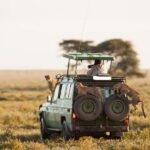
I especially like the pop-up roof safari land cruiser. It makes scanning and photographing easier when animals pop up close to the road, and you’re not stuck staring through tinted glass. I also like the pacing on Day 2, where you get long time inside the reserve, including time around the Mara River for migration-era action.
One drawback to plan for: park fees aren’t included, and they can be a big line item depending on the season. Add those costs early, and you’ll also want to be comfortable with early starts and long days in the bush.
In This Review
- Key highlights at a glance
- Why Three Days in the Masai Mara Feels Worth It
- Nairobi Pickup to the Reserve: Transport That Helps You Spot Animals
- Day 1: Arrival, Camp Setup, and an Evening Game Drive
- What to watch for on Day 1
- Day 2: Two Long Mara Days for Big Cats, Migration, and River Life
- River life: the Mara’s slow drama
- Big Five reality check (the useful kind)
- Day 3: Masai Village Visit Then Head Back to Nairobi
- Price and Park Fees: What $256 Really Means
- What you should treat as value
- Meals, Timing, and Comfort: The Practical Stuff That Shapes Your Safari
- Who This Safari Suits Best (And Who Might Prefer Different Options)
- Should You Book This Masai Mara 3-Day Group Safari?
- FAQ
- How long is the Masai Mara safari?
- What’s included in the tour price?
- Are Masai Mara park fees included?
- Do I get picked up from Nairobi?
- What time does the tour start?
- How many people are in the group?
- What is the cancellation policy?
Key highlights at a glance
- Max of 8 travelers keeps the group feeling manageable
- Pop-up roof Land Cruiser improves your wildlife viewing and photos
- Game drives on three separate days (including an evening start)
- Mara River time where hippos, crocodiles, and migration activity can cluster
- Masai village visit adds cultural context to the wildlife focus
- Campfire evening at the camp gives you a classic safari night rhythm
Why Three Days in the Masai Mara Feels Worth It
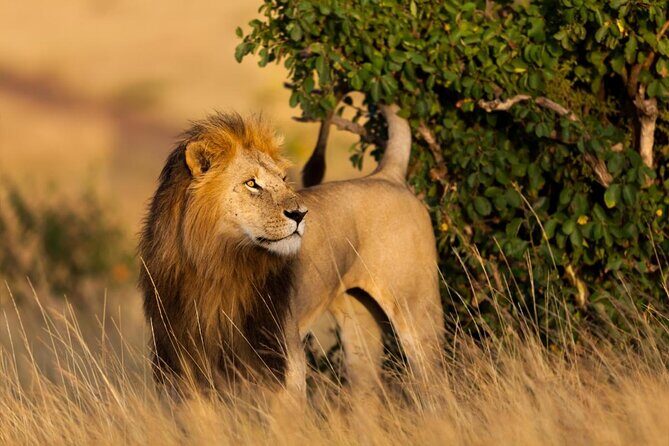
A lot of safaris are over in a blur. This one gives you 3 days / 2 nights, which matters more than it sounds. When you slow down, you get more than one chance to match your luck with the animals’ luck—because in the Mara, timing changes everything.
On this trip, you’re not just doing a single drive and calling it a day. You’ll start with an afternoon-to-evening run into the reserve, then spend a full day (and then another long day) driving the plains searching for cats, grazers, and anything that looks like it might become a story. Finally, you leave the reserve after a morning breakfast and fit in the Masai village visit before heading back to Nairobi.
The other value of stretching it out is mental. You can actually enjoy the ride—watch the light change, learn the “shape” of the ecosystem from the road, and understand why certain animals tend to show up around certain areas and times. That kind of understanding is hard to buy in a day trip.
A few more Nairobi tours and experiences worth a look

Nairobi Pickup to the Reserve: Transport That Helps You Spot Animals
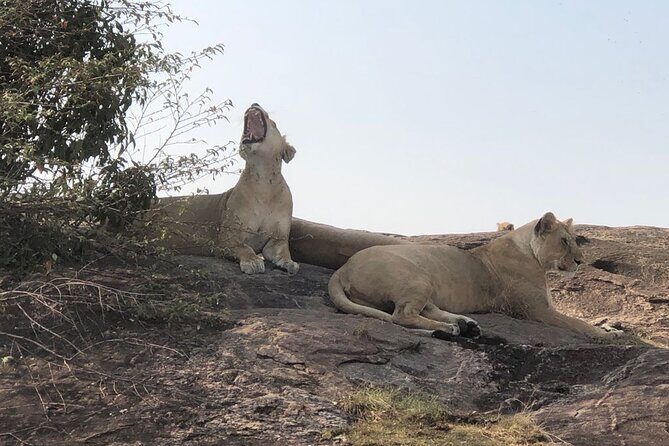
You’ll meet at Muindi Mbingu St, Nairobi (the activity starts in the morning, with morning departure from the city area). The tour uses a safari Land Cruiser with a pop-up roof, which is one of those details that quietly makes a big difference.
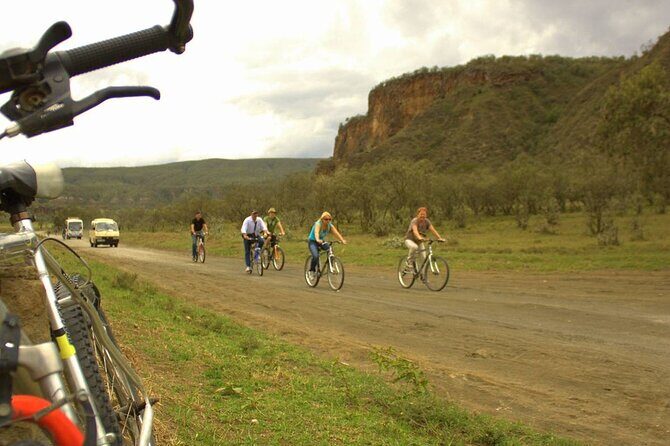
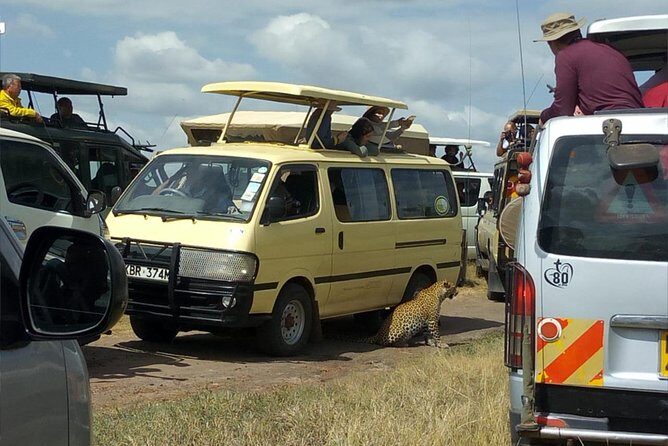
When the roof pops up, your sightline improves and your photos get less frustrating. You can also stand or lean with better control, which helps on bumpy roads when you’re trying to follow movement across open grasslands. You’ll also be with a small group (up to 8 travelers), which helps because the driver can manage seating, movement, and stops without turning the vehicle into a crowded commuter bus.
Expect long stretches of road time. Even if your destination is the drama of lions and wildebeest, the journey is part of the rhythm. Pack patience and keep a good water habit—your body will feel it during long bush days.
Day 1: Arrival, Camp Setup, and an Evening Game Drive
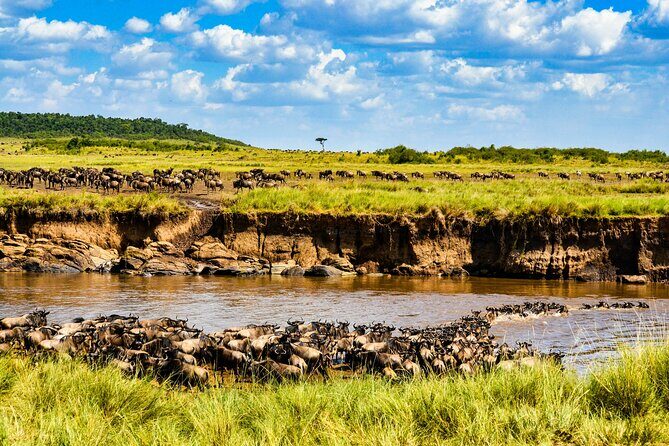
Day 1 follows a classic safari flow: morning departure from Nairobi, driving toward the reserve with a lunch stop on the way, then arrival for check-in at the camp. Your itinerary lists Rhino Tourist Camp or similar for the first overnight, and the tone is practical rather than fancy. In feedback from past guests, accommodations have been described as okay, including a setup in a large tent, which fits the safari style.
After check-in, the main event is the evening game drive. This is the time when the reserve often feels alive: animals move differently as the temperature cools, and predators can become easier to track as they react to evening activity. You’re there with a guide, and this is where the guidance really helps. If you’re paired with a guide like Sam, the focus tends to be on locating animals and sharing clear information so you’re not just driving past shapes in the grass.
You’ll return to the camp late enough for dinner, then you get a campfire gathering under the African sky. It’s a simple add-on, but it changes the tone of the evening. Instead of rushing to bed, you get a safari-night reset—quiet enough to hear the environment and structured enough that you don’t have to plan anything.
What to watch for on Day 1
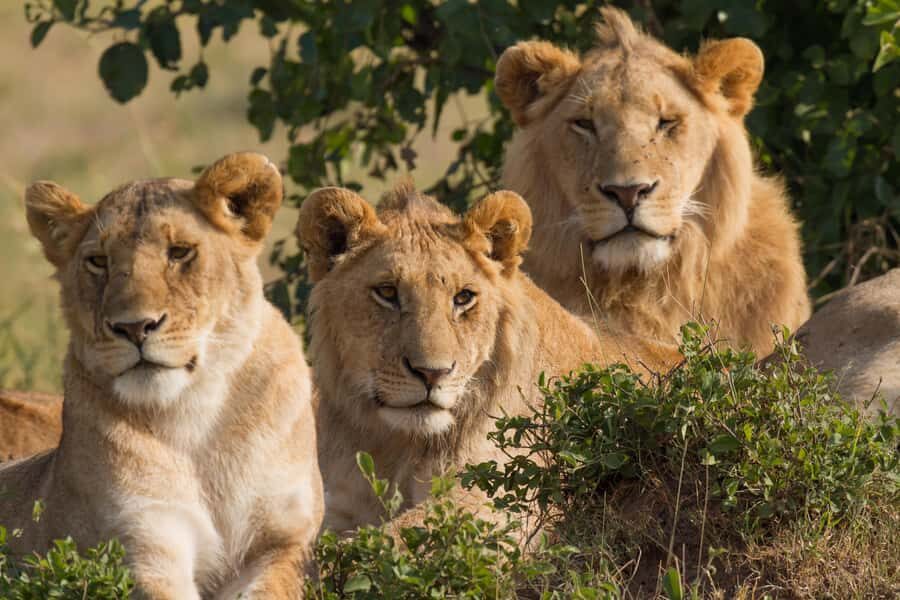
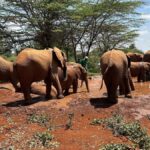
- Evening drives can be a strong opener for lions, elephants, and other big movers
- The Big Five goal is part of the plan, but you’ll still get better value by staying flexible and looking for the whole ecosystem, not only one species
Day 2: Two Long Mara Days for Big Cats, Migration, and River Life
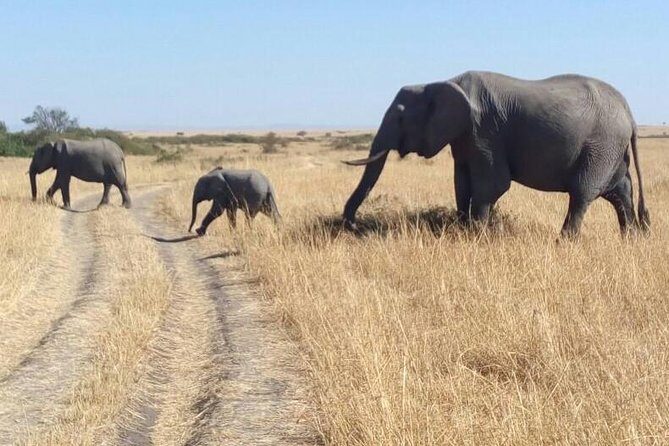
Day 2 is the engine of the trip. You get multiple hours inside the reserve, and the schedule is intentionally built around wildlife density—especially around the areas that concentrate activity.
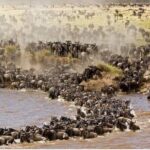
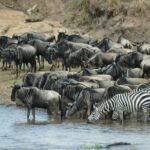
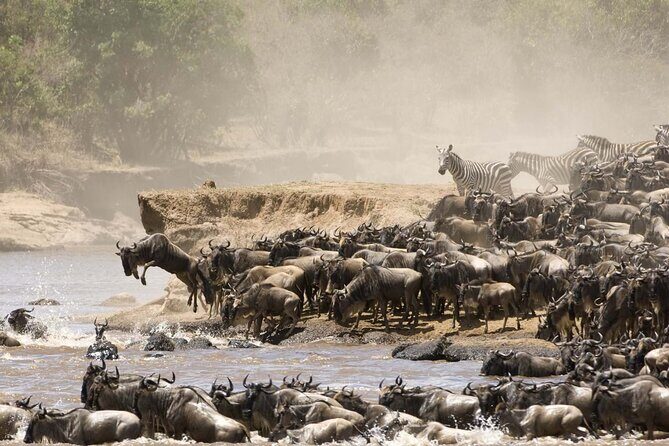
One day segment starts earlier and focuses on scanning for big cats and other predators, with a picnic lunch served at the Mara River. The Mara River is famous in migration season because it’s a natural crossroads: wildebeest and zebra gather, predators patrol, and you often get an action-rich view from the road. During migration, vast herds of wildebeest and zebra can roam in huge numbers, and that means your odds improve—not because the guide can force wildlife, but because you’re positioned for where animals are already moving.
During another part of Day 2, you start around 6:30am, then spend the whole day searching for wildlife. Lunch is again served by the river, and you’re back at the camp around 5pm. That’s a long day, but it’s also how you get real chances to see different behaviors—morning feeding patterns, mid-day rest, and the late-day shift when many animals become more visible again.




River life: the Mara’s slow drama
Between the packed and picnic meal setups, the itinerary mentions hippos and crocodiles along the river. This matters because it adds variety. A safari shouldn’t be only fast chases. The river edge shows a different kind of wildlife rhythm—bigger animals holding position, smaller movements constantly happening in the edges, and predators timing ambush opportunities.
Big Five reality check (the useful kind)
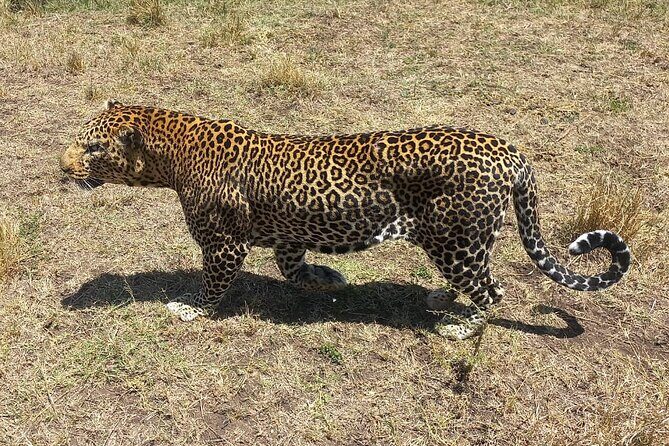
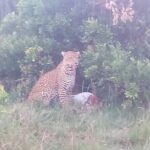
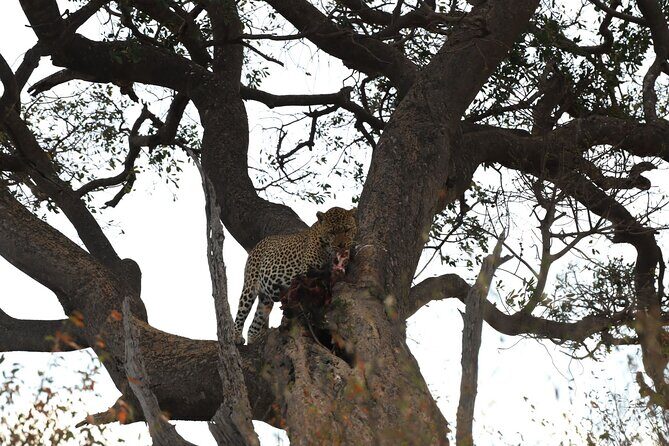
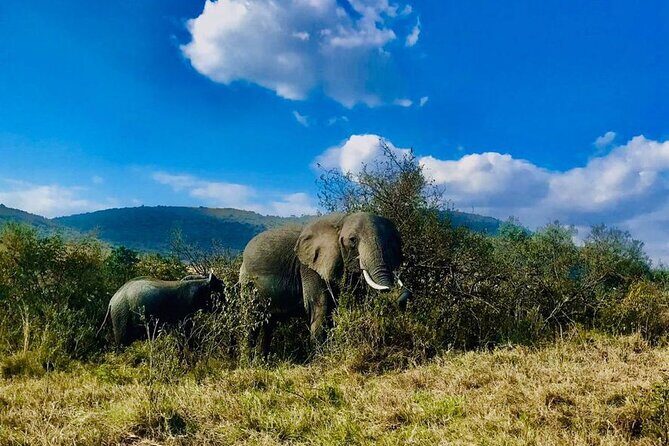
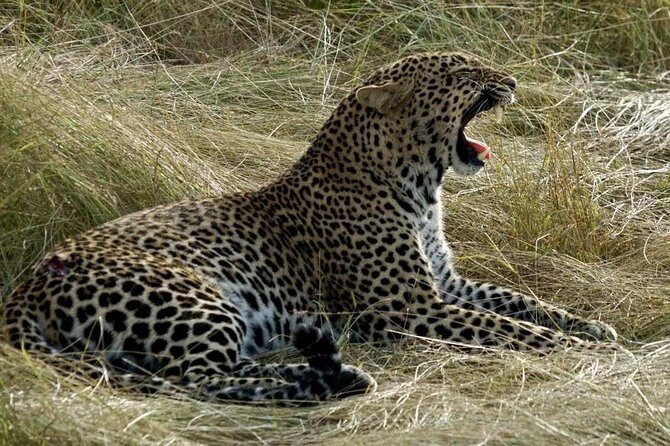
The tour is built around the chance to see Big Five: Lions, Elephants, Leopards, Buffalo, and Rhinos. But “chance” is the right word in safari planning. What you can control is how many drives and how much time you spend in habitat. This itinerary does that—especially with Day 2’s long time inside the reserve.
Day 3: Masai Village Visit Then Head Back to Nairobi
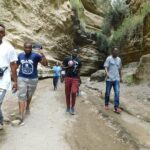
On Day 3, you’ll start with breakfast at camp, then visit a Masai village. This is your cultural stop, and it matters because it connects the people of the region with the land you’ve been driving through. Even when you’re mainly chasing wildlife, a village visit can help you understand why the reserve is more than just a wildlife postcard.
After the village visit, you leave the Masai Mara and drive back toward Nairobi with stop-overs. You’ll arrive late in the afternoon, then the tour ends back at the meeting point, with options to be dropped at the airport or your preferred Nairobi hotel depending on what you need.
This day is about balance. You get a final taste of the region in the morning, then transition back to city life without stretching your body with another full day in the bush.
Price and Park Fees: What $256 Really Means
At $256 per person, you’re paying for the core safari package: transport in a pop-up roof Land Cruiser, accommodation, game drives, and select meals (two breakfasts, three lunches, plus dinner). You’re also getting the convenience of pickup from Nairobi and the fact that someone else handles the camp and daily driving plan.
So what’s not covered? The Masai Mara park fees. The tour lists a seasonal rate:
- Jan–Jun: $100 per person per entrance
- Jul–Dec: $200 per person per entrance
That detail changes the real cost fast, especially because you enter the reserve more than once during a multi-day itinerary. If you’re traveling in peak park-fee months, park fees can be the difference between a “good deal” and a “same-price-as-elsewhere” package—so do the math before you fall in love with the base rate.
Tips and alcohol are also not included, plus personal expenses. That’s standard, but it’s still useful to plan so you don’t get stuck at the last minute.
What you should treat as value
To me, the value is the combination: included lodging + included game drives + included transport with a small group size. If you tried to piece that together yourself, the time cost and risk of mismatch (wrong camp area, wrong drive timing, missing meals, unclear meeting points) can easily eat up your savings.
Meals, Timing, and Comfort: The Practical Stuff That Shapes Your Safari
Meals are included in a way that keeps you moving. You get breakfasts on two mornings, three lunches, and dinner. Some lunches are described as packed or picnic-style around the river, which fits safari reality: you’re out in the field and don’t want to waste time driving back and forth for food.
Timing is part of the deal too. Day 2 includes early starts around 6:30am, plus full-day drives. That means you should pack for early heat and changing temperatures. Think hat, sunscreen, sunglasses, and something light for cooler morning air. Also plan for dust. It’s Kenya safari country, so your clothes will collect a little sand whether you like it or not.
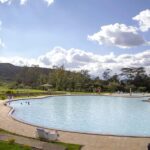
Comfort is “camp practical.” In past guest feedback, the camp experience has been described as okay, with tent-style sleeping. That’s not a complaint—just a cue. If you want five-star bedding and quiet walls, this might feel basic. If you want real safari setting and you can handle simple lodging, it fits.
Who This Safari Suits Best (And Who Might Prefer Different Options)
This tour is a strong fit for you if:
- You want Masai Mara without planning lodging and drive logistics
- You like group travel that stays small (up to 8)
- You’re happy to spend long days in the reserve because you care about wildlife odds
- You want a mix of wildlife and a cultural stop with the Masai village visit
It may be less ideal if:
- You’re extremely sensitive to long driving days and early mornings
- You want luxury accommodations rather than tent-style camp stays
- You don’t want to handle extra costs at entry time (because park fees are separate)
If you’re budget-aware, the biggest thing is to price out the park fees for your travel month, then compare total cost to other safari options.
Should You Book This Masai Mara 3-Day Group Safari?
I think you should book it if your goal is more time in the reserve and a smooth, guided experience from Nairobi. The itinerary gives you multiple chances to see wildlife, and the transport setup with a pop-up roof makes the whole experience easier for both eyes and camera.
Do it with one clear plan: calculate park fees for your month and decide what you’ll do about tips and drinks. If you handle that math up front, this tour reads like good value—especially for first-time visitors who want the Mara experience without the headache.
If you’re chasing a very specific Big Five outcome on a single day, consider that wildlife doesn’t follow schedules. But if you want a balanced safari rhythm—morning starts, river-time, evening magic, and a camp night under the sky—this is a solid choice.
FAQ
How long is the Masai Mara safari?
It’s a 3-day trip with 2 nights in the camp.
What’s included in the tour price?
The package includes transport in a safari land cruiser with a pop up roof, accommodation, game drives, the Masai Village visit, and meals including dinner, 3 lunches, and 2 breakfasts.
Are Masai Mara park fees included?
No. Masai Mara park fees are not included. The cost is listed as $100 per person per entrance for Jan–Jun and $200 per person per entrance for Jul–Dec.
Do I get picked up from Nairobi?
Yes. Pickup is offered from Nairobi city hotels, with the meeting point listed at 18 Muindi Mbingu St, Nairobi.
What time does the tour start?
The start time is listed as 7:00 am at the meeting point.
How many people are in the group?
The tour has a maximum of 8 travelers.
What is the cancellation policy?
You can cancel for free up to 24 hours in advance for a full refund. If you cancel less than 24 hours before the start time, the amount paid is not refunded.