REVIEW · NAIROBI
3 Days Masai Mara Safari
Book on Viator →Operated by Abana Safaris · Bookable on Viator
You’re one drive away from real wild Africa. This 3-day Masai Mara safari pairs Nairobi pickup with early and late game drives, then adds culture time with an optional Maasai Manyatta visit. I love the clear, “what you see is what you pay” approach, and I love that the schedule is built around the kind of sightings that happen when animals are most active. One thing to consider: drinks aren’t included, and you’ll still need to budget for park entrance fees.
The trip is handled by Abana Safaris with representatives doing a short briefing before you head out through the Great Rift Valley. I like the pace: long enough to feel like a safari, but not so rushed that you’re always in transit. If you want a totally laid-back experience with no early mornings, this might feel a bit intense—there’s an early start on Day 3.
With a maximum group size of 8, the whole thing feels easier to manage than larger tours. That matters on safari, where you’ll want to hear your guide and move as a unit without feeling packed in.
In This Review
- Key things to know before you go
- Nairobi pickup and the Great Rift Valley drive to Masai Mara
- A practical note on timing
- Day 1: Rift Valley viewpoint and your first Mara River game-drive day
- What can be tricky on Day 1
- Day 2: Masai Mara game drives, Big Five hunting odds, and Maasai Manyatta time
- Big Five searching is not a guarantee
- Culture option: Maasai Manyatta visit
- Evening at camp
- Day 3: Early 6:30am drive, en-route return to Nairobi, and Mamba Village
- What the pacing means for you
- Price and logistics: what $400 really buys you
- How to think about total cost
- Group size helps with perceived value
- Food, comfort, and what “basic amenities” means in practice
- Early mornings and meal timing
- Who this Masai Mara safari suits best
- Should you book this 3 Days Masai Mara Safari with Abana Safaris?
- FAQ
- What is the price for the 3 Days Masai Mara Safari?
- How long is the safari, and when does it start?
- Are meals included?
- Is park entrance included in the price?
- Does the tour offer pickup in Nairobi?
- What is the cancellation policy?
Key things to know before you go
- Small group (max 8) keeps the game drives calmer and easier to follow.
- Pickup from your Nairobi residence reduces the hassle of getting to the starting point.
- Two full game-drive blocks (including a very early one) improves your odds for active wildlife.
- Maasai Manyatta option gives you a cultural add-on beyond just animal spotting.
- Mamba Village stop in Nairobi is built into Day 3 with admission listed as free.
- Not all costs are included: drinks and park entrance fees are not part of the $400 price.
Nairobi pickup and the Great Rift Valley drive to Masai Mara
The day starts with a plan that’s actually useful: Abana Safaris representatives meet you at your residence in Nairobi, then you get a short briefing before you head out. This is one of those small details that makes a big difference. You’re not hunting for the right vehicle or figuring out where to be. You can show up, get oriented fast, and get moving.
Once you roll out, the route takes you through the Great Rift Valley. You also get a viewpoint stop where your guide explains how the Rift Valley formed. Even if you’ve seen photos before, this kind of stop changes how you understand the whole region. The Rift is not just scenery—it’s the backbone of why water, wildlife, and migration patterns behave the way they do across eastern Africa.
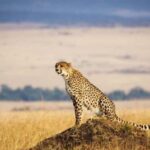
Then comes the real reason most people book: heading to the Masai Mara, often described as Kenya’s safari “highlight.” The Mara is famous for how quickly your eye starts to catch animals once you’re in the right places. Open plains, changing light, and a reserve that’s built for game viewing all work together. You’ll spend Day 1 working your way into that atmosphere.
A few more Nairobi tours and experiences worth a look
A practical note on timing
Safari schedules tend to feel early even when they are “normal.” Day 1 begins around 8:00am. Day 3 starts even earlier at 6:30am for a game drive. If you’re the type who needs a slow wake-up, plan to adjust your routine the moment you arrive in Nairobi.
Day 1: Rift Valley viewpoint and your first Mara River game-drive day
Day 1 focuses on the big transition—leaving Nairobi, crossing into Mara country, and getting your first looks at the reserve’s energy. The stop called Mara River signals the theme of the trip: animals, movement, and the rhythms of the region.
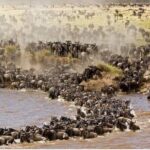
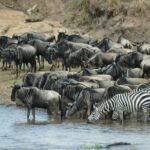
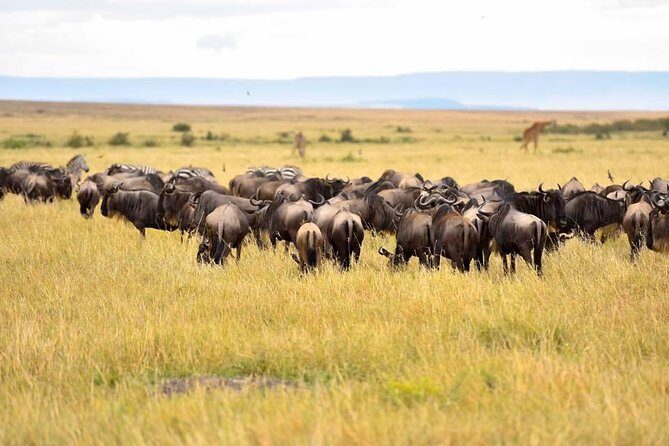
After the Rift Valley viewpoint, you continue toward the Masai Mara. If you’re traveling in late spring, this timing matters. The area’s famous migration behavior is tied to seasonal grazing and water. You’ll hear the story in simple terms: wildebeest and other grazers cross the river area bordering Tanzania and Kenya, then travel north into the Mara for greener grass. Even if your dates don’t perfectly match peak migration, the Mara is still a prime place to see wildlife moving between food and water.
You’ll also get your first “camp reality” moment—dinner and overnight at the camp after Day 1’s safari time. That’s not just included comfort. Sleeping inside the safari bubble helps you reset your day. You stop treating wildlife like an activity and start treating it like something that exists around you.
What can be tricky on Day 1
This is a long travel day. Expect driving time through varied terrain. It’s not a hiking tour and it’s not technical, but you should still be ready for hours on the road. The trip notes moderate physical fitness, which likely means: you’re okay with early mornings and long sitting periods, not that you’re climbing mountains.
Day 2: Masai Mara game drives, Big Five hunting odds, and Maasai Manyatta time
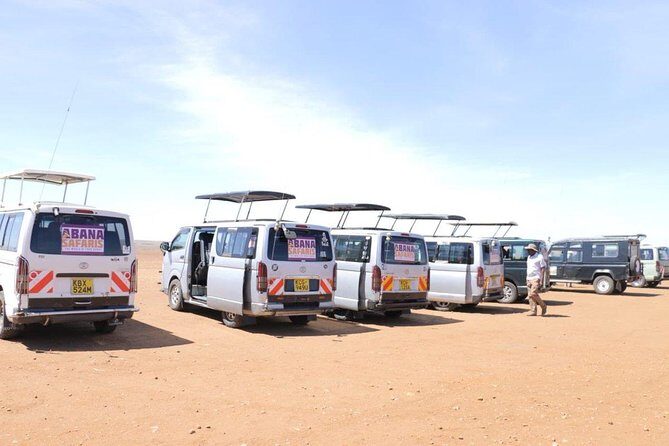
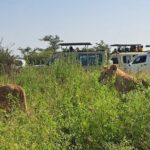
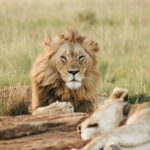
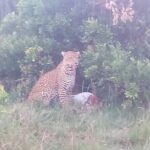
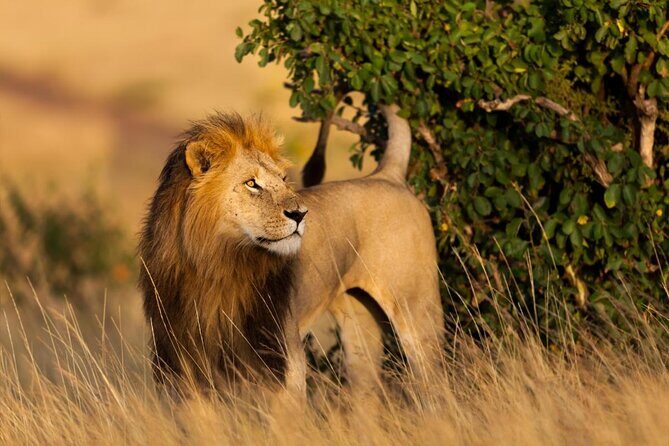
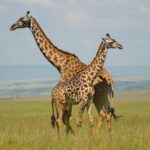
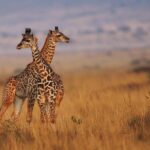
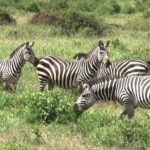
Day 2 is where the safari feeling really locks in. You spend the day on game viewing inside the Masai Mara National Reserve, in search of the Big Five and the wide mix of other wildlife that makes the Mara such a strong choice.
The way the day is described is straightforward: millions of animals move into the region from Serengeti when conditions suit grazing and water. This is one reason the Mara earns its reputation. When animals concentrate, your chances of seeing something notable rise. Your guide will scan, track, and use what they know about the animals’ habits and where water and food tend to pull them.
A few more Nairobi tours and experiences worth a look

Big Five searching is not a guarantee
A quick reality check helps you enjoy the day more. Hunting for the Big Five means you’ll look for them hard, but sightings depend on weather, animal movement, and where the herd decides to be that day. What you can control is your attitude—and that’s where guided drives matter. A good guide turns your “maybe” into a “let’s try this corridor” plan.
Culture option: Maasai Manyatta visit
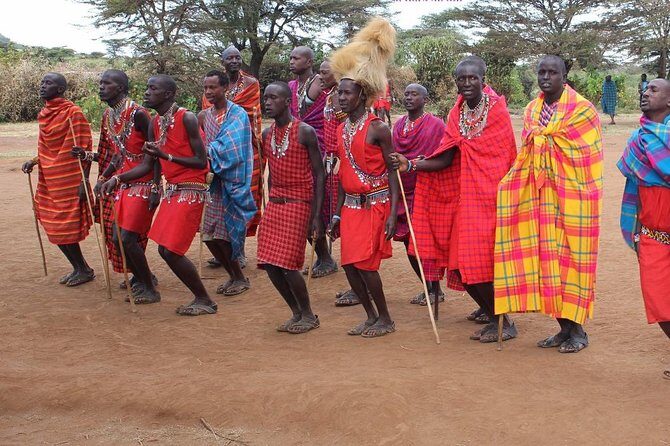
Then there’s the cultural layer. You have an optional visit to a Maasai Manyatta, which is a chance to learn about Maasai lifestyle and daily life connected to their traditional pastoral roots. The Mara area is described as the ancestral home of the Maasai—fiercely proud, self-reliant pastoral nomads with a long connection to cattle.
If you’re the type who likes safari as more than a checklist, this optional stop is worth leaning toward. It won’t replace the wildlife, but it gives context for what you’re seeing—because the animals and people have shaped each other’s environment for a long time.
Evening at camp
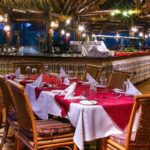
Day 2 also includes dinner and overnight at the camp. This keeps you from spending the night “in transit,” which means you stay part of the safari rhythm instead of constantly switching modes.
Day 3: Early 6:30am drive, en-route return to Nairobi, and Mamba Village
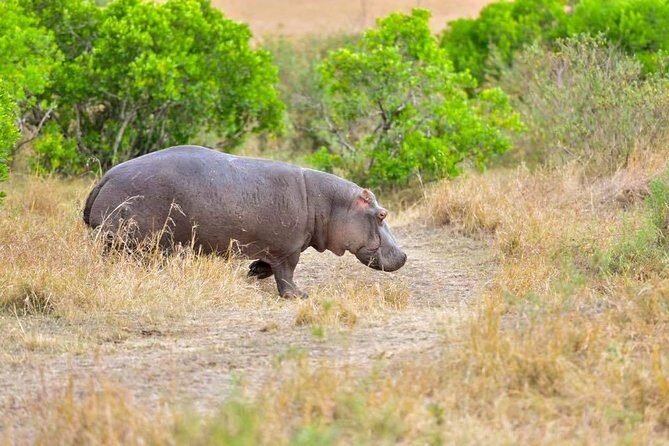
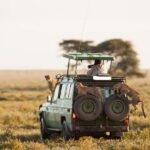
Day 3 is built for action. You start with an early morning game drive from 6:30am to 9:00am. That early time window is when animals often look busiest—cooler temperatures, active feeding, and better visibility. The schedule even notes you might be lucky to witness hunting. That’s not something you can plan for, but it’s exactly why early drives are worth the effort.
After that, you take it to the next step: depart your safari lodge/camp at 10:00am and continue with an en-route game drive as you head back toward Nairobi. The goal is simple: don’t waste the daylight you still have.
You’ll arrive back in Nairobi around 16:00. And here’s the twist that makes Day 3 more than just “return to the city”: you stop at Nairobi Mamba Village, with admission listed as free and a scheduled visit window of about 5 hours. The name tells you it’s a specific attraction stop, and the free admission detail is a genuine value point—this helps offset the fact that safari days can get expensive once you start adding extras.
What the pacing means for you
Day 3 is probably the day you’ll feel most “on rails.” But it’s also the day that gives you the best safari-to-city contrast: wild mornings, then a smoother shift back to Nairobi by late afternoon.
Price and logistics: what $400 really buys you
At $400 per person for a roughly 3-day trip, value comes down to what’s included and how organized the experience feels.
Here’s what the package includes on the core basics:
- Meals: 2 lunches, 2 dinners, and 2 breakfasts
- Pickup offered from your Nairobi residence
- Basic amenities (the description notes what you pay for is what you get, with the exception of drinks)
- Safari-related admissions/ticket items are listed as included on the days tied to Mara River, and free for the Mamba Village stop
What’s not included:
- Drinks (explicitly not included)
- Park entrance fees
- Telephone, water, and other extras (the usual add-ons)
How to think about total cost
Because park entrance fees aren’t included, you should plan for that extra line item. That’s the main “surprise risk” for first-timers. If you’re budget-conscious, ask yourself two questions before booking:
1) Are you comfortable paying park fees separately on arrival or during check-in?
2) Will you keep drinks spending controlled?
If yes, the $400 starts to look more reasonable. You’re not paying for a bare-bones drive. You’re paying for transport, guided game time, and a full food plan across multiple days.
Group size helps with perceived value
A maximum of 8 travelers is a quiet advantage. It usually means less waiting, less crowding at sightings, and an easier time getting quick guidance from your guide when something appears.
Food, comfort, and what “basic amenities” means in practice
With safari, comfort is usually a trade-off: you want good animal time, so the schedule is optimized, not padded. Still, the trip includes your main meals—lunch, dinner, and breakfast—so you’re not constantly hunting food options across three days.
The description notes that price includes basic amenities but not drinks. That tells you to bring a plan for hydration and your preferred beverages. If you’re used to buying bottled water at stops, remember that water is specifically listed as an extra (along with phone-related costs).
Early mornings and meal timing
Because there are early starts, your breakfast timing will matter. Luckily, breakfasts are included (2 of them). You’ll just need to be ready to treat “breakfast” as fuel, not a leisurely sit-down.
Who this Masai Mara safari suits best
This safari is a strong match for people who:
- Want guided game viewing rather than DIY driving
- Appreciate a structured 3-day plan with at least one very early game drive
- Prefer smaller groups (max 8) for a calmer feel
- Like adding a human element, like the optional Maasai Manyatta visit
It may not be ideal if you:
- Hate early starts (6:30am on Day 3)
- Expect all costs to be bundled with no extras at all (park entrance fees and drinks aren’t included)
- Need nonstop downtime between long driving blocks
Also note the “moderate physical fitness” requirement. This doesn’t sound like a strenuous adventure, but you should be comfortable with long days, time outside, and getting up early.
Should you book this 3 Days Masai Mara Safari with Abana Safaris?
If your goal is a well-run, no-nonsense Masai Mara safari with Nairobi pickup, multiple game drives, and an option to learn about Maasai culture, I think this one fits. The small group size, meal plan, and the fact that the safari schedule hits both morning and daytime viewing make it practical for real wildlife spotting.
I’d book it if you can handle two small realities:
- You’ll pay park entrance fees separately and you’ll want to manage drinks.
- You need to be okay with early starts—especially the 6:30am game drive.
If that sounds fair, you’re likely to get exactly what safari should deliver: organized time in the Mara, a genuine sense of place, and a trip that feels like it was planned around animals and your day—rather than around filler stops.
FAQ
What is the price for the 3 Days Masai Mara Safari?
The tour costs $400.00 per person.
How long is the safari, and when does it start?
The experience runs for about 3 days. The start time listed is 8:00am.
Are meals included?
Yes. The package includes 2 lunches, 2 dinners, and 2 breakfasts.
Is park entrance included in the price?
No. Park entrance fees are not included.
Does the tour offer pickup in Nairobi?
Yes. Pickup offered is included, and Abana Safaris representatives meet you at your residence in Nairobi for a short briefing.
What is the cancellation policy?
There is free cancellation up to 24 hours before the experience’s start time for a full refund. If you cancel less than 24 hours before, you don’t get a refund. The policy also notes that if the experience is canceled due to poor weather, you’ll be offered a different date or a full refund.