REVIEW · NAIROBI
Classic Best Adventure In Kenya And Tanzania 2025
Book on Viator →Operated by Classic Journeys Africa · Bookable on Viator
Big five days and crater mornings. This 12-day safari strings together Kenya and Tanzania’s top wildlife stops with a professional driver-guide who adjusts the daily rhythm to your group, not just a fixed script.
I like the way the guide doesn’t just drive and point. You’ll get bird and bushcraft-style learning, plus context on history and traditions as you travel. And I also like that the itinerary builds in multiple chances for game viewing instead of one rushed “hit list” day.
One consideration: the schedule is packed, with long drive days and early starts. If you want lots of downtime between parks, you may find this pace a bit intense.
In This Review
- Quick hits: What makes this safari work so well
- The “classic” route: why this 12-day circuit feels like a greatest-hits album
- Nairobi Day 1: airport meet-and-greet and your first-day orientation
- Amboseli National Park (Days 2–3): elephants plus Kilimanjaro drama
- Lake Manyara (Day 4): Rift Valley views and tree-climbing lions
- Ngorongoro Conservation Area (Days 5–6): the crater descent and the predator math
- Serengeti National Park (Days 7–8): Ol Duvai stop and big savanna days
- Maasai Mara National Reserve (Days 9–10): Kenya’s predator zone, plus a balloon option
- Lake Elementaita and Naivasha rest day (Day 11): a calmer rhythm before Crescent Island
- Crescent Island Game Park on Lake Naivasha (Day 12): walking with wildlife on a lake
- What you’re really paying for: value, inclusions, and smart budgeting
- Who this safari suits best, and who should pause before booking
- Should you book Classic Best Adventure In Kenya And Tanzania 2025?
- FAQ
- Does the trip include airport pickup and transfers?
- What languages are available for the driver-guide?
- Are park entrance fees and game drives included?
- Is a Masai village visit included, or is it optional?
- Can I add a hot air balloon flight?
- What is not included in the price?
- Can I cancel for a full refund?
Quick hits: What makes this safari work so well
- Unlimited game viewing drives with park access included, so you spend more time actually watching animals
- English plus local language support (and some guides also speak French and Spanish), which helps the explanations land
- Kilimanjaro views over Amboseli paired with two game drives, not just a quick stop
- Ngorongoro descent and crater-floor picnic, built for maximum time in that unique bowl of wildlife
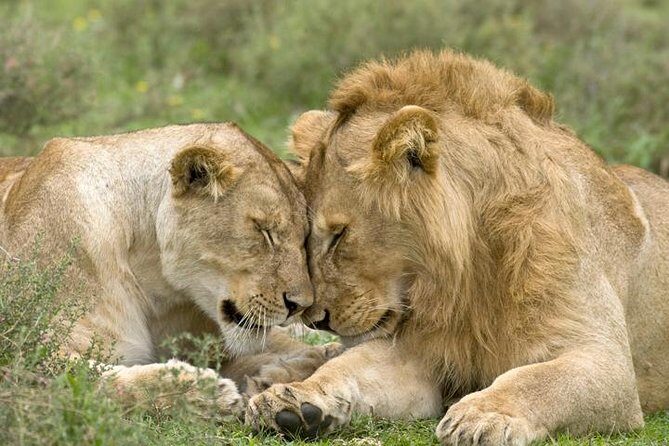
- Maasai Mara late-afternoon and full day in one of the best predator-and-prey systems on the planet
- Crescent Island on Lake Naivasha for a walking safari style experience on the lake (bring shoes you trust)
The “classic” route: why this 12-day circuit feels like a greatest-hits album
This trip focuses on the places safari people talk about for a reason. You’re not only changing parks, you’re changing ecosystems: grassland plains, Rift Valley lakes, crater walls, and huge savanna stretches. That variety matters because wildlife behavior changes with each habitat. It keeps the days interesting, even when the animal sightings are quiet for a moment.
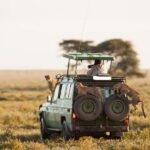
You’ll also move with a 4×4 vehicle and a driver-guide who stays with you across the journey. That’s a big deal. You don’t waste energy re-explaining preferences to new people every day, and you get more consistent scouting as the guide learns what your group cares about: predators, big herds, birds, or photo angles.
Price-wise, $5,940 per person is serious money. The value here is that the package is built around the costly parts: transport, park entrance fees as listed, and your safari meal plan (breakfast, lunch, dinner counts are included). You’re not just buying beds and hoping the rest works out.
You can also read our reviews of more tours and experiences in Nairobi.

Nairobi Day 1: airport meet-and-greet and your first-day orientation
You start at Jomo Kenyatta International Airport, where you’re met by Classic Journeys Africa’s customer care representative. The practical win: you get help with the transfer to your Nairobi hotel and a short briefing before the safari machinery fully kicks in.
You’ll also be introduced to the driver-guide who will handle the rest of the trip. In my book, that’s where good safaris start. If you can ask early questions—how your group likes to schedule game drives, what you want to focus on—the later days tend to run smoother.
Accommodation is set for Nairobi Panari Hotel with breakfast included. Nairobi isn’t the point of the safari, but it’s a useful staging ground. It helps you adjust to the time and get organized before the parks.
Amboseli National Park (Days 2–3): elephants plus Kilimanjaro drama
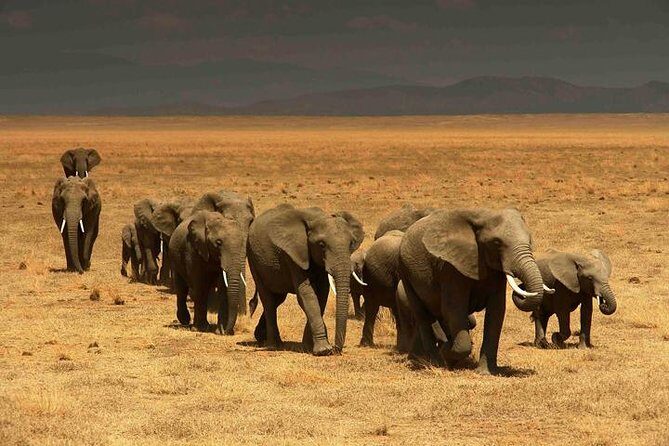
Amboseli is famous for one thing: elephants with open plains backdrops. You’ll arrive after breakfast and spend your first day mixing travel with an afternoon game viewing drive. The park’s big elephant population and the wide grassy areas mean you often get sightlines that feel almost unfair—like the animals are set up for photos.
You also get the Kilimanjaro factor. When it’s clear, the view can be jaw-dropping, especially with elephants moving across the plains. Even when visibility is less dramatic, the park still delivers on the “big herd” experience.
That’s why I like the two-drive approach across Days 2 and 3. One drive can be great. Two drives usually means you catch more behaviors: feeding rhythms, matriarch family movement, and younger elephants playing. Day 3 is full day in the park with two game drives, including a route across a lake bed area that is often dry but can be swampy in places.
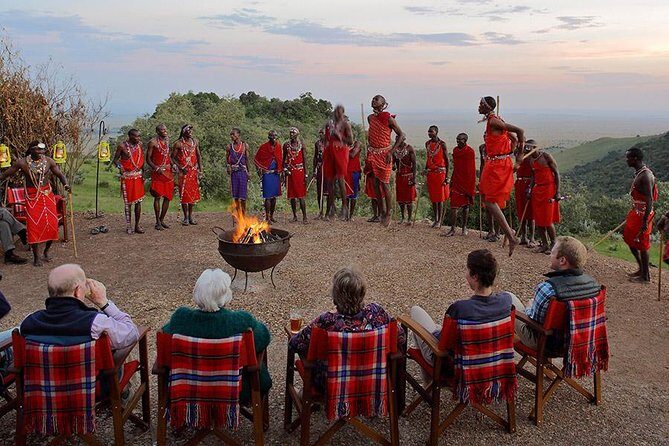
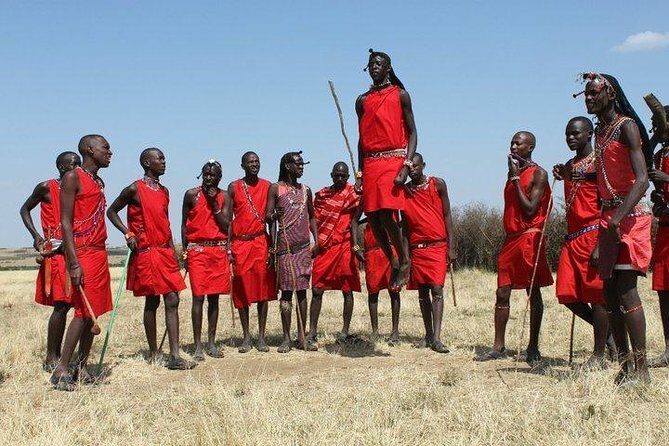
Optional Masai village visit: Day 3 includes a chance to visit for a nominal fee. If you choose it, do it with the right expectations. It’s a cultural experience, not a “wildlife encounter.” I’d treat it like a respectful learning stop—go in curious, not demanding.
Possible drawback in Amboseli: this is a high-expectation park. If you’re chasing one specific sighting, like a rare predator moment, remember that elephants and herds are the main headline. If you’re okay being flexible, it’s a fantastic start.
Overnights are at Amboseli Sopa Lodge with full board meals planned.
Lake Manyara (Day 4): Rift Valley views and tree-climbing lions
After Amboseli, you head toward Lake Manyara, which sits in the Rift Valley. The lake is shallow and alkaline, and the park’s appeal isn’t just wildlife—it’s also the Rift’s “cut in the earth” feel.
This day includes a border/formality stop at Namanga border, then lunch at Arusha Kibo Palace in Arusha before an afternoon game viewing drive at Lake Manyara National Park.
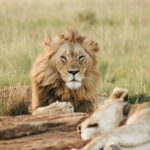
Lake Manyara is known for its tree-climbing lions. That’s the kind of detail that gets people excited, and the key is that your sightings depend on the day. You might catch them in a classic hunting position, or you might just get a different lion story—still worth your time because the park tends to deliver strong bird and habitat variety too.
Then you return for dinner and overnight at Lake Manyara Wildlife Safari Camp with full board meals.
One practical consideration: Day 4 involves moving between countries and areas. Even with a good driver-guide, expect the day to feel more “travel-heavy” than a park-only day. Pack a light layer and keep your camera charged.
Ngorongoro Conservation Area (Days 5–6): the crater descent and the predator math
Ngorongoro is the centerpiece for many safari plans, and this trip treats it that way with two days.
Day 5 is a build-up day. You depart for the Ngorongoro Conservation Area, with hot lunch planned, then relaxation plus an optional cultural village visit. The practical reason this day works: it gets you positioned without rushing the actual crater descent right away.
Day 6 is the big moment. You descend into what the itinerary calls the crater’s “8th Wonder” feeling—really, you’re entering a natural amphitheater that functions like a self-contained ecosystem. Inside, you can find grasslands, swamps, forests, saltpans, and a fresh water lake, all enclosed within the crater walls.
That variety matters for wildlife. Different species use different microhabitats, and predators track those patterns. The trip also highlights that you can find all members of the Big Five, plus dense predator populations and lots of plains game.
You’ll enjoy a picnic lunch on the crater floor, then climb back to your lodge in time to rest. This “down and back” pacing is smart. It gives you time on crater time, not just crater passing.
Overnight is at Bougainvillea Safari Lodge with full board meals planned.
Possible drawback: the crater is popular, which can mean competition for viewpoints. Your best defense is patience and trust in the guide’s scouting. If you go in expecting the crater to be calm and empty, you’ll be disappointed. If you go in expecting a living wildlife theater, you’ll have a better time.

Serengeti National Park (Days 7–8): Ol Duvai stop and big savanna days
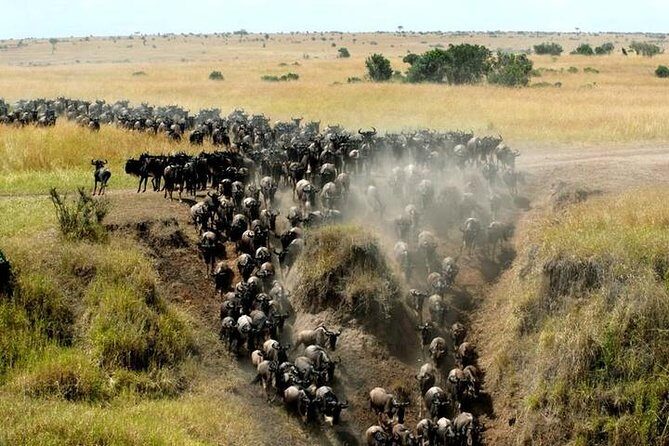
After Ngorongoro, you move into Serengeti National Park. The transition includes a stop at Ol Duvai Gorge, described as the cradle of humankind story linked to Louis and Mary Leakey’s work. Even if you’re not a museum person, I’d treat this as a useful pause. The day is still about animals, but it adds context about why this region is so globally significant.
Day 7 includes arriving at your camp in time to relax and enjoy a classic safari supper. It’s a good rhythm: you don’t go straight from travel to an all-day grind.
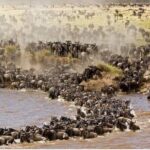
Day 8 is the full day of game driving in Serengeti, with meals taken in true safari style in the bush. The park covers a huge area (14,763 sq km is listed), and it’s known for the “greatest wildlife show on Earth”—the annual migration of wildebeest and the predators that follow.
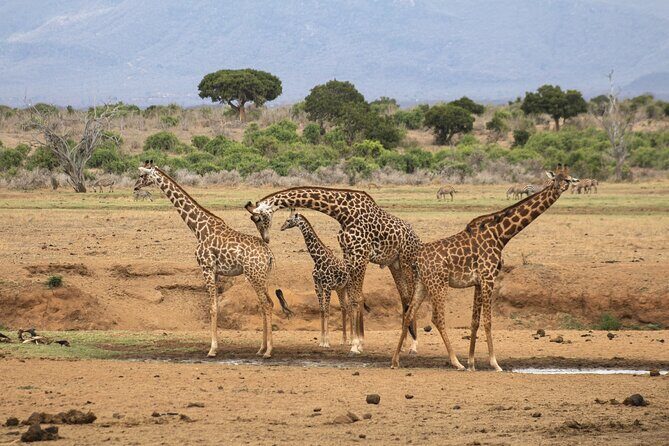
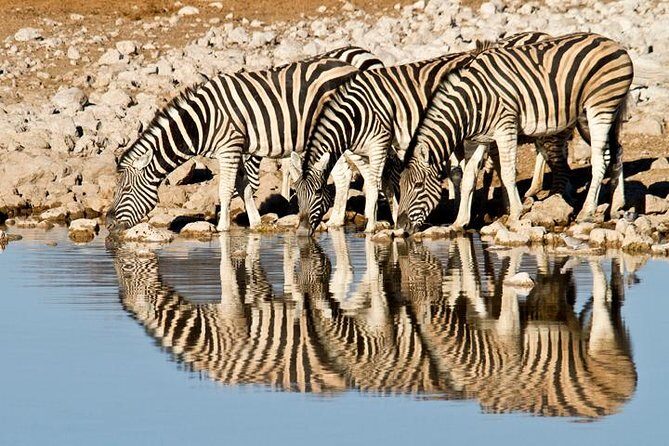
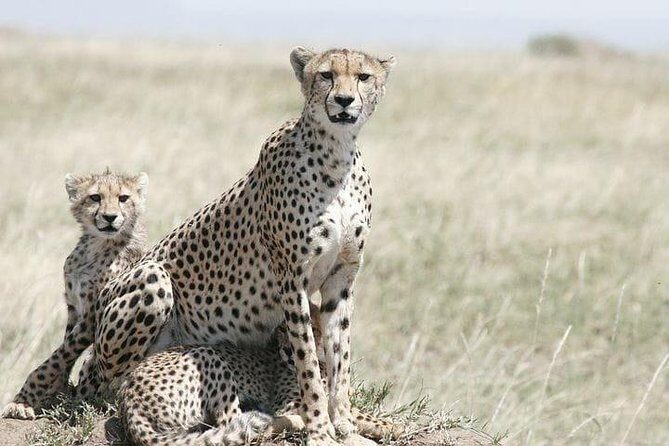
Even without chasing one exact moment, Serengeti is a strong day-for-day place. You’re in the mix for lions, cheetahs, zebras, giraffes, and lots of plains game, plus you’ll likely see many birds.
Overnight is at Serengeti Katikati Camp with full board meals planned.
Practical tip: bring something you can layer. Morning and afternoon temperatures can shift, and game drives tend to be long enough that you’ll feel it.
Maasai Mara National Reserve (Days 9–10): Kenya’s predator zone, plus a balloon option
You cross into Maasai Mara National Reserve after a short briefing and a stop at Isebania border for customs and migration formalities. Then you’ll have picnic lunch boxes en route before arriving for a late-afternoon drive.
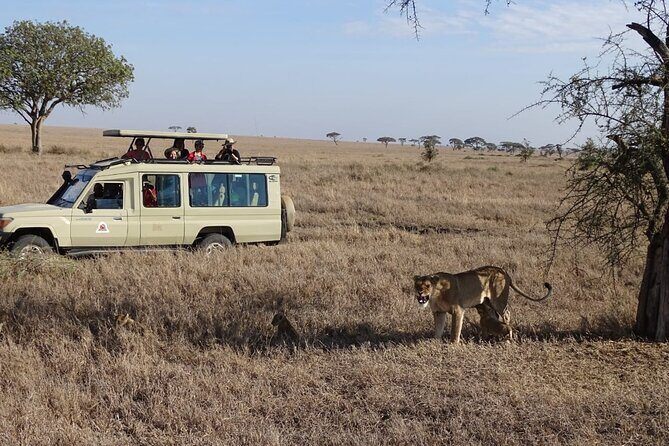
That late-afternoon timing is smart. Predators often move with changing light, and herbivores settle into predictable patterns. The itinerary also calls out classic Mara strengths: big lion prides, elephant herds, leopard and cheetah, spotted hyena, plus hippos and Nile crocodiles at the Mara River. You’ll also have a long list of birds (550+ species is listed).
Day 10 is your full Mara day. It’s described as the richest wildlife viewing arena, with details like giraffes, gazelles, zebras, buffalo, and the mix of predator and prey.
Optional hot air balloon over the Mara: This is listed as extra cost, with a champagne breakfast in the wild included in the balloon package. If weather and budget line up, it’s the kind of experience that changes how you understand the terrain. You’ll see how the animal movements relate to river lines and open plains.
Optional Masai village visit: Also offered at extra cost.
Overnight is at Mara Sopa Lodge with full board meals planned.
Possible drawback: this is a top-tier reserve, so you’re likely to be sharing the viewing with other safari vehicles. Your guide’s job is to keep you in the right place at the right time, but you should still expect some crowding at popular moments.
Lake Elementaita and Naivasha rest day (Day 11): a calmer rhythm before Crescent Island
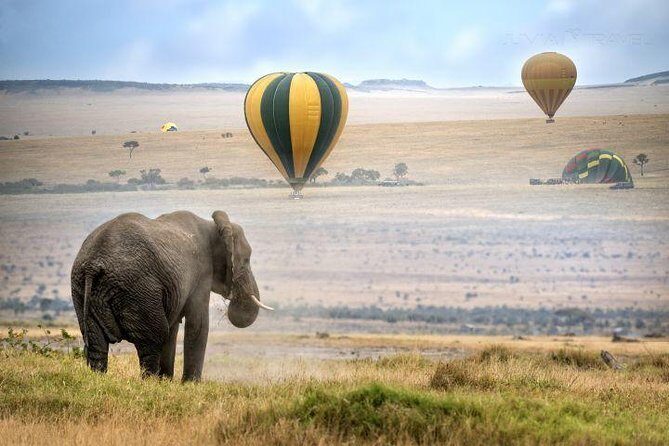
Day 11 shifts gears. You head to Lake Naivasha / Lake Elementaita, check in, enjoy a late lunch, then relax at Naivasha Sopa Lodge.
This part of the trip is valuable because it breaks the park-to-park intensity. Even if you love wildlife, your body needs a reset after back-to-back major habitats like Serengeti and Mara. The itinerary gives you that breathing room without dropping the safari theme entirely.
The day includes full board meals planned and an afternoon that’s more about comfort than scouting.
Crescent Island Game Park on Lake Naivasha (Day 12): walking with wildlife on a lake
Your final day is one of the most memorable styles of wildlife time on this route: a morning boat ride to Crescent Island Game Park on Lake Naivasha, followed by walking with animals.
The itinerary notes that there is just one Crescent Island Game Park, and it’s known for having more animals per acre than other Kenyan parks. It also says the animals aren’t fenced in, so you can see wildlife moving in ways that feel less “zoo-like.” You’ll likely encounter wildebeest, waterbuck, zebra, and gazelle.
One practical detail that matters: because animals roam and hippos graze at night, the environment can be more active than a traditional drive-only park. Bring appropriate footwear and keep your expectations grounded. This is about careful animal proximity and respectful viewing, not reckless closeness.
The itinerary also mentions giraffe that were born on the island, plus filming activity by film companies. Even if you don’t care about cinema trivia, it hints at why the place draws attention: the setting is distinctive.
You return to the meeting point to end the activity.
What you’re really paying for: value, inclusions, and smart budgeting
Let’s talk money in a realistic way. At $5,940 per person for about 12 days, you’re buying a package that centers on safari logistics: transport, access, and guided time.
Here’s what the trip explicitly includes:
- Air-conditioned vehicle and 4×4 transportation
- Arrival and departure transfers plus meet-and-greet services
- English or Spanish or French speaking driver-guide (you’ll get guided support throughout)
- Unlimited game viewing drives and park entrance fees as listed
- Safari accessories in each vehicle: first-aid kit, binoculars, cool box, and fire extinguisher
- The meal plan counts listed: breakfast (6), lunch (10), dinner (10)
- Mineral water is included
And what’s not included:
- Visa fees
- Alcoholic and non-alcoholic drinks
- International flights and departure taxes
- Laundry and personal items
- Any Christmas and Easter supplements of USD $45 per person per night on the applicable dates
- Optional extras like hot air balloon and Masai village visits (these are listed as optional in the itinerary)
So is it good value? For me, it looks best if you want:
- more time on safari (unlimited game drives and park fees covered),
- a guide who can explain wildlife and local culture,
- and a smooth Kenya-to-Tanzania handoff without you managing details day by day.
If you love wandering at your own pace, or if you want to add lots of optional upgrades, then you’ll need to budget extra on top. Also, double-check that your specific dates and lodging setup are fully covered for what you expect, since the inclusions list clearly spells out meals and transport, while the accommodations are shown in the schedule.
Who this safari suits best, and who should pause before booking
This is a good fit if you want a classic wildlife circuit and you value guidance. The itinerary is built for people who enjoy seeing different ecosystems and getting explanations along the way. The guide skills described—bush craft, traditions, bird identification, and safety and comfort—suggest you’ll learn while you watch.
It’s also a solid choice for couples, families, or small groups who like the “same team, same vehicle” feel. The trip is described as private, meaning only your group participates.
You should think carefully if:
- you don’t handle long driving days well,
- you want lots of free time with no structure,
- or you’re very budget-sensitive since optional extras and visas can add up.
The trip notes a moderate physical fitness level requirement. Most safari time is sitting and spotting, but there can be walking around lodges and timing changes that can catch you off guard if you’re not used to it.
Should you book Classic Best Adventure In Kenya And Tanzania 2025?
I’d book it if you want the big-name safari route with built-in wildlife time and a guide who explains more than just what you’re seeing. The itinerary’s two-day emphasis on Amboseli and Ngorongoro, plus the Serengeti full day and the Mara full day, makes it feel designed for real animal watching instead of speed-dating the parks.
I’d skip or at least rethink it if you hate a tight schedule. This safari prioritizes seeing a lot, which means fewer slow afternoons.
Also, if this is your first time in East Africa, it helps that support is part of the structure. Past customers highlighted communication and staff follow-through during tough travel delays, and that kind of reliability matters when you’re spending this kind of money.
If you’re the type who wants to trade comfort for sightings and you can handle a packed agenda, this is a strong choice.
FAQ
Does the trip include airport pickup and transfers?
Yes. You’re met at Jomo Kenyatta International Airport and helped with the transfer to your hotel, including a briefing before the safari starts. The trip also includes arrival and departure transfers.
What languages are available for the driver-guide?
The included services list an English or Spanish or French speaking driver-guide, depending on the assignment for your group.
Are park entrance fees and game drives included?
Yes. The inclusions say unlimited game viewing drives and parks entrance fees as indicated in the itinerary are included.
Is a Masai village visit included, or is it optional?
It’s optional. A Masai village visit is offered in Amboseli and again in the Mara as an extra-cost option.
Can I add a hot air balloon flight?
Yes, the Mara portion lists an optional hot air balloon over the reserve. The balloon package includes a champagne breakfast in the wild.
What is not included in the price?
Visa fees, alcoholic and non-alcoholic drinks, international flights and departure taxes, laundry services, and personal items are not included. There may also be Christmas and Easter supplements of USD $45 per person per night on the applicable dates.
Can I cancel for a full refund?
Yes. You can cancel up to 24 hours in advance of the experience start time for a full refund, based on the local time.