REVIEW · NAIROBI
3 Days Maasai Mara Small Group Safari in a 4 x4 Land Cruiser Jeep
Book on Viator →Operated by PERFECT WILDERNESS TOURS AND SAFARIS · Bookable on Viator
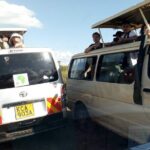
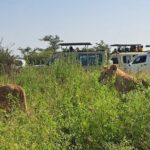
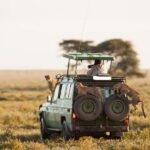
Big cats are the headline here. In just 3 days, you’ll do 4×4 Land Cruiser game drives around the Maasai Mara with up to seven people per jeep, plus a Rift Valley viewpoint stop on the way in.
What I like most is how practical the package feels for the price. You get en-suite tented accommodation for two nights with a bed, mosquito nets, toilet and bathroom inside, and even electricity in the evenings, plus a full set of safari meals.
The main thing to consider is that this is a budget-focused setup. The camp description mentions hot water and decent tent comfort, but at least one past traveler reported issues like no warm water and mosquito net coverage that didn’t fully protect the bed, so it’s smart to set expectations and come prepared.
In This Review
- Key Points You’ll Care About
- Price and Value: What You’re Really Buying at $220
- Nairobi Pickup, Airport Catch, and the Rift Valley Viewpoint Moment
- Day 1: Mara River Arrival, Check-In, and Afternoon Game Viewing
- Day 2: The Full Big Five Day, Morning Start, and Migration Energy
- Tent Camp Comfort: En-Suite Tents, Electricity Nights, and Real Budget Trade-Offs
- Day 3: Maasai Village Culture Around Ololaimutiek and the Ride Back to Nairobi
- Logistics You’ll Actually Want to Know Before You Go
- Who This Safari Is Best For (and Who Should Skip It)
- Should You Book This Maasai Mara 3-Day Safari?
- FAQ
- How much does the Maasai Mara safari cost?
- How long is the safari and when does it start?
- What’s included in the tour price?
- Are Maasai Mara park entrance fees included?
- Do you offer airport pickup?
- How big is the group in the 4×4 Land Cruiser?
- What kind of accommodation and meals should I expect?
- Can I add a balloon safari or visit a Maasai village?
- What is the cancellation policy?
Key Points You’ll Care About
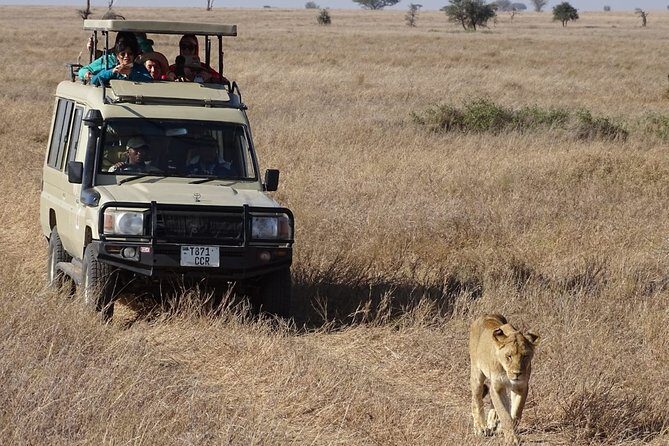
- Small-group 4×4 Land Cruiser format (max seven per jeep) gets you off the main roads.
- Mara River time on Day 1 and Day 2 puts hippos and crocodiles in your orbit.
- Big Five search + migration season timing gives you a real shot at spectacular predator action.
- En-suite tents with evening electricity keep basics covered without going luxury.
- Entrance fees aren’t included, so budget a separate amount before you go.
- Maasai cultural stop(s) can be built in, including an optional paid visit.
Price and Value: What You’re Really Buying at $220
At $220 per person, this safari is priced for people who want the Maasai Mara experience without paying luxury-camp prices. What makes it feel like a deal is that the cost covers the big items that usually add up fast: round-trip transport from central Nairobi, two nights at a tented camp, and a full meal plan.
The package includes your driver/guide, safari drives, and seven meals total (with lunches on safari and dinners at camp). It also includes bottled water and transfers from your hotel or residence within Nairobi CBD, which saves you from figuring out logistics on your own.
The one price gap to plan for is park entrance fees. Those are explicitly not included, so you’ll want to bring cash or arrange payment ahead of time. Also note: the tour description says “budget accommodation,” and the camp is at the park edge area rather than inside a private conservancy—great for value, not necessarily for ultra-comfort.
A few more Nairobi tours and experiences worth a look
Nairobi Pickup, Airport Catch, and the Rift Valley Viewpoint Moment
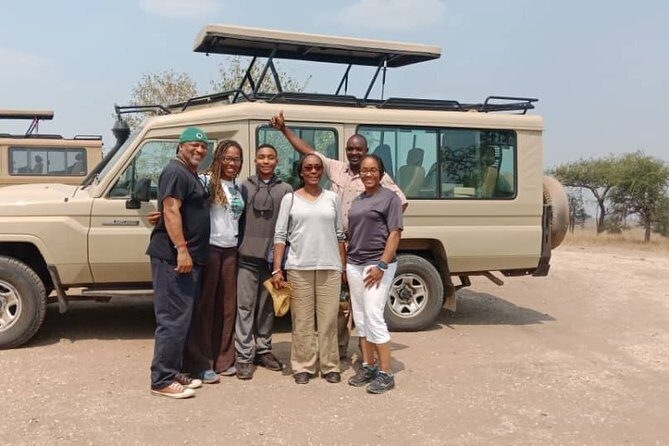
You start early, with a 7:00 am meeting time. The tour includes pickup from hotels and residences in central Nairobi, and there’s also a complimentary airport pickup for guests arriving by flight on the morning of Day 1, with a pickup time of 6:00 am from the airport.
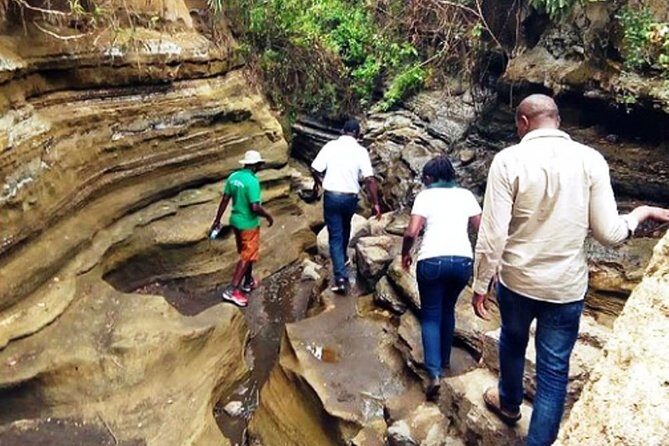
Before you even reach the Mara, you’ll stop at a Great Rift Valley viewpoint. It’s not just a quick photo stop; the drive route takes you to a high vantage where you can see the Rift Valley’s wide scale and the surrounding features, including Mount Longonot in the distance.
This is also a good moment to get your bearings: you’ll understand why the Rift Valley is such a big deal geographically, and you’ll feel that you’ve left the city behind for real.
Day 1: Mara River Arrival, Check-In, and Afternoon Game Viewing
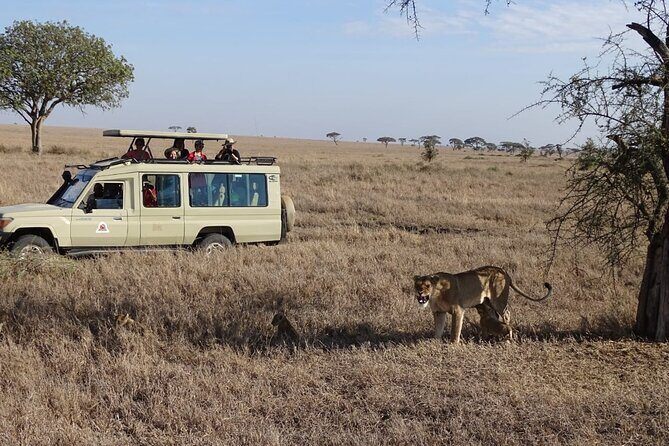
On Day 1, the day’s rhythm is straightforward. You’ll arrive, check in at camp, and then head out for an afternoon game viewing session in the Maasai Mara.
The camp area near the Mara River matters. This is one of those places where you often find wildlife gathered around water, and the tour info specifically points out resident hippos and crocodiles along the riverbanks. Even if you don’t get the full Big Five lineup on your first try, you can still enjoy the “living river” feel of the Mara.
Practical takeaway: afternoon drives can be great for behavior—animals moving toward water, predators being active, and lots of sightlines once the light softens. Bring binoculars if you have them, and keep your camera ready, because the Mara can deliver strong moments without warning.
Day 2: The Full Big Five Day, Morning Start, and Migration Energy
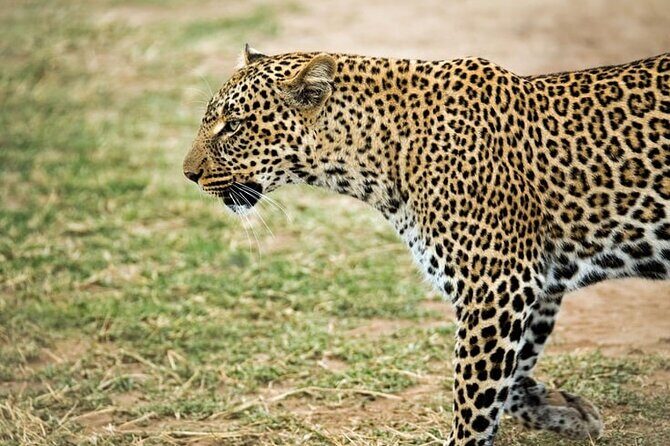
Day 2 is the heavyweight: a full day game drive in the Maasai Mara. Breakfast starts at 6:00 am, and you’ll head into the reserve after.
The day is built around two ideas:
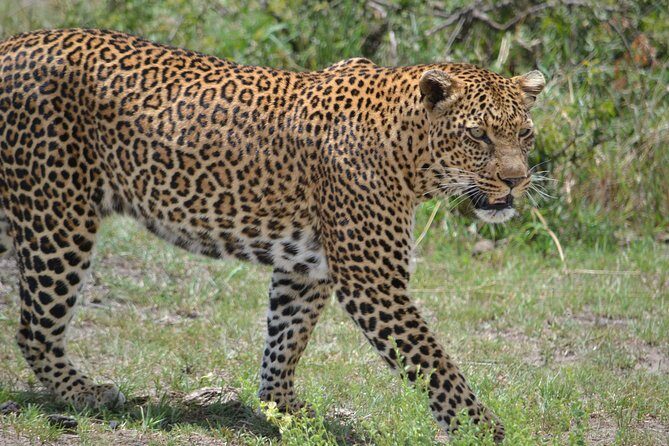
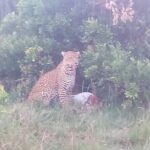
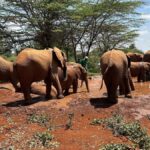
1) searching for the Big Five (lion, leopard, buffalo, elephant, and black rhino), and
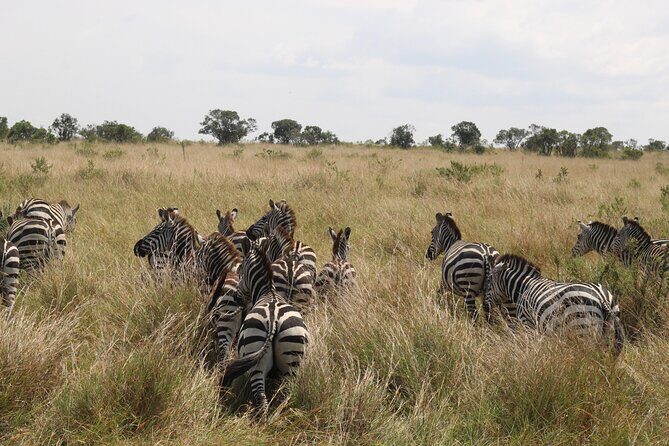
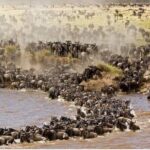
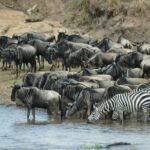
2) timing predator action alongside the wildebeest and zebra migration (when conditions align).
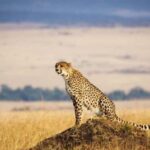
The tour description also notes the migration link between Serengeti and Maasai Mara, and that predators of the savanna follow the herds—lions, cheetahs, jackals, hyenas, and vultures. Even when the migration is not the main show on the day you’re there, you still benefit from the general predator-prey dynamics that play out across the Mara.
You’ll eat while you’re out: the tour includes picnic lunches inside the reserve. That means less time driving back and forth for meals, and more time with your eyes on the ground and the treeline.
The real skill for safari day two is patience. You’re not buying a guarantee. You’re buying access—time, a good route, and a capable driver/guide in a vehicle that can reach areas minivans often can’t.
Tent Camp Comfort: En-Suite Tents, Electricity Nights, and Real Budget Trade-Offs
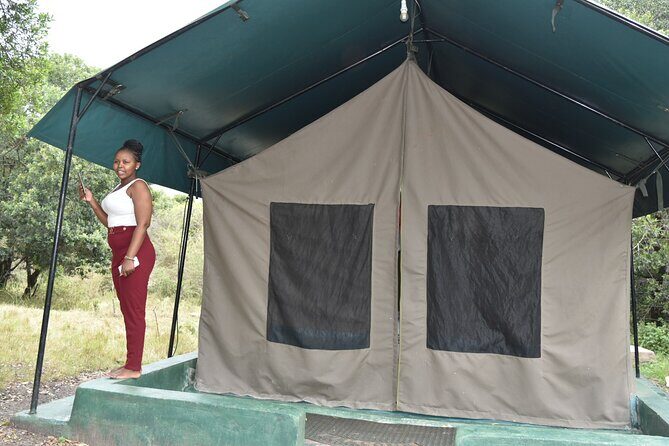
Your overnight setup is a semi-luxury big tent with a big bed and linen, plus a toilet and bathroom inside the tent. Hot water is listed as available, and there’s a common lounge/dining area where you’ll be served hot meals.
The highlights also mention evening electricity, which is a big deal for charging phones and keeping your tent time more comfortable. It’s still camp-style comfort, not a hotel—so pack accordingly and don’t plan on spa-level bathrooms.
One important balance point from the supplied feedback: at least one prior traveler reported disappointment with camp basics, including no warm water, mosquito net coverage that didn’t fully protect the bed, and mold in the bathroom area. That same person also described food as extremely basic and noted there were no electricity adapters.
So what should you do with that information?
- Assume it’s functional, not fancy.
- If hot water, mosquito net coverage, or charging matters a lot to you, contact the operator before arrival and ask how tents are set up on your specific dates.
- Bring your own flashlight/headlamp and consider a power bank, since electricity on safari camps can be helpful but not always constant.
The trade-off you’re making is value. You’re paying to be in the Mara with a good game-drive plan, not for luxury bedding or polished bathroom fixtures.
A few more Nairobi tours and experiences worth a look

Day 3: Maasai Village Culture Around Ololaimutiek and the Ride Back to Nairobi
Day 3 starts with an early breakfast, then checkout. After that, you’ll have an option to visit a nearby Maasai village for a cultural tour at an extra cost of USD 20.
Later on Day 3, there’s also a scheduled stop called Ololaimutiek, described as an area where the accommodation is located, giving you a chance to visit a traditional Maasai village. That stop is labeled with admission ticket free, and it includes cultural context about how the community lives and relates to the land and wildlife.
The cultural info provided here is specific. It explains that for Maasai, cows represent wealth, and it notes a “green” approach to land management. It also references lion-hunting as a traditional rite that is no longer practiced, and it describes a rite of passage for young Maasai men (moran) that involved proving themselves as warriors, plus the famous jumping competitions.
One thing you should do: confirm which village experience you’ll get and whether the USD 20 option is the same event as the Ololaimutiek stop. The details in the itinerary you were given don’t line up perfectly, and it’s worth clarifying so you’re not surprised when the day’s plan is finalized.
The rest of Day 3 is classic wrap-up safari travel: you’ll drive back to Nairobi, have lunch served on the way at a travelers motel, and then be dropped back in the city center/hotel area.
Logistics You’ll Actually Want to Know Before You Go
1) Entrance fees are on you.
Park entrance fees for Maasai Mara are not included. Factor that into your total budget before you arrive, and keep it simple: bring what you’ll need rather than hoping it can be sorted last minute.
2) Timing is early, and being ready matters.
Pickup is scheduled around the early start window, and you’ll want to be waiting on time. One supplied feedback note highlights confusion around pickup timing and that some logistics stops (like fuel and water purchases) can stretch the morning.
So my practical advice: be ready 10–15 minutes before pickup time, keep your essentials packed the night before, and assume the day may run a bit “safari schedule,” not office schedule.
3) Electricity, charging, and adapters.
Evening electricity is included by the tour description, but one traveler reported no electricity adapters. If you depend on charging, bring a charging setup that works with your devices and consider a universal adapter and a power bank.
4) You’re in a tented camp.
The camp setup is meant to be comfortable for a budget safari: toilet and bathroom inside the tent, bed and linens, hot water listed as available, and mosquito nets. Given the possibility of variability, I’d also pack your own mosquito repellent and keep protective clothing handy.
Who This Safari Is Best For (and Who Should Skip It)
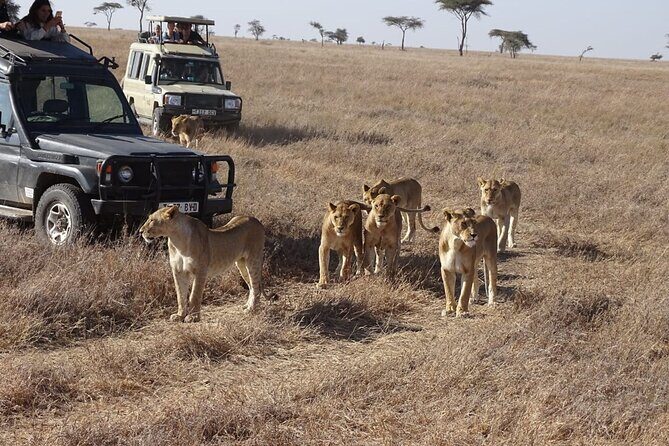
This safari makes sense if you want:
- the Maasai Mara experience without luxury pricing,
- small-group 4×4 access (max seven per Land Cruiser),
- classic wildlife goals: Big Five searching and a chance at migration-related drama,
- and a plan that covers transport, drives, and meals.
It’s also a strong fit for first-timers who want a guided “do it once right” trip. The itinerary is built around getting you into the reserve and keeping you out there long enough to see real wildlife behavior.
Where it might not fit as well is if you’re expecting hotel-grade cleanliness, consistent hot water, and “everything runs like a Swiss train.” One supplied feedback note called out a very basic camp experience and comfort issues like mosquito net coverage and warm water. If those details are deal-breakers, you’ll likely feel happier upgrading to a more premium camp.
Should You Book This Maasai Mara 3-Day Safari?
If you’re hunting for value, time in the Mara, and the small-group 4×4 Land Cruiser feel, this is worth considering. The included meals and transport reduce headaches, and the itinerary gives you two solid game-drive days plus a Mara River start that sets the tone.
I’d book it if you go in with the right mindset: this is a budget safari built for wildlife, not luxury. And I’d book it even more confidently if you confirm the practical comfort items you care about (hot water reliability, mosquito net setup, and charging options) before you pay.
On the fence? Reach out to the operator with two direct questions: what park entrance fees will be due on your dates, and how the Maasai village stop and the USD 20 option work together on Day 3. If those answers check out, you’ll be set up for a fun, focused Mara trip.
FAQ
How much does the Maasai Mara safari cost?
The price is $220.00 per person.
How long is the safari and when does it start?
It’s approximately 3 days, and the start time listed is 7:00 am.
What’s included in the tour price?
Included items are 2 nights accommodation, pickup and drop-off from your hotel or residence within Nairobi CBD, a professional driver/guide, bottled water, transport in a 4×4 Land Cruiser Jeep, and meals (2 breakfasts, 3 lunches, and 2 dinners). Complimentary airport pickup is also included.
Are Maasai Mara park entrance fees included?
No. Park entrance fees are not included and are paid by you.
Do you offer airport pickup?
Yes. Complimentary airport pickup is offered for guests arriving by flight in the morning of Day 1, with pickup time at 6:00 am.
How big is the group in the 4×4 Land Cruiser?
The tour uses Land Cruiser Jeeps with a maximum of seven people per vehicle, and the overall activity is listed as having a maximum of 30 travelers.
What kind of accommodation and meals should I expect?
You’ll stay in semi-luxury big tents with a bed, linen, mosquito nets, and a toilet and bathroom inside. The tour includes meals: 2 breakfasts, 3 lunches, and 2 dinners.
Can I add a balloon safari or visit a Maasai village?
Yes. Balloon Safari is optional and can be organized upon request. There is also an option for a Maasai village cultural tour for USD 20, and a Maasai village stop around Ololaimutiek is listed in the itinerary.
What is the cancellation policy?
Free cancellation is available. You can cancel up to 24 hours in advance for a full refund, and within 24 hours there is no refund.