REVIEW · NAIROBI
3-Day Sweetwaters: Ol Pejeta Conservancy Safari from Nairobi
Book on Viator →Operated by Africa Flash McTours and Travel · Bookable on Viator
Ol Pejeta squeezes top-tier wildlife into just three days. You get tented comfort at Sweetwaters Serena Camp, plus conservation stops that matter.
I love the mix of chimp sanctuary access and the chance to see black rhino up close, not just from far-off fences. One thing to think about: this is a safari-first schedule, so you’ll spend long hours in vehicles and outdoors, even with a private drive.
In This Review
- Key highlights at Ol Pejeta and Sweetwaters
- Why this 3-day Ol Pejeta safari is a smart value
- Price and logistics: what you’re really paying for
- Nairobi morning start: the 7:00 am rhythm
- Sweetwaters Serena Camp: tented luxury with wildlife nearby
- Day 1 at Ol Pejeta: chimps and the black rhino focus
- Day 2: two game drives and a waterhole that keeps paying off
- Day 3: an early drive, then back to Nairobi
- How the private open-roof Land Cruiser experience works
- Wildlife reality check: what you can and can’t count on
- Conservation at Ol Pejeta: why the visits feel different
- Who this safari is best for
- Should you book this tour?
- FAQ
- FAQ
- What does the 3-day tour include?
- Where does the safari start and end?
- What time does the tour begin?
- Is pickup from Nairobi included?
- What wildlife and visits are part of the experience?
- Do I pay extra for park entrance fees and activities?
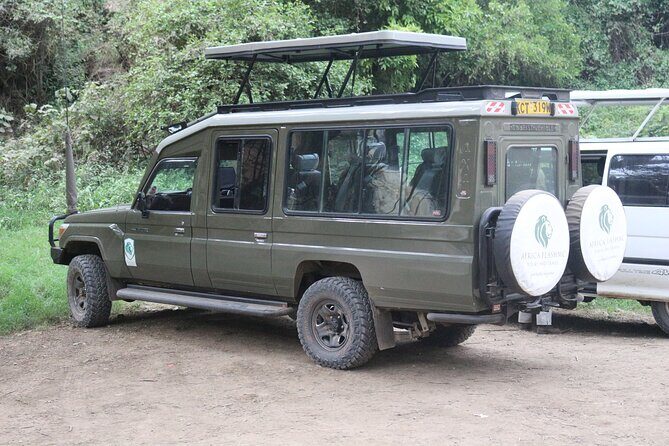
- What type of vehicle is used for game drives?
- Are meals included?
- Is travel insurance included?
- What about cancellation changes?
Key highlights at Ol Pejeta and Sweetwaters
- Jane Goodall Institute chimp sanctuary visit, with a protected setting for orphaned chimps
- Black rhino refuge with 40 animals, inside a fenced protection area
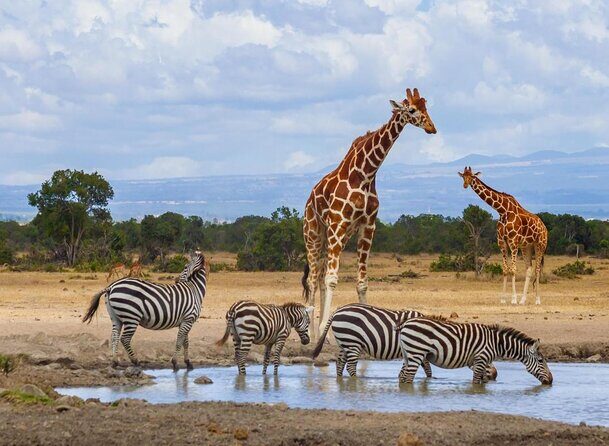
- Sweetwaters Serena Camp watering-hole views, with elephants often close enough to notice
- Two full game drives on day 2, plus an early-morning drive on day 3
- Private open-roof Land Cruiser with an English-speaking guide/driver
- Flying Doctors medical and emergency rescue cover included for peace of mind
Why this 3-day Ol Pejeta safari is a smart value
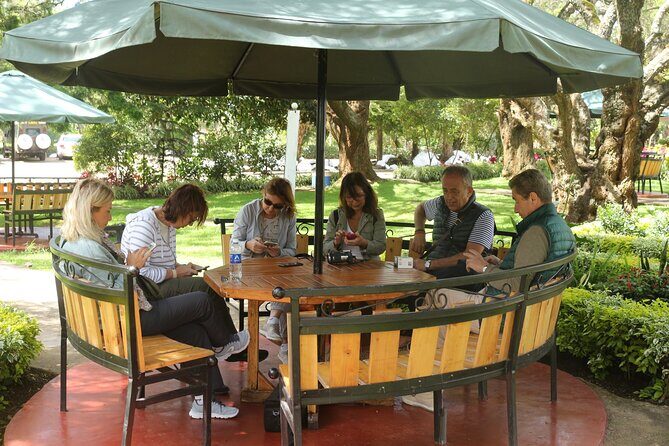
If you’re short on time but want a real safari, this is one of the more efficient ways to do it. You’re not just driving for animals; you’re also visiting sites with clear conservation goals, and then returning to camp at night with wildlife activity nearby.
The pricing is steep at $1,460 per person, but it covers a lot of what normally adds up on safari: transfers, park entrance fees, accommodations for two nights, all meals, and the game drives in a proper safari vehicle. That’s the key point for value—this package reduces the big “surprise bills” that can hit when you piece it together yourself.
A few more Nairobi tours and experiences worth a look
Price and logistics: what you’re really paying for
At $1,460 per person for roughly three days, you’re paying for three things that are hard to replace cheaply:
First, you’re paying for time in the right places. Ol Pejeta is a working reserve where your guide uses the day to target wildlife movement, not just to hit photo stops.
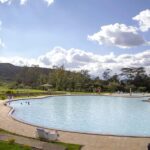
Second, you’re paying for the camp setup. Sweetwaters Serena Camp is a tented luxury experience, not a basic lodge room, and it’s placed where you can watch a busy waterhole.
Third, you’re paying for the comfort and coverage: a private 4×4 Land Cruiser with an open roof, English-speaking guide/driver, plus Flying Doctors medical, emergency, and rescue cover. That last part won’t prevent problems, but it can reduce stress if something unexpected happens.
You’ll also want to budget for what’s not included: travel insurance, visas/passport processing, international flights, and tips for drivers/guides. The tour includes drinking water, but alcoholic drinks and personal extras aren’t listed as included.
Nairobi morning start: the 7:00 am rhythm
The tour starts at 7:00 am, and you’ll get transfers in and out of Nairobi. That early start matters because wildlife is often most active in the cooler morning hours, and you’ll want daylight on your side.
The drive north is part of the experience. You go through tea and coffee estates before arriving at Sweetwaters. It’s a nice palate cleanser from Nairobi: the road moves you from city noise to working farmland and then into the reserve.
If you’re thinking about convenience, this one keeps things simple. Pickup is offered, the tour is private for your group, and you’ll have one driver-guide managing the schedule, transfers, and game drives.
Sweetwaters Serena Camp: tented luxury with wildlife nearby
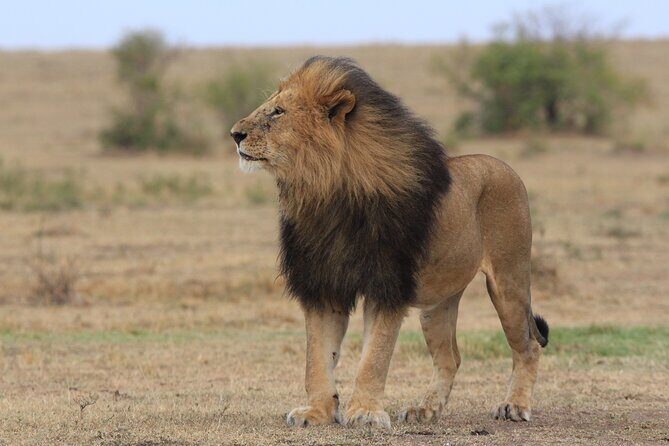
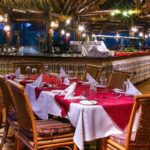
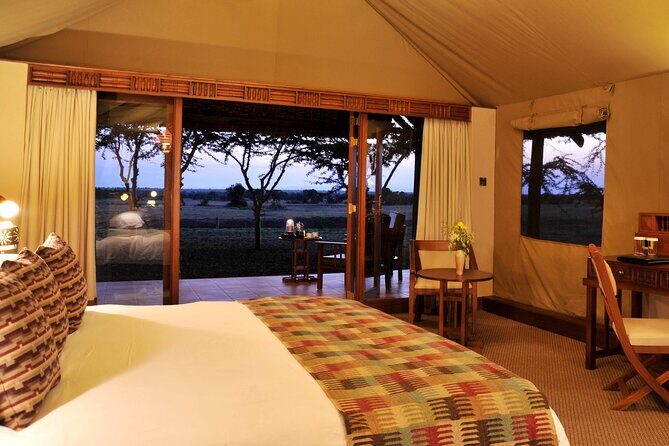
Sweetwaters Serena Camp is built for that classic safari feeling: tented accommodations that still feel like a real “stay,” not a rough camping workaround.
One detail I like is the setting. Sweetwaters land and the surrounding conservancy were once part of Adnan Kashoggi’s private domain. That history isn’t about museum vibes; it’s more about how the property was shaped—open areas, views, and that sense of space.
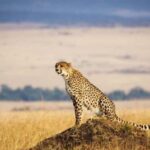
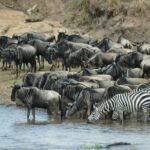
Your camp overlooks one of the busiest waterholes in the area. In safari terms, that’s huge. Waterholes compress wildlife into predictable zones, so even if the big cats keep things mysterious, you can still get consistent action: elephants, giraffe, and plains game moving through the scene.
What you’ll do at camp between drives isn’t over-planned. You’ll use the downtime to reset—shower, relax, and then head out when your guide calls it. Tented luxury is at its best when it gives you a peaceful base, not when it turns into another chore-filled destination.
Day 1 at Ol Pejeta: chimps and the black rhino focus
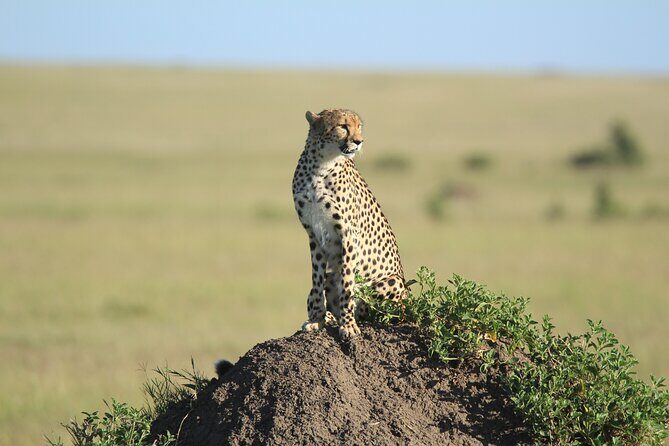
Your first major stop is Ol Pejeta Game Sanctuary, with two conservation anchors: the chimp sanctuary and the black rhino refuge.
The Chimpanzee Sanctuary is a protected space associated with the Jane Goodall Institute, designed to care for orphaned chimps. This isn’t a quick roadside viewing. It’s a chance to see rescue work in action, with chimps in an environment meant for recovery and welfare.
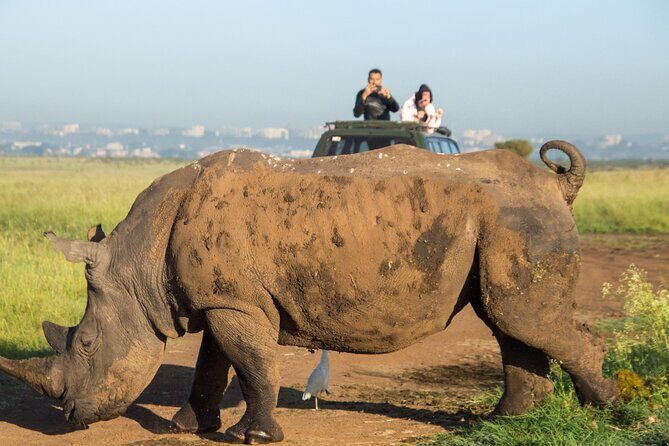
Then you shift to the special fenced refuge for black rhino. Ol Pejeta’s black rhino population is a standout, and the refuge has forty specimens. Rhino viewing here is also one of the reasons people build their Kenya plans around Ol Pejeta. You’re not just hoping for luck; the reserve focuses heavily on rhino protection and habitat management.
A practical consideration: conservation-focused visits can be emotionally intense, but they’re also more meaningful than pure sightseeing. If you care about animals beyond photos, this day hits the mark.
A few more Nairobi tours and experiences worth a look
Day 2: two game drives and a waterhole that keeps paying off
Day 2 is built around two extensive game runs. Translation: you get more time rolling through the reserve when animals are likely to appear, move, and feed.
Because your camp overlooks a busy waterhole, you’ll have another advantage even outside the drives. You can watch for activity from camp, then go out again with fresh eyes. That combination—camp-view wildlife plus guided searching—usually boosts your odds of having at least one “wow” moment even if the first drive is slower.
Game viewing in Ol Pejeta is known for being consistent. It’s often described as having a high ratio of game to area compared with other parks and reserves in Kenya. That’s what you want on a short safari: fewer long stretches of nothing.
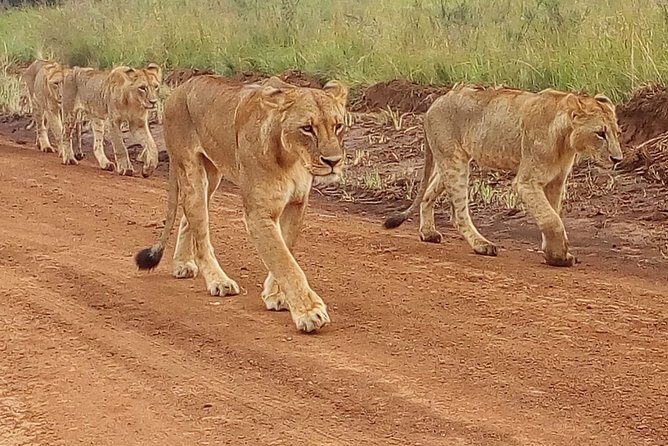
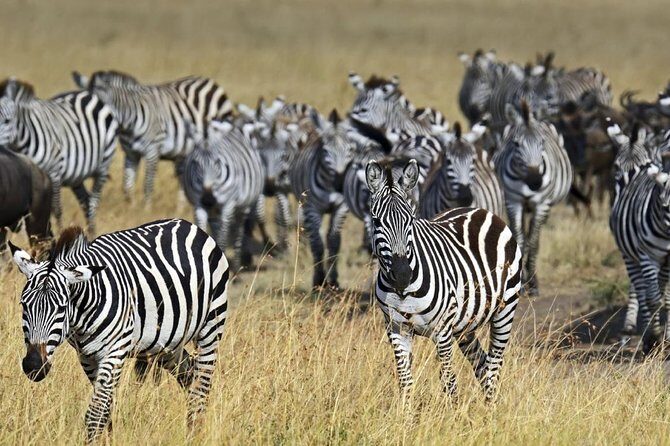
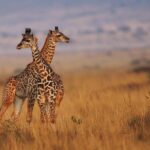
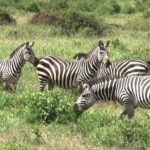
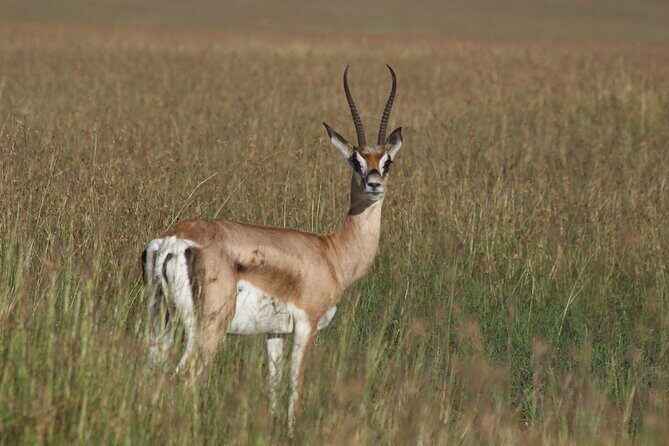
Expect to see elephants, giraffe, and plains game as part of the rhythm of the day. And if Big Five sightings happen, your guide will be positioning for that kind of possibility, not just for general scenery.
Day 3: an early drive, then back to Nairobi
Your last day starts with an early morning game drive in Ol Pejeta. This is where patience usually pays off—morning light and fresh air can change animal behavior fast.
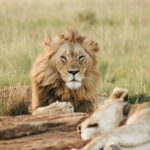
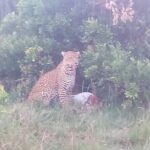
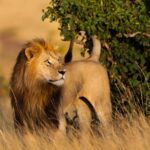
The Big Five are possible here: black rhino (endangered), plus leopard, elephant, buffalo, and lion. The wording around the reserve is clear that Ol Pejeta is home to these animals. Of course, safari means nothing is guaranteed, but having all five groups within one reserve is exactly why this itinerary works for first-timers.
After the morning drive and breakfast, you head back to Nairobi by road. It’s a long travel day, but it’s also a clean ending: you don’t spend your final evening stuck waiting on logistics.
How the private open-roof Land Cruiser experience works
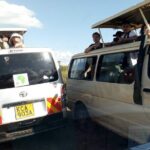
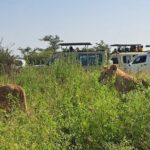
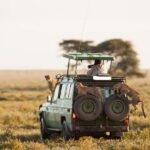
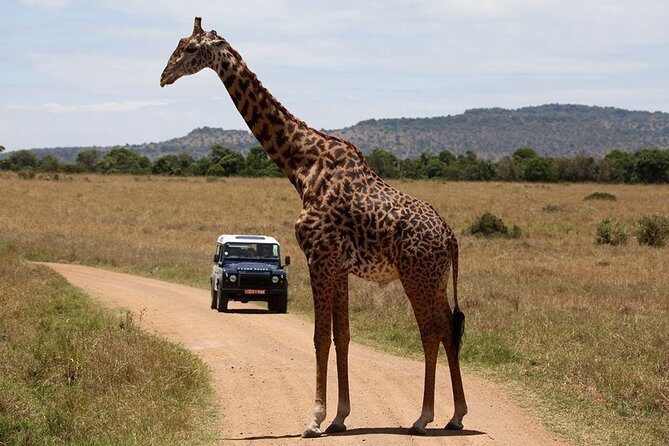
This tour is private for your group, and you ride in a private 4×4 safari Land Cruiser with an open roof. That open-roof setup is a major part of the fun because it changes what you notice: sound, air, and the way dust or heat hits you during a chase or a slow stalk.
Your guide/driver is English speaking, and that matters for interpretation. In safari, animals are only half the story. The other half is understanding behavior—why a rhino might hold still, why a herd might move now, or why your guide decides to stop where they do.
One review note you can treat as a good sign: drivers with long experience can make a huge difference. You may be matched with a driver such as Edward, who’s described as safe, flexible, and cheerful—exactly the tone you want when you’re spending many hours in the vehicle across three days.
Wildlife reality check: what you can and can’t count on
Let’s keep this honest. This tour gives you strong access—Ol Pejeta is known for high wildlife activity and for black rhinos in particular. But safari is always chance plus timing.
Here’s what you can count on more reliably:
- You’ll have multiple chances to spot wildlife because of the drive schedule.
- You’re in a reserve where elephants, giraffe, and plains game are part of the usual picture.
- You’re visiting a black rhino refuge that is designed for protected viewing.
Here’s what you treat as a bonus:
- Leopard and lion sightings, since they depend on movement patterns and where your guide places you.
- Any specific “one animal at one time” promise. Even the best reserve can’t control that.
If you’re planning your expectations, the best approach is to aim for one or two must-dos (for many people it’s rhino and chimps) and stay flexible on the rest.
Conservation at Ol Pejeta: why the visits feel different
What makes this itinerary stand out in a good way is that you’re not only viewing wildlife; you’re also seeing how the reserve and sanctuary system works.
The chimp sanctuary visit connects you to rescue and long-term care, and the black rhino refuge connects you to protection through fencing, monitoring, and habitat management. That means your trip ends up with more meaning than a standard wildlife highlight reel.
Also, the camp’s waterhole setting helps connect conservation and reality. The reserve isn’t just behind the scenes; it’s actively shaping a habitat where animals gather and feed. You’re watching the result of those conservation choices from both inside the sanctuary program and from the wild plains.
Who this safari is best for
This is a great fit if you:
- Want a compact Kenya safari with two nights at a high-comfort tented camp
- Care about seeing black rhinos and visiting a chimp sanctuary tied to rescue work
- Like safari days with enough structure to keep the driving focused
- Prefer private service and an open-roof vehicle rather than a crowded bus tour
It may be less ideal if you:
- Want a very laid-back vacation with short outdoor windows
- Dislike early starts or long seated time
- Need guaranteed sightings of every Big Five animal on schedule
Most travelers can participate, and it’s near public transportation, but the core experience is still remote-country safari time.
Should you book this tour?
I’d book it if your priority list looks like this: rhinos, a serious sanctuary stop for chimps, and a comfortable base with real wildlife activity nearby. The structure is tight, the inclusions are clear, and you’re spending your limited Kenya time in one of the better places for short-safari success.
I’d think twice if you’re looking for a pure “relax and roam” style trip. This is a safari plan, not a beach plan, and your schedule reflects that.
One more practical tip: pack for early mornings and cool-to-warm temperature swings, and bring layers you can handle while sitting quietly for wildlife. On safari, comfort helps you stay patient long enough to see the good stuff.
FAQ
FAQ
What does the 3-day tour include?
It includes all transfers, all accommodation for the tour, all game drives as noted, all meals and drinking water during the trip, and Flying Doctors medical, emergency, and rescue cover. You also get transport in a private 4×4 Land Cruiser with an open roof and an English-speaking tour guide/driver.
Where does the safari start and end?
It starts in Nairobi and includes a return to Nairobi by road at the end of the trip.
What time does the tour begin?
The start time is 7:00 am.
Is pickup from Nairobi included?
Yes, pickup is offered, along with round-trip transport from Nairobi.
What wildlife and visits are part of the experience?
You’ll visit Ol Pejeta’s chimp sanctuary and the black rhino refuge, and you’ll go on game drives in Ol Pejeta with the chance to see animals linked to the Big Five.
Do I pay extra for park entrance fees and activities?
Park entrance fees and included activities are covered in the package. The only optional entrance fees listed are for any activities you choose that are not part of what’s already included.
What type of vehicle is used for game drives?
You’ll travel in a private 4×4 safari Land Cruiser with an open roof.
Are meals included?
Yes. Breakfast (2), lunch (3), dinner (2), and drinking water are included during the tour.
Is travel insurance included?
No. Travel insurance is listed as not included.
What about cancellation changes?
You can cancel for a full refund up to 24 hours before the experience’s start time. Less than 24 hours before start time is not refunded.