REVIEW · NAIROBI
3 Day Masai Mara Budget Joining Safari on 4×4 – Daily Departures
Book on Viator →Operated by Lenchada Safaris · Bookable on Viator
Three days in Maasai Mara flies by. This budget joining safari uses 4×4 game drives and includes round-trip Nairobi transfers plus meals, so you spend less time managing logistics and more time scanning for lions and other predators. The trade-off: the tent camps are basic, and hot water and bathroom quality can be a mixed bag.
I like that it’s a max 15 travelers small group, not a bus load. You’ll start early out of Nairobi, get a quick Great Rift Valley viewpoint break, then settle into the reserve for an evening drive that runs right up to park closing.
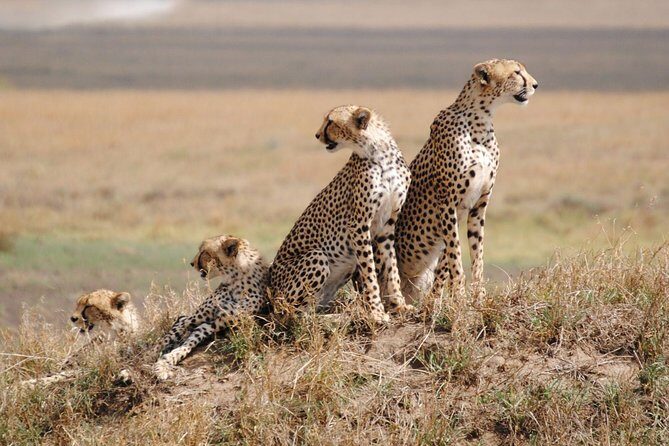
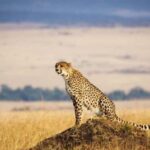
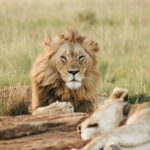
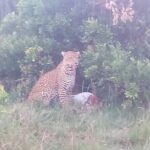
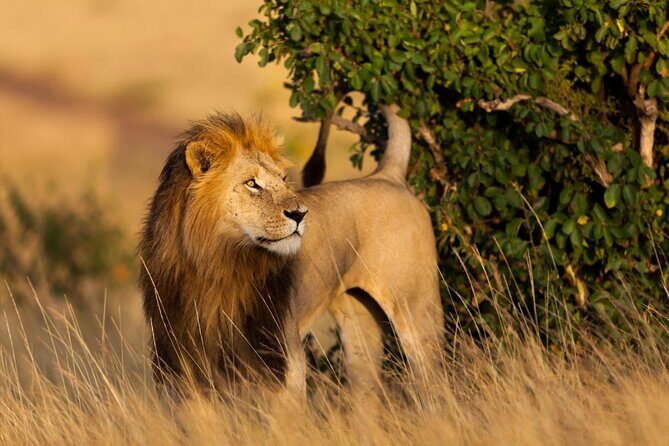
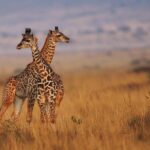
You should come for big-cat chances (lions, leopards, cheetahs are the headline), with Big Five searching as the goal. Rhinos are possible, but with only two full park days, it’s smart to treat any specific animal as a lucky bonus, not a guarantee.
In This Review
- Key things that make this safari tick
- Why This Maasai Mara 4×4 Joining Safari Fits Budget Travelers
- Nairobi Pickup, Rift Valley Viewpoint, and Day 1 Arrival by 3:30pm
- Big Five Searching with a Full Day in Maasai Mara (Day 2)
- Morning Breakfast, Optional Masai Village, and the Nairobi Return (Day 3)
- The Guides: Real Spotting Skills and Friendly, Safe Driving
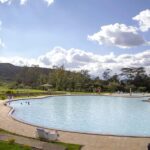
- Budget Camps and Tent Reality: Self-Contained Tents, Basic Comfort
- Animal Expectations in 3 Days: Big Cats Are the Likely Payoff
- Price and Logistics: Is $533.60 Good Value Here?
- Should You Book This Maasai Mara Budget Joining Safari?
- FAQ
- How much does the 3-day Maasai Mara budget joining safari cost?
- Where does the safari start in Nairobi?
- What time does the activity start?
- What is the duration of the safari?
- What group size is this safari limited to?
- Is pickup and round-trip transfer included from central Nairobi?
- Are park admission tickets included?
- What meals are included?
- Is there an optional Masai village visit?
- Do you return to Nairobi on Day 3, and what time?
- What is the cancellation policy?
Key things that make this safari tick
- Game drive timing that favors sightings: Day 1 includes an evening drive until about 6:30pm.
- A real travel day with a Rift Valley photo stop: You pause at a Great Rift Valley viewpoint before pushing on to the Mara.
- Small-group 4×4 energy: Up to 15 people helps keep the safari feeling focused rather than chaotic.
- Guides who do more than point: Names like Dickson, Solomon, Alex, Evans, Wilson, Jeff, Moses, and Raymond come up for strong animal spotting and explanations.
- Budget tent camping, with some comfort caveats: You get self-contained tents, but hot showers and toilet situations can vary by camp.
Why This Maasai Mara 4×4 Joining Safari Fits Budget Travelers

This is a value-forward safari: you’re paying $533.60 per person for a 3-day trip that bundles transportation from Nairobi, meals (breakfast, lunch, dinner), and multi-day time in Maasai Mara National Reserve. For many first-timers, the biggest win isn’t the price alone—it’s that you’re not stuck coordinating separate hotels, park entry, and transfers.
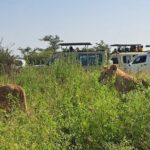
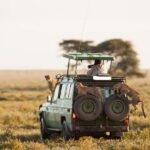
The “joining safari” format also matters. A group capped at 15 means you’re more likely to get a smooth rhythm with your driver and fellow passengers. Your game drives are guided, and the vehicle is built for getting down the Mara roads (a key point in this part of Kenya where off-road matters).
One more practical upside: you get a mobile ticket (plus pickup is offered). That combination tends to reduce “where do I go?” stress on arrival day. If you’re coming from the airport, there’s an upgrade option for airport pickup—worth it if Nairobi traffic is going to eat your patience.
A few more Nairobi tours and experiences worth a look
Nairobi Pickup, Rift Valley Viewpoint, and Day 1 Arrival by 3:30pm
Day 1 starts with an early pickup from your Nairobi hotel area, moving you to an assembling point around 8:00am. The safari drives out around 8:30am, with a brief stop at the Great Rift Valley viewpoint. It’s short, but it’s a nice reset: you trade the city noise for real scale and big skies before you even reach the reserve.
Lunch is planned via Narok Town, then you arrive in Maasai Mara around 3:30pm. That timing is important. You’re not just rushing in at dark. You check into your budget tented camp and get a chance to refresh before you head out again.
Then comes the part you’ll feel most in your bones: an evening game drive inside the reserve, running until about 6:30pm, when the park closes. In Maasai Mara, evenings are prime for predator action and lots of movement—so squeezing that full closing-time window can make the day feel “complete,” even if you lose a couple of hours to driving on arrival.
What to watch for on Day 1: your first long day is a road day plus a partial park day. If you’re someone who hates early mornings, prepare to be awake before your brain is fully online. Bring water and snacks you can access easily in the vehicle, and plan for a slower energy level after check-in.
Big Five Searching with a Full Day in Maasai Mara (Day 2)
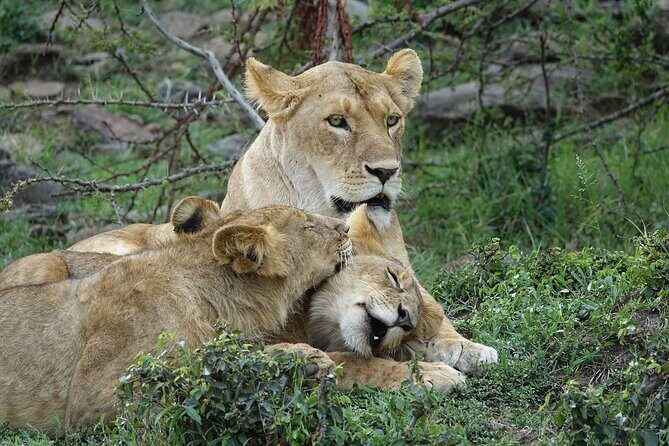
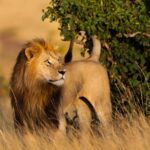
Day 2 is the main safari engine. You’re in the reserve for a full day hunting for the Big Five—with the realistic Mara emphasis on the “big cats” that Maasai Mara is famous for. Lions are often the easiest of the predators to locate, while leopards and cheetahs are more about the right time and the right vehicle positioning.
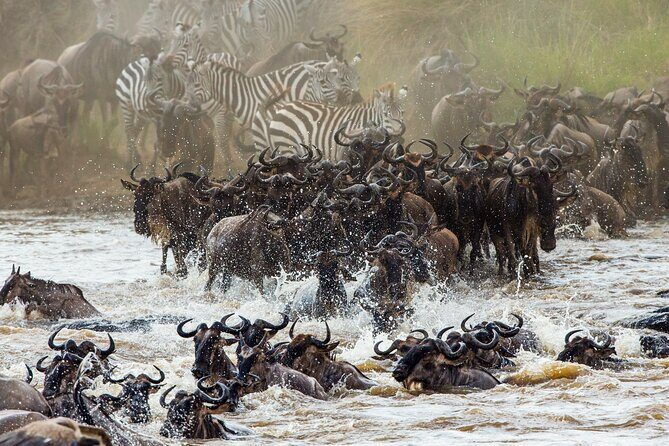
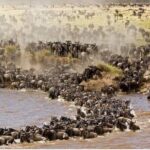
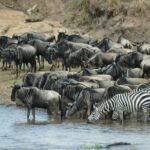
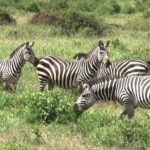
This is also where seasonal context helps you set expectations. The region’s famed Great Migration cycles through July to October, involving zebra, Thomson’s gazelle, and wildebeest moving to and from Tanzania’s Serengeti. Even outside peak season, you still get the Mara’s year-round rhythm: predators tracking prey, herds shifting across open plains, and constant smaller wildlife activity that makes the hours feel packed.
Meals and an overnight stay happen on the ground during Day 2, which keeps you from wasting time commuting back to Nairobi. That’s a real value point: safari time isn’t just “nice to have.” It’s the only ingredient that increases the odds of better sightings, better light, and the chance to circle back to interesting areas.
How to get more out of Day 2 (without needing to be an expert):
- Be ready to look far. Predators often show up as motion first, detail second.
- Pay attention to where other cars are positioned, but don’t assume that equals a guarantee—your driver still has to make the call.
- If you spot something, keep watching the surrounding edges too. In Mara, that’s where the second act happens.
Morning Breakfast, Optional Masai Village, and the Nairobi Return (Day 3)
Day 3 keeps things practical. You start with an early breakfast, then check out of camp and head back toward Nairobi, again with Narok Town built into the return drive for lunch. You’re scheduled to arrive in Nairobi around 3:30pm and get dropped back at your hotel.
There’s also an optional Masai village visit available on this day. If you care about more than animals, this is the easiest add-on: it gives you a chance to see culture beyond the safari vehicle windows. Just keep your expectations grounded—this is an option layered into a safari day, not an all-day cultural immersion program.
The biggest Day 3 value is that you’re not left stranded. Many short safaris end with a long final drive and no clear “landing” in town. Here, the return is timed so you still get daylight in Nairobi and a direct hotel drop-off.
The Guides: Real Spotting Skills and Friendly, Safe Driving
In a safari, the guide isn’t a decoration. They interpret the land, they read animal behavior, and they manage the vehicle on rough ground while respecting park rules. This trip has strong proof points from named guides and the way they work.
You’ll hear standout mentions of guides like Richard, Dickson, Solomon, Alex, Evans, Jeff, Moses, Raymond, Wilson, and Sadam/Abdul. What these names have in common is that people credit them with:
- helping find animals efficiently across a huge park,
- sharing lots of animal facts and Kenya context,
- staying professional with vehicle behavior (including following park rules),
- and making the drive feel smoother and less stressful.
One especially telling example from the safari experience: at least one guest described their guide arranging help when a traveler twisted an ankle. That’s not the kind of thing you plan for, but it’s a signal that the guide is paying attention to your real needs, not just the next animal sighting.
If you’re choosing between safari operators or versions, this is the part I’d put highest weight on. A great driver can turn an average day into a memorable one by knowing where to look and when to wait.
A few more Nairobi tours and experiences worth a look

Budget Camps and Tent Reality: Self-Contained Tents, Basic Comfort
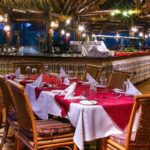
Your accommodation is a budget tented camp setup with self-contained tents. That sounds straightforward, and it is—but “budget” changes the comfort level. Some experiences on this route describe:
- limited hot showers that can be manual,
- and in a few cases, toilet facilities that weren’t working like you’d expect at home.
There’s also a hint of inconsistency: one accommodation complaint pointed to a mix-up where a different camp stay was planned but an overbooking error affected what people ended up with. In other words, don’t assume your tenting experience will be identical to someone else’s.
So how do you protect your comfort?
- Keep expectations realistic: you’re paying for safari time and meals; lodging is a functional base.
- Pack for basic camping conditions: a headlamp can help at night, and you’ll want a way to handle shower routines if water is limited.
- If you’re sensitive to bathroom comfort, treat the tented camp as “expectations management required,” not “hotel mode.”
The flip side is that many people still describe tent camping as part of the magic—living close to the wild, with the day’s sights fresh in your head when you settle in.
Animal Expectations in 3 Days: Big Cats Are the Likely Payoff
The safari promotes seeing lions, leopards, and cheetahs, and it also targets the Big Five. In 3 days, you’ve got a good shot at predator action, but you don’t control the Mara’s mood. Animal behavior is weather-driven, season-driven, and plain old luck-driven.
Here’s how I’d frame it for your planning:
- Lions and general predator activity are the most likely wins on a short schedule.
- Cheetahs can show up if the hunt and visibility line up.
- Leopards are often harder, because they’re quieter and timing matters.
- Rhinos are possible, but with limited time, you should not build your trip around a rhino sighting happening on command.
One guest even joked about the trip being more of a big-cat focused hunt than a guaranteed Big Five check. I take that as a useful reminder: treat this as an experience designed to maximize time in the reserve and good odds—then let the Mara deliver what it wants to deliver.
Price and Logistics: Is $533.60 Good Value Here?
For $533.60 per person, you’re getting a bundled package:
- Nairobi-area pickup and return drop-off,
- multi-day time in Maasai Mara with 4×4 driving,
- meals included (breakfast and dinner for multiple days, plus lunch),
- and admission is listed as free.
The strongest value logic is simple: safari operators charge extra for the “hard parts” (transport, guiding, and arranging the overnight camping base). When those are included, you’re not paying separate line items that quietly add up.
If you’re comparing options, look at what’s actually in the deal. This one leans into the essentials. The cost doesn’t pretend it’s luxury. It’s paying for access to the reserve, enough days to have a real chance at sightings, and the convenience of guided transfers.
Should You Book This Maasai Mara Budget Joining Safari?
Book it if:
- you’re doing your first safari and want a small-group feel,
- you care more about being on the plains and in the reserve than about five-star lodging,
- you want a guide who can spot animals and explain what you’re seeing,
- and you’re okay with tent camping being basic.
Consider a different option if:
- hot showers and toilet comfort are high on your must-have list,
- you want a guaranteed Big Five experience with rhinos on schedule,
- or you dislike long early starts and full-day driving without many breaks.
If you do book, go in with the right mindset. The best way to “win” a 3-day Mara safari is to take your time, trust the guide’s judgment, and remember that the reserve rewards patience as much as it rewards searching.
FAQ
How much does the 3-day Maasai Mara budget joining safari cost?
The price is $533.60 per person.
Where does the safari start in Nairobi?
It starts at Lenchada Safaris, Lakshama House, Biashara St, Nairobi, Kenya.
What time does the activity start?
The start time is 7:00am.
What is the duration of the safari?
It runs for about 3 days.
What group size is this safari limited to?
The maximum group size is 15 travelers.
Is pickup and round-trip transfer included from central Nairobi?
Pickup is offered, and round-trip transfers from central Nairobi are included.
Are park admission tickets included?
Admission ticket is listed as free.
What meals are included?
Dinner (2), breakfast (2), and lunch (3) are included.
Is there an optional Masai village visit?
Yes, there is an optional Masai village visit on Day 3.
Do you return to Nairobi on Day 3, and what time?
You arrive back in Nairobi around 3:30pm on Day 3 and get dropped off at your hotel.
What is the cancellation policy?
You can cancel for free up to 24 hours in advance for a full refund.