REVIEW · NAIROBI
3-Day Maasai Mara Sharing Safari in a 4×4 Land Cruiser Jeep
Book on Viator →Operated by Zazu Safari Ventures · Bookable on Viator
A trip to Maasai Mara is chaos in the best way. This 3-day sharing safari mixes classic game drives with a quick Rift Valley viewpoint stop, then follows it up with tented camping at Lenchada Tourist Camp and optional Maasai village time. It’s also run as a small group capped at 15, so you’re not stuck with a giant bus vibe.
Two things I really like about this style of safari: the hotel transfers inside Nairobi CBD make it easy to start, and the pacing gives you multiple chances at wildlife with morning and afternoon game drives, plus a Mara River day. One thing to think about first: it is fast-paced for three days, and the camp setup is basic/rustic, not a luxury lodge.
In This Review
- Key things that make this safari worth your attention
- From Nairobi CBD at 7:00am to the Great Rift Valley viewpoint
- Day 1: Maasai Mara check-in, afternoon game viewing, and Lenchada Tourist Camp
- Day 2: Mara River and the Big Five hunt with picnic lunches
- Day 2 plus: Why the full-day structure works for first-timers
- Day 3: Early drive back to Nairobi plus an optional Maasai village tour
- Guides, vehicles, and why “clean and prompt” matters in the bush
- Food and comfort: what “buffet and picnic” really feels like
- Price and value: is $244 per person a good deal?
- The main trade-offs to know before you book
- Should you book this Maasai Mara sharing safari?
- FAQ
- Where does the tour start?
- How many days is the safari?
- How big is the group?
- What’s included in the price?
- Are park fees included?
- Is airport pickup or drop-off included?
- Do I get to visit a Maasai village?
- What kind of accommodation is provided?
- Is alcohol included?
Key things that make this safari worth your attention
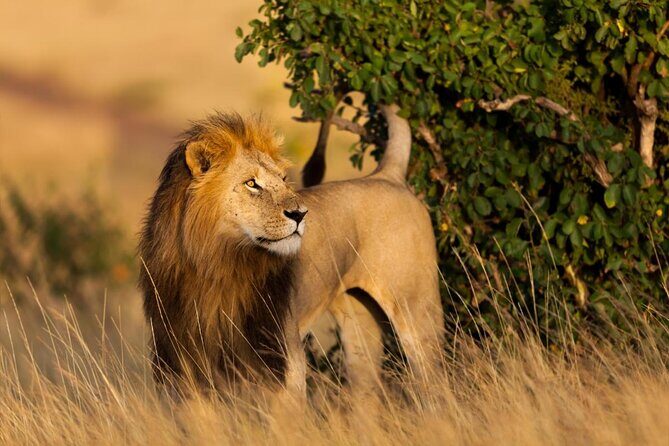
- Small group size (max 15): easier spotting and less crowding during drives.
- Rift Valley viewpoint stop: a quick but memorable photo break on the way out of Nairobi.
- Tented campsite with en-suite bathrooms: you still get comfort, just not hotel-level polish.
- Full-day Mara River drive with picnic lunches: a great way to target hippos and crocodiles near the banks.
- Optional Maasai village visit (Ololaimutiek): cultural time tied to local life and land management.
- Included meals on safari days: breakfast, lunch, and dinner are handled, so you’re not hunting food in the bush.
From Nairobi CBD at 7:00am to the Great Rift Valley viewpoint
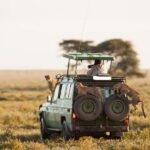
The day starts early, with the tour meeting at City Market, Muindi Mbingu St, Starehe, and a 7:00am start time. You’ll transfer in a 4×4 Land Cruiser with a professional driver-guide, plus bottled water in the vehicle. That little “airport not included, but CBD pickup is” detail matters, because it keeps the trip simple if you’re already in Nairobi city.
Right after pickup, you’ll stop at the Great Rift Valley Viewpoint. It’s described as a stunning panorama of the Rift Valley floor, and you’ll also get a distant view of Mount Longonot. This is a “stretch your legs and get your bearings” moment. For many first-timers, it’s the shock of realizing Kenya’s geography is way bigger than the wildlife headlines. You’re looking at an enormous fault-line system that stretches for thousands of kilometers, with volcanoes, lakes, and rocky hills shaping what you see.
One practical thing: because the viewpoint is short (about 15 minutes), treat it like a quick refuel stop. If you want the best photos, be ready when you arrive—don’t plan on a full walkabout.
A few more Nairobi tours and experiences worth a look
Day 1: Maasai Mara check-in, afternoon game viewing, and Lenchada Tourist Camp
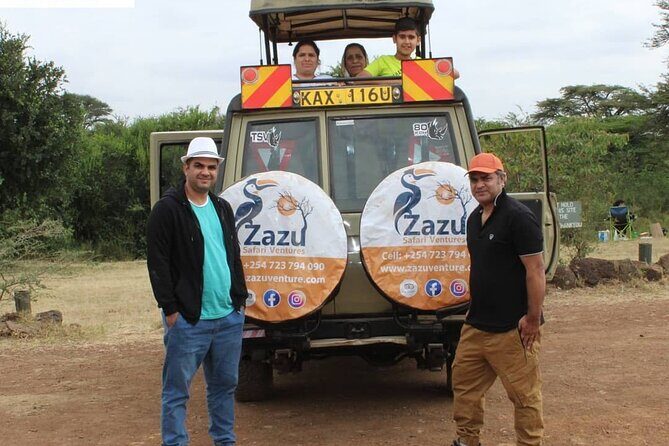
Once you leave Nairobi, lunch is served along the way, then you’ll check in to camp and head out for an afternoon game viewing session. That timing is smart. The light in the late afternoon is often good for viewing and photography, and it’s long enough to get a real feel for how animals use the open space.
Then you return for a buffet dinner at Lenchada Tourist Camp, where the plan includes a rest-focused evening. Several safari-goers describe the camp as basic/rustic, but with a big plus: the tents have beds plus shower/toilet in the tent, and there’s hot water. In other words, you’re camping, but you’re not roughing it in the “hope for the best” sense.
What I’d watch for on Day 1 is expectations. Three days can be amazing, but Maasai Mara is huge. Even with a great driver, you’re never guaranteed all the stars in one afternoon. Still, this day sets you up for the main event: Mara River and the full-day drives.
Day 2: Mara River and the Big Five hunt with picnic lunches
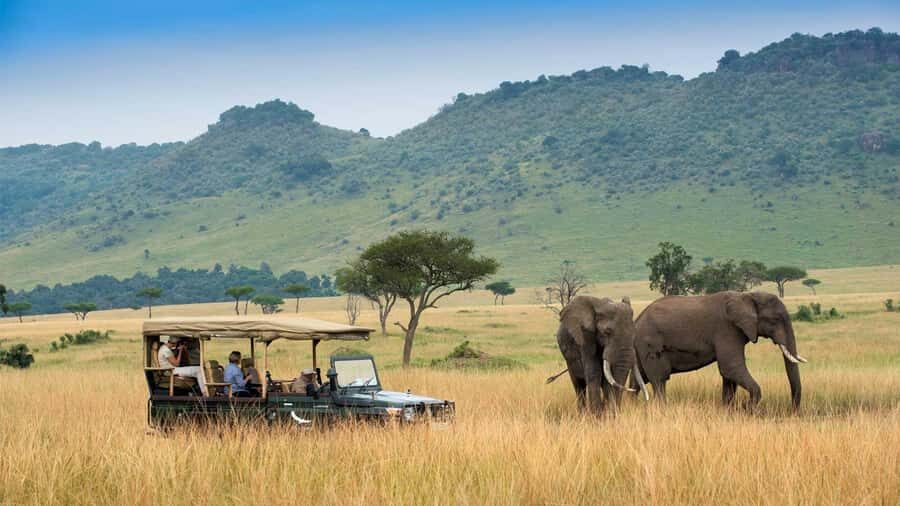
Day 2 is the heavy hitter. You start early with breakfast at 6:00am, then head out for a full day of game driving. The rhythm is: morning sightings, then a picnic lunch inside the reserve, then more driving after.
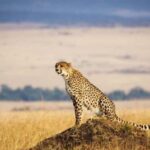
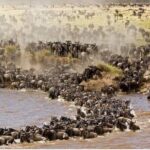
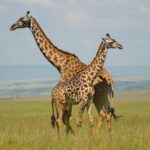
A key part of the plan is the Mara River segment. The banks are where you often find resident hippos and crocodiles, and the river area is also where wildlife activity can intensify. Even when you’re not watching migration scenes, the river creates natural “stops” for animals, and your driver can aim the vehicle where that action is.
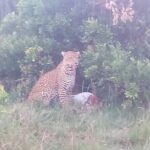
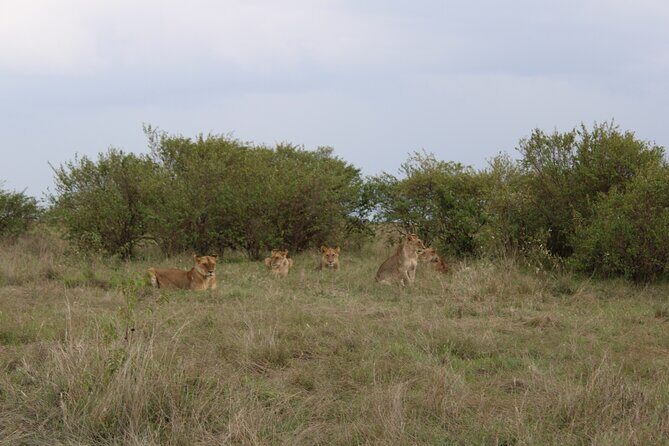
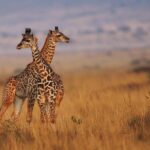
If you’re chasing the Big Five, the tour’s structure is designed to give you more chances by repeating driving blocks over two separate days rather than one long day only. You do have a real shot at seeing major species during this timeframe, but remember the honest truth: rhino sightings in particular can be tough and timing-dependent. The good news is that this tour gives your guide time to keep searching.
Also, this day can be long, and that’s not a complaint, just math. Maasai Mara is a wide canvas. The faster you move through it, the more you see in three days. One person even said it felt fast-paced, and their advice was to consider a longer trip if you can. That’s not a downside of the operators so much as the reality of the ecosystem.
Day 2 plus: Why the full-day structure works for first-timers
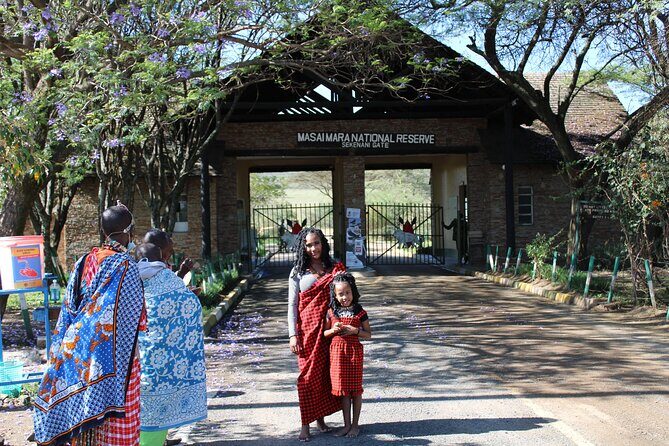
Here’s why this format clicks for many people: when you’re on a short itinerary, you want your best wildlife hours to be repeatable. This tour uses early morning and daytime driving rather than “late start” schedules that waste the best light.
It also puts you in position for different viewing styles:
- morning for movement and active feeding,
- midday and afternoon for calmer scanning and close animal behavior.
And because it’s a sharing safari with a cap of 15, you get a group dynamic that stays manageable during stops. That matters when your driver finds a spot where animals are comfortable and visible.
Day 3: Early drive back to Nairobi plus an optional Maasai village tour
On Day 3, expect an early breakfast, then check-out and a drive back to Nairobi. Lunch is served on the way at a travellers motel, and you’ll be dropped back in Nairobi’s city centre.
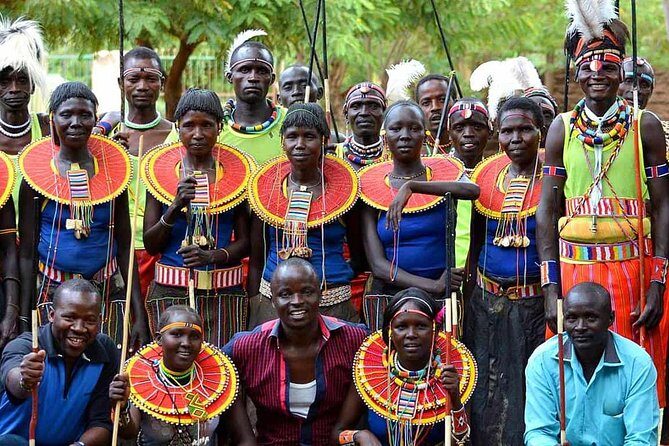
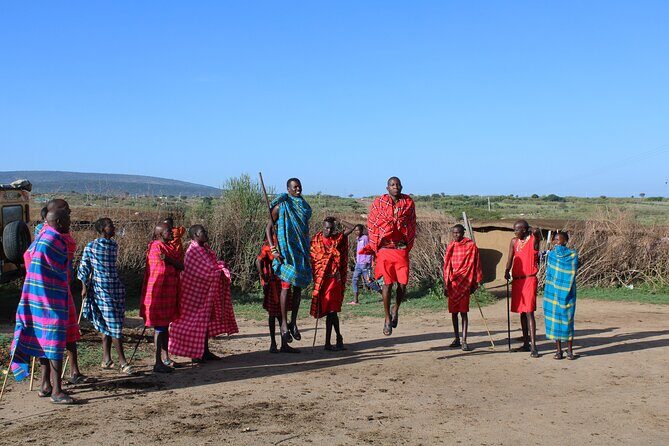
The other big decision on Day 3 is the optional Maasai village cultural tour. You’ll head toward the Ololaimutiek area for the chance to visit a traditional community and learn how local people live alongside the wildlife. The tour focuses on everyday life and shared history: how livestock relates to wealth (cows are wealth), how land management can be more “green,” and the cultural importance of rites and ceremonies.
A few specific cultural notes included in the itinerary are worth knowing before you go:
- Lion-hunting is described as a traditional rite, but no longer practiced.
- In the past, young Maasai men were known as moran (warriors) and proved themselves through ritual practices involving iron spears.
- There’s also a cultural highlight around jumping contests, where Maasai are said to be hard to beat.
Keep it respectful. A cultural visit is not a wildlife show, and the best way to get a good experience is to ask patient questions and listen.
A few more Nairobi tours and experiences worth a look
Guides, vehicles, and why “clean and prompt” matters in the bush
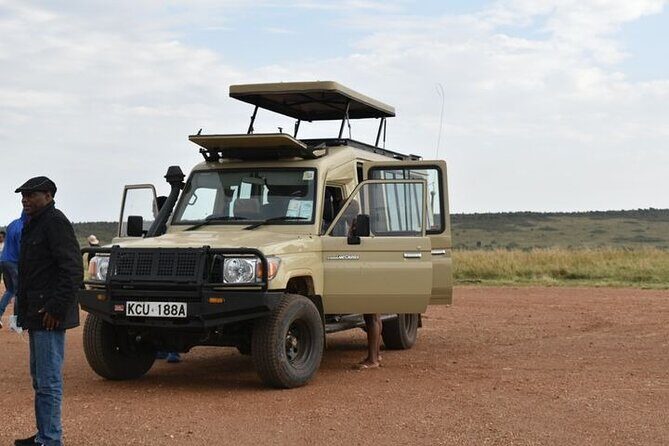
Your driver-guide can make or break a short safari. The reviews attached to this tour repeatedly praise guides who are attentive and who really know where to look. Names that come up include Chris, Joel, Nathan, James Gichina, Moses, Paul, and Amos.
Even if you don’t get the same guide name, the standard the operator is aiming for shows up in the details:
- the vehicle is described as clean,
- pickup and drop-off are described as on time,
- guides are proactive about stopping when animals appear, so you don’t just roll past the moment.
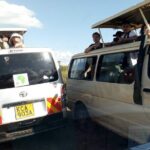
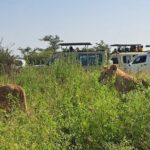
And since this is a small-group Land Cruiser safari, the vehicle setup helps. You’re not wrestling with cramped seating and long waits while everyone shuffles to the window. That means when the driver spots something, you can be ready quickly.
Food and comfort: what “buffet and picnic” really feels like
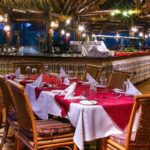
The meals are included for two breakfasts, two lunches, and two dinners. On safari days, that means buffet dinner at camp and picnic lunches inside the reserve. These meals are clearly set up for convenience and energy, not fine dining.
Multiple comments describe the food as good and filling, but not gourmet. That’s normal for safari-style camping. What you want is consistency: hot food, enough variety for different tastes, and a place to sit down without stress.
For comfort, the standout is the tent setup at Lenchada Tourist Camp. People describe:
- comfortable beds,
- shower, toilet inside the tent,
- hot water.
So you can sleep like a person, not like a backpacking ghost.
Price and value: is $244 per person a good deal?
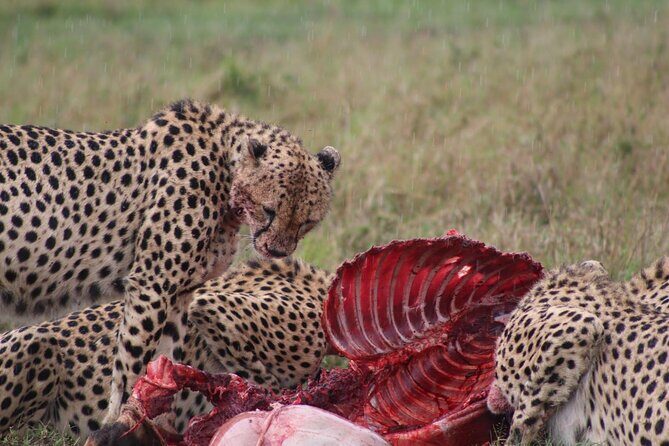
At $244 per person for about three days, the price becomes easier to judge when you look at what’s included. You get:
- two nights accommodation in tents with en-suite bathrooms,
- round-trip Nairobi CBD transfers (pickup and drop-off),
- a professional driver-guide,
- game drives during the safari days,
- bottled water in the vehicle,
- breakfasts, lunches, and dinners while on the itinerary.
What’s not included is the big variable for many budgets: park fees per entry (and it’s split by January–June vs July–December), plus alcohol. The tour also notes that airport pickup/drop-off is not included, though you can upgrade to include it.
So here’s the value logic I use:
- If you’d otherwise pay separately for transport, guides, and meals, this package keeps it predictable.
- If your budget needs park fees added, plan for the total cost and confirm the season-based entry fees before you assume the quoted price is all-in.
Also, the operator offers free cancellation up to 24 hours in advance, which is a nice safety valve if your Nairobi plans shift.
The main trade-offs to know before you book
This safari has a clear “fit” and a clear “not for everyone.”
Best fit if you:
- want a short safari that still includes multiple drive sessions,
- prefer small group travel,
- like the mix of wildlife and optional culture,
- can handle rustic camping with actual bathroom comfort.
Not ideal if you:
- want a super relaxed, slow-moving trip,
- need luxury accommodation and high-end dining,
- have a strict schedule because the itinerary is built around early starts and return timing.
One review also hinted at the idea that three days can feel quick across a massive reserve. That’s not a deal-breaker; it’s a reality check. If you can stretch to more days later, Maasai Mara is the kind of place where extra time pays off.
Should you book this Maasai Mara sharing safari?
I think it’s a good booking for the right traveler. If your priority is maximizing wildlife chances in a short window, and you’re happy with tent camping that still includes a shower/toilet in the tent, this plan is a solid way to do Maasai Mara without turning the trip into a logistics puzzle.
I’d book it if you like:
- small-group driving in a clean 4×4 Land Cruiser,
- early starts for better viewing,
- and a little cultural context through an optional Maasai village visit in the Ololaimutiek area.
I’d hesitate only if you’re the type who really wants slow and luxurious. This is a practical safari built for seeing animals, not for lounging.
FAQ
Where does the tour start?
It starts at City Market, Muindi Mbingu St, Starehe, Kenya, with the activity meeting at 7:00am.
How many days is the safari?
It runs for 3 days (approx.).
How big is the group?
The tour is capped at a maximum of 15 travelers.
What’s included in the price?
The package includes 2 nights accommodation, pick-up and drop-off to your hotel within Nairobi CBD, a professional driver guide, bottled water, and meals (2 breakfasts, 2 lunches, 2 dinners).
Are park fees included?
No. Park fees per entry are not included (and they vary by season, January–June vs July–December).
Is airport pickup or drop-off included?
Airport pick up/drop-off is not included, but there is an upgrade option.
Do I get to visit a Maasai village?
Yes, there’s an optional visit to a Maasai village near Ololaimutiek for a cultural tour.
What kind of accommodation is provided?
You sleep at a tented campsite with en-suite bathrooms.
Is alcohol included?
No. Alcoholic drinks are available for purchase and are not included.