REVIEW · NAIROBI
Nairobi: Kibera Street Art Tour with Local Artists
Book on GetYourGuide →Operated by Sun Valley Art Collective · Bookable on GetYourGuide
Street art in Kibera has living context. On this Nairobi walk, I love how guides like Saviour and Tony from the Sun Valley Art Collective frame every mural as a real-life story, not a photo prop.
Two specific things I like a lot: you get conversations with young artists who grew up in Kibera and hear how their work connects to community education, health, sports groups, and creativity programs. And you’ll likely enjoy street-food stops along the way, with snacks offered during the walk.
One thing to plan for: it’s still a 150-minute walking route. It isn’t suitable for wheelchair users or people with mobility impairments, and you’ll be moving through everyday lanes where you’ll want good shoes.
In This Review
- Key things you’ll notice on this Kibera street art tour
- Why Kibera’s murals hit harder with Sun Valley artists
- Meeting outside Gateway Supermarket: quick, practical, and easy to find
- The Jamhuri estate route: murals, collectives, and daily-life context
- The studio stop: where the art is made, not just shown
- Street-food samples: an easy way to slow down and connect
- Buying art directly: what $45 really helps with
- Guides and group size: why the conversations feel real
- Finishing near HOF Gallery Kibera and Olympic stage
- Practical stuff you should bring (and the rules you’ll actually use)
- Who this Kibera street art tour is best for
- Should you book the Kibera Street Art Tour with Local Artists?
- FAQ
- Where is the meeting point for the Kibera street art tour?
- How long is the tour?
- How many people will be in my group?
- What languages are the tours offered in?
- Are street food samples included?
- Can I buy artwork during the tour?
- Where do you finish the tour?
- Is the tour suitable for wheelchair users?
- When can I take photos?
- What should I bring with me?
Key things you’ll notice on this Kibera street art tour
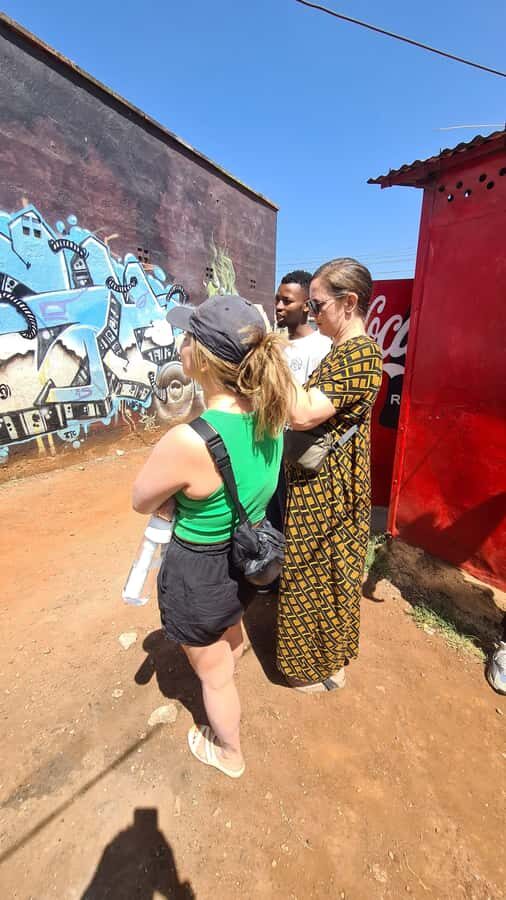
- Local guides who know Kibera from the inside and explain the art as part of their daily reality
- Murals plus artist collectives along the route, not just a few big “must-see” walls
- Studio time with Sun Valley artists, where you can see work being made and sold
- Street-food samples on request during the walk (ask for them)
- Direct buying from local artists, so your money goes to creators, not a middleman
- Respect-first walking, including guidance on when photos are appropriate as people go about their day
Why Kibera’s murals hit harder with Sun Valley artists

Kibera street art can be misunderstood when it’s treated like a theme park. This tour fixes that. You’re guided by artists from the area—members of the Sun Valley Art Collective—so you’re hearing the story from the people who live with it every day.
What stands out is the tone. The guides talk like ambassadors, but also like neighbors. In the conversations, the murals become a way to explain community organizing, daily challenges, and the motivation behind making art in a crowded, fast-moving place. It’s not just what’s on the wall—it’s why that wall exists.
You also get the human side: the personal connection to art. One highlight is how the artists describe their lifelong love of making work, and the effort to channel that passion into positive change in their community.
You can also read our reviews of more tours and experiences in Nairobi.



Meeting outside Gateway Supermarket: quick, practical, and easy to find

You start outside Gateway Supermarket on Kibera Station Road. The location is described as safe, but the big practical detail is transport: there’s no parking there, so you’ll want to arrive by Uber or taxi.
Since this is a walking tour through a working neighborhood, show up ready to move. The best way to enjoy the tour is to keep things simple—comfortable shoes, a hat if the sun is doing its thing, and water.
If you’re trying to plan your timing in Nairobi, aim to arrive a little early. That gives you a buffer for finding the right spot and meeting your guide without rushing.
The Jamhuri estate route: murals, collectives, and daily-life context

After meeting, you walk into Kibera together. This part is about seeing how art sits inside lived space: murals, paintings, and creative corners tied to local collectives and studios.
You’ll also get stops that matter for understanding. One scheduled segment is a visit to a special stop for about 30 minutes—a chance to slow down, look closer, and take in something the route points out as worth your time. (The exact focus can vary, but it’s built into the tour so you don’t feel like you’re only sprinting between walls.)
Along the way, the guides point out more than visuals. They explain the context behind the works and the perspectives of the artists who made them. That’s the real value: the difference between reading a mural and understanding what the mural is responding to.
And yes, you’ll be passing people who are going about their daily lives. You’ll get reminders to stay respectful, and the tour guides will tell you when it’s okay to take photos.
The studio stop: where the art is made, not just shown
A big reason to book this tour is the inclusion of a studio visit. You’re not only seeing street-level artwork; you’re getting a look at how the collective works and how the creators talk about their own role in the community.
In the studio, you may see a mix of artworks made by collective members and objects connected to recycling and materials. Based on what I’ve heard from past tours, it can include pieces made from recycled metal, and other creative work displayed for sale.
You also have a chance to connect the dots between the murals you saw outside and the work happening indoors. That makes the whole experience feel coherent. The art isn’t random. It’s part of a system of making, sharing, and supporting community life.
Street-food samples: an easy way to slow down and connect

The tour includes street food samples on request. That means you won’t be forced to eat, but if you want local snacks as you go, you can ask.
This is more than a taste break. Food stops naturally change the pace. You get a moment to talk without walking, and it helps you see the neighborhood as something functional and social, not staged.
Practical tip: if you have dietary needs, mention them early. The only food “promised” is sampling, so your experience is smoother when your guide knows what you can and can’t eat.



Buying art directly: what $45 really helps with
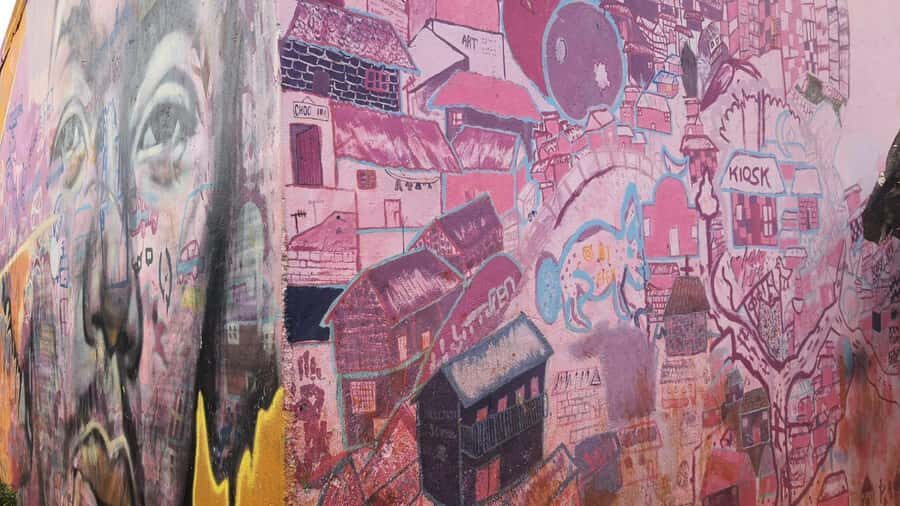
Art sales during the tour are part of the design. The tour makes space for you to purchase artwork directly from local artists, and the cost of the tour is relatively reasonable when you consider what you’re getting: time with creators, guided context, and access to their studio and collectives.
Important detail: artworks themselves aren’t included in the price. You buy if you want to bring something home.
Still, the value is in how the buying works. You’re not just buying a souvenir. You’re buying with context—after hearing what the piece means and who made it. That changes how it feels when you unpack the art later. It also supports the artists’ efforts and the collective’s community goals.
If you’re budgeting, plan to keep a little extra cash. Even if you don’t buy, the option matters because it strengthens the livelihood side of the project.
Guides and group size: why the conversations feel real

The tour is built for comfort: one guide for every two guests. That ratio matters. It means your questions don’t get lost in a crowd, and the guides can actually explain what they’re pointing at.
In particular, the experience often features young artists from Sun Valley. Names that come up include Saviour, Tony, and Anthony (sometimes referenced as Anton or similar variations). You may also meet other local creators during the walk—depending on how the route connects that day—like artists who build things from recycled materials and other makers with work on display.
This isn’t a “hear it once, move on” tour. It’s more like a guided conversation with a clear route behind it.
Finishing near HOF Gallery Kibera and Olympic stage
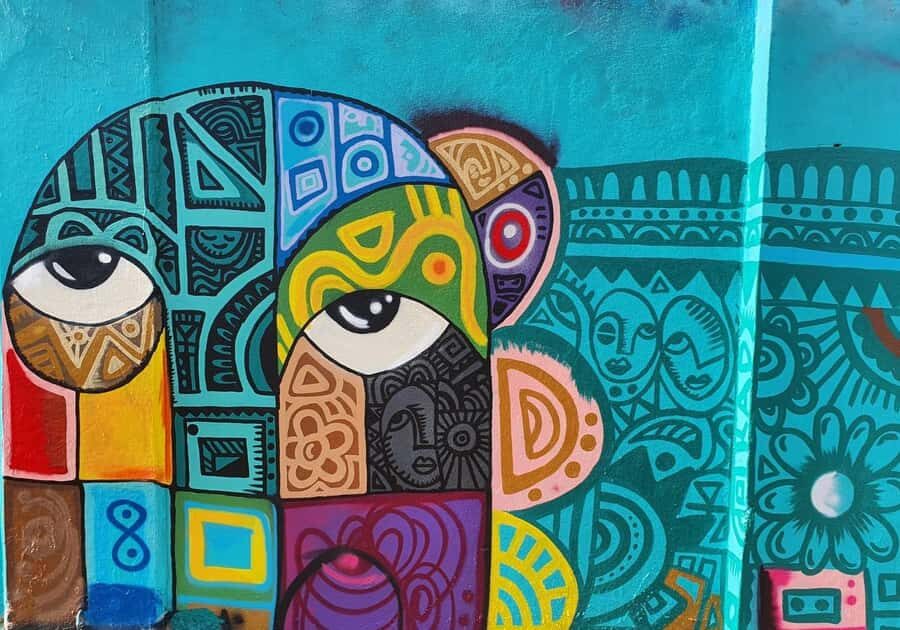
You end near Olympic stage, and the tour also lists a finish point at HOF Gallery Kibera. Either way, the key practical point is transport friendliness: from there, you can more easily call an Uber/taxi or take a matatu to your next stop.
If you’re pairing this with other Nairobi activities, give yourself some buffer time. You’ll likely want to browse briefly at the end and you may have follow-up questions before you leave.
Practical stuff you should bring (and the rules you’ll actually use)
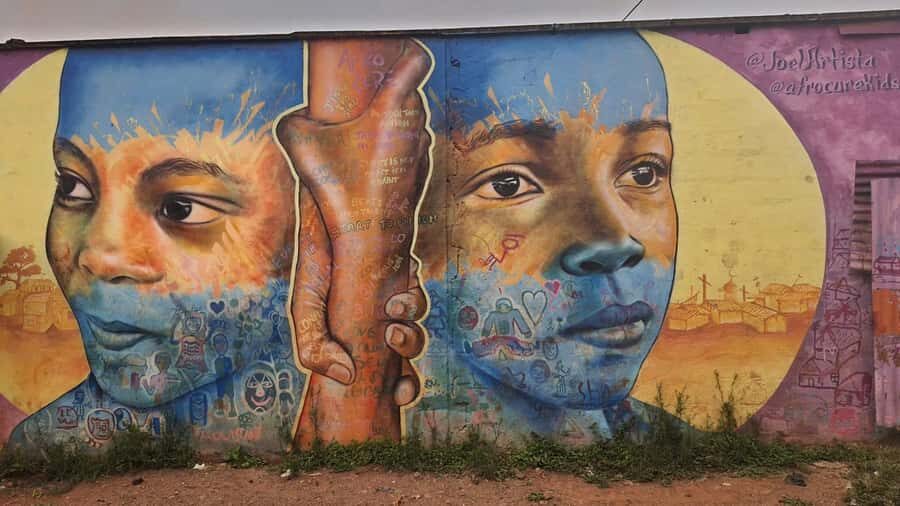
Wear closed-toe shoes. The tour covers ground on foot, and you’ll enjoy it more if your feet aren’t angry by the halfway mark.
Bring:
- Comfortable shoes
- Water
- A hat
- Camera
- Snacks (helpful just in case)
- Closed-toe shoes (worth repeating because it really matters)
A couple of behavior notes also help you enjoy the day. You’re asked not to litter, and you’ll be guided on photography so you’re not disrupting people’s lives.
Who this Kibera street art tour is best for
This tour fits best if you want your trip to Nairobi to include local voices—especially artists who grew up in the neighborhood. If you like art but also care about how art connects to community life, this is a strong match.
It’s also a good choice if you want small-group attention. The guide-to-guest ratio makes the tour feel personal rather than like you’re tagging along.
It’s not a fit if you have mobility constraints. The route isn’t suitable for wheelchair users or people with mobility impairments.
Should you book the Kibera Street Art Tour with Local Artists?
I’d book it if you want more than photos of Kibera. This tour gives you context, studio access, and direct conversations with artists who treat their work as community work.
I’d skip it if you’re looking for a low-walking “sit and admire” experience, or if mobility is a concern. Also, if buying art isn’t on your radar at all, you can still enjoy the explanation and studio time—but the experience is clearly designed to connect appreciation with support.
If you’re the kind of traveler who likes to ask why something was made, who made it, and what they want people to understand, this is one of the more meaningful ways to spend a couple of hours in Nairobi.
FAQ
Where is the meeting point for the Kibera street art tour?
You meet outside Gateway Supermarket on Kibera Station Road.
How long is the tour?
The tour runs about 150 minutes (listed as a 2–3 hour tour).
How many people will be in my group?
You get one tour guide for every two guests.
What languages are the tours offered in?
The live tour guide speaks English and Swahili.
Are street food samples included?
Street food samples are included on request. If you want them, ask during the tour.
Can I buy artwork during the tour?
Yes. You’ll have opportunities to purchase art directly from local artists. The artworks are not included in the tour price.
Where do you finish the tour?
You finish near Olympic stage, with the listed end point at HOF Gallery Kibera.
Is the tour suitable for wheelchair users?
No. It is not suitable for people with mobility impairments or wheelchair users.
When can I take photos?
You’ll pass people going about daily life, so you should be respectful. The guide will tell you when it’s appropriate to take photos.
What should I bring with me?
Bring comfortable shoes, a hat, a camera, snacks, and water, plus closed-toe shoes.