REVIEW · NAIROBI
3 Day 2 Nights Maasai Mara Safari
Book on Viator →Operated by Bush Thorns Adventures and Safaris · Bookable on Viator
Wildlife is a clock you can follow. This 3-day Maasai Mara safari is built around smart timing in Kenya’s Great Rift Valley, with unlimited game drives that give you repeated chances at predators and the Big Five. You also get a full day out in the reserve plus a Mara River stop, which is where animal action often clusters.
I like the small-group feel, with a maximum of 7 travelers and an air-conditioned vehicle for the drive. It’s also the kind of trip where the human factor matters: the safari company’s team is known for friendly, hands-on guidance, including guides like Sam, and leaders such as Ole (Gitau) and Joseph on other Bush Thorns Adventures itineraries.
One thing to plan for: Maasai Mara entry fees and alcohol are not included, so your total cost won’t be exactly the $390 ticket.
In This Review
- Key highlights worth knowing
- Why Maasai Mara Is Worth the Nairobi-to-Reserve Drive
- Your 3 Days on the Ground: What the Schedule Really Feels Like
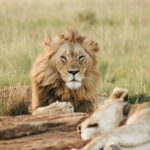
- Game Drives: How to Maximize Big Five Chances (Without Burning Out)
- The Mara River Stop: Why This Area Matters
- Nairobi Pickup, Vehicle Comfort, and the Reality of Roads
- Lodges/Camps and “Included Meals”: What You Can Plan Around
- Price and Value: Is $390 Fair for a 3-Day Mara Safari?
- Who This Safari Suits Best (and Who Should Rethink It)
- Final Check: Should You Book This 3-Day Maasai Mara Safari?
- FAQ
- What is the starting point for this safari?
- What time does the tour begin?
- Is pickup offered?
- How long is the safari?
- Is the safari group size limited?
- What meals are included?
- Are Maasai Mara entry fees included in the price?
- Is the Maasai village visit included?
- Can I cancel and get a full refund?
Key highlights worth knowing
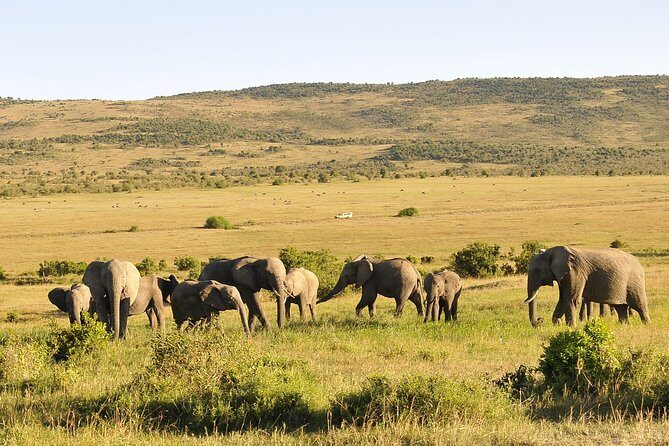
- Unlimited game drives means more time with your eyes on the grass, not just one quick sortie
- Small group (max 7) helps you stay flexible and avoid the lost-in-a-crowd feeling
- Mara River visit adds a strong chance of seeing hippos and crocodiles in the same area
- Early morning + afternoon drives gives you different light and different animal behavior
- Guided spotting and interpretation helps you understand what you’re seeing, not just record it
- Maasai village stop is on the schedule, but it’s listed as not included in the price
Why Maasai Mara Is Worth the Nairobi-to-Reserve Drive
Maasai Mara National Reserve sits in the Great Rift Valley, mostly open grassland. That open visibility matters: you’re not always crawling along dense forest looking for a miracle. Wildlife tends to concentrate toward the reserve’s western escarpment, so drives aren’t just random drives—they’re usually about getting you positioned where animals like to show up.
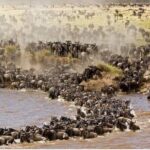
This reserve is famous for one huge natural event: the wildebeest migration. Over 1.5 million animals arrive around July and then leave by November. Even if your dates aren’t in peak migration, the Mara still stays productive because animals remain drawn to water, cover, and grazing patterns.
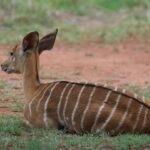
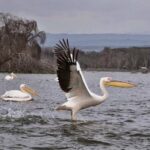
You’ll also be in a place with serious biodiversity: 95 recorded species across mammals, amphibians, reptiles, and over 400 bird species. That’s great news if you’re not only chasing the Big Five. On a good day, the smaller moments—birds, tracks, feeding behavior—make the trip feel richer.
A few more Nairobi tours and experiences worth a look
Your 3 Days on the Ground: What the Schedule Really Feels Like
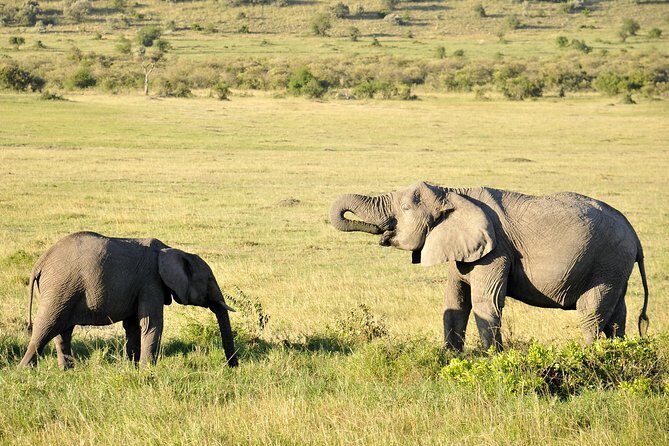
The rhythm here is classic Mara: arrive, go out twice, then squeeze in a full day with a packed lunch. It sounds simple, but the timing is what makes safaris work.
Day 1 starts with pickup in Nairobi, then a drive through the Rift Valley area via Narok before you reach Maasai Mara. You check into your lodge/camp, eat lunch, then head out for an afternoon game drive. Afternoon is a good time to see large animals moving between resting spots, and it often sets you up for that wide-open Mara sunset feeling—when the light turns gold and everything looks a bit more dramatic.
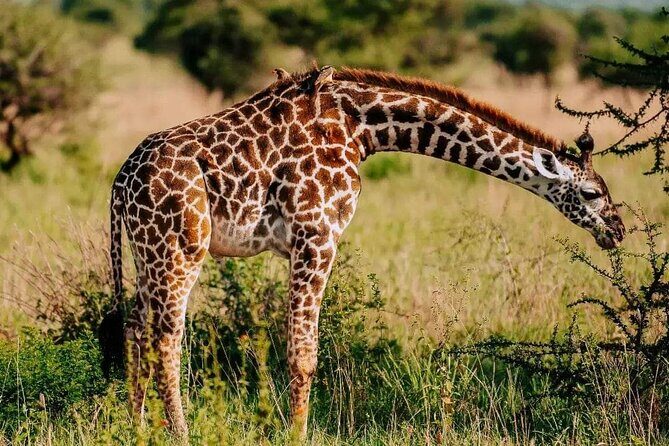
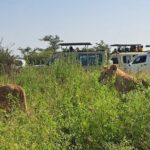
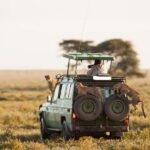
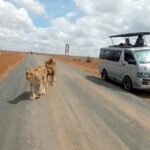
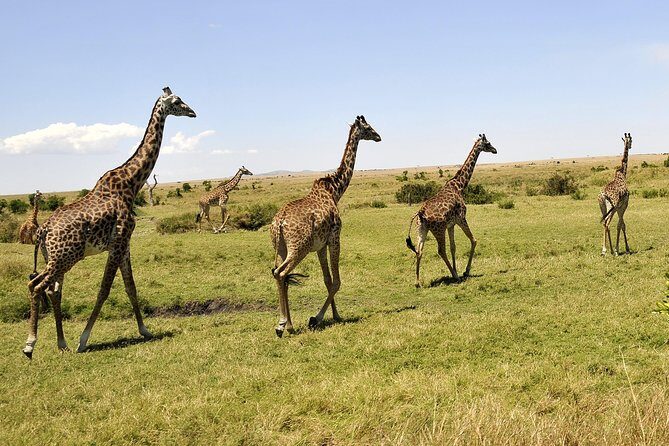
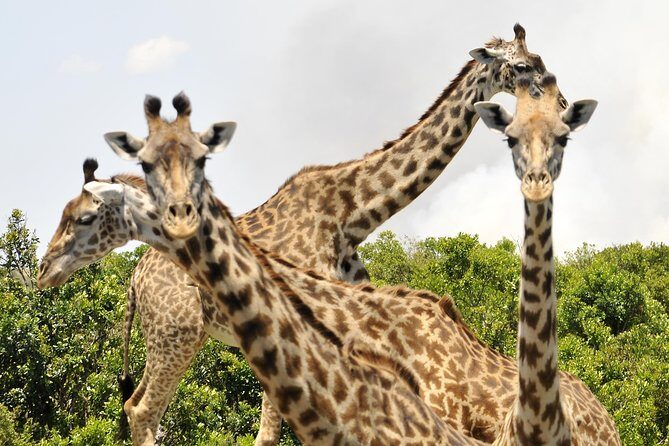
Day 2 is the big one. After breakfast you go out for an early morning game drive, when animals are often more active. Then you spend the full day in the park with a packed lunch, aiming for predators and the species that share their world: zebra, wildebeest, giraffe, hippo, and crocodiles. You also get a visit to the Mara River area, which is a major bonus because river edges tend to pull animals in the same direction.
Day 3 is shorter: a short tour in a Maasai village before you head back to Nairobi with lunch en route. The total energy shifts from wildlife hunting to cultural context and then travel time. If you like ending trips without rushing, this schedule is fairly balanced.
Game Drives: How to Maximize Big Five Chances (Without Burning Out)
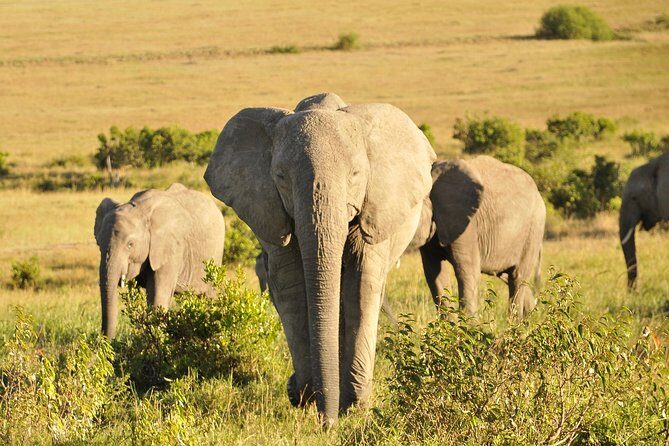
This safari includes unlimited game drives, which is one of the best “value signals” in the whole package. Instead of paying for one fixed drive that you hope is perfect, you’re paying for time—time to return to areas where animals appeared earlier, time to adjust when the herd or predator pattern changes.
The practical win: you’ll see more by going when animals are likely to be moving. Early morning often brings more activity and clearer tracking of behavior. Afternoon can be better for long viewing as animals settle and stretch, and for dramatic light that helps you spot details.
Here’s how I’d approach your day in real life:
- Be ready to scan. Good sightings come from noticing motion first, not only shapes.
- Ask your guide what you’re likely to see in that zone (predators vs. herbivores). The reserve’s patterns change, even within short distances.
- Keep expectations flexible. The Big Five are the headline, but Mara’s real strength is the constant variety—spoor, grazing lines, birdwork, and river life.
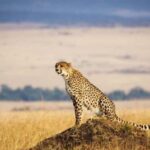
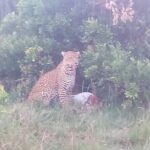
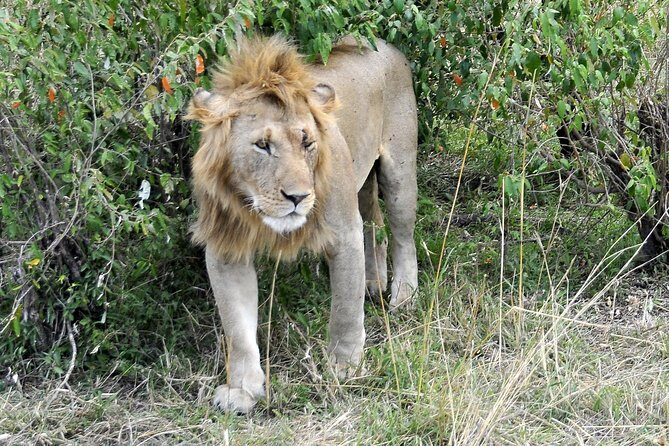
Also, the itinerary specifically calls out searching for lion, cheetah, elephant, buffalo, plus other Big Five possibilities. That tells you the guide plan isn’t shy or generic; it’s built for classic Mara targets.
The Mara River Stop: Why This Area Matters
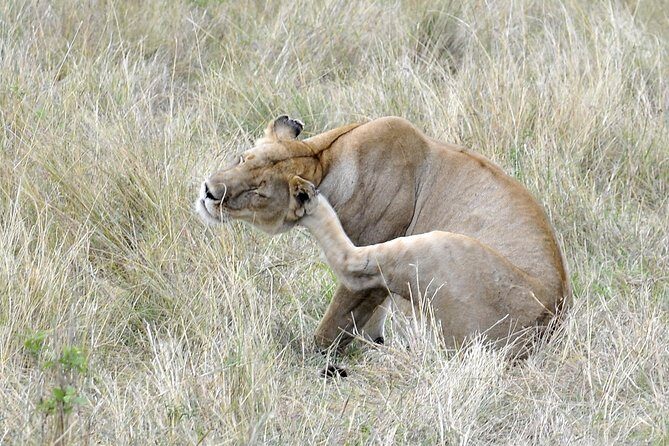
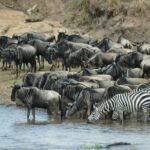
A Mara River visit isn’t just a scenic add-on. Rivers in savannah country concentrate life, especially around dawn and dusk. That’s why the schedule includes hippo and crocodile potential alongside wildebeest and zebra.
If you’re hoping for predator scenes, river edges can be helpful too. Herbivores need water, and predators tend to follow opportunities—whether that means watching for movement along the bank or waiting for animals to cross.
Even if you don’t get a dramatic river hunt, you’ll still likely get something useful: strong chances at seeing animal routines close-up. Hippos are often visible in water-adjacent zones, and crocodile activity can show up where people expect it least—on calm sections, not just obvious splashes.
Nairobi Pickup, Vehicle Comfort, and the Reality of Roads
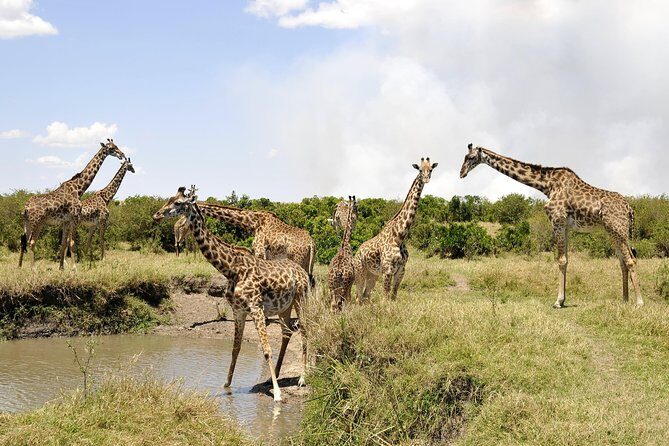
You start in Nairobi and use an air-conditioned vehicle. That matters because the drive in and out of the reserve can feel long, and heat can drain your energy before you even step into Mara.
Also, Nairobi traffic and road conditions can be bumpy in places. The upside is that a good driver’s skill shows on days like this—holding steady routes, managing stops, and getting you to the reserve on time so you don’t lose the best viewing hours.
Since your group is capped at 7 travelers, the vehicle setup usually supports easier conversation and less waiting around. That means you can ask questions before you ever see an animal, and you’re not stuck behind someone in a separate vehicle.
A few more Nairobi tours and experiences worth a look

Lodges/Camps and “Included Meals”: What You Can Plan Around
This tour includes meals, which is one of the reasons the price can make sense. You get breakfast (2), lunch (3), and dinner (2). Day 2 includes a packed lunch for the full-day park experience, so you’re not leaving the reserve for food at the exact moment sightings might be heating up.
Alcoholic drinks are not included, so if you’re the kind of person who likes a drink after a long drive, budget for it separately. On safari, a cold drink can feel like a trophy—just don’t assume it’s covered.
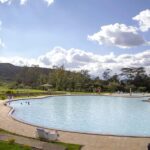
You’ll also sleep at your lodge/camp for two nights as part of the trip flow. The exact lodge style isn’t specified here, so if lodging comfort matters a lot to you, it’s worth checking what type of camp/lodge is assigned when you book.
Price and Value: Is $390 Fair for a 3-Day Mara Safari?
At $390 per person for a 3-day / 2-night safari, the price looks best when you look at what’s included. You’re paying for:
- Unlimited game drives
- Tour guide
- Air-conditioned vehicle
- 2 breakfasts, 3 lunches, 2 dinners
Those inclusions reduce the “hidden costs” you’d otherwise feel fast on safari. But the price doesn’t include Maasai Mara entry fees or Maasai village costs, and alcohol is also out.
So the smart way to judge value is this: you’re getting transport + guide + repeated park time, and you’re only adding the park and village fees on top. If you were to try to DIY the same schedule, you’d likely spend time and money assembling transport, a guide, and the right timing yourself.
In short: this can be good value if you like the idea of being flexible with sightings and you’re okay budgeting extra for reserve access and optional add-ons.
Who This Safari Suits Best (and Who Should Rethink It)
This trip is a good match if you want:
- A focused safari with big-time Mara viewing time
- A small group (max 7) and a guided plan
- A mix of wildlife and a short cultural stop
- The convenience of pickup in Nairobi and a set return back to the meeting point
It may be less ideal if you:
- Want a longer, more relaxed safari pace. Three days is great for highlights, but it’s not a slow exploration trip.
- Expect everything to be fully bundled. Since entry fees and village costs aren’t included, you’ll want to confirm those amounts before you lock in your budget.
- Need very specific lodging standards. Lodging is included, but the exact style isn’t spelled out here.
If you’re chasing the classic Mara experience—predators, river life, and the Big Five as a possibility—this is built for that.
Final Check: Should You Book This 3-Day Maasai Mara Safari?
If you want a tight, well-structured safari with multiple game-drive chances, I’d say this is worth considering. The unlimited game drives and the combination of early morning plus full-day time with a Mara River visit are the parts that most directly boost your odds of great sightings.
Just be honest about budget. Since Maasai Mara entry fees and the Maasai village cost aren’t included (and alcohol isn’t either), the headline price is only part of the total. If you can plan for that, you’ll be set up for a very solid Mara introduction.
FAQ
What is the starting point for this safari?
The experience starts in Nairobi, Kenya.
What time does the tour begin?
The start time is 7:00 am.
Is pickup offered?
Yes, pickup is offered.
How long is the safari?
It runs for 3 days (approx.).
Is the safari group size limited?
Yes. It has a maximum of 7 travelers.
What meals are included?
The package includes lunch (3), dinner (2), and breakfast (2).
Are Maasai Mara entry fees included in the price?
No. Maasai Mara entry fees are not included.
Is the Maasai village visit included?
The itinerary includes a short tour in a Maasai village, but Maasai Village is listed as not included.
Can I cancel and get a full refund?
Yes. You can cancel up to 24 hours in advance for a full refund.