REVIEW · NAIROBI
14-Days Kenya and Tanzania Camping Safari from Nairobi
Book on Viator →Operated by Gracepatt Ecotours Kenya · Bookable on Viator
Two countries, four-wheel drive, and big-animal time. This 14-day safari pairs Kenya’s famous parks with Tanzania’s most dramatic scenery, all routed from Nairobi with a 4×4 and full board setup. You’ll spend long days on the hunt for wildlife, then sleep in a mix of lodge and campsite locations that keep the pace moving without you planning every turn.
What I like most is how much is handled for you: park entrance fees are included and transport is built into the schedule, so your biggest job is waking up on time and keeping your camera ready. I also like that the game drives are structured for real sighting time, not just quick stops, and that you get a credited safari guide experience through the Gracepatt Ecotours team (one guide name you may hear is Titus).
The main drawback is communication can be a gamble with any operator, and at least one past customer reported feeling ignored or hard to reach during issues. If you book, I’d make sure you get clear written answers up front and keep a paper trail.
In This Review
- Key things that make this safari tick
- Why this route works: Big Five time without the planning headache
- Day one in Nairobi: the airport-to-hotel start that keeps your trip calm
- Maasai Mara National Reserve: long drives plus a picnic on the Kenya-Tanzania line
- Lake Nakuru: pre-breakfast searching and a late-afternoon arrival
- A stop back in Nairobi: reset mode before heading to Tanzania
- Arusha National Park: picnic lunch plus a full day away from the city
- Tarangire and Serengeti: the move that turns the trip into a real journey
- Serengeti National Park: two days that actually let you work the sightings
- Ngorongoro Crater: the early drive to the rim, then down to the crater floor
- Lake Manyara: crater energy continues into rim-to-park game viewing
- Camping + lodge nights and full board: what to expect when comfort is basic but functional
- Value check on the $4,875 price: what you’re paying for (and what you aren’t)
- 4×4 comfort, group size, and long drive days: the real tradeoffs
- The guide and operator factor: Gracepatt Ecotours, Titus, and communication risk
- Who should book this safari (and who should rethink it)
- Should you book this 14-day Kenya and Tanzania camping safari from Nairobi?
- FAQ
- How long is the Kenya and Tanzania camping safari?
- What is the price per person?
- Where does the tour start and end?
- What animals and parks are the focus of the safari?
- What kind of transportation is included?
- Are park entrance fees included?
- What meals and accommodations are included?
- Are drinks included?
- Is airport pickup and drop-off included?
- What is the cancellation window for a full refund?
Key things that make this safari tick
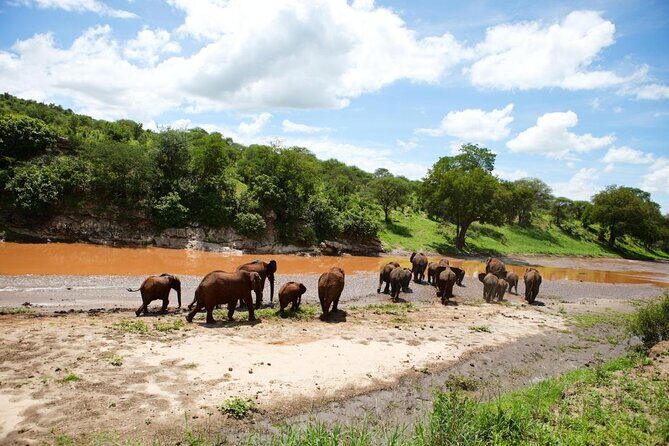
- 4×4 access for deeper park roads and longer drive days
- Entrance fees included, so you don’t pay per park at random stops
- Full board with breakfast, lunch, and dinner built in for most days
- Up to 15 people, which usually means less chaos than larger bus tours
- A Mara-to-Manyara route with real time in Serengeti and crater-country
- Airport pickup and drop-off, including a Nairobi end option and an option toward Kilimanjaro
Why this route works: Big Five time without the planning headache
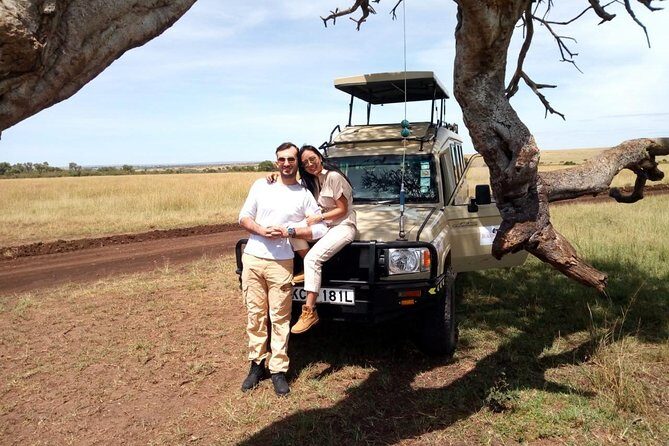
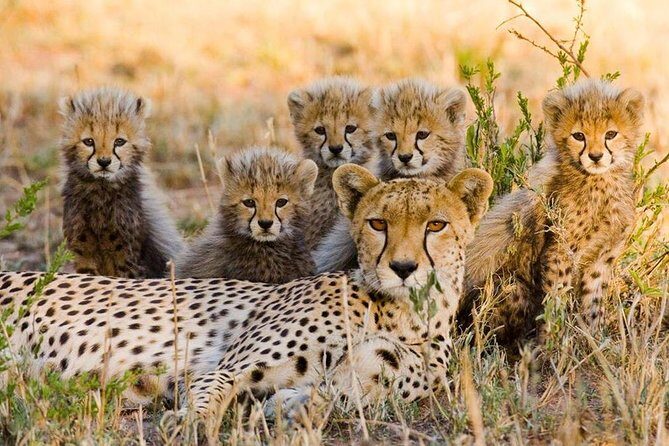
This safari is built for people who want a classic Big Five-style journey but don’t want to spend weeks coordinating permits, cross-border timing, and inter-park transfers. You’re covering Kenya and Tanzania in a single sweep, which is exactly where DIY plans usually get messy: driving distances, park logistics, and who knows what when you’re trying to see lions or rhinos.
The most valuable part is the rhythm. Each park gets at least one day that’s structured around game viewing, often with early starts and picnic lunches inside or near the action. That matters because wildlife time is not like museum time; it doesn’t run on your schedule.
And since you’re in a group capped at 15, you avoid the biggest downside of mass tours: too many people, too little car comfort, and too many compromises on when you can stop and scan for animals.
A few more Nairobi tours and experiences worth a look

Day one in Nairobi: the airport-to-hotel start that keeps your trip calm
After landing at Jomo Kenyatta International Airport, the tour begins with a transfer into Nairobi for your first night. This is the kind of detail that seems small until you’re juggling jet lag, arriving paperwork, and figuring out where to meet a driver.
From your first evening, the tour sets you up for an early-morning rhythm the next day. If you dislike waking up completely confused, this plan helps you get your bearings fast—especially since the schedule repeats the same early-drive logic in multiple parks.
Maasai Mara National Reserve: long drives plus a picnic on the Kenya-Tanzania line
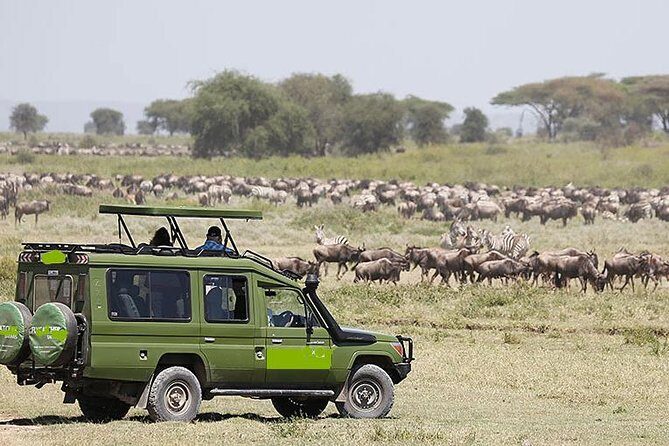
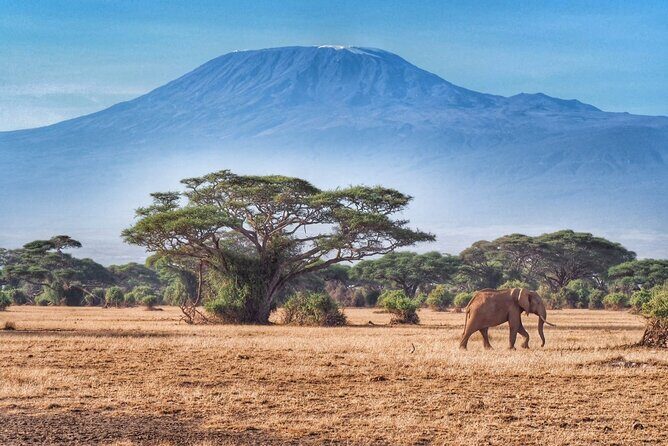
Maasai Mara is where the safari energy turns on. On the next morning, you’re picked up from Nairobi around 8:30am to drive into the reserve. Then you get two straight days focused on game viewing, which is a big deal in a region where animal sightings can depend on timing and where the animals decide to be.
One of my favorite schedule details here is the picnic lunch served in the park at the Mara River border of Kenya and Tanzania. That’s more than a scenic meal break; it also makes the days feel like an all-day expedition rather than a series of short drives and quick photo stops.
Practical note: with two full days in the Mara area, you’ll likely feel less pressure to “get everything” on day one. You can also adjust your expectations about sightings because you have repeat chances.
Lake Nakuru: pre-breakfast searching and a late-afternoon arrival
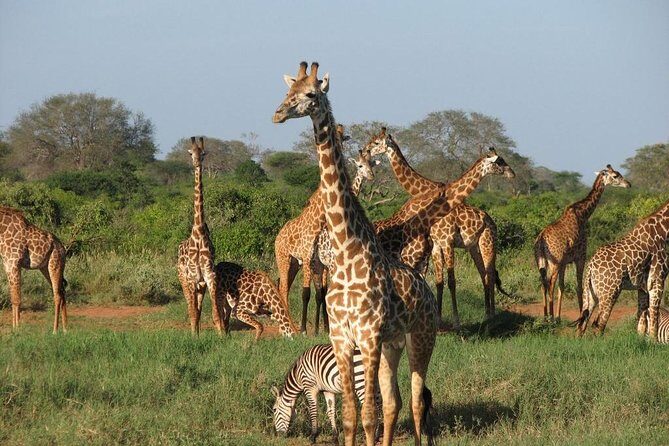
After the Mara days, the safari moves to Lake Nakuru National Park. You start with a pre-breakfast game drive, then return to the campsite for a late breakfast before continuing on to Nakuru later in the day.
That split schedule is worth paying attention to. It gives you one more early wildlife chance, and it also keeps the move from feeling like an all-day bus ride with nothing to look at. When you arrive at Nakuru late afternoon, you’ve still got daylight time to orient and settle in without having your entire day consumed by transfer.
A stop back in Nairobi: reset mode before heading to Tanzania
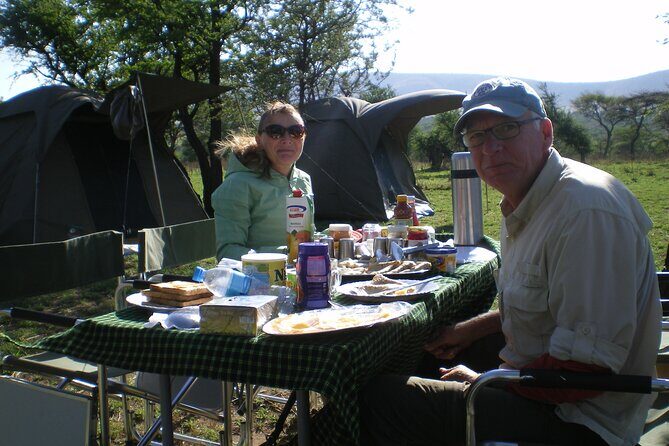
At one point you leave Lake Nakuru and return toward Nairobi, then later you shift to Arusha with a shuttle. This includes a straightforward Nairobi-to-Arusha segment, with the shuttle departing around 7:00am and arriving at about 1:00pm.
Why this matters: it breaks the trip into manageable chunks. You’re not constantly moving at the same speed and stress level, and you’re also transitioning countries in a planned way rather than guessing your own timing.
If you’re the type who likes to stretch legs, sort out small needs, and get organized before another driving day, this pause helps.


Arusha National Park: picnic lunch plus a full day away from the city
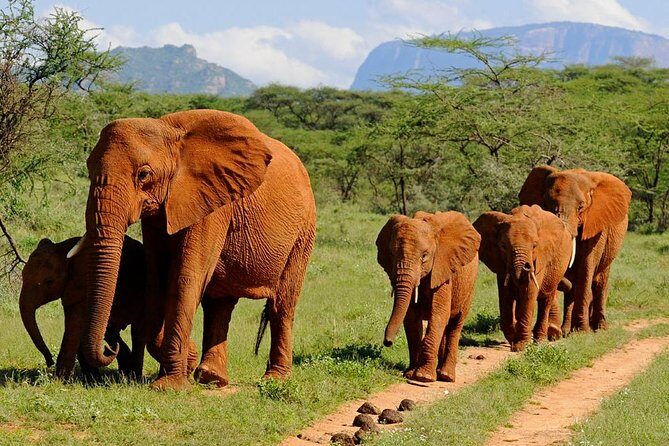
Once in Arusha, you head to Arusha National Park. You’ll typically be picked up around 9:00am, then enjoy a picnic lunch and a game drive in the park.
This day is a good example of what makes this package feel efficient. The schedule gives you a full day to focus on wildlife rather than turning the park visit into a half-hour detour. And because you’re staying on a structured timetable, you’re not doing the mental math of where to sleep, where to eat, and how to get permits lined up.
Tarangire and Serengeti: the move that turns the trip into a real journey
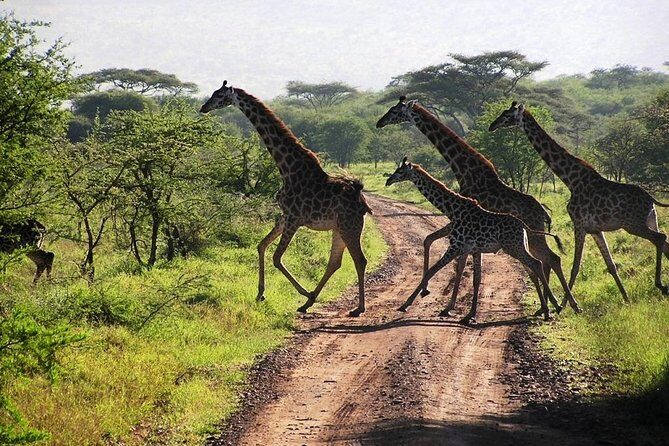
After breakfast, you depart for Tarangire National Park for a picnic lunch and game drive day. Then the safari continues onward to Serengeti National Park, with your accommodation arranged as part of the flow.
This is where the tour’s value really shows. In a region like this, the biggest risk with DIY planning isn’t just cost—it’s losing time. The route keeps driving days connected to meaningful viewing days, so you spend time in parks rather than searching for rides, paying random fees, or waiting on last-minute confirmations.
Serengeti National Park: two days that actually let you work the sightings
Serengeti is given two full-day blocks. You’ll have one day focused on entering the park and settling into accommodation, then a second day with extended game viewing after breakfast.
Two days in one major ecosystem is smart. Wildlife isn’t scheduled, and animal movement plus driver choices can change what you see. With a second day, you have a real chance to see different behaviors and possibly different animal clusters rather than hoping for everything in one long-but-once-through drive.
If you love photography, this structure helps because you can return to good viewing angles at different times of day.
Ngorongoro Crater: the early drive to the rim, then down to the crater floor
The Ngorongoro section starts with an early morning game drive in Serengeti before lunch, then you depart for the crater rim. The next day’s plan is the signature pattern: descend early for a game drive on the crater floor, then enjoy lunch at the hippo pool picnic site before ascending back to the rim.
This is a great schedule for people who like big scenery and strong wildlife concentration potential. It also shows how the operator thinks about timing: early means you’re not stuck with the same crowds of sun and heat, and it helps keep the day moving with clear goals.
Practical note: crater drives often involve more stop-and-scan behavior. That makes it all the more important that you’re in a reliable vehicle setup and a guide team that knows how to position the group safely and legally.
Lake Manyara: crater energy continues into rim-to-park game viewing
After Ngorongoro, you head to Lake Manyara National Park. The day includes the crater descent and then a transfer onward, so the schedule is packed but focused. Once you’re at Manyara, you’ll have a game drive day with a picnic lunch and a mid-afternoon departure toward Arusha.
Lake Manyara gets a second game drive day with breakfast followed by another park outing, then an Arusha evening close. The nice thing here is that you’re not rushing out of Tanzania immediately; you get time to slow down your pace and keep the final days from feeling like a blur of transfers.
Camping + lodge nights and full board: what to expect when comfort is basic but functional
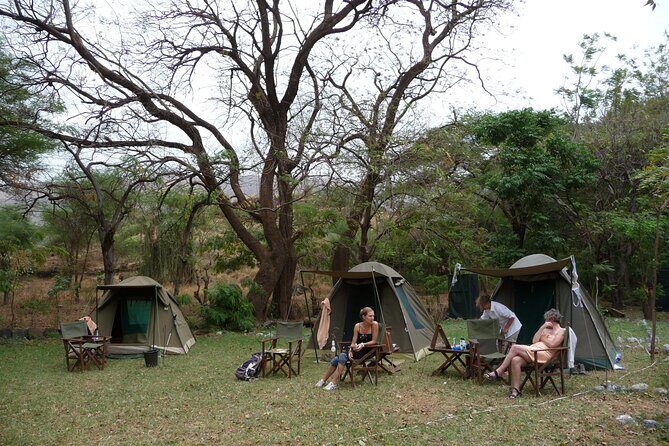
This tour mixes lodge and bed-and-breakfast nights with campsite nights. The exact style isn’t described here, but the meal plan is clear: you’ll have breakfast (13), lunch (13), and dinner (10) included. Drinks and alcohol are not included.
In practical terms, that usually means you can pack for a safari rhythm: mornings start early, afternoons focus on driving and meals, and evenings are for rest and recharging between long days. If you want five-star hotel lounging every night, this is not that kind of trip. If you want the safari experience and can handle basic camping setups, this works well because the money goes toward getting you into the right parks with the right time.
Value check on the $4,875 price: what you’re paying for (and what you aren’t)
At $4,875 per person for about 14 days, the real question is what’s included versus what costs you’ll still manage on the ground. Here’s the payoff:
Included: airport transfers, accommodations (lodge/BB/campsite), full board, transport in a 4×4, and entrance fees. Also included is transfer from Arusha to Nairobi at the end of the trip.
Not included: drinks and alcoholic drinks (available to purchase). So, your additional spending is mostly food extras like drinks and any personal shopping or tips that fit your style.
To me, the value is strongest if you would otherwise have paid separately for park fees and reliable vehicles while also coordinating multiple borders and long-distance park hops. This package bundles the hard parts for you, so you can spend your attention on game drives rather than logistics.
4×4 comfort, group size, and long drive days: the real tradeoffs
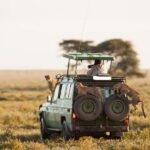
Your ride is in a 4×4 vehicle designed for park roads. That’s the right tool for getting deeper into parks and keeping you on track during longer travel days.
With a maximum group size of 15, you’ll generally have a better chance at smoother movement and fewer crowd issues than in larger group tours. Still, plan for long hours. Days are listed around 8 to 10 hours of activity, and game drives plus transfers add up quickly.
If you’re sensitive to vehicle time or you want frequent bathroom breaks, make sure you pack smart and plan for pacing. The schedule is built around early starts and steady progress, not frequent stops for comfort.
The guide and operator factor: Gracepatt Ecotours, Titus, and communication risk
Gracepatt Ecotours Kenya is the provider for this route. The strongest positive feedback pattern is that arrangements can be tailored and pickups/drop-offs run smoothly, with at least one named guide credited in customer feedback: Titus.
But there’s also a caution flag. One past customer described issues with reliability and feeling that messages weren’t answered. That doesn’t automatically mean your experience will be bad, but it does mean you should protect yourself.
My practical suggestion: before you pay, confirm key points in writing—pickup times, the exact meeting spot for your Nairobi hotel, and your end-day option in Nairobi vs an onward transfer toward Kilimanjaro International Airport. Then keep copies of the confirmations.
Who should book this safari (and who should rethink it)
This fits well if you:
- Want a structured Kenya-and-Tanzania route with park fees and transport included
- Prefer a group capped at 15 instead of solo planning
- Like long game-drive days and can handle basic camping nights
- Want Serengeti and crater time without stitching together permits and drivers yourself
You might rethink if you:
- Need highly responsive communication at every step and fear delays
- Expect luxury accommodation every night
- Don’t enjoy long travel days and long vehicle time
Also, the minimum age is 16, so it’s not set up for younger kids.
Should you book this 14-day Kenya and Tanzania camping safari from Nairobi?
I’d book this if your goal is a well-paced wildlife route across Maasai Mara, Lake Nakuru, Arusha, Tarangire, Serengeti, Ngorongoro, and Lake Manyara with the hard logistics handled for you. The combination of a 4×4, included entrance fees, full board, and airport transfers is where the price starts to feel reasonable.
I wouldn’t book it blindly if communication quality is a deal breaker for you. Do a quick, firm pre-departure check with Gracepatt Ecotours Kenya and insist on clear written answers. If they reply well and your details are tight, you’re likely buying yourself the best kind of safari freedom: more wildlife time, less planning stress.
If you want, tell me your travel month and your comfort level with camping nights, and I’ll suggest what to pack and how to time your expectations around early starts.
FAQ
How long is the Kenya and Tanzania camping safari?
It runs for about 14 days.
What is the price per person?
The price is $4,875.00 per person.
Where does the tour start and end?
It starts in Nairobi, Kenya and ends back in Nairobi (with an option for transfer toward Kilimanjaro International Airport).
What animals and parks are the focus of the safari?
The tour is designed around Big Five-style safari viewing and includes visits to Maasai Mara, Lake Nakuru, Arusha National Park, Tarangire, Serengeti, Ngorongoro Crater, and Lake Manyara.
What kind of transportation is included?
Travel is in a 4×4 vehicle, with all transportation planned as part of the tour.
Are park entrance fees included?
Yes, all entrance fees are included.
What meals and accommodations are included?
You get accommodations (lodge, bed and breakfast, and campsite) plus full board, including breakfast and lunch and dinner as listed.
Are drinks included?
Drinks are not included, including alcoholic drinks (they may be available to purchase).
Is airport pickup and drop-off included?
Yes. There is airport pickup at arrival and drop-off at the end, including the Nairobi transfer.
What is the cancellation window for a full refund?
You can cancel up to 6 days in advance for a full refund, based on local experience start time.