REVIEW · NAIROBI
13-Day Uganda Mgahinga Gorilla Trek, Maasai Amboseli Park
Book on Viator →Operated by Silver Spark Africa Safaris · Bookable on Viator
A gorilla trek, then elephants. This 13-day trip strings together Mgahinga Gorilla National Park, classic Kenyan safari drives in Maasai Mara and Lake Nakuru, plus Amboseli’s famous elephant time, with pickups and a mobile ticket to keep things smooth.
Two things I really like: you get real variety (big wildlife days plus cultural moments in Uganda), and the pacing is built around when wildlife and trekking are most likely to pay off, including early starts for the gorillas and Kilimanjaro views later on.
One drawback to weigh: it is a lot of moving. You’ll spend long days on the road between parks and countries, and the Mgahinga trek is physically demanding, so plan for early mornings and steady walking.
In This Review
- Key highlights you should care about
- Nairobi to Jambo Mara: where the safari actually starts
- Maasai Mara National Reserve: two drives, one goal
- Lake Nakuru: flamingoes, birds, and a Big Five mindset
- Jinja and the source of the Nile: an East Africa break from game drives
- Kabale, shoebills, and Lake Bunyonyi: your pre-trek decompression
- Mgahinga Gorilla National Park: the trek you plan for all year
- Kisoro community time: Batwa options and Lake Bunyonyi canoeing
- Kampala and the nightlife pause: a breather before Kenya’s geothermal parks
- Hell’s Gate and Lake Naivasha: walking, cycling, hippos, and gorges
- Amboseli National Park: elephants near Mount Kilimanjaro
- Back to Nairobi: finish with an easy airport transfer
- Value check: is $4,000 per person a fair deal?
- Should you book this Uganda and Kenya safari?
- FAQ
- What is the duration of the tour?
- Where does the tour start and end?
- Is pickup included?
- Is this a private tour?
- What meals are included?
- Are alcoholic beverages included?
- Are there any activities that cost extra?
- Can I cancel for a full refund?
Key highlights you should care about
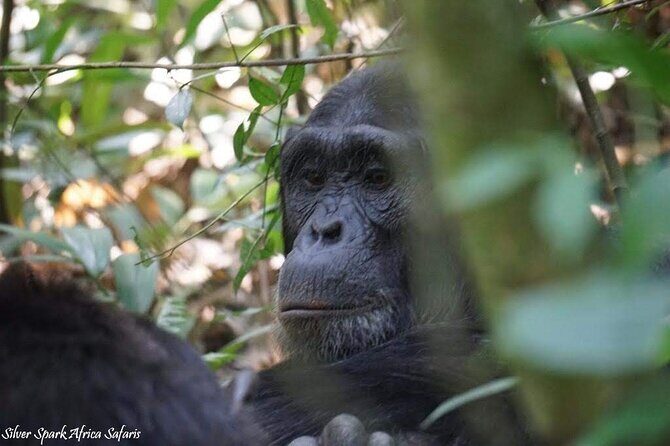
- Mgahinga gorilla trek with regulated viewing: once you find them, you’ll observe for about an hour under Uganda Wildlife Authority rules.
- Big game-drive time in Maasai Mara: one afternoon drive and one full-day drive with a picnic lunch.
- Lake Nakuru’s birdlife stop: flamingoes and migrant birds are a major reason people come here.
- Lake Bunyonyi base before Kisoro: crater-lake calm the evening you prepare for gorillas.
- Amboseli elephants with Kilimanjaro in view: morning views can be clear before clouds roll in; packed lunch supports long drives.
- Strong on-the-ground organization: the company’s coordination, including help from Abongo, has been praised for quick answers and good planning, with guides like Brian and drivers like Peter described as friendly.
Nairobi to Jambo Mara: where the safari actually starts
Your trip begins in Nairobi with an airport pickup and a short pre-departure meeting on the way to your hotel. If your arrival timing works out, the team can also start you straight toward Maasai Mara. Either way, I like the way they try to avoid “wasted” time and get you into the rhythm early.
You’ll stay at Kozi Suites Nairobi on day 1, then head out for the Giraffe Centre. It’s a smart warm-up before safari because it gets you thinking about animal behavior and safe viewing habits. Later, you’ll have dinner at Carnivore Restaurant at around seven, a classic spot for a hearty first night.
From a value angle, that first day matters more than it sounds. If you land tired, your first game drive can suffer. This plan gives you a place to reset, plus a fun, local-feeling dinner that won’t leave you guessing what to do with the evening.
You can also read our reviews of more hiking tours in Nairobi
Maasai Mara National Reserve: two drives, one goal
Maasai Mara is the kind of place that makes you forget schedules. It’s also the kind of place where seeing wildlife well often comes down to timing, and this itinerary gives you two meaningful shots.
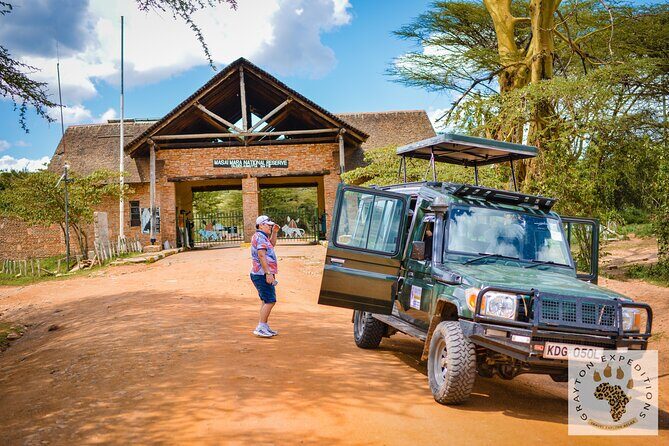
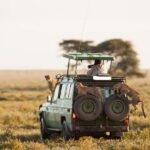
On day 2, you’ll drive via Narok Town into Maasai Mara National Reserve and check in at Jambo Mara Lodge. After lunch and settling time, you’ll do an afternoon game drive and return before dark. That “first drive” matters because you’ll start picking up patterns—where animals like to feed, and how predators move with the light.
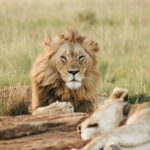
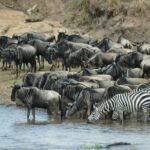
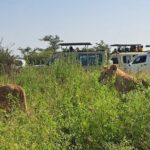
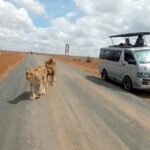
Day 3 is the bigger day. You’ll go out for a full-day game drive, with a picnic lunch inside the reserve. The goal is broad—think lions, cheetahs, elephants, zebras, hippos—plus the Big Five style of searching. If you’re hoping for those dramatic cat sightings, you’ll be positioned for it with long hours and repeated chances.
One practical tip: keep your patience for the middle of the day. Wildlife drives can mean long quiet stretches between sightings. That’s normal here. The upside is that the morning and late afternoon tend to feel like the most rewarding windows.
Lake Nakuru: flamingoes, birds, and a Big Five mindset
After Mara, you’ll head toward Lake Nakuru National Park. The drive takes you up through part of the Great Rift Valley region, with tea and coffee plantations along the way and a viewpoint stop for photos.
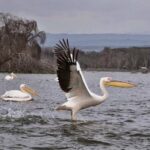
Once you arrive, you’ll have lunch, then go out for a game drive. Lake Nakuru is especially known for millions of flamingoes and a high variety of migrant birds, so even if mammal sightings are slower, you’re still working with something spectacular and very “Nakuru-specific.”
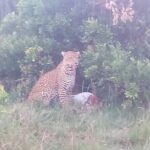
The plan also keeps a serious wildlife aim. The itinerary frames the search for Lions, Rhinos, Leopards, Buffaloes, and Elephants. Real talk: Big Five sightings are never guaranteed in any park. But I like that the day isn’t only birds—it’s birds plus a full safari mindset.
Jinja and the source of the Nile: an East Africa break from game drives
On day 5, you’ll drive from Nakuru to Jinja, crossing via Malaba border. The route matters because you’re not stuck in one kind of scenery the whole trip. You also get a major “this is why I traveled” context stop: you pass the source of the Nile River, where its journey begins.
Jinja is known as an adventure hub, and the itinerary points you toward activities like white-water rafting, bungee jumping, and kayaking. The one add-on I’d think about is the boat ride on the Nile, since the plan notes it as extra cost. If you like being on the water, this is the day that gives it meaning.
You’ll sleep at Paradise Jinja Hotel. That matters because it gives you a calmer evening after travel. It’s also a good buffer day before you head into southwestern Uganda’s trekking country.
Kabale, shoebills, and Lake Bunyonyi: your pre-trek decompression
Day 6 shifts the feel of the whole trip. You’ll head toward Kabale, described as Uganda’s highest town at around 2000m, and pass through lush scenery. You’ll also have a stop connected to Mabamba Shoebills, which is exactly the kind of bird-focused wildlife moment that balances out the gorilla intensity to come.
Then you camp near Lake Bunyonyi, described as Africa’s deepest crater lake, at about 900m. I like this part because it’s not another rushed “arrive, drive, sleep” cycle. It’s a chance to reset your body before a long day of walking.
By the end of day 6, you transfer to a base in Kisoro and overnight at Bunyonyi Overland Resort. From a practical standpoint, this is where you want to be rested, hydrated, and ready for early starts. If you’re the type who ignores sleep, this is the day to stop doing that.
Mgahinga Gorilla National Park: the trek you plan for all year
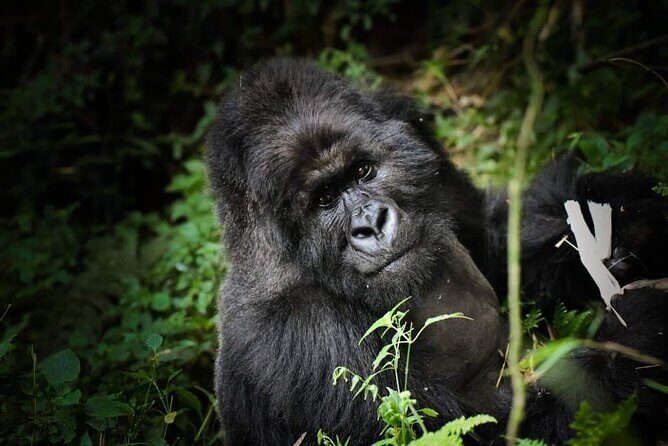
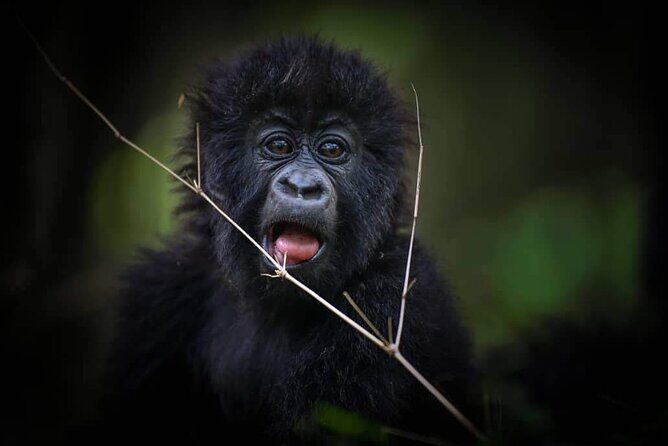
Day 7 is the showpiece: the Mgahinga Gorilla National Park gorilla trek. You’ll start in the early morning mist, and you should assume the trek can be demanding and take most of the day. That’s not meant to scare you. It’s meant to help you pack smart and pace yourself.
The itinerary strongly recommends a water bottle and good walking shoes or boots. That’s the kind of advice you should follow without arguing with it. Gorilla trekking often becomes a slow, uphill, leaf-thick walk, and footing matters.
Local guides lead the group through thick jungle to locate the gorillas. Once you find them, the regulated viewing period is about one hour, controlled by Uganda Wildlife Authority rules. Photography is allowed, but you should not use flash, and there are restrictions around how you handle equipment and behavior.
One more “plan this in your head” point: you might feel like the trek itself is the only event. It isn’t. The payoff is the moment you settle and watch the gorillas calmly, knowing you’ve earned it through patience and careful steps.
Kisoro community time: Batwa options and Lake Bunyonyi canoeing
On day 8, you shift from tracking to connecting. You’ll have a morning breakfast, then a guided walk to visit local communities.
You’ll have options: you can choose to visit with the Batwa community, or you can go canoeing on the lake. I like having a choice here because it lets you match the day to your interests. If you want culture and conversation, choose Batwa time. If you want a lighter physical day with views over the water, canoeing might be your move.
After lunch, you’ll have free time to relax or take another walk in the area. That open time is valuable because it gives you breathing room. Gorilla trekking days often put you on a mental high that needs a slower landing.
Kampala and the nightlife pause: a breather before Kenya’s geothermal parks
Day 9 brings you back toward Kampala. You’ll be transferred with lunch en route and arrive by evening, then check in and enjoy some of Kampala’s nightlife options. The itinerary then sends you back to your hotel for the night at Paradise Jinja Hotel again.
This day is a reminder that a “safari trip” isn’t only about wildlife. It’s about energy management. After Mgahinga and community time, you’ll likely appreciate the chance to eat well, recharge, and not wake up immediately for more trekking.
Hell’s Gate and Lake Naivasha: walking, cycling, hippos, and gorges
On day 10, you head south to Lake Naivasha. You’ll drive past Naivasha town and flower farms, then enter Hell’s Gate National Park, where you’ll see a semi-arid, cliff-and-gorge world. The itinerary specifically calls out geothermal features and activities inside the park.
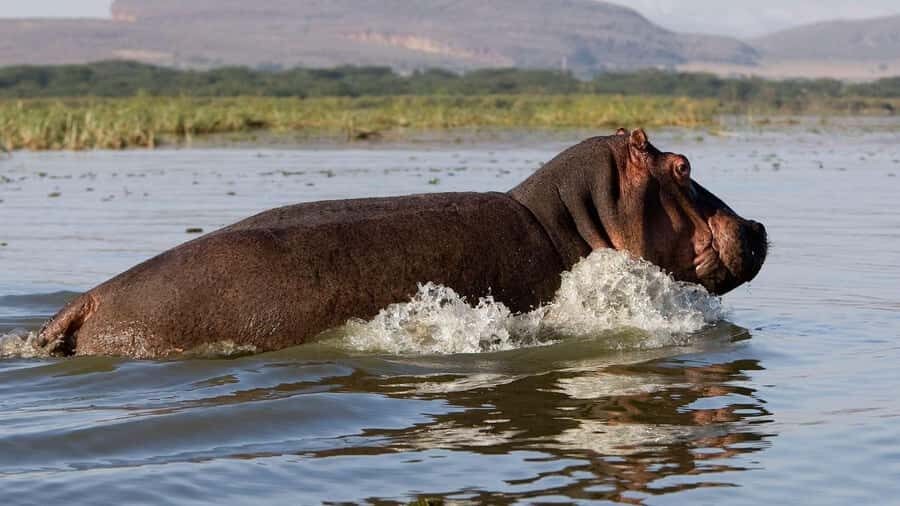
You’ll have an afternoon boat ride at extra cost among hippos. Even if you’re not chasing a checklist, this is usually the kind of animal viewing that feels casual and close.
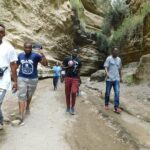
Inside Hell’s Gate, the options listed include walking, cycling, rock climbing, bird watching, and trekking through the gorge near geysers. Since these activities are listed as choices, you should plan based on your fitness and how your legs feel after Uganda. If you want a slower day, you can stick to walking and bird watching.
Day 10 also tends to be one of those “choose your pace” days. I’d treat it like that. Don’t force big adrenaline if your body is still recovering.
Amboseli National Park: elephants near Mount Kilimanjaro
Amboseli is where the trip leans back into classic safari drama. On day 11, you’ll depart for Amboseli via Nairobi, drive through Maasai country, and reach the plains below Mount Kilimanjaro. You’ll have a picnic lunch en route with the mountain as a dramatic backdrop, then check in at Aa Lodge Amboseli.
This section matters because the scenery and wildlife here are tightly linked. Amboseli is often at its best when you can see the mountain clearly, and this itinerary schedules your day for that possibility.
Day 12 is your full elephant time. You’ll rise early for breakfast with Kilimanjaro views before clouds build, then go out for morning and afternoon game drives. A packed lunch is provided so you can stay out longer instead of rushing back and forth.
The plan also includes an optional Maasai village visit. It’s framed around singing and dancing, plus sacred rituals and a look at homes and social structure. I like optional cultural time like this because it keeps the day flexible: if you want wildlife focus, you can lean that way; if you want context, you can take the visit.
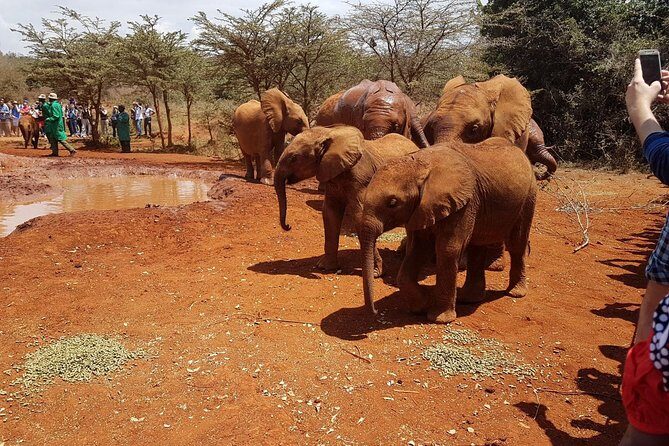
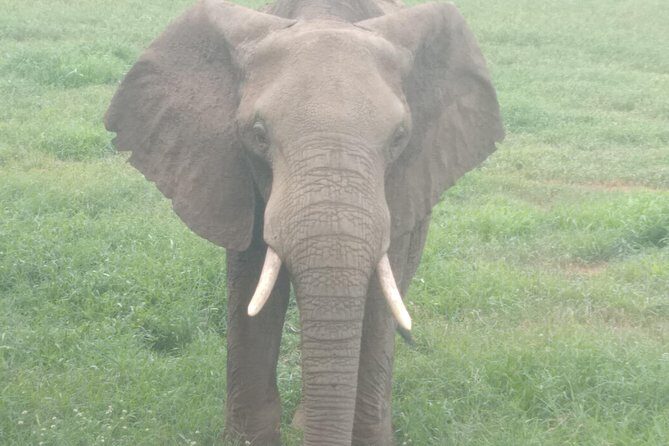
The itinerary also highlights Amboseli as possibly one of the best wildlife areas in Africa for elephants at close range, with elephant feeding and bathing in swamps as major moments. That’s the kind of thing you remember long after the drive.
Back to Nairobi: finish with an easy airport transfer
On day 13, you’ll have breakfast early, then drive back to Nairobi airport for your next flight. There’s something comforting about ending on a straightforward plan after a circuit of multiple parks and a gorilla trek day.
By this point, you’ll have seen a mix of wildlife styles: open savannah predators in Mara, bird-packed Nakuru, the trekking intensity of Mgahinga, and elephant-focused Amboseli. If you like variety without cutting the safari time too short, this ending makes sense.
Value check: is $4,000 per person a fair deal?
At $4,000 per person, this trip is priced for a high-signal experience, not a budget sampler. What justifies it is the combination: two major Kenya safari zones (Mara and Nakuru) plus a Uganda gorilla trek, then Naivasha and Hell’s Gate, then Amboseli elephants.
What helps the value is organization and continuity. Independent safari success depends on timing, reliable guiding, and smooth transfers. Reviews of Silver Spark Africa Safaris repeatedly praise the team’s organization, including support from Abongo who answered questions before and during the trip. Guides and drivers like Brian and Peter are also described as friendly and helpful, which is exactly what you want when you’re spending long days on the road.
That said, big-ticket trips like this are worth verifying detail-level inclusions. The itinerary notes most days as admission ticket free, while some specific add-ons (like the boat ride) are described as extra cost. Before you go, ask what’s covered for the gorilla permit and what’s optional so there are no surprises.
Should you book this Uganda and Kenya safari?
Book it if you want a trip that balances three anchors: Mgahinga mountain gorillas, Kenyan safari classics in Maasai Mara and Lake Nakuru, and the elephant-and-Kilimanjaro magic of Amboseli. You’ll also like it if you enjoy guided structure but still want some choice days, like community time in Kisoro and activity options at Hell’s Gate.
Skip it if you hate early mornings or you know the idea of a full-day trek sounds like a hard no. This route includes physically demanding walking, plus lots of transfer hours between regions.
If you do go, bring solid boots, pack for early starts, and plan to slow down on the walking days. You’ll get the best version of this safari when you treat it like a journey, not a checklist.
FAQ
What is the duration of the tour?
The tour runs for 13 days (approx.).
Where does the tour start and end?
It starts at Jomo Kenyatta Intl Airport in Nairobi, Kenya and ends back at the meeting point.
Is pickup included?
Yes, pickup is offered.
Is this a private tour?
Yes. It’s listed as private, so only your group participates.
What meals are included?
The package includes breakfast (13), lunch (12), and dinner (12).
Are alcoholic beverages included?
No. Alcoholic beverages are not included.
Are there any activities that cost extra?
Yes. The itinerary mentions a boat ride (on Lake Naivasha) as an extra cost option.
Can I cancel for a full refund?
Yes, free cancellation is available. You can cancel up to 24 hours in advance for a full refund.