REVIEW · NAIROBI
Overnight Amboseli National Park Safari from Nairobi
Book on Viator →Operated by Wellington Ecotours and Safaris · Bookable on Viator
Kilimanjaro feels close in Amboseli. This 2-day safari from Nairobi strings together a Giraffe Center visit, dusk and dawn game drives, and optional Maasai and craft stops. You also get pickup and Wi-Fi on board, so the plan runs like a smooth day out rather than a logistics project.
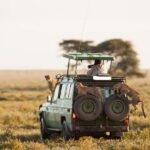
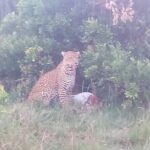
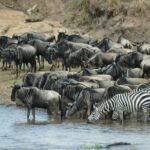
What I love most is the animal timing: you get a 16:00 evening game drive plus an early morning drive when wildlife is most active. I also like how the guide, Wellington, stays focused on sightings and keeps the pace calm, even when the wild decides to take its time.
One thing to watch: park entrance fees for Amboseli are not listed as included, and “accommodation” is also listed as not included—yet the itinerary mentions an overnight at Kibo Safari Camp. Double-check what’s actually covered in your booking.
In This Review
- Key highlights you’ll actually care about
- Nairobi to Amboseli: early departure that pays you back
- Giraffe Center: close-up Kenya before the safari
- Day 1 in Amboseli: lunch, rest, then the 16:00 evening drive
- Day 2: early morning game drive and Kilimanjaro at first light
- Optional Maasai culture at Olpopongi and the Kazuri bead factory
- Olpopongi Maasai Cultural Village & Museum (optional)
- Kazuri Beads Factory (included stop with free admission)
- Price and value: $435 and the “check what’s included” part
- Who should book this Amboseli safari from Nairobi
- Should you book this Amboseli overnight safari?
- FAQ
- What time does the safari start from Nairobi?
- Where is the meeting point in Nairobi?
- How long is the tour?
- How much does the safari cost per person?
- Is pickup and drop-off included?
- What meals are included?
- Is Wi-Fi provided?
- Are park entrance fees included for Amboseli?
- Is accommodation included?
- Can I visit the Maasai cultural village and museum?
- What is free at Kazuri Beads Factory?
Key highlights you’ll actually care about
- Two game drives, different moods: dusk for drama and early morning for the best odds.
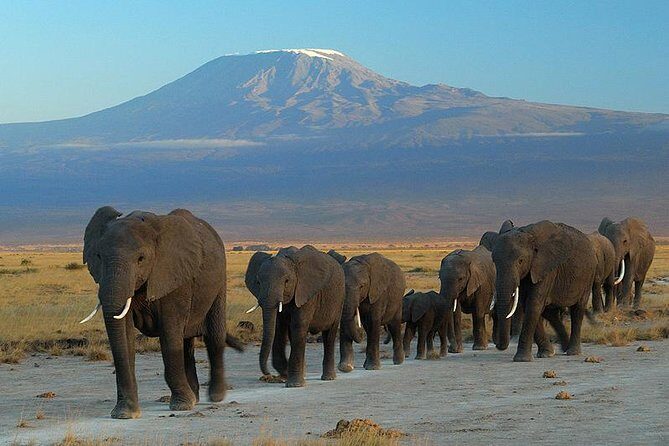
- Kilimanjaro views at first light: the plan is timed so the mountain shows up dramatically.
- Giraffe Center up close: you can see (and feed) giraffes in a protected setting.
- A patient, on-the-ball guide: Wellington prioritizes sightings and good timing.
- Optional Maasai culture stop: Olpopongi includes dance and spear-throwing-style activities.
- Kazuri bead factory visit: one-on-one maker interactions and easy souvenir shopping.
Nairobi to Amboseli: early departure that pays you back
This safari is built around the long-drive reality of Kenyan parks. You meet at Kenya National Archives on Moi Avenue, next to Ambassadeur Hotel, and you start very early (the listed start time is 5:00am). You then head out toward Amboseli on a drive that’s commonly described as about 3–4 hours.
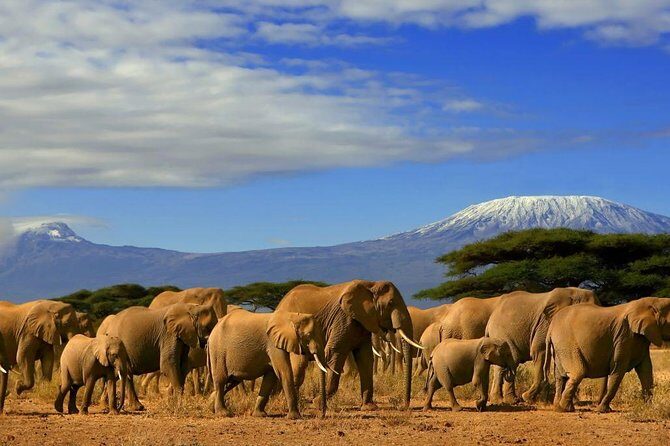
For you, that means you’re not wasting daylight. By the time you reach the park for mid-day, you’re set up for a proper rest and lunch, then you roll into the evening drive with full energy. The evening timing matters too. Dusk is when you often see predators or at least the “big moment” behavior—grazing lines, herds shifting, and animals getting restless as temperatures drop.
Practical tip: pack layers. Even when Nairobi feels warm, savannah mornings and evenings can feel cooler fast. Bring a camera strap you can manage with gloves-free hands, and keep your phone charged in the car.
A few more Nairobi tours and experiences worth a look
Giraffe Center: close-up Kenya before the safari
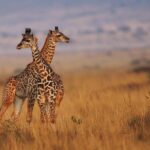
Before Amboseli, the tour includes a stop at the Giraffe Center in Lang’ata, about 20 km from Nairobi. The center protects vulnerable giraffes, and the best part here is how close you get—this isn’t just a fence-and-from-a-distance photo stop.
You’ll likely appreciate it if you want something rewarding even before the park. It also breaks up the ride so the day doesn’t feel like nonstop highway time. And if you’re traveling with kids or anyone who gets restless early, this kind of stop can keep spirits high before the real safari begins.
One consideration: up-close animal experiences can be crowded and very hands-on. Wear closed shoes, keep your hands where staff tell you, and don’t rush the moment. If you treat it like a calm encounter instead of a selfie sprint, you’ll enjoy it more.
Day 1 in Amboseli: lunch, rest, then the 16:00 evening drive
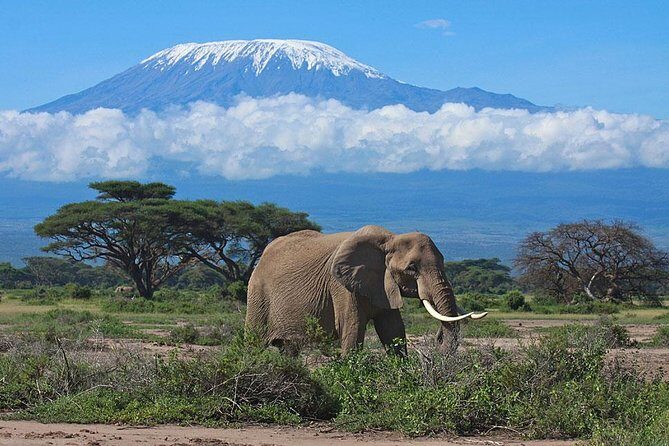
Once you arrive in Amboseli, the plan is straightforward. You stop for lunch, then you get a short rest. After that, you set out for the evening game drive at 16:00.
This is the part of the day that tends to feel most thrilling. The sky starts changing, animals move with purpose, and you get that classic savannah feeling of wide open sightlines. In a place like Amboseli, you’re also chasing the contrast: bright plains, dusty trails, and the chance of dramatic views depending on cloud cover.
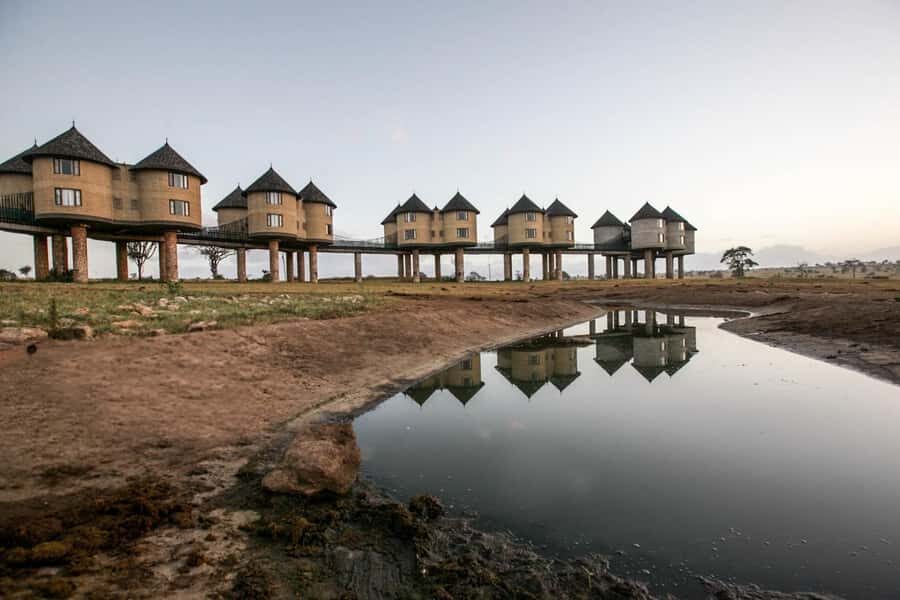
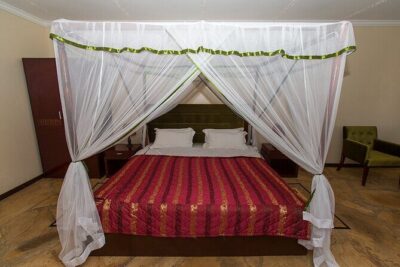
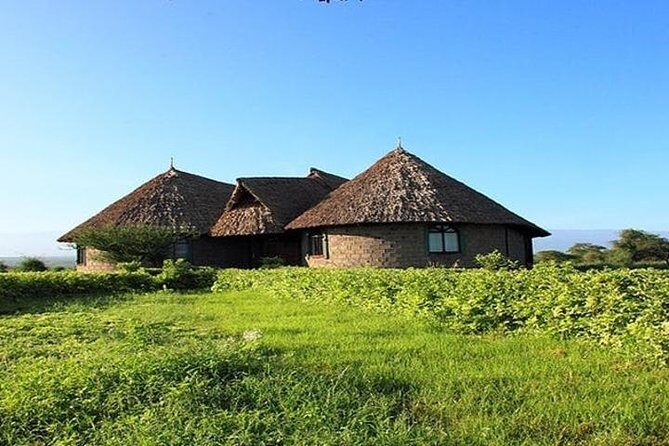
Then comes the night part, which is often overlooked in safari schedules. The itinerary includes dinner and an overnight at Kibo Safari Camp. Even without guarantees, you should expect the “night sounds of the wild” vibe that makes safari stays feel real. It’s not a hotel quiet. It’s nature doing nature things.
Practical tip: bring a small flashlight for any in-camp walking. If you like better sleep, consider earplugs—some people love the sounds, others want less of them.
Day 2: early morning game drive and Kilimanjaro at first light
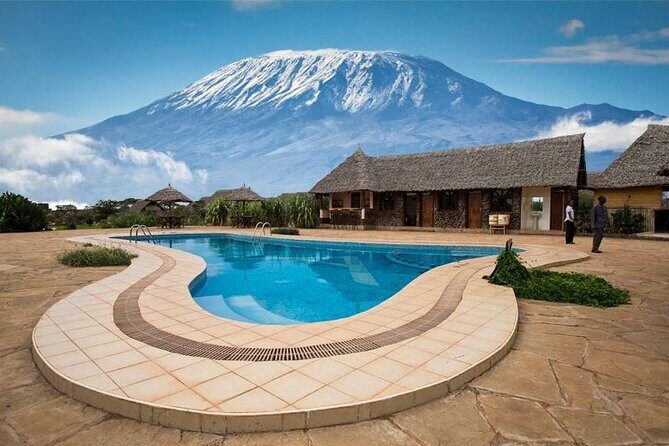
The second day is where Amboseli earns its reputation. You wake for an early morning game drive, and the schedule specifically calls out Mount Kilimanjaro views at that time of day.
The plan describes how morning light can turn the mountain dramatic, with the mountain shifting to darker purples and the snow taking on soft pink tones. That kind of color show doesn’t happen all day long, which is why the timing is the whole point. You’re pairing it with the best wildlife hours too, when animals are usually more active and easier to spot.
After the morning drive, you head back to the lodge for breakfast, then you pack up and drive back toward Nairobi. This is where the day can feel a little rushed if you’re the type who wants one more hour in the park. The upside is you get two chances for wildlife—dusk and dawn—so you’re not betting everything on one outing.
Tip for photos: shoot when others are stopping to scan. Those quiet moments can produce the best angles.
Optional Maasai culture at Olpopongi and the Kazuri bead factory
On day 2, you have two cultural stops that add variety after safari time.



Olpopongi Maasai Cultural Village & Museum (optional)
The tour lists Olpopongi as an optional stop: Olpopongi – Maasai Cultural Village & Museum. It includes educational museum-style activities and hands-on cultural demonstrations such as spear throwing and Maasai dancing. The planned duration is about 2 hours, and the admission ticket is listed as free.
This stop is best if you want context beyond animals—how people live, celebrate, and pass skills through performance and practice. It can also be a nice pace change after long drives and game spotting.
Kazuri Beads Factory (included stop with free admission)
Next is the Kazuri Beads Factory in Nairobi. This stop is about 2 hours and has free admission listed. Kazuri is known for creating employment for single mothers and under privileged mothers, and you’ll get to interact one-on-one with people making the beads.
You can buy items, but purchases are your own cost. Even if you don’t buy anything, you’ll probably enjoy watching how the craft turns into wearable souvenirs that feel local rather than generic.
Practical tip: if you want to shop, bring a budget for a few small items. If you want photos, ask before snapping close-ups—some workshops are happy to show, others prefer you focus on viewing and listening.
Price and value: $435 and the “check what’s included” part
At $435 per person, this tour can be good value if you’re comparing like-for-like safari days: transport from Nairobi, guided drives, meals, and the extra Nairobi stops.
From what’s listed as included, you should expect:
- Lunch, dinner, and breakfast
- Pickup and drop-offs
- Guide/driver
- Wi-Fi on board
From what’s listed as not included, you should plan for:
- Alcoholic beverages
- Entrance fee for Amboseli National Park
- Accommodation (even though the itinerary mentions an overnight at Kibo Safari Camp)
That last point is important. The itinerary strongly suggests your night is handled via that camp, but the “accommodation not included” note means you should confirm with the provider what your final total covers. If accommodation is extra, the real cost can move up quickly once park and camp charges are added.
My take: the $435 price looks fair for a 2-day structured safari with meals and guided drives. Just don’t let the final bill surprise you. Ask one clear question before you pay: what are the guaranteed charges versus add-ons.
Who should book this Amboseli safari from Nairobi
This is a strong fit if you want:
- Two game-drive chances instead of one
- A schedule that works for Kilimanjaro views at dawn
- A mix of safari and culture (Giraffe Center, Maasai option, Kazuri craft)
It’s also private, with the note that only your group participates. That’s useful if you want fewer distractions while searching for wildlife.
If you dislike early starts, this might feel like a punishment. But if you enjoy first-light magic and want the best odds of seeing animals and the mountain, the early wake-up is exactly the point.
Should you book this Amboseli overnight safari?
Yes, if your priority is a properly timed safari package rather than a loose itinerary. The two-drive rhythm (evening at 16:00 plus early morning) is the core strength, and the Kilimanjaro timing is planned to maximize your chances. I also like that the day doesn’t end at the park gate; you get meaningful stops like Giraffe Center and Kazuri, with an optional Maasai cultural experience if you want it.
Book it with one smart step: confirm what’s covered under accommodation and park entrance fees in your specific booking. Once you’ve got that clear, this is the kind of 2-day trip that can turn into a favorite memory fast.
FAQ
What time does the safari start from Nairobi?
The start time is listed as 5:00am, with the drive toward Amboseli noted early in the day.
Where is the meeting point in Nairobi?
The meeting point is Kenya National Archives on Moi Avenue, next to Ambassadeur Hotel.
How long is the tour?
The tour duration is approximately 2 days.
How much does the safari cost per person?
The price is $435.00 per person.
Is pickup and drop-off included?
Yes. Pickup and drop-offs are included.
What meals are included?
Lunch, dinner, and breakfast are included.
Is Wi-Fi provided?
Yes, Wi-Fi is listed as available on board.
Are park entrance fees included for Amboseli?
No. Entrance fees for Amboseli National Park are listed as not included.
Is accommodation included?
Accommodation is listed as not included, even though the itinerary mentions an overnight at Kibo Safari Camp—so confirm what your booking covers.
Can I visit the Maasai cultural village and museum?
Yes, Olpopongi is listed as optional. The schedule says it runs about 2 hours, and the admission ticket is free.
What is free at Kazuri Beads Factory?
Kazuri Beads Factory has free admission listed, and you can also interact with the bead makers there. Purchases, if you choose to buy, are your own cost.