REVIEW · NAIROBI
Nairobi; National Park, Elephant Sanctuary & Giraffe Center.
Book on GetYourGuide →Operated by Nairobi and Beyond Safaris · Bookable on GetYourGuide
Three big wildlife moments start before sunrise. In one smooth day, you’ll mix Nairobi National Park game driving with the heartwarming David Sheldrick elephant work and giraffe feeding at the Giraffe Centre, so the focus stays on animals and conservation. I especially like that your elephant sanctuary visit is pre-reserved, which removes a lot of last-minute stress.
You’ll also get a rare hands-on experience at the Giraffe Centre, where feeding Rothschild giraffes is the star of the show. The main thing to consider is money timing: the National Park entry fee is not included and must be handled via e-citizen, while the elephant sanctuary uses cash and the giraffe center uses a credit card.
In This Review
- Key highlights worth planning for
- A tight loop of Nairobi conservation in 8 hours
- Nairobi National Park game drive with skyline views
- David Sheldrick Wildlife Trust: orphan care you can actually see
- A quick caution about elephant-feeding expectations
- Nairobi County stop for coffee, snacks, and a flexible break
- Giraffe Centre feeding time for Rothschild giraffes
- Price math: what $40 covers and what you still pay
- The best way to think about value
- Getting the timing right: early pickup and a smooth flow
- A real-world payment warning you should heed
- Practical tips for shoes, photos, and payment mix
- Who should book this day trip?
- Should you book this Nairobi conservation combo?
- FAQ
- How long is the tour?
- What time do you get picked up?
- Is Nairobi National Park entry included?
- What is included in the price?
- How much is the David Sheldrick Wildlife Trust entrance?
- How much is the Giraffe Centre fee?
- Is lunch included?
- Are pets allowed?
Key highlights worth planning for
- Pre-reserved David Sheldrick access so you can get in smoothly
- Nairobi National Park game drive with the city skyline in the background
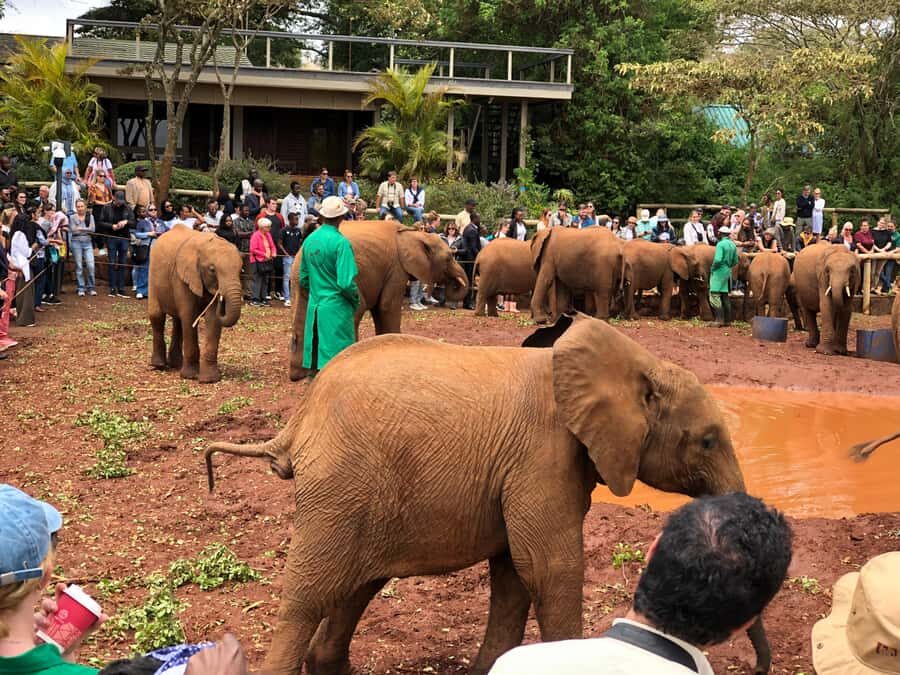
- Keeper-led elephant orphan care and chances to see them wallow in mud
- Feeding Rothschild giraffes plus time to learn about conservation
- A tight three-stop day that covers a lot without feeling rushed
A tight loop of Nairobi conservation in 8 hours
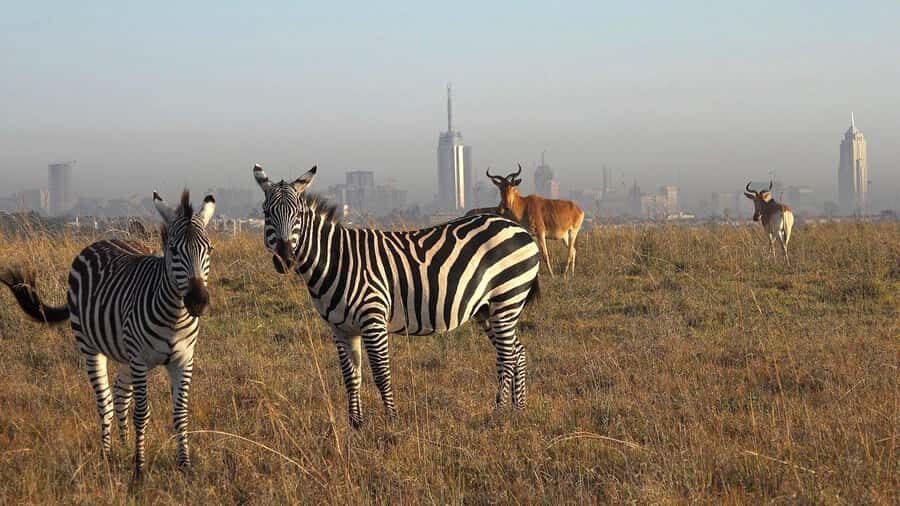
This is one of those rare Nairobi days that doesn’t ask you to choose between wildlife and impact. You start with wild animals in Nairobi National Park, then shift to rehabilitation at the David Sheldrick Wildlife Trust, and finally end with Rothschild giraffes at the Giraffe Centre. The best part is how the day tells a story: what survival looks like in the wild, and what rescue looks like when the wild breaks.
Because it’s built as a single connected flow with hotel pickup and drop-off, you’re not spending your morning figuring out routes or negotiating transfers. The vehicle has Wi-Fi and you get a bottle of water, which sounds small until you realize how quickly an early day can drain you.
One other practical bonus: it’s long enough to feel complete, but still short enough that you’re not stuck in transit all day. At the 8-hour mark, you’ll be back in Nairobi ready to eat a proper lunch or relax—assuming you don’t lose track of time on the game drive camera binge.
You can also read our reviews of more tours and experiences in Nairobi.



Nairobi National Park game drive with skyline views
Your day kicks off with pickup from your hotel or apartment, with drivers typically collecting you about 15 minutes before 6 am. It’s early on purpose. In Nairobi National Park, the animals are often more active when it’s cooler and the light is softer—great for sighting and photography.
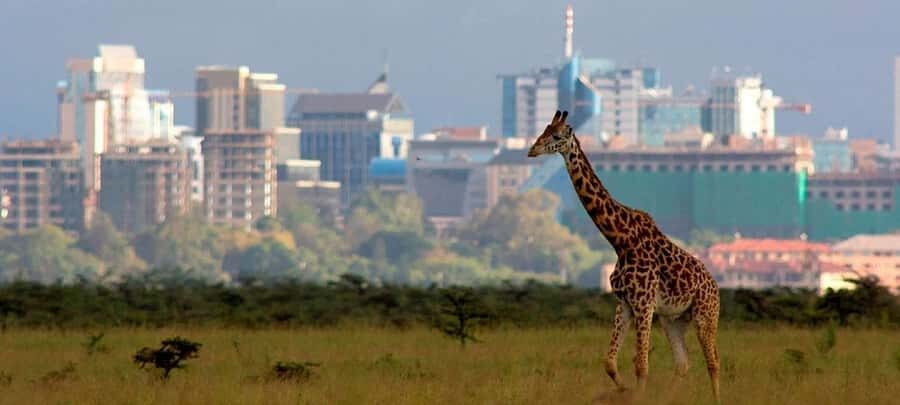
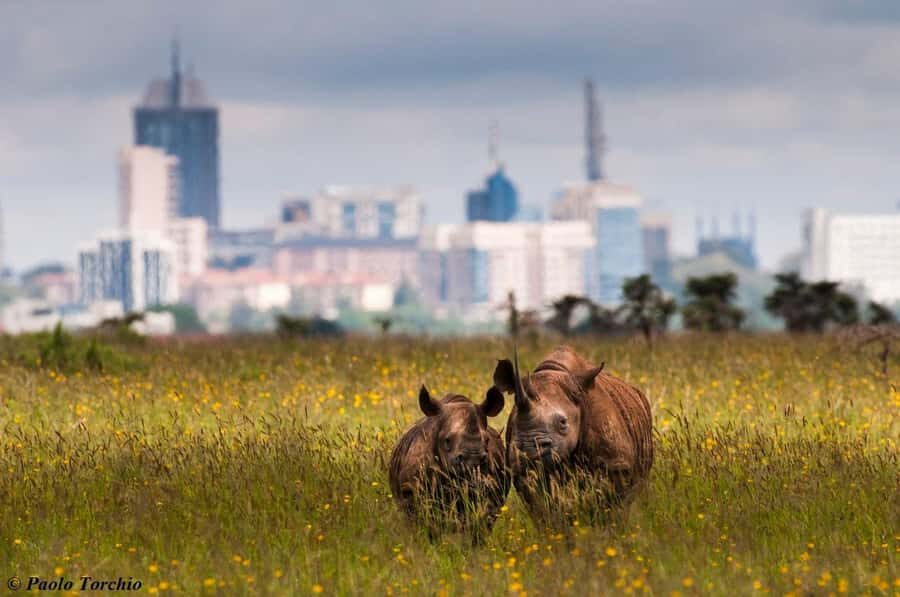
Once you’re inside the park, you’ll do a guided game drive with photo stops and scenic viewpoints. What makes this park special is that Nairobi’s skyline is visible in places, so you get an unusual mix: big wildlife energy and city context right at the same time. It’s one of the reasons this park remains so popular for first-time visitors who want a real safari feel without leaving Nairobi.
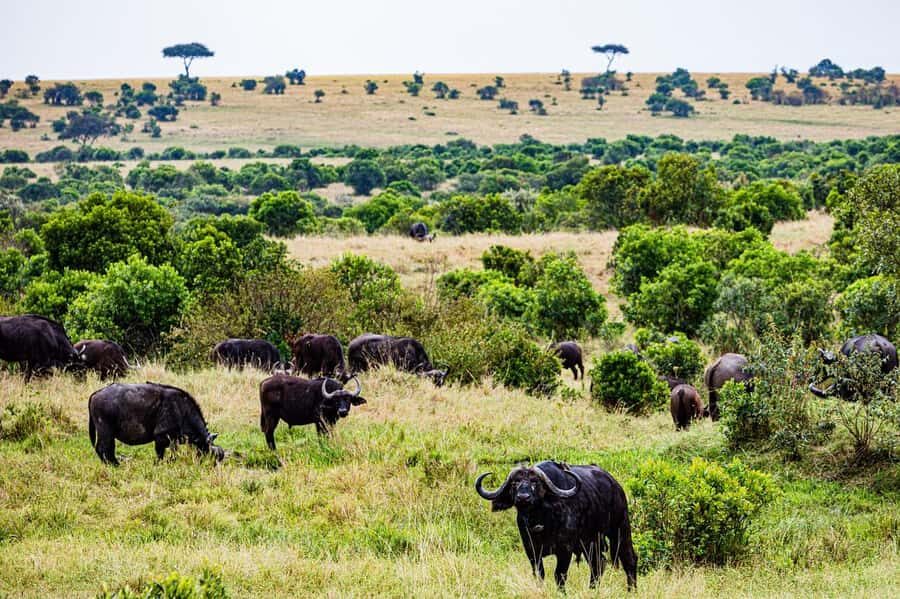
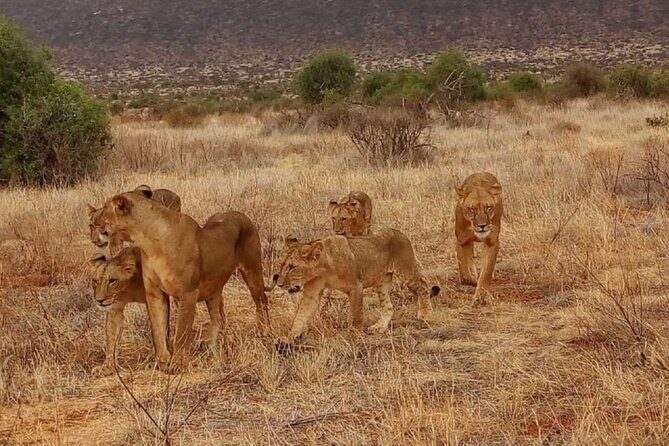
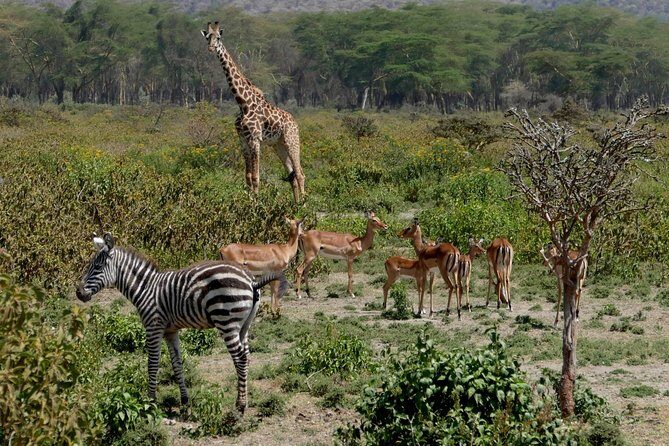
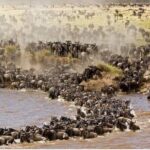
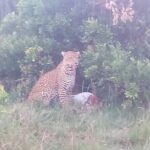
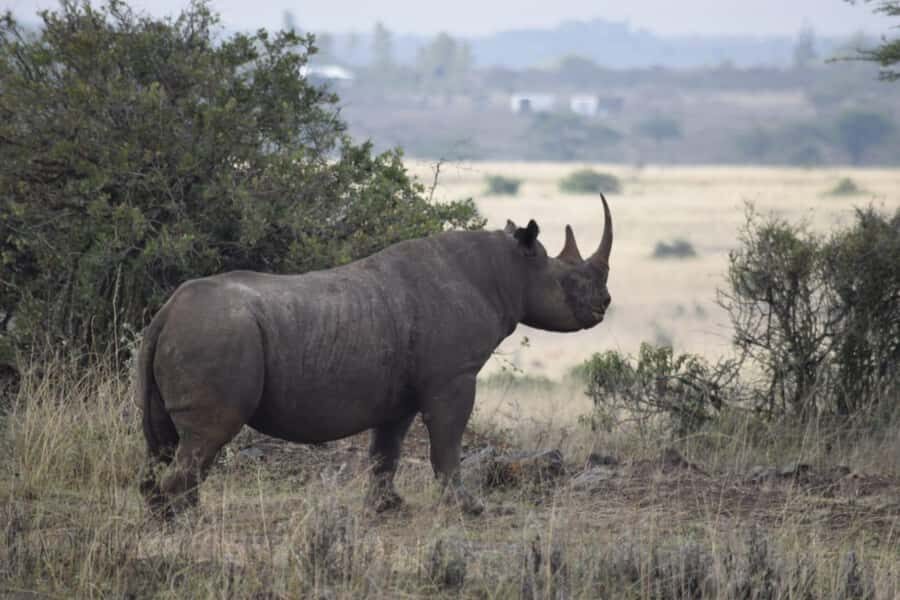
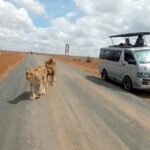
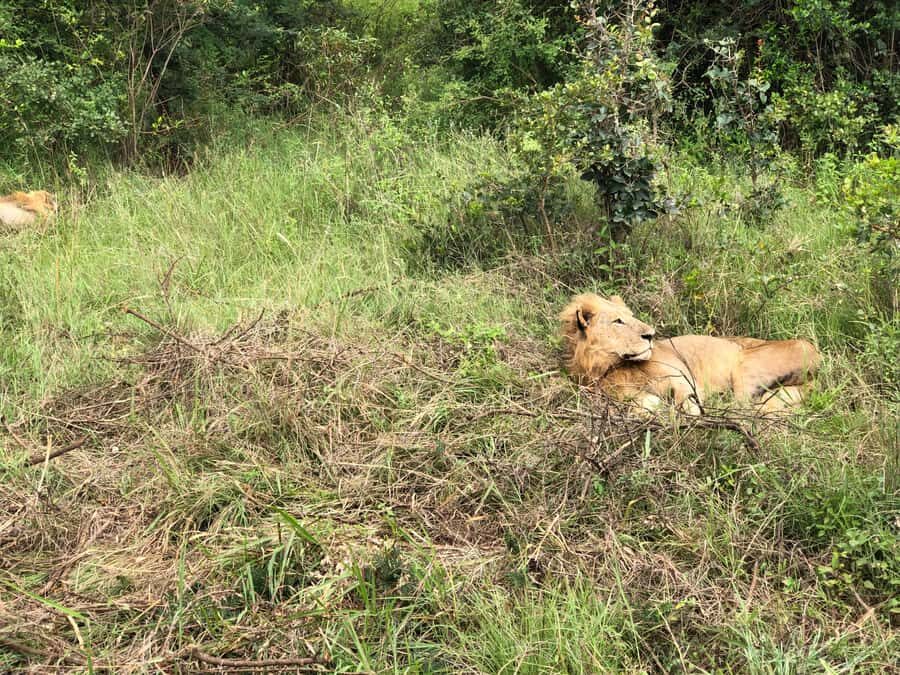
In terms of what you might spot, the park is known for large herds and a strong chance at the big names. Expect opportunities for black and white rhinos, along with Maasai giraffes, zebras, antelopes, lions, hippos, and crocodiles, plus plenty more. Even when you don’t see every headline animal in a single drive, the odds are good because the park is set up as a living ecosystem and the drive is guided.
My advice for the game drive: dress for early morning cool and bring shoes you can stand in comfortably. You’ll be out and repositioning for sightings. And if you’re serious about photos, keep your camera ready during stops rather than treating every minute like a surprise.
David Sheldrick Wildlife Trust: orphan care you can actually see
After the park, you head to the David Sheldrick Wildlife Trust—one of Africa’s most famous elephant rehabilitation centers. This is the emotionally loaded stop on the day, and it’s also where the conservation story becomes real.
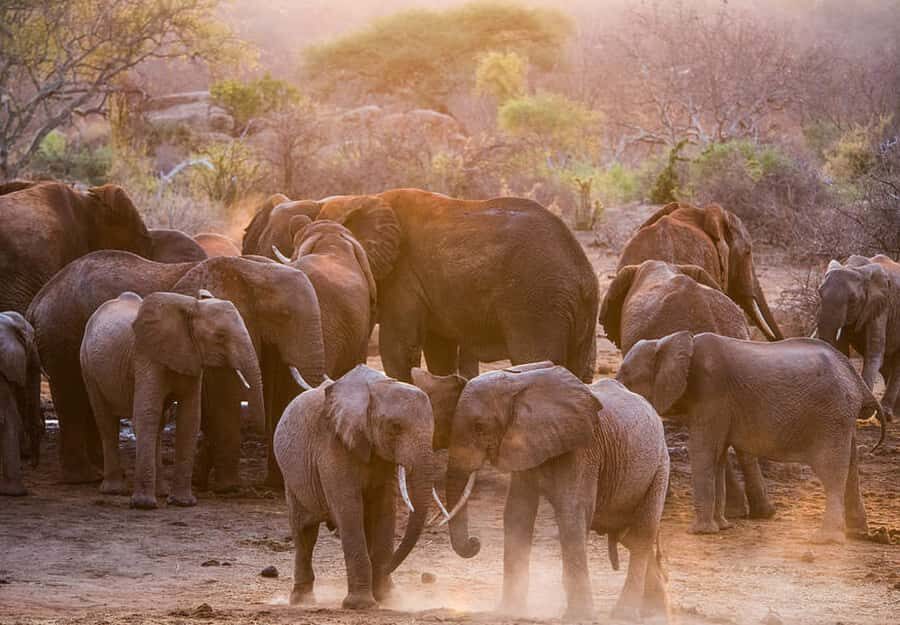
The visit includes a guided tour, typically about an hour. You’ll see the work that goes into rescuing orphaned baby elephants and supporting them as they grow. The keepers feed the baby elephants during the visit, and you can watch them wallow in the mud afterward. That mud time may sound simple, but it’s part of normal elephant behavior—and it helps you picture the difference between a care facility and a zoo experience.
There’s also a chance to support the trust more directly. The center encourages people who want to help to adopt an elephant, which is a clear, tangible way to convert empathy into action. Even if you don’t adopt, the visit still gives you a better sense of why rehabilitation centers matter: it’s not just about saving individual animals, it’s about restoring chances for a future in the wild.
One practical note: your package includes elephant sanctuary reservation slots, which is what helps you avoid the usual scramble. You get direct entry that’s meant to be stress-free. For a busy day, that’s huge.
A quick caution about elephant-feeding expectations
You’re not paying for a private, exclusive interaction. You’re observing and learning during scheduled keeper activities. That said, the feeding moments and the ability to watch behavior like wallowing are often what stick with people long after they forget the finer details of the drive.
Nairobi County stop for coffee, snacks, and a flexible break
Between the elephant center and the giraffe-focused end of the day, you’ll have a scheduled break in Nairobi County. This is a practical buffer that keeps the day from turning into back-to-back animal marathons.
During this window, you may have time for coffee, tea, and breakfast-type options, plus shopping and arts and crafts. The goal is to let you stretch, use facilities, and pick up small supplies so you’re not trying to solve everything while you’re near the final attraction.
Lunch is not included, so you’ll either grab something during this break or you’ll plan for lunch after you’re done. If you have a sensitive stomach or you hate eating in a rush, I’d plan to eat here rather than hoping you can wait until you get back.
If you’re the type who wants local flavor, keep your expectations realistic: this is a quick stop, not a full cultural tour. But it’s still a useful chance to reset and stock up on small items you might need later.

Giraffe Centre feeding time for Rothschild giraffes
The final attraction is the Giraffe Centre, dedicated to conserving Rothschild giraffes. It also focuses on endangered Nubian giraffes, so you’ll get conservation context alongside the fun part.
You’ll take a guided tour here, again about an hour, which helps you get beyond just selfies. The center explains conservation efforts and what makes these giraffes special. Then you get an opportunity to feed the giraffes—this is the moment most people remember.
Feeding is usually the kind of experience you can’t replicate elsewhere without setting it up well in advance. You’ll get close enough to feel how calm and present these animals can be, and you’ll likely want to make the most of photo time. Yes, selfies are part of it. But if you slow down for a minute, you’ll notice how the giraffes interact with keepers and how carefully the feeding is handled.
A small practical tip: wear comfortable clothes you don’t mind getting a little dusty or touched by the environment. Your hands and camera are going to be busy, and that’s normal here.
Price math: what $40 covers and what you still pay
The headline price is listed as $40 per person for a full 8-hour day with hotel pickup, a guide in English, Wi-Fi on board, and a bottle of water. It also includes reservation slots for the elephant sanctuary, which is a meaningful value-add because it helps you get in directly.
But the big fees are separate:
- National Park entry fee: $80, handled through your e-citizen account
- Elephant sanctuary entrance: $20 paid in cash
- Giraffe Centre: $15 paid by credit card
- Lunch: not included
So the real cost is more than $40 once you add admissions. The good news is that you’re paying for three different experiences that would normally require separate planning and separate tickets: a park drive with rhinos and predators, a rehabilitation center visit with keeper-led feeding, and a giraffe conservation stop with feeding time.
The best way to think about value
You’re paying for logistics done for you. If you were DIYing this, you’d spend time coordinating transfers, tracking admission procedures, and dealing with entry timing—especially for the elephant center. For many people, that time saving is worth the extra cost on top of the base fee.
Getting the timing right: early pickup and a smooth flow
This kind of day works because it’s sequenced. You start early, then you shift from wild habitat to rehabilitation to education and feeding. That order matters.
- Morning starts with the game drive when visibility and animal activity can be better.
- Midday moves you into a calmer environment where keeper schedules guide what you see.
- Later afternoon at the Giraffe Centre is easier on your energy and keeps the day from ending on a stressful rush.
You’ll typically ride in a van with short travel legs between stops. The schedule includes time for movement and one longer gap for the County break. It’s not designed to feel chaotic, but you should still assume it will be a packed day.
A real-world payment warning you should heed
If you buy your National Park ticket online, double-check that you’re presenting the ticket with the correct date. One common problem is confusion between the purchase date and the actual travel date shown on documents. I’d recommend bringing both the ticket confirmation and any document that clearly shows the correct entry date, just to avoid a headache at the gate.
Practical tips for shoes, photos, and payment mix
If you want this day to go smoothly, prep around the things the tour can’t control: your comfort and your payment methods.
Bring:
- Comfortable shoes (you’ll be standing and moving)
- A credit card (for the Giraffe Centre fee)
- Comfortable clothes for early morning and outdoor time
Bring a payment plan:
- Plan for the park fee through e-citizen
- Have cash for the elephant sanctuary entrance
- Have a credit card for the Giraffe Centre
Photos:
- Keep your camera accessible during game drive photo stops
- Expect more portrait-style shots at the giraffe feeding moment
- For elephant care, focus on moments when keepers are actively feeding or when the elephants show behavior like wallowing
Other notes:
- Pets aren’t allowed.
- The tour is wheelchair accessible.
- Private group options exist if you want more flexibility and a quieter pace.
Who should book this day trip?
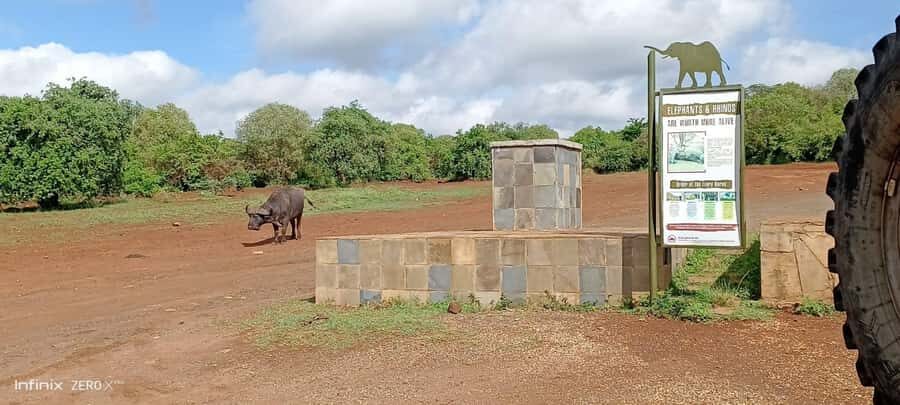
This is a great match if you want three major Nairobi wildlife and conservation stops without creating a logistics puzzle. It’s especially useful for first-timers who want to see a safari-style environment while still staying in Nairobi, plus an elephant rehabilitation center that feels hands-on and educational.
It’s also ideal if you care about conservation beyond the postcard. The day doesn’t just say animals exist—it shows rehabilitation work and giraffe conservation efforts, and it gives you a way to support the elephant trust if you choose.
On the other hand, if you hate early mornings, or you really don’t want to juggle multiple payment methods and entry systems (e-citizen + cash + card), you may find the admin part annoying. The animals are worth it, but the process needs your attention.
Should you book this Nairobi conservation combo?
If you’re choosing between a half-day animal outing and something more mission-driven, I’d lean toward booking this. The day is built around a real sequence—wild habitat first, rehabilitation second, and conservation feeding and education last—and the reservation setup for the elephant sanctuary is a genuine quality-of-life improvement.
Before you book, do two things:
- Sort out the National Park entry through your e-citizen account so you’re not dealing with it on the fly.
- Prepare cash and a credit card so the elephant sanctuary and giraffe center fees don’t stall your day.
If you do that, you’ll get one of Nairobi’s best “conservation in motion” experiences: rhinos and predators in the park, baby elephant care up close, and a friendly finale feeding Rothschild giraffes.
FAQ
How long is the tour?
It’s about 8 hours.
What time do you get picked up?
Pickup is typically about 15 minutes before 6 am, depending on your location in Nairobi.
Is Nairobi National Park entry included?
No. The National Park entry fee is $80 and is paid through your e-citizen account.
What is included in the price?
Pickup and drop-off, a bottle of water, Wi-Fi on board, elephant sanctuary reservation slots, and an English-speaking tour guide.
How much is the David Sheldrick Wildlife Trust entrance?
The elephant sanctuary entrance fee is $20 paid in cash.
How much is the Giraffe Centre fee?
The Giraffe Centre costs $15, paid by credit card.
Is lunch included?
Lunch is not included.
Are pets allowed?
No, pets are not allowed.