REVIEW · NAIROBI
Masai Cultural Village Day Tour From From Nairobi
Book on GetYourGuide →Operated by Hedge Tours and Safaris · Bookable on GetYourGuide
A Maasai welcome sets the tone fast. This day tour takes you to a Maasai village on Nairobi’s outskirts, where you see how a semi-nomadic community lives and works. I like that the plan includes a traditional welcome ceremony plus direct interaction, not just a quick look-and-leave stop.
The second thing I love is the hands-on feel: you’ll be guided through daily life at the village, then move through a crafts and food market setup and cultural performances. You get a clearer picture of how people manage resources and make a living, even when conditions change.
One thing to keep in mind: details can vary by day and by the exact village you’re taken to, so don’t assume you’ll always see the same lineup of performers or specific activities. Also budget for the village entry fee, since it’s not included in the tour price.
In This Review
- Key takeaways before you go
- From Nairobi pickup to the long country drive
- The Maasai village welcome ceremony and first introductions
- The guided village walk, resource skills, and everyday culture
- Crafts and food market stops you’ll actually use
- Dance show time and the workshop-style exchange
- Photography tips: how to get good shots without being a nuisance
- Price and value: is $60 fair for what you’ll get?
- Who this Maasai village day trip suits (and who should choose another plan)
- The biggest practical hiccup to plan around
- Should you book this Maasai Cultural Village Tour from Nairobi?
- FAQ
- How long is the Maasai Cultural Village Day Tour from Nairobi?
- What’s included in the price of the tour?
- What is not included?
- Do I need to pay a village entry fee?
- Will I have an English-speaking guide?
- Does the tour include hotel pickup in Nairobi?
- Is there a skip-the-ticket-line option?
- Is the tour wheelchair accessible?
- What about cancellations and reserving?
Key takeaways before you go
- Welcome ceremony with warriors (when included): you may see a formal arrival and introduction moment designed to greet visitors.
- Village walk and guided tour: you get a real sense of how daily life is organized and shared with outsiders.
- Arts and crafts + food market visits: you’ll see what’s being made and how trade works locally.
- Dance shows and cultural performances: plan to watch, then ask questions when the guide invites it.
- Long scenic drive time: the van portion takes a big chunk of your day, so bring something to stay comfortable.
- Village entry fee is separate: pay on arrival in Kenya shillings or US dollars to get in.
From Nairobi pickup to the long country drive
This tour starts with hotel pickup in Nairobi and then a drive out toward the Maasai region. You’ll have multiple pickup points to choose from, including Nairobi County, Nairobi West, and even Jomo Kenyatta International Airport, which is handy if you’re mixing it with travel days.
Once you’re on the road, the drive becomes part of the experience. The tour is built around that outside-of-town setting, so you’re not just traveling to a building. You’ll also have a chance for scenery along the way, which matters because it helps you understand why communities are where they are and how people relate to the land.
Expect a van ride and a guided day structure. The vehicle has air conditioning, and bottled water is included, which is a small thing that helps a lot when the heat is doing its job.
One practical thought: with a half-day listing but a schedule that includes significant drive time both ways, plan for a “day that starts early and ends later than you expect.” I’d rather you show up mentally prepared than disappointed when the day moves slower.
You can also read our reviews of more tours and experiences in Nairobi.



The Maasai village welcome ceremony and first introductions
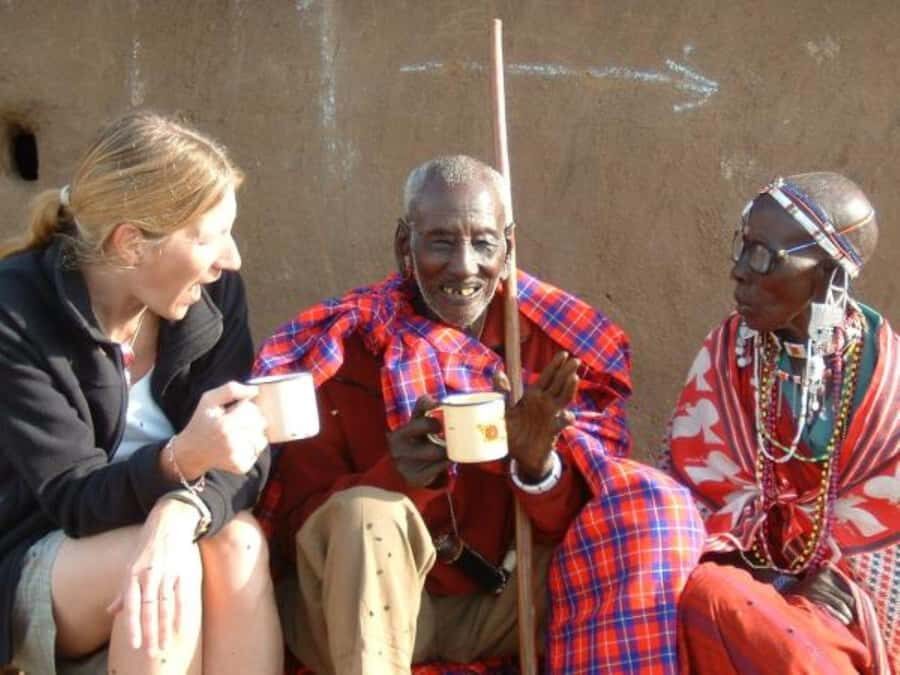
When you arrive, the first big moment is the welcome ceremony. The tour is designed to show you that arrival ritual as part of the greeting, and it’s usually the part that people remember because it feels like you’ve stepped into someone’s real day, not a staged stop.
You’ll be guided in how to participate respectfully. That means you’re watching the ceremony, then interacting in the way the guide explains. If the ceremony includes warriors as part of the group you see, that’s a strong visual element: you get the energy of a traditional introduction and the way the community presents itself to visitors.
Do note a key caution. On some days, the performers you expect may not be the exact ones you see. One visitor reported being taken to a different village and not encountering the same warrior component, with women leading the walkthrough and a different ending performance. Translation for you: confirm what’s included for your day and keep your expectations flexible.
The guided village walk, resource skills, and everyday culture
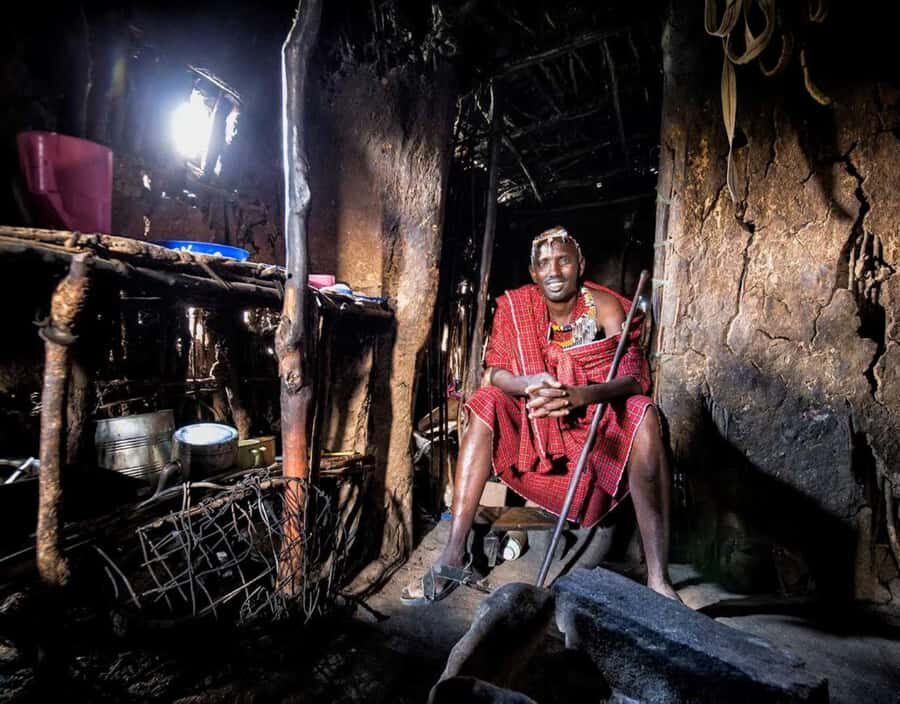
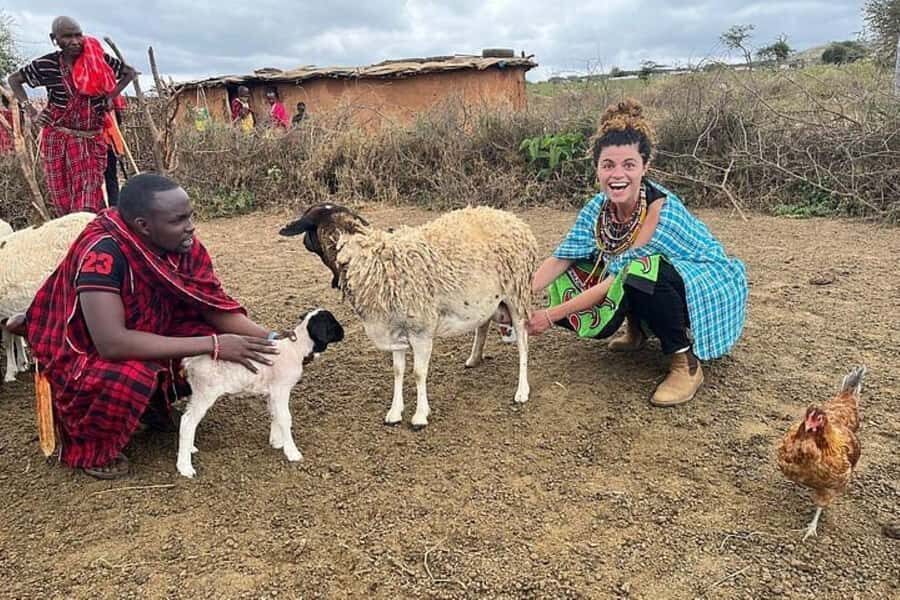
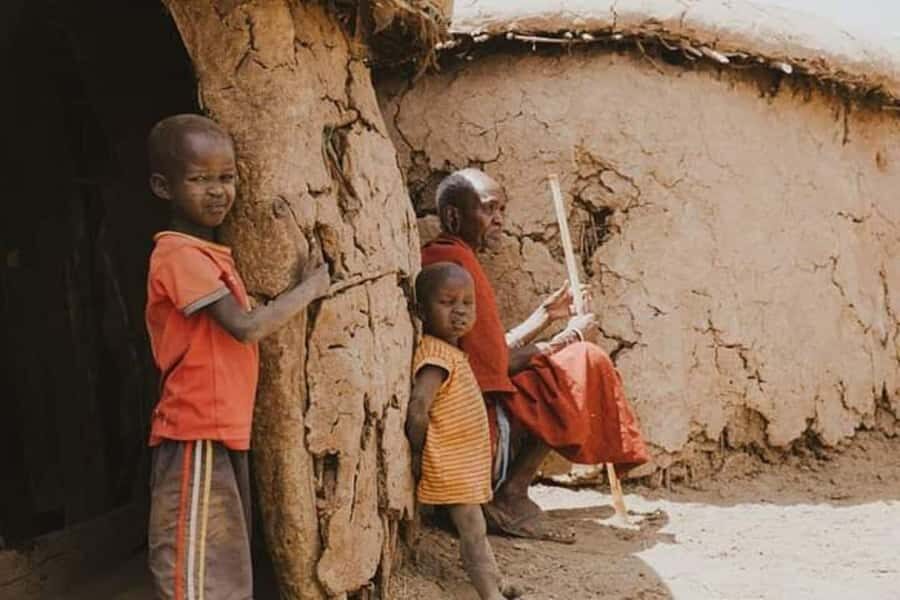
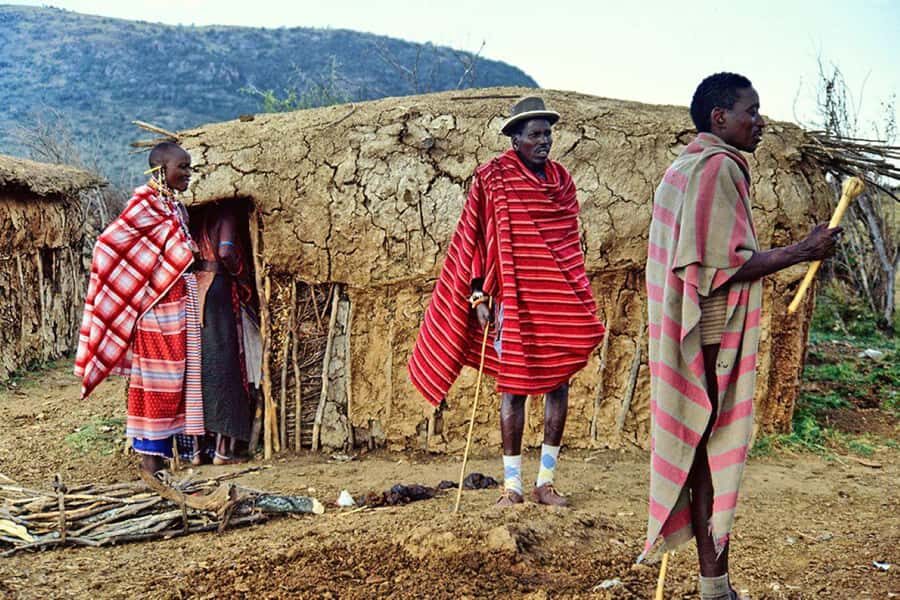
After the welcome, the center of the day is a guided tour and walk inside the village setting. This is where the tour becomes more than photo time. You’ll learn about their semi-nomadic way of life and how traditions shape daily routines.
What you can look for during your visit:
- how people organize life around movement, seasons, and available resources
- how cultural practices show up in work and community roles
- local knowledge tied to farming and managing food
The plan also mentions things like agricultural techniques and food preservation. Even if you don’t understand every word, you’ll still get the practical logic: how to keep food usable, how to plan around what’s changing, and how household work fits into cultural identity.
You’ll likely have time to walk, ask questions, and see how people explain their routines. The best approach is simple: ask for the “why,” not just the “what.” Why this method. Why this order. Why it matters during the season they’re describing.
Crafts and food market stops you’ll actually use
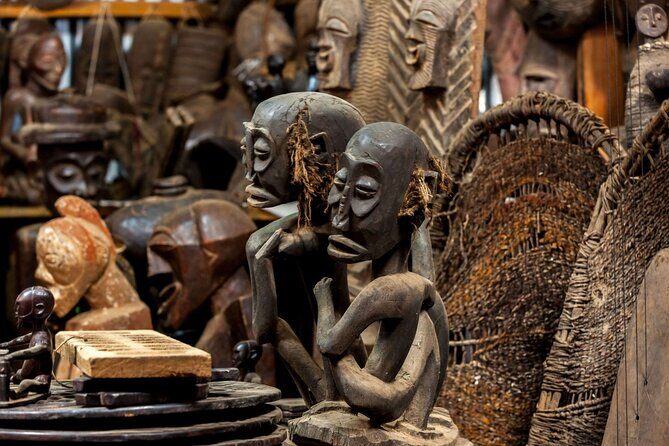
A big chunk of the experience includes market-style stops tied to the village visit. You’ll have a food market visit and an arts & crafts market visit, which are often where people learn the most about local economic life.
Here’s why these stops are valuable. When communities sell what they make, you get a window into what’s in demand, what skills are passed down, and what visitors want to take home. Even if you don’t buy much, watching how selling works can teach you more than a lecture.
If you do buy crafts, take a patient approach. This isn’t about speed. It’s about relationships. Ask what it’s made from, how it’s produced, and what it represents. Then decide if it’s a piece you genuinely want rather than a souvenir you buy because it’s available.
Also, keep an eye on cash handling. Since the village entry fee is paid separately, you may end up using cash in Kenya shillings or US dollars during the day. Having some of both can make your life easier.
Dance show time and the workshop-style exchange
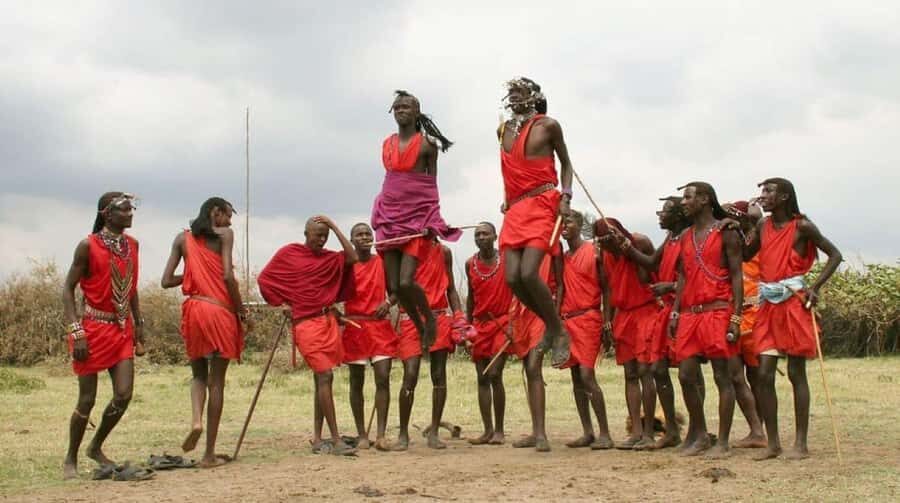
Your village time includes a dance show and a workshop-style segment. The day is structured so you don’t just watch once and move on. You’ll walk through parts of the setting, then you’ll be pulled into performances and cultural explanations designed to give visitors context.
Dance is one of those things that can feel confusing if you treat it like entertainment only. The better way: treat it like communication. Watch for patterns: group coordination, the rhythm role, and how the community frames what you’re seeing. When the guide explains, ask how the dance connects to community life.
For the Q&A part, you’ll get the best conversation by keeping it grounded. Ask what’s most important to teach visitors, or what stories the dance is meant to carry. If you keep your questions respectful, most people are happy to share what matters.
If you’re hoping for a very specific version of the show (like the presence of certain warriors or a particular lineup), remember the earlier caution: day-to-day variations happen. That’s why it’s smart to confirm what you’ll see before you go.


Photography tips: how to get good shots without being a nuisance
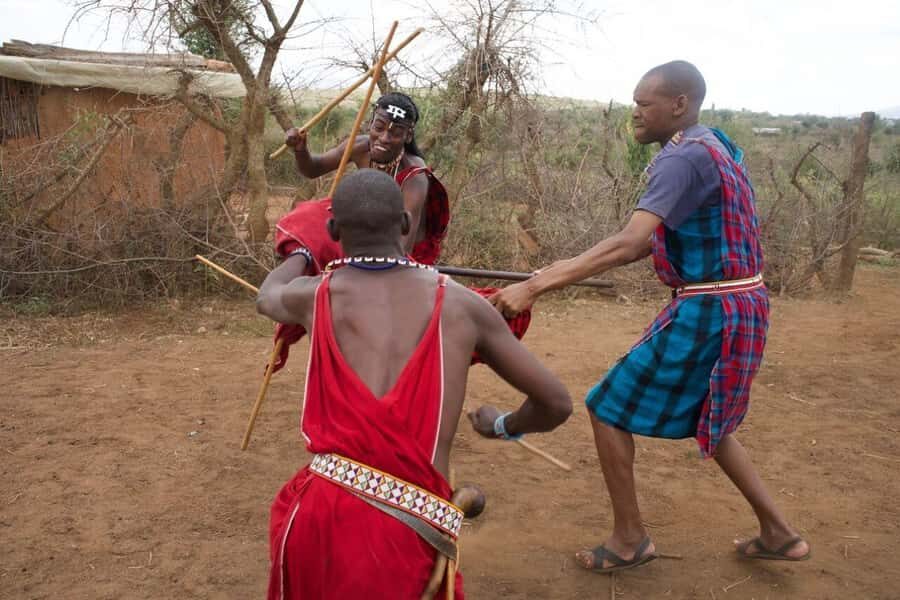
You’ll have plenty of opportunities to take photos. The plan explicitly includes time for photography, and the welcome ceremony and dances are usually the best moments for clear, memorable images.
Still, photography is where tourists can accidentally get in the way. My practical advice:
- wait for the guide’s cue before stepping into the crowd
- ask before photographing close-up
- keep your phone away during explanations, so you look present
If you’re buying anything at the market, don’t treat it like a photo backdrop. People notice. A quick “is it okay if I photograph this?” goes a long way.
And one more thing: consider taking a few wide shots first, then switch to portrait-style photos after you understand where people are comfortable. You’ll get better results and avoid blocking someone’s path.
Price and value: is $60 fair for what you’ll get?
At $60 per person, this tour can be good value if you want a guided cultural day with hotel pickup. You’re not just paying for transport; you’re paying for a driver and an English-speaking guide, plus a structured day that includes multiple village elements.
What’s included:
- hotel pickup and drop-off in Nairobi
- professional driver and guide
- bottled water
- air-conditioned vehicle
What costs extra:
- breakfast and lunch are not included
- drinks and alcohol are not included
- village entry fee is separate: $30 adult and $20 children and youth, payable by cash in Kenya shillings or US dollars
That last line matters most for your budget. Many people get surprised when they realize the $60 isn’t the full day cost. If you can, budget the entry fee on top of the tour price from the start, so you don’t lose time negotiating on arrival.
Is it “worth it”? For me, yes when you treat it as a cultural exchange day, not a checklist. The strongest value is the combination of welcome, guided walk, market visits, and dance—one day with multiple parts, not just a photo stop.
Who this Maasai village day trip suits (and who should choose another plan)
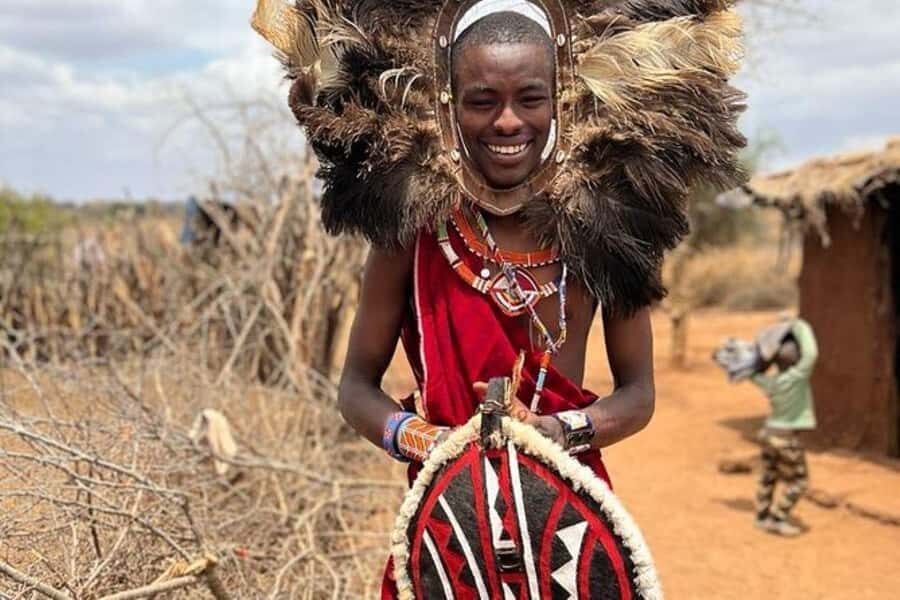
This tour fits you best if:
- you want a guided, structured introduction to Maasai village life
- you enjoy asking questions and walking through real daily routines
- you want a cultural day that includes crafts and performances
It might feel less satisfying if:
- you need a very specific set of performers every time
- you want long downtime or flexible stops
- you expect modern comfort inside the village itself
One more point: if you’re the type who hates uncertainty, consider confirming the exact village location and what performances are planned for your date. A visitor reported an unexpected village swap, with a different set of activities than what they thought they’d booked.
The biggest practical hiccup to plan around
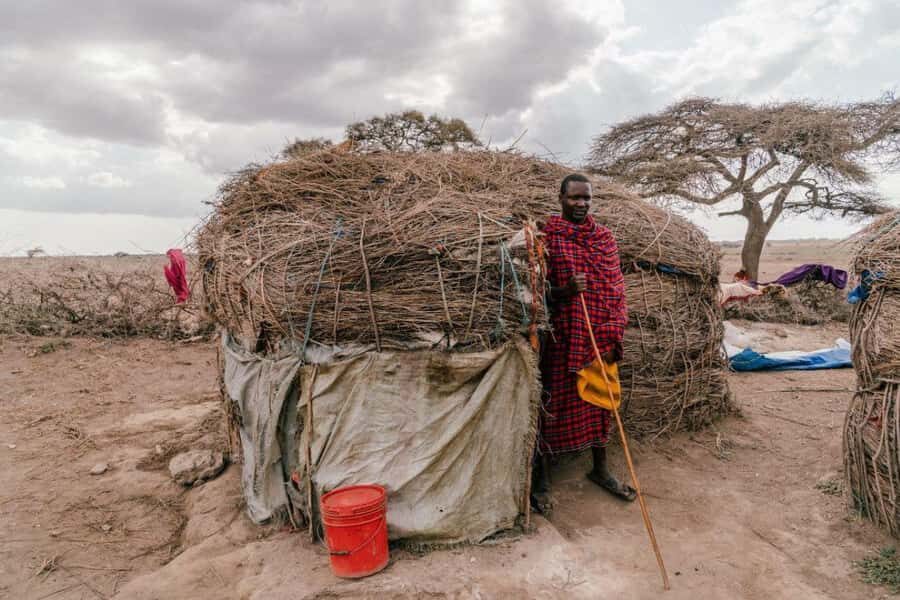
The most serious risk isn’t cultural. It’s operational. One visitor reported that the tour didn’t run due to vehicle issues, including running out of fuel, tied to being unprepared. That’s rare, but it’s the kind of thing you can protect yourself against by being proactive.
Here’s what you should do:
- confirm your pickup timing with your provider the day before
- make sure your phone number and location details are correct
- keep an alternative plan in your back pocket if the first attempt fails
Also, since the day includes a long drive, take comfort items seriously. Even with air conditioning, a long road day can wear you out. Sunscreen, a hat, and water discipline matter.
Should you book this Maasai Cultural Village Tour from Nairobi?
Book it if you want a guided cultural day with a welcome ceremony, a village walkthrough, market stops, and dance as part of the same package. With pickup included and an English guide, it’s an efficient way to structure your day without hunting for transportation.
Skip or rethink it if you have fixed expectations about exact performers, or you’re traveling on a schedule where a delayed start could ruin your next commitment. In that case, spend time confirming what you’ll see on your date and consider building in a buffer.
If you go, go respectfully. Ask questions. Watch first, then photograph. And keep cash ready for the village entry fee so your day doesn’t stall at the gate.
FAQ
How long is the Maasai Cultural Village Day Tour from Nairobi?
The tour duration is listed as 6 hours.
What’s included in the price of the tour?
Hotel pickup and drop-off, a professional driver and guide, bottled water, and an air-conditioned vehicle are included.
What is not included?
Breakfast, lunch, drinks and alcohol are not included. The village entry fee is also not included.
Do I need to pay a village entry fee?
Yes. The village entry fee is listed as $30 for adults and $20 for children and youth, payable by cash in Kenya shillings or US dollars.
Will I have an English-speaking guide?
Yes, the live tour guide is listed as English.
Does the tour include hotel pickup in Nairobi?
Yes. Hotel pickup and drop-off at your accommodation in Nairobi are included, with multiple pickup location options listed.
Is there a skip-the-ticket-line option?
Yes, the activity lists skip the ticket line.
Is the tour wheelchair accessible?
Yes, the tour is listed as wheelchair accessible.
What about cancellations and reserving?
Free cancellation is listed up to 24 hours in advance for a full refund, and reserve & pay later is listed as an option.