REVIEW · NAIROBI
Kitengela Anselm Hot Glass tour
Book on Viator →Operated by Wasili Kenya Safaris · Bookable on Viator
Broken glass becomes art here. This Kitengela Hot Glass outing is interesting because you watch waste-based glass get transformed into usable pieces and décor, not just souvenirs. I like the private, pickup-included logistics that make it easier to get out to the studio on the edge of Nairobi National Park, and I like that entry fees are bundled in. The one thing to weigh is the price: the experience is only part-making, and the travel time outside the city can make the total feel a bit steep if you’re price-sensitive.
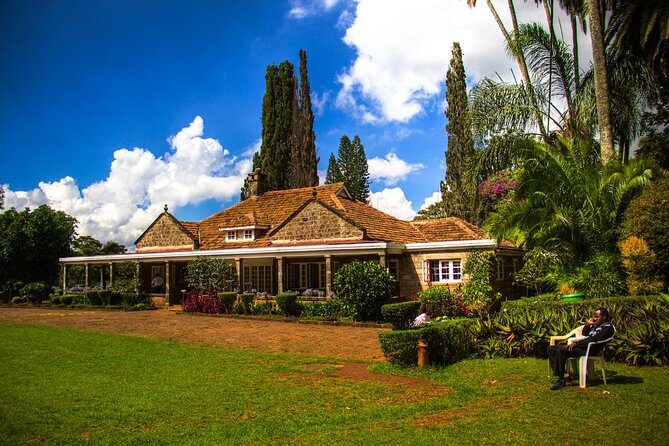
You’ll be taken to Kitengela Glass, about 22 miles from Nairobi city centre, where the setting already hints at what this place is about: craft made from materials others might discard. The studio visit is guided, and you’ll also get time to browse and buy in the shop if you want something made on-site.
Plan for a half-day feel. The overall tour runs about 4 to 6 hours, with around 2 hours inside the studio, plus transport and a café stop option.
In This Review
- Key highlights to know before you go
- Kitengela Hot Glass: upcycling waste into wearable art energy
- Getting there from Nairobi: pickup, timing, and the 22-mile reality
- Inside the studio: what the guided walk actually gives you
- Browsing and buying with confidence: the gift shop matters
- Café break at the studio: vegetarian options and a reset
- Optional glass activities: what you might add later
- Price and logistics: is $110 good value?
- Who should book this, and who might not
- FAQ
- How long is the Kitengela Anselm Hot Glass tour?
- Does the tour include pickup and drop-off?
- What’s included in the price?
- Is lunch or snacks included?
- Are there optional glass activities?
- Is this a private tour?
- Can I cancel for free?
- Should you book Kitengela Anselm Hot Glass?
Key highlights to know before you go
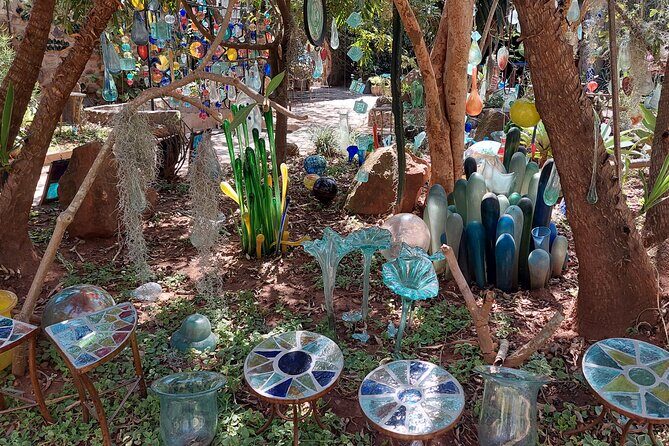
- Upcycling focus: you’ll learn how broken glass scraps are repurposed into finished functional and decorative items
- Private tour flow: it’s just your group, so you can move at a comfortable pace with your guide
- All entry fees included: the ticket covers admission, so you’re not doing surprise add-ons at the door
- Convenient transfers: round-trip hotel/airport pickup and drop-off saves you the hassle of local transport
- On-site café time: you can pause for a vegetarian cappuccino or ice cream before heading back
Kitengela Hot Glass: upcycling waste into wearable art energy
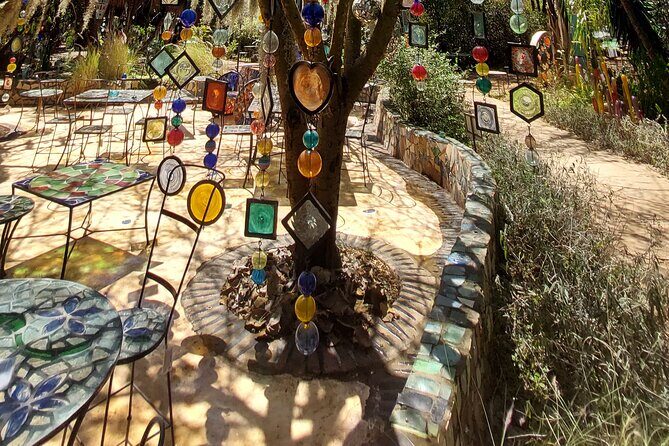
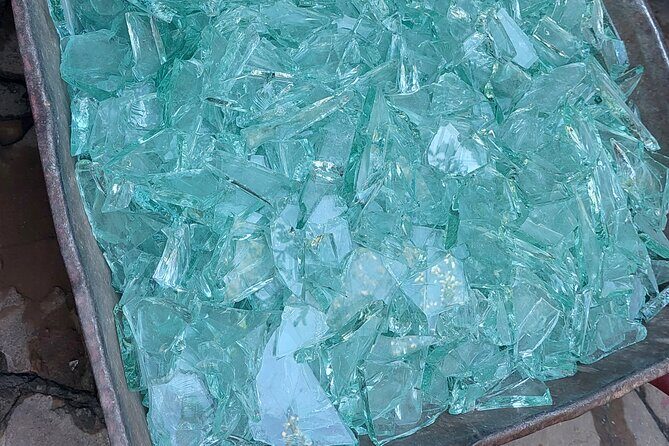
The core idea behind Kitengela Anselm Hot Glass is simple and satisfying: broken glass isn’t treated like garbage. It’s treated like raw material. At the studio, the guide explains how waste or broken scraps are converted into colorful finished pieces that can be both decorative and functional.
This is the kind of craft tour that makes you look closer at what you’re seeing. Even if you’re not a glass expert, you can understand the workflow fast: start with selected glass pieces, build the work, shape it, then end with something you can actually use or display. It also helps that the area is tied to the edge of Nairobi National Park—so you get craft culture and a “real place” feel, not just a packaged city stop.
One more plus: the experience isn’t just watching in silence. You’ll be welcomed on arrival and guided around, with time to view a wide range of finished products. And if you’re the type who likes to learn what you’re buying (rather than impulse-buying), this tour fits your style.
You can also read our reviews of more tours and experiences in Nairobi.



Getting there from Nairobi: pickup, timing, and the 22-mile reality
This is not a quick in-town activity. The studio is roughly 22 miles from Nairobi city centre, and it sits near Nairobi National Park. That distance is why pickup-and-drop-off matters here—without it, you’d be dealing with your own transport arrangements at a time when you’d rather spend your energy on the craft.
The tour is listed as about 4 to 6 hours total, so you’re really committing to a half-day outing. Most of that time is transport plus the studio time, which is around 2 hours at Kitengela Glass. If you’re doing this alongside other Nairobi plans, I’d treat it like a major appointment, not a casual two-hour browse.
Yes, one review flagged that the transport portion can feel pricey, and that’s fair. If you’re paying $110 per person, you want to feel that the logistics are actually doing work for you. In this case, they do: round-trip transfers and included entry fees take away a lot of uncertainty. Still, if you’re traveling with a tight budget, compare the all-in cost to what it would cost you to arrange your own ride.
Inside the studio: what the guided walk actually gives you
Your visit starts with pickup from your hotel/apartment or the airport. Then you head out to the Kitengela Glass studio. When you arrive, you’ll be welcomed by a Samburu or Masai tribes man, and then a guide takes over the explaining.
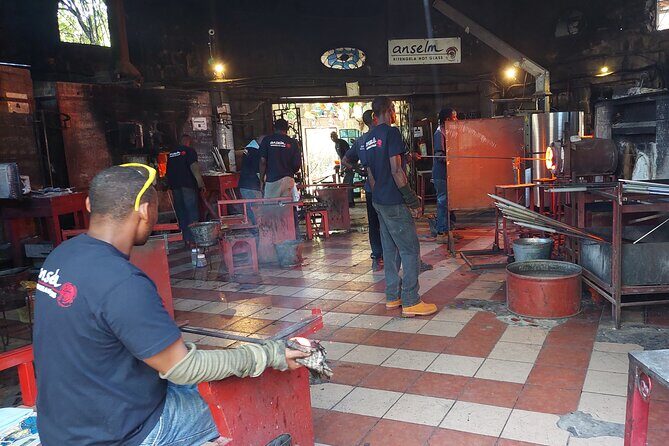
That guided portion is the heart of the experience. You’ll walk through how they convert broken glass waste into higher-end finished products. The learning value here isn’t academic—it’s practical. You’ll see the end results, and then the guide connects the process to what you’re looking at, so the colors and shapes don’t feel random.
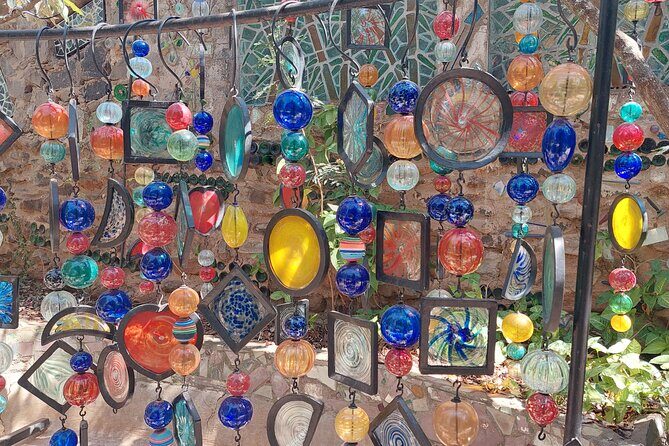
At the same time, the studio visit is meant to be enjoyable and visual. There’s a wide variety of glass products to view and buy, which means you can spend time comparing items. You can also use the guided time to ask questions about what you’re seeing, especially if you’re trying to pick the right piece for a gift.
One caution: the tour time at the studio is about 2 hours. That’s enough for a solid look and explanation, but it’s not a long workshop day. If you’re hoping for hands-on participation, you’ll want to know that the optional activities exist—but they’re not included in the base price.
Browsing and buying with confidence: the gift shop matters
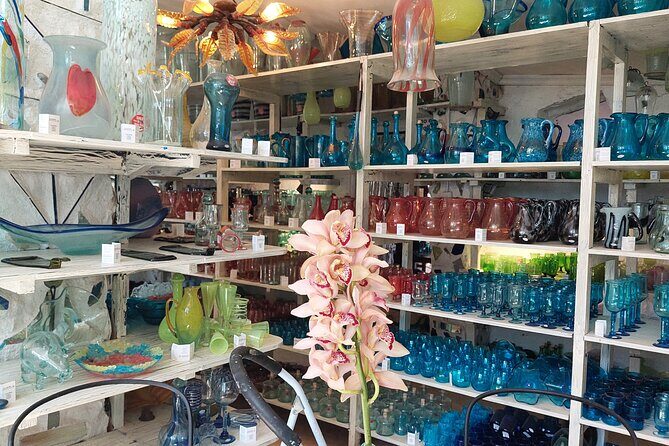
This tour includes the fun part: you can actually take home something made from the same materials you saw being turned into art. The studio has a shop with a wide variety of finished pieces, so you’re not limited to tiny trinkets.
And here’s why that matters for your planning: glass can be delicate, and your whole day depends on what you choose to buy. One of the strongest practical notes from prior visitors is that the staff package purchases really well, which helps them survive the ride and the trip home. That’s exactly what you want to hear if you’re thinking about glass bowls, décor, or anything that could chip.
If you’re buying, I’d do it with your packing plan in mind:
- Consider whether the item has a safe spot in your luggage and whether you can add extra padding
- If you’re planning to fly, ask how they package fragile pieces before you check out
- Set a realistic budget for glass art, since the variety can tempt you
Also, remember the tour includes entry fees, so the shopping is where the day can run away from your spending. Your best move is to treat the gift shop like a gallery with a purpose: pick the piece you truly want, not the first thing that catches your eye.
Café break at the studio: vegetarian options and a reset
Between the guided viewing and the trip back, you can stop for a snack at the on-site café. The café is described as vegetarian-friendly, and it’s a natural place to slow down for a cappuccino or ice cream.
This matters more than it sounds. Glass tours move at a steady pace—then you’re back in the car and heading to Nairobi. Having an on-site option reduces stress because you’re not hunting for food immediately before you’re done with the craft portion of the day.
Just note what’s not included: lunch and snacks aren’t part of the tour price. So your café stop can be a bonus, but you should still expect to pay out of pocket if you order anything beyond water.



Optional glass activities: what you might add later

You’ll hear about extra ways to get hands-on or up-close. Some activities are offered as add-ons, such as blowing bubbles, touching fire, blown to life, or catching light. Those are explicitly listed as optional activity fees and are not included.
This is one of those “read this before you fall in love with an idea” moments. If you think you’ll want more participation than observation, ask what’s available on the day and what costs extra. The base tour already gives you a guided look at finished products and the conversion process, but the optional activities shift the experience from viewing to doing.
If you’re traveling with kids, you might be tempted by the hands-on sounding options. For adults, it can also be a fun add if you like learning by trying. Either way, just plan your budget so the add-ons don’t surprise you at the end.
Price and logistics: is $110 good value?
At $110 per person, the headline cost can feel like a lot until you look at what’s actually included. The tour bundles pickup and drop-off, transport, entry fees, bottled water, and the guided studio time. So you’re paying for both the experience and the effort of getting out to a studio that’s not in central Nairobi.
Also, the tour’s duration—about 4 to 6 hours—suggests you’re getting a full half-day outing. That’s important in cities like Nairobi, where time is often the real hidden expense. If you want a structured craft visit without figuring out transportation, the price starts to look more reasonable.
Still, there’s a real consideration: the studio is far enough from the city that transport can drive cost. If you can’t justify a half-day, or if you’re only casually interested in glass, the value drops.
Where the value stays strong is if you’re:
- into art and making, not just browsing
- shopping for a gift and want items made on-site
- looking for an easy, guided way to get to a specific destination outside the city
Who should book this, and who might not
I think this tour is best for people who enjoy craft, design, and creative use of materials. The upcycling angle is the hook: you’re learning how broken glass becomes something colorful and useful, and you’re doing it in a working studio environment.
It’s also a good fit if you want a change of pace from wildlife-only days. The location near Nairobi National Park gives it a real place factor, but the main event is hands-on creativity and viewing the end results.
On the flip side, it may not suit you if:
- you’re expecting a long hands-on workshop session (the base tour is mostly guided viewing)
- you want a light, short stop (the total time is 4 to 6 hours)
- you’re extremely budget-focused and don’t want transport to be a major line item
The good news is that it’s described as suitable for most travelers and you’re also close to public transportation in the general area. That can help if you’re building a flexible day plan—though the tour itself already provides transfers.
FAQ
How long is the Kitengela Anselm Hot Glass tour?
The tour runs about 4 to 6 hours total, with around 2 hours at the Kitengela Glass studio.
Does the tour include pickup and drop-off?
Yes. Round-trip transfers are included, with pickup from your hotel/apartment or the airport, and the tour ends back at the meeting point.
What’s included in the price?
The price includes pickup and drop-off, transport, entry fees, bottled water, and the studio admission ticket.
Is lunch or snacks included?
No. Lunch and snacks are not included, though there is an on-site café where you can stop during the visit.
Are there optional glass activities?
Yes. Optional activities like blowing bubbles, touching fire, blown to life, and catching light are available, but they are not included in the base price.
Is this a private tour?
Yes. It’s listed as a private tour/activity, so only your group participates.
Can I cancel for free?
Yes. Free cancellation is available up to 24 hours in advance for a full refund.
Should you book Kitengela Anselm Hot Glass?
If you want a guided, half-day craft experience that combines learning with real shopping potential, this is a strong choice. The upcycling focus makes it more than a showroom visit, and the included entry fees plus pickup/drop-off cut down on the friction of getting out to the studio near Nairobi National Park.
I’d book it if glass art, color, and process interest you—and you’re okay treating the day as a real time block in your Nairobi schedule. If you’re only mildly interested or you don’t want to pay for transport, you may feel the price more than you’d like. But for many people, the convenience and the hands-on-by-proxy learning inside the studio make the cost easier to justify.