REVIEW · NAIROBI
Kibera Slum Tour with Lucas
Book on Viator →Operated by Visit Kibera Expeditions · Bookable on Viator
Kibera changes how you see Nairobi. On a private half-day walk with Lucas, you get a real sense of why Kibera is called the City of Hope, from everyday street life to community-led solutions. I especially like Lucas’s way of sharing context and history, and the stop at Toi Market, where you can watch work, trade, and daily routines unfold.
One thing to plan for: this is not a stroll on flat pavement. You’ll be moving through uneven ground, so pack good shoes and expect slow, careful steps.
In This Review
- Key things to know before you go
- First Step: Meeting Lucas at Greenhouse Mall
- Walking Kibera With a Guide: What You Actually Learn
- Toi Market Stop: Watch Daily Life, Not Just Sellable Souvenirs
- Hope and Shine Kibera Centre: Education as a Community Story
- Inside a Slum Home: A Different Kind of Perspective
- Photography and Interaction: How to Do It Without Being Awkward
- Price and Value: Is $35 a Fair Deal?
- Getting the Timing Right in Nairobi
- Who This Tour Suits Best (and who should think twice)
- Should You Book Kibera With Lucas?
- FAQ
- How long is the Kibera tour with Lucas?
- What is the price?
- Is this tour private or shared?
- Where do we meet Lucas?
- Where does the tour end?
- Is admission included?
- Do I need to wear special footwear?
- What should I bring for children you may meet?
- Will the tour support a community organization?
- What if the weather is bad?
- What is the cancellation policy?
Key things to know before you go

- Private with Lucas: it’s only your group for 3 to 4 hours.
- Toi Market is part of the day: you’re not just looking from a distance.
- Hope and Shine Kibera Centre: education and community support are woven into the visit.
- A home-and-market moment: you get a chance to interact from inside everyday life.
- You’ll likely meet a lot of children: bring small sweets like lollipops or candies in advance.
- Mobile ticket and walk-first logistics: wear footwear that can handle rough paths.
First Step: Meeting Lucas at Greenhouse Mall

The experience starts at Greenhouse Mall in Kilimani, and your walk ends at Equity Bank Kibera. That matters because you’re not doing the tour from a vehicle. You’re doing it on foot, guided step by step through parts of the settlement that feel hard to map unless someone local is at your side.
This tour is also private, so you’re not squeezed into a large group shuffle. That usually means you can set a calmer pace and ask questions without feeling rushed, which is huge for a sensitive visit like this.
If you have only a short window in Nairobi, this is one of those options that uses your time well. Three to four hours is long enough to see more than a single street corner, but short enough that you’re not wiped out for the rest of the day.
You can also read our reviews of more tours and experiences in Nairobi.



Walking Kibera With a Guide: What You Actually Learn

Kibera isn’t a single landmark. It’s a sprawling network of homes, alleys, and shared spaces. With Lucas guiding, you’ll navigate narrow paths and unmarked streets while he explains how the community works and why people describe it as hopeful even in difficult conditions.
I like that this doesn’t feel like a checklist of poverty photos. The focus is on resilience and know-how: how residents solve problems, build community networks, and create opportunities. One theme you’ll hear is that Kibera residents aren’t defined by hardship alone. They’re makers, organizers, teachers, and traders.
Safety comes up often in the way people talk about this tour. In the experiences described, guides keep you moving thoughtfully, and they also adjust pace when needed. That’s especially comforting if you’re older or simply not used to uneven walking.
Toi Market Stop: Watch Daily Life, Not Just Sellable Souvenirs
One of the most practical highlights is the visit to Toi Market. Markets in places like this are where information moves, where families restock essentials, and where small business keeps the wheels turning. You’re not only seeing products; you’re seeing routines.
This stop is also a good moment to practice respectful curiosity. Look first, ask second, and keep your interactions short if the area is busy. If you’re interested in buying, there’s often an easy, natural way to support local work. You might even find yourself better understanding prices and priorities, not just snapping a photo.
Based on common advice from people who’ve done the tour, you’ll want to have a bit of local cash ready for purchases or small support. The tour environment encourages people to interact, and shopping can be part of that.
Hope and Shine Kibera Centre: Education as a Community Story
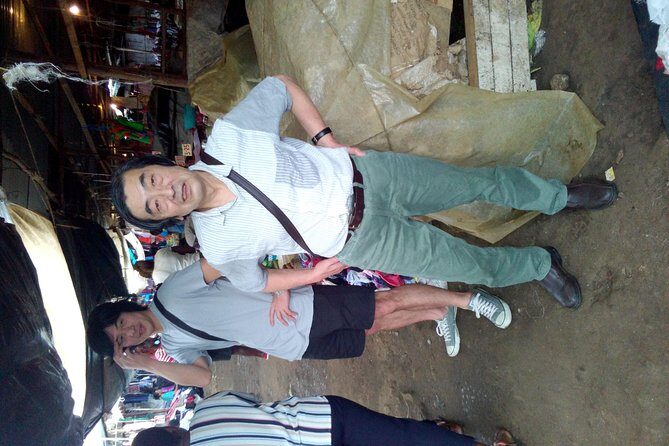
Next comes Hope and Shine Kibera Centre. This stop connects the visit to something you can measure: education. The idea isn’t just to point at a classroom from the outside. It’s to show you how community initiatives aim to improve daily futures.
What I find valuable about an education-focused stop is that it changes how the day feels. You still witness the challenges, but you also see how people are working on long-term solutions. It makes the stories less abstract.
There’s also often a human element to this kind of visit. People share personal connections to why the centre matters, and that can be more powerful than any explanation that only stays at street level. If you bring your questions, Lucas should have answers.
Inside a Slum Home: A Different Kind of Perspective

A major part of this experience is the chance to see life inside a slum home. In a setting like Kibera, a home visit can be both eye-opening and emotionally heavy. The best way to handle it is with humility: keep your tone gentle, ask permission before taking photos, and don’t treat people like exhibits.
In the experiences shared, the home moment is one of the reasons people feel the tour is worthwhile. It’s not voyeurism when your guide frames it as learning, and when residents choose to welcome you. That’s where the private format can help. You’re not yelling over a group. You’re having smaller, calmer interactions.
Also, keep your expectations realistic. Interaction can be limited by the day’s schedule, the home’s circumstances, and what’s happening in the moment. Still, even brief conversations can give you context you’d never get from looking at buildings alone.


Photography and Interaction: How to Do It Without Being Awkward

The tour includes time to take pictures, but in a place like this, photos work best with consent and respect. Ask your guide what’s okay before you lift your camera. If someone seems uncomfortable, don’t push. A photo is not the point. Understanding is.
You’ll likely meet a lot of children during the walk. People who’ve done this tour recommend bringing small sweets like lollipops or candies ahead of time. That tip isn’t about buying affection. It’s about making a moment lighter when kids are watching you come and go.
If you do bring sweets, carry them safely and hand them out thoughtfully. Keep it simple, don’t make it a spectacle, and remember that these interactions should never replace real respect and conversation.
Price and Value: Is $35 a Fair Deal?

At $35 per person, this is positioned as an affordable private half-day compared to many Nairobi tours. The value comes from two things: time and access. Three to four hours is enough to include a market stop, a community education centre, and a home visit, all with interpretation by Lucas.
Also, the admission ticket for the day is listed as free, so your money goes into the guiding, organizing, and local support around the visit. People describe the tour as having a good cause, tied to the centre you visit. That blend of education and access is often what makes the price feel fair.
Timing matters too. This experience is often booked about 15 days in advance, so if your Nairobi schedule is tight, you should lock in early. You’ll also appreciate the mobile ticket on the day, since you won’t be scrambling for paper documents.
One practical note: walking tours like this don’t mix well with flip-flops. Even if you feel okay on day one, your feet will vote by the end of the afternoon.
Getting the Timing Right in Nairobi
This tour runs about 3 to 4 hours, so it fits nicely between other Nairobi plans. Because it ends at Equity Bank Kibera, it can be easy to keep your onward transportation nearby. Your starting point at Greenhouse Mall also means you can usually coordinate with local transit options without too much hassle.
Weather matters. The experience requires good weather, so if skies are rough, it may be rescheduled or refunded. Plan as if you could get a different day if rain shows up.
If you’re doing Nairobi on a tight timeline, treat this as a priority. This isn’t the kind of attraction you want to rush or squeeze into a stressed timetable.
Who This Tour Suits Best (and who should think twice)
This is for you if you want more than a surface-level view of Nairobi. If you’re the kind of person who asks questions, listens carefully, and wants to understand how communities build hope, this experience fits.
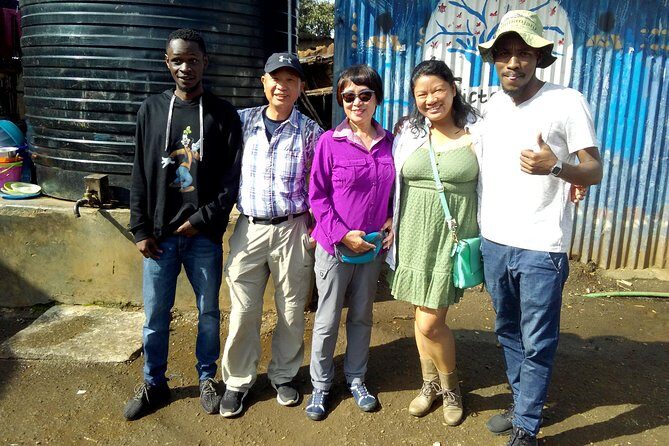
It’s also suitable for most travelers, but that phrase comes with a real-world caveat: it’s still a walking tour. If you have mobility limitations, you’ll want to communicate those early. In examples shared, Lucas helped a 75-year-old over uneven ground and kept a pace that worked. That suggests the day can be managed thoughtfully, but your comfort still depends on the conditions.
Think twice if you’re expecting a comfort-first, luxury-style outing. This is street level. You’ll be in the environment, not hovering above it.
Should You Book Kibera With Lucas?
Yes, if you want a meaningful half-day that connects what you see to why it matters. This tour’s biggest strength is that it’s not just walking through poverty. It’s structured around everyday life, market activity, and community-led education through places like Hope and Shine Kibera Centre.
Book it with confidence if:
- you’re ready for walking and bring proper shoes
- you can handle sensitive moments with patience
- you want respectful interaction with local life, including meeting children and learning from Lucas
Skip it only if you’re unwilling to walk, uncomfortable with home-visit settings, or you only want a quick photo stop. If you’re here for real understanding, this is one of the best ways to spend a few hours in Nairobi.
FAQ
How long is the Kibera tour with Lucas?
It’s about 3 to 4 hours.
What is the price?
The price is $35.00 per person.
Is this tour private or shared?
It’s a private tour/activity, so only your group participates.
Where do we meet Lucas?
The start point is Greenhouse Mall, Kilimani, Ngong, Kenya.
Where does the tour end?
The tour ends at Equity Bank Kibera, Nairobi, Kenya.
Is admission included?
Admission is listed as free for the experience.
Do I need to wear special footwear?
Since it’s a walking tour through uneven areas, you should wear proper shoes. Hiking boots are advisable for muddy or slippery tracks.
What should I bring for children you may meet?
It can help to bring small sweets like candies or lollipops in advance.
Will the tour support a community organization?
The visit includes Hope and Shine Kibera Centre, which is part of the day’s purpose.
What if the weather is bad?
The experience requires good weather. If canceled due to poor weather, you’ll be offered a different date or a full refund.
What is the cancellation policy?
You can cancel up to 24 hours in advance for a full refund. If you cancel less than 24 hours before the start time, the amount paid is not refunded.