REVIEW · NAIROBI
Kibera slum tour with Lucas
Book on GetYourGuide →Operated by Visit Kibera Expeditions · Bookable on GetYourGuide
Kibera is not what you expect. On this 3-hour walk with Lucas and local guides born and raised in Kibera, I love the hands-on stops at Toi Market and the crafts made from recycled animal bones, and I love knowing that 30% of your fee supports the Hope and Shine Kibera Centre for kids; the main drawback is that the route is real-life walking—uneven ground, tight lanes, and occasional pressure to buy small items.
You start at Greenhouse Mall on Ngong Road, get oriented, then move through markets, workshops, a school, and even a guide’s home—ending back near Equity Bank Kibera. It’s one of those experiences where you come in as a visitor and leave with a lot more context for what life in Nairobi looks like at street level.
In This Review
- Key highlights that make this Kibera walk worth it
- Meeting at Greenhouse Mall: getting oriented fast
- Toi Market in Kibera: watching trade work up close
- Craft time at Victorious Craft shop: recycled bones, real skill
- Power women and HIV/AIDS education: what the community is tackling
- Looking out from the old colonial railway line: Kibera from above
- Home visit in a slum house: meeting the guide’s family
- Hope and Shine Kibera Centre school: why 30% matters
- Safety and walking reality: what you should plan for
- Price and value: is $35 “fair” here?
- Who should book this Kibera tour with Lucas?
- Should you book this Kibera walk with Lucas?
- FAQ
- How long is the Kibera slum tour with Lucas?
- Where do we meet for the tour?
- What will we see during the tour?
- Does the tour fee support a school?
- Is the tour guide English-speaking?
- What craft activity is included?
- What should I bring?
- Is the tour wheelchair accessible?
- What is the cancellation policy?
- Is there anything that makes the tour not suitable for some people?
Key highlights that make this Kibera walk worth it
- Toi Market, Nairobi’s second-largest open-air market with multiple sections and plenty to watch and ask about
- Victorious Craft shop turning domestic animal bones into jewelry (with a brass mix)
- School support baked in: 30% of the fee goes to Hope and Shine Kibera Centre for 40+ children
- A home visit hosted by a guide’s family, so you see daily routines up close
- Raised views from the old colonial railway line for a different angle on the area
Meeting at Greenhouse Mall: getting oriented fast

The day begins at Greenhouse Mall, on Ngong Road. You meet at the entrance, then your guide gets you up to speed on the plan, what you’ll see, and how to move through the area with respect and safety in mind.
This is more than just a “check-in” spot. It helps you shift from Nairobi city mode into neighborhood mode. You’ll also have a moment to take care of basics—comfortable shoes on, camera ready, and questions answered before you step into tighter streets.
You can also read our reviews of more tours and experiences in Nairobi.


Toi Market in Kibera: watching trade work up close

Toi Market is the big one on the route, and it’s a highlight for a reason. It’s Nairobi’s second-largest open-air market after Gikomba, and it’s organized in sections, so the feel changes as you move from one area to the next.
Here’s what I think you’ll appreciate: you’re not just passing by stalls. You’re walking with a local who can help you make sense of what you’re seeing—who sells what, how people move, and why certain items matter in a place where cash flow can be tight.
You’ll also get time to interact with traders. That matters because markets are where relationships show. If you’re curious, you’ll learn fast just by asking small, practical questions: how a product is used, where it comes from, or who buys it most. If you’d rather keep things simple, you can also just observe. Either way, it’s a real window into everyday economics.
One consideration: markets are active and crowded. Plan to go slow. A camera will come out a lot, but so will your awareness of where people are walking and standing.
Craft time at Victorious Craft shop: recycled bones, real skill
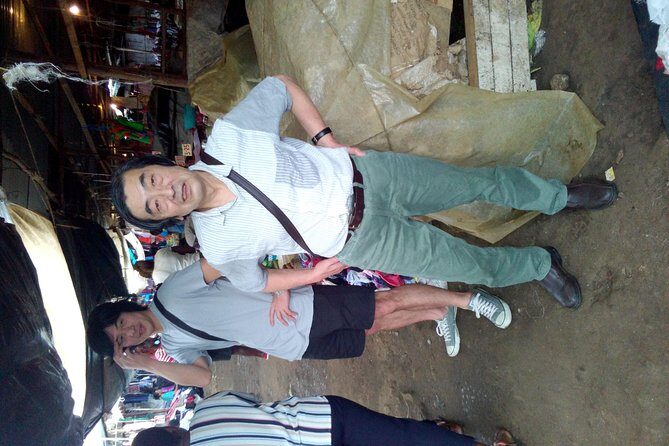
After the market, the tour moves into crafts—specifically Victorious Craft shop, where domestic animal bones are recycled into jewelry. The process uses a mixture of brass, and you can see how the materials get transformed into sellable pieces.
This stop tends to hit people emotionally for a good reason. It’s creativity under pressure. You’re watching skill turn waste into value, and that’s not a theory—it’s hands-on work you can point to.
It’s also a place where buying (or not buying) can feel tricky. If you decide to shop, do it like a calm customer, not like someone trying to feel “nice.” Ask what something costs, take your time, and remember you’re supporting people either way—through the tour fee and through fair, respectful purchases when you choose them.
If you want to avoid any discomfort, you can treat the craft stop as a viewing stop first. Take pictures, watch the work, and only buy if the item genuinely makes sense to you and the price feels fair.
Power women and HIV/AIDS education: what the community is tackling
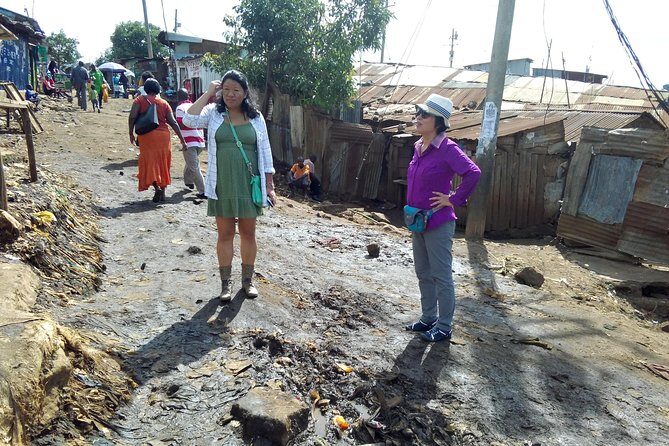
One of the more thoughtful stops is the Power women shop, a place where women educate young girls on HIV/AIDS. This isn’t just signage or a lecture. It’s part of a living support system that runs through daily business and community leadership.
I like this stop because it shifts the story away from only scarcity. It shows what people are actively working on—education, prevention, and protecting young lives. It also helps you notice how community projects can be practical: knowledge gets shared through local networks that already exist.
You’ll likely leave here thinking about public health in a more personal way. Not as a big headline, but as something passed on person to person.
Looking out from the old colonial railway line: Kibera from above
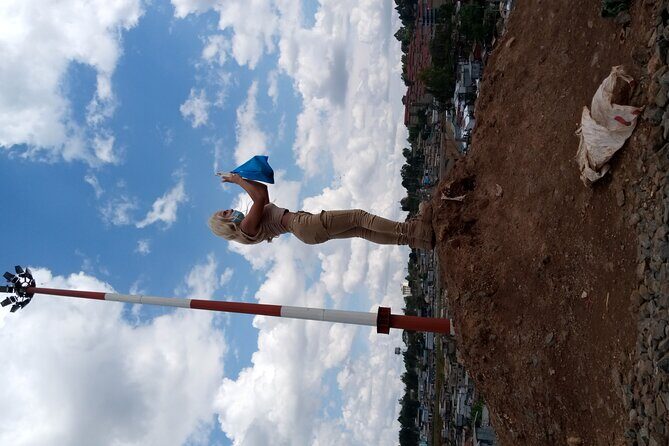
Then you get a photo and perspective moment from a raised point near the old colonial railway line. This view isn’t about making things pretty. It’s about seeing scale—how dense the area is, how far the community stretches, and how Nairobi’s geography and history shape what you’re seeing.
From up high, details click into place. Streets and pathways that looked confusing on ground level make more sense. You can connect what you’ve walked through to the broader picture—like the layout is a map, not a mystery.
Bring your camera here. The lighting can be variable, and people move around constantly, so take a few steady shots, then step back and let your guide handle the timing for safety and flow.
Home visit in a slum house: meeting the guide’s family
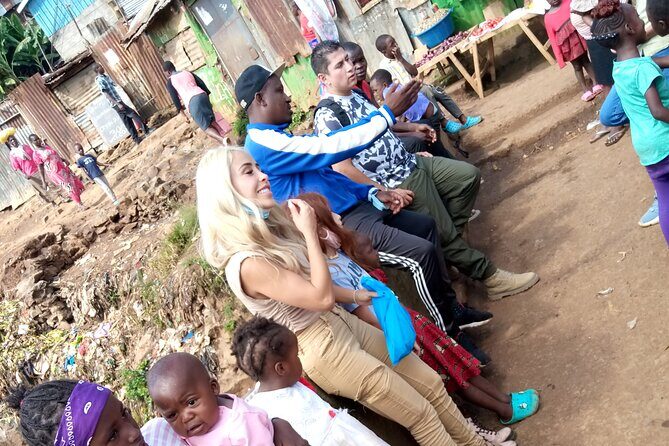
The tour includes a home visit to one of the guides’ families. This is where the experience becomes personal in a way you can’t replicate with sightseeing alone. You’re not watching a set piece. You’re meeting people who live with the realities you’ve been learning about.
Expect a different rhythm here. Time can feel more flexible. Conversations can be informal. And you’ll likely see small daily details that make the place feel human, not just dramatic.
I recommend you approach this stop with two things: respect and restraint. You don’t need to fill every moment with questions. A quiet, attentive presence goes a long way. If you want photos, ask first and follow what your guide recommends.
A few reviews also mention learning about utilities and daily systems—water and electricity access, plus washing and toilet setups. Even if you don’t get every detail, the home visit usually helps you understand how infrastructure affects comfort, health, and routine.
Hope and Shine Kibera Centre school: why 30% matters
The school stop is near the end, before departure around Equity Bank Kibera. It’s tied to the tour’s funding model: 30% of the tour fee supports the Hope and Shine Kibera Centre, which hosts over 40 kids.
This is the “value” part of the experience that you can actually verify. You’re not just paying for a walk. You’re backing education you can see, and that changes the story. Kids need consistency, and tours that send meaningful support help make that possible.
What I like about visiting the school on the same day you see markets and homes: it closes the loop. You connect income-generating areas with the kids who benefit from schooling. You also get a sense of momentum—like this community is building something forward, not only managing what’s hard.
If you have books, pens, or small classroom supplies with you, you might be able to donate them, but don’t assume this is guaranteed. Always let your guide tell you what’s welcomed and what isn’t.
Safety and walking reality: what you should plan for
This is a walking day, and Kibera’s paths can be uneven. Reviews also mention wet or muddy sections, so good traction matters. Your tour info is clear that comfortable shoes are essential.
Also note the basic suitability limits. The tour isn’t listed as appropriate for wheelchair users, and it’s not suitable for people over 95. If you’re in that age range or have mobility limits, consider whether you can handle uneven ground and a steady walking pace for the full time.
Even when things get challenging, multiple reviews highlight that guides look after you well. You should still keep your own pace. If you need to stop for photos or just catch your breath, do it. This isn’t a race.
Price and value: is $35 “fair” here?

At $35 per person for about three hours, you’re paying for more than access. You’re paying for:
- A local guide born and raised in Kibera
- Safety throughout the tour
- Entry ticket coverage
- Plenty of time for photography
- And a direct support model, with 30% of the tour fee going to the school
So the value isn’t only what you see. It’s how your money flows afterward. Many Nairobi tours can feel like you pay, then you leave. This one tries to pay forward while you’re still on your feet walking the community.
Still, keep your own expectations grounded. You’re not going to “solve” poverty in one morning. What you can do is learn, ask good questions, and support a project that’s already operating.
Who should book this Kibera tour with Lucas?
This tour is a strong fit if you want an authentic Nairobi experience that connects daily life with practical community support. It’s especially good for people who like conversation, markets, and real local context—rather than just photo stops.
It can also work well for solo travelers, as long as you’re comfortable joining a guided group and following safety guidance. Reviews mention solo travelers felt cared for and safe, even on uneven terrain.
If you want low-contact sightseeing, this may not be your best match. Home visits and school stops are interactive by nature. You should be ready for closeness and for the feelings that come with seeing real conditions.
Should you book this Kibera walk with Lucas?
If you’re visiting Nairobi and want to understand Kibera beyond headlines, I’d say this is a good booking—especially because you’re supporting the Hope and Shine Kibera Centre school directly through the tour fee. The stops feel connected: market life, craft creativity, health education, a home visit, and then schooling for kids.
Book it if you’re curious, patient, and okay with uneven walking and tight spaces. Skip it if you need fully accessible routes, have major mobility limits, or would struggle with any discomfort that comes from poverty being visible and close.
In short: if you want to meet a community through the day instead of just “seeing” it, this Lucas-led Kibera tour is a solid choice.
FAQ
How long is the Kibera slum tour with Lucas?
It lasts about 3 hours.
Where do we meet for the tour?
You meet at the entrance of Greenhouse Mall on Ngong Road.
What will we see during the tour?
You’ll spend time exploring Toi Market, a craft shop, a school, a local house for a home visit, and you’ll also have a scenic viewing point from near the old colonial railway line.
Does the tour fee support a school?
Yes. 30% of the tour fee supports Hope and Shine Kibera Centre, which hosts over 40 kids.
Is the tour guide English-speaking?
Yes, the live guide is listed as English.
What craft activity is included?
You’ll visit a crafts centre where domestic animal bones are recycled to make jewelry with a mixture of brass.
What should I bring?
Bring comfortable shoes and a camera.
Is the tour wheelchair accessible?
No, it is not suitable for wheelchair users.
What is the cancellation policy?
You can cancel up to 24 hours in advance for a full refund.
Is there anything that makes the tour not suitable for some people?
It isn’t suitable for people over 95 years.