REVIEW · NAIROBI
From Nairobi: Maasai Village Experience Day Tour
Book on GetYourGuide →Operated by Happy Tribe Travel · Bookable on GetYourGuide
Ugali, goats, and real talk make this day unforgettable. This Maasai village experience is interesting because it focuses on daily life, not staged performance. I like that you actually help with hands-on tasks like cooking and beadwork, and you also learn about Maasai culture and language along the way. One possible drawback: it is a long day with a big chunk of driving, and the village area has no toilets.
This tour’s authenticity pitch is more than marketing fluff. The people you visit aren’t being rotated through by constant tourist traffic, and the group size is kept tied to bookings. I also like that the company explains its payment method and shows how villagers are paid individually via M-Pesa using an online presence register.
Expect an early start on some days and plan for a rustic setting. Your village time is about two hours, with a guided briefing first and a guided pass through activities like fire-starting, dancing, and milking. Bring shoes that can get dirty, because this is meant to be lived in, not watched from a distance.
In This Review
- Key points I’d circle before you go
- Leaving Nairobi Behind: The 2.5-Hour Road to a Manyatta
- Bissil Cattle Market on Monday and Friday: A Real Trade World
- Getting Ready for Village Time: Briefing, Rules, and Respect
- Cook Ugali in a Manyatta: Food You Help Make
- Beadwork, Maasai Language, and the Art of Learning by Doing
- Milking a Goat: How Livestock Life Shows Up Fast
- The Optional School Visit: A Chance to Encourage Kids
- Shopping, Donations, and the Authenticity Question
- Price and Value: Is $117 Fair for an 8-Hour Day?
- Logistics That Matter: What to Bring, What Not to Do
- The Guides and What That Changes for Your Day
- Who Should Book This Maasai Village Experience?
- Should You Book the Maasai Village Day Tour from Nairobi?
- FAQ
- How long is the Maasai Village Experience Day Tour?
- Is hotel pickup and drop-off included?
- Do I need to pay extra for food?
- Is the livestock market stop included every day?
- Are cameras allowed?
- What should I bring to the village?
- Are there any things I should not bring or do?
- Is the tour refundable if I cancel?
Key points I’d circle before you go
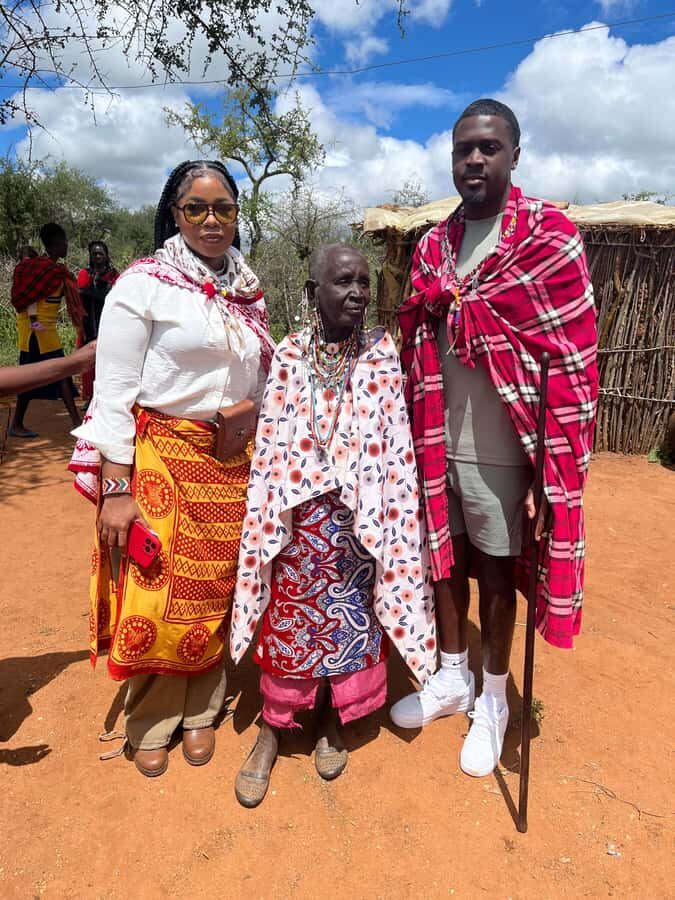
- Two and a half hours each way means the village feels separate from Nairobi, in a good way
- Hands-on Maasai routine: ugali cooking, fire-starting, beadwork, dancing/jumping, and milking
- Bissil livestock market stop on Monday and Friday, including a women-run kiosk meal stop
- Local school visit on request, with a real chance to encourage students
- Optional purchasing/donations, with no pressure built into the day
- Payment and presence tracking explained up front, paid via M-Pesa after your visit
Leaving Nairobi Behind: The 2.5-Hour Road to a Manyatta
This is a day trip that doesn’t waste time pretending you can do “culture” in a 30-minute stop. You’ll be picked up from your hotel within a 3-mile radius of Nairobi City, then you ride out for about 2.5 hours toward a genuinely rural area. Along the way, you should expect to see shifts in climate, work, and daily routines, which helps the village visit land with more meaning.
The practical piece: you’re on a bus/car for a while, and you’ll want to be comfortable for that. The tour includes a couple of optional stopovers on the way that also work as bathroom breaks, because there are no toilets at the village itself. If you’re sensitive to long drives or road bumps, this part matters a lot.
One more logistics note that I think you’ll appreciate: the tour is designed around respectful access. The provider states they visit only this particular village and only for booked clients, aiming to avoid turning the community into an hourly stop. You’ll still be a visitor, but the day is structured so you’re not just one in a constant line.
You can also read our reviews of more tours and experiences in Nairobi.



Bissil Cattle Market on Monday and Friday: A Real Trade World
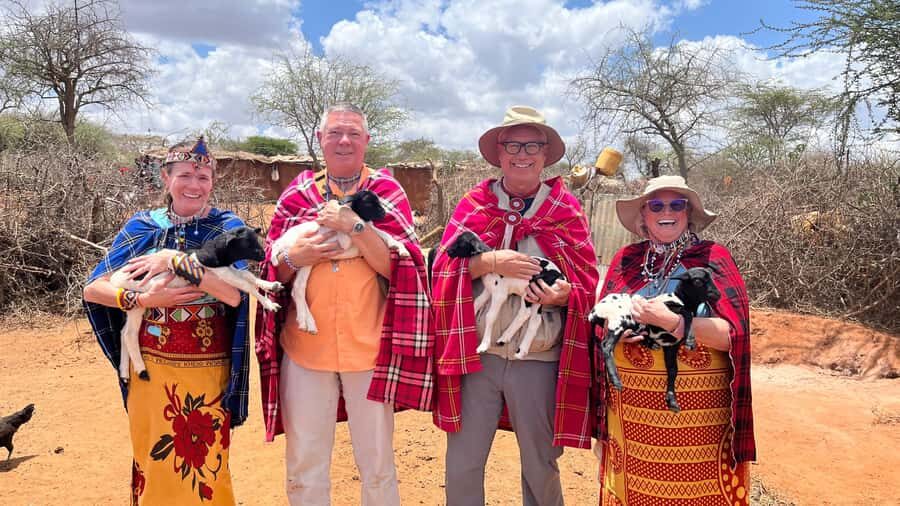
On Monday or Friday, the schedule includes a stop at a livestock market in Bissil town. It’s described as the second biggest in Kenya, with animals arriving from as far as Tanzania, which is your clue that this isn’t a tiny roadside animal viewing. You’ll get guided time to see how people trade and move livestock, then you’ll continue toward the village.
You’ll also see how food is handled in trade areas. The tour includes a visit into makeshift kiosks operated by women that serve as restaurants for livestock traders. That detail is small, but it’s the kind of real-life rhythm you don’t get from polished entertainment.
If you’re wondering whether this stop is “too much” or “too commercial,” keep it in context. The market is about work and exchange, not a show. It can be busy and a bit chaotic, but it’s also where you get the clearest view of what people are doing day to day.
Getting Ready for Village Time: Briefing, Rules, and Respect
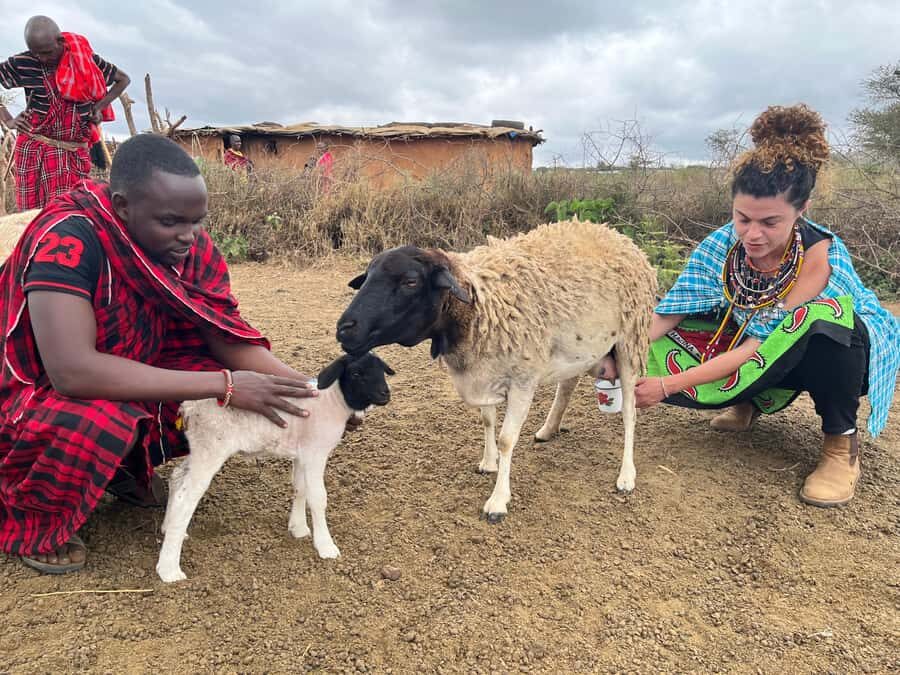
Before you arrive at the village, your guide gives you a briefing on what you’ll do during the visit. This matters because the activities are hands-on, and you don’t want to wander into people’s space without knowing what’s expected. Your guide stays with you through the activities, so you’re not left to figure it out alone.
The village visit is built around a guided rhythm: you’re invited to participate, then you move from one activity to the next with explanations. The provider also asks you to think about ethics and exploitation. They even mention showing their payment structure and how villagers are remunerated fairly and equally.
Also pay attention to the camera policy. Professional cameras are discouraged, mainly to avoid turning the day into pure commercialization. That doesn’t mean you’re barred from photos entirely, but it does signal that the focus should stay on interaction, not gear.
Cook Ugali in a Manyatta: Food You Help Make
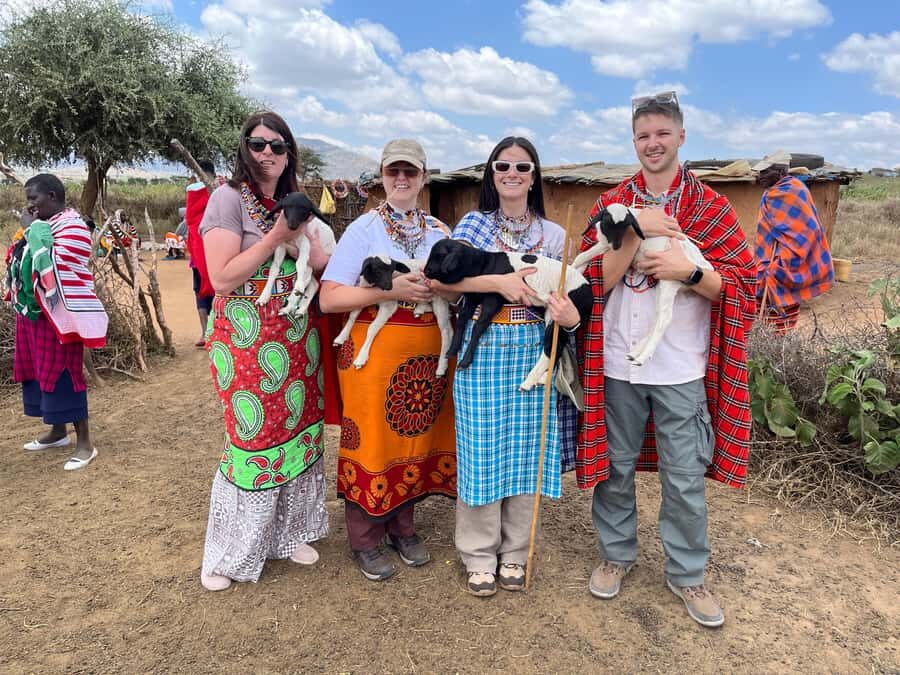
The headline activity is cooking ugali in a manyatta (a traditional Maasai homestead setting). This is where the experience becomes more than storytelling, because you do the work. You get to experience how food fits into daily life, including the way tasks connect to the environment, fire, and routine.
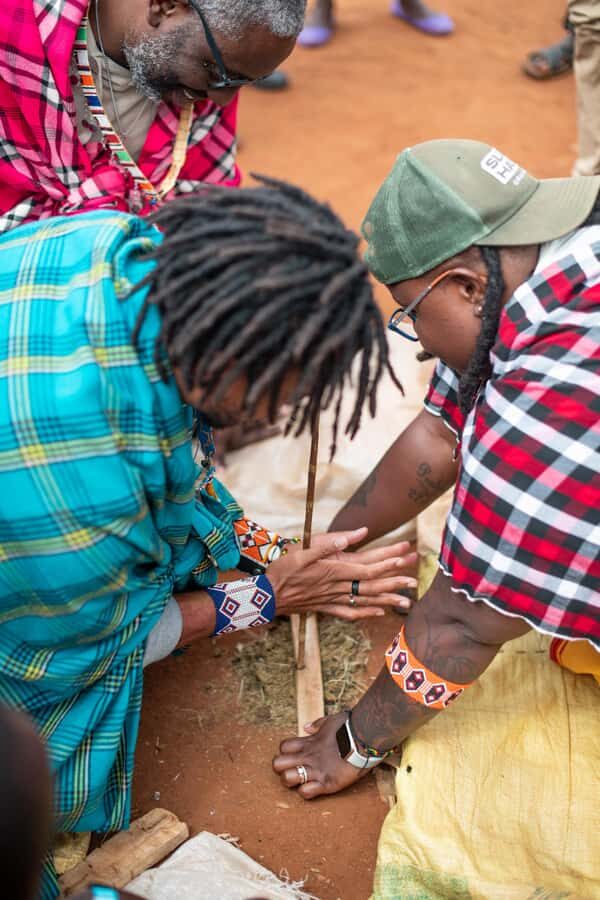
Cooking is also where you learn without it feeling like a lecture. You’ll have time to start a fire traditionally, too. That fire-starting portion is often the moment people realize the day isn’t about quick photo ops. It’s practical, physical, and tied to how life actually runs.
If you’re hungry at that point, remember food and drinks are not included. You might want to plan a solid breakfast before pickup. You can also request a lunch stop on the way back or a bathroom stop, depending on what you need.
Beadwork, Maasai Language, and the Art of Learning by Doing
Beadwork is one of the most engaging segments because it’s a skill, not just a demonstration. You can expect to do beadwork yourself as part of the visit, and you’ll likely get explanations about the materials and meaning behind patterns and colors. Even if you don’t leave with a perfect final product, you’ll leave with the process in your memory.
You’ll also be guided through Maasai culture and lifestyle, including language. The guide is listed as English and Swahili speaking, and the reviews you’ll find emphasize how much time these guides spend answering questions. That’s not a small detail. When someone can explain what you’re seeing while you’re doing it, the learning sticks.
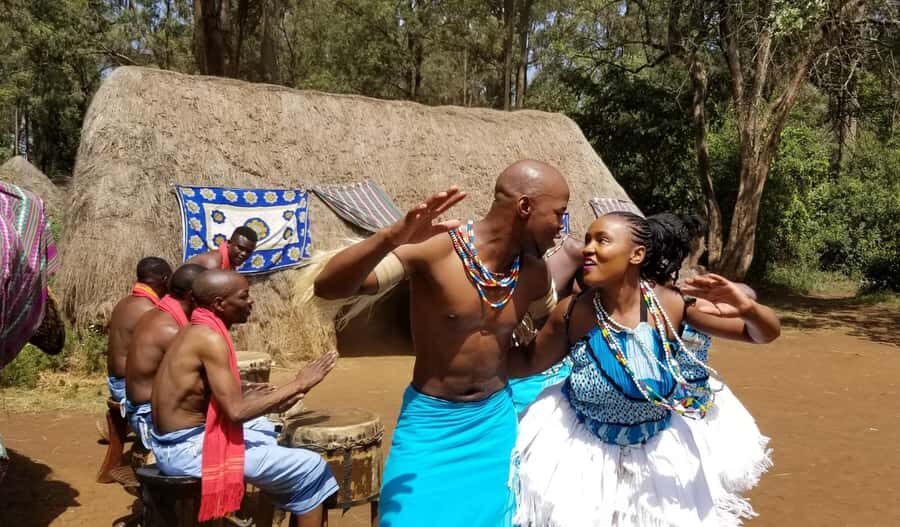
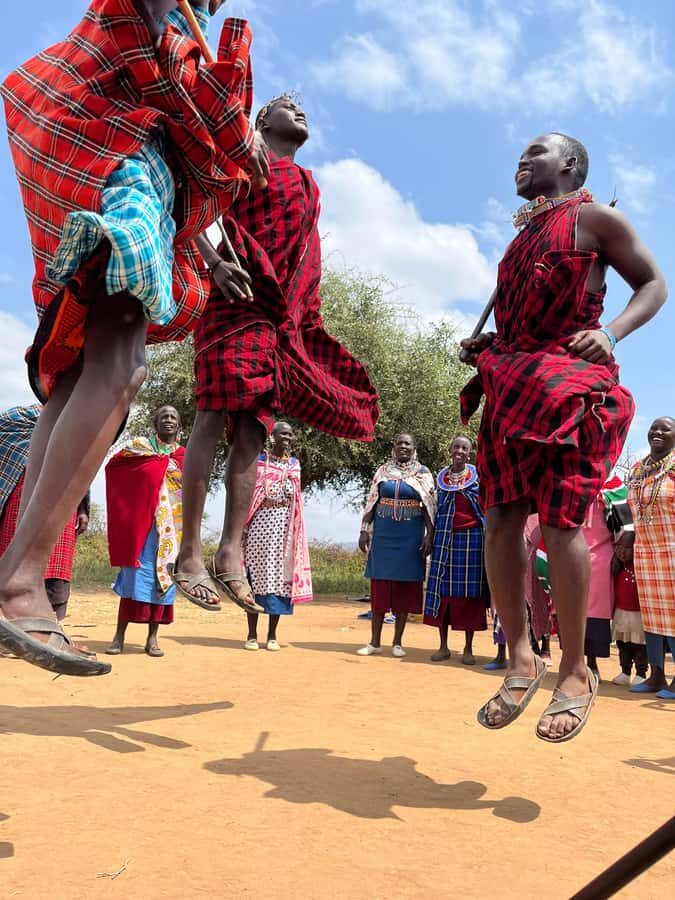
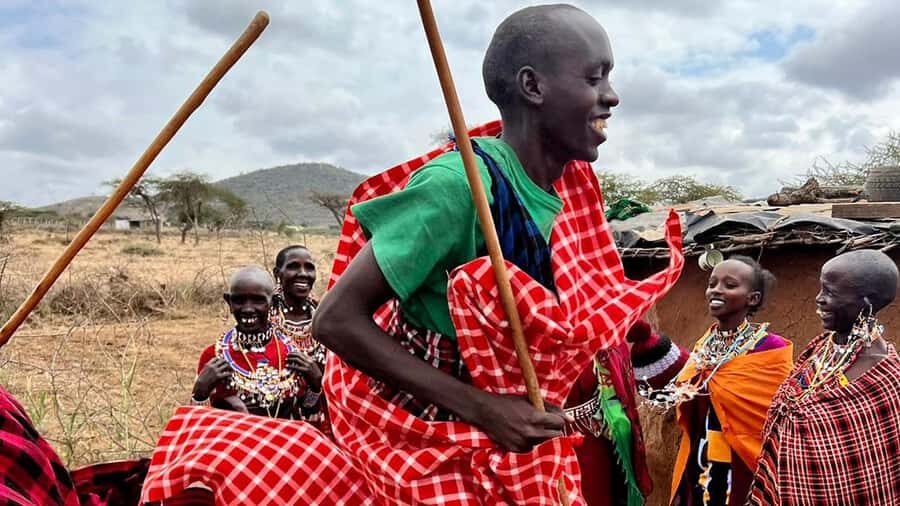
Then comes the part that most people remember most vividly: dancing, singing, and jumping. This isn’t positioned as a performance for you. It’s framed as participation in a shared moment, which is why your attitude matters. Be ready to join in, but also know you can observe and ask questions if you prefer.

Milking a Goat: How Livestock Life Shows Up Fast
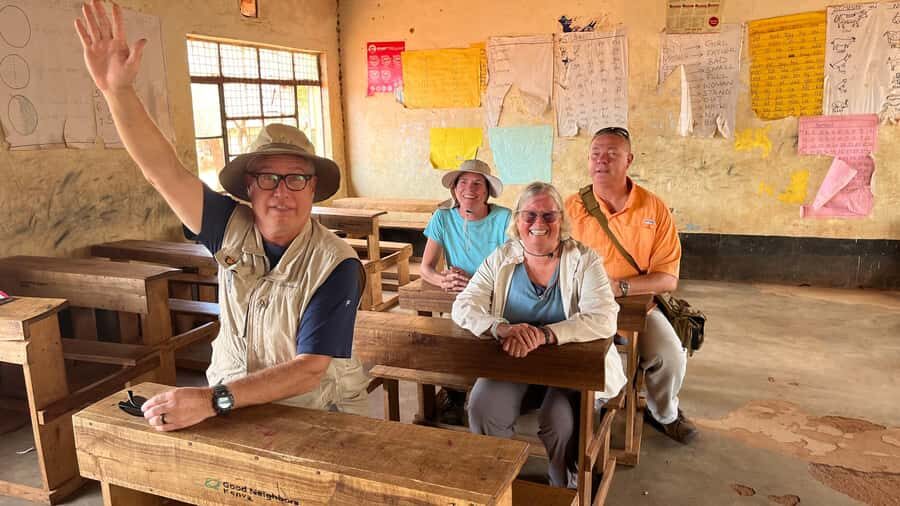
Milking is one of the activities that turns curiosity into understanding. You’ll get a chance to milk a goat (and the day includes livestock interaction more broadly), which connects directly to what Maasai families depend on day by day. It’s not a safari “watch from a distance” activity. You’re close enough to feel the realities of animals, routines, and how work is shared.
This section can also be more physically demanding than you expect. If you have balance issues or low tolerance for squatting/standing in uneven ground, take that seriously. This tour is not suitable for wheelchair users, and it also isn’t a good match if you have motion sickness.
One small “real life” note: conditions can include insects and weather changes. One traveler mentioned an unexpected bee issue that forced a shelter break for a while. The tour can’t control that kind of nature moment, so the best prep is simple: sun protection, long-ish clothing you’re comfortable with, and patience.
The Optional School Visit: A Chance to Encourage Kids
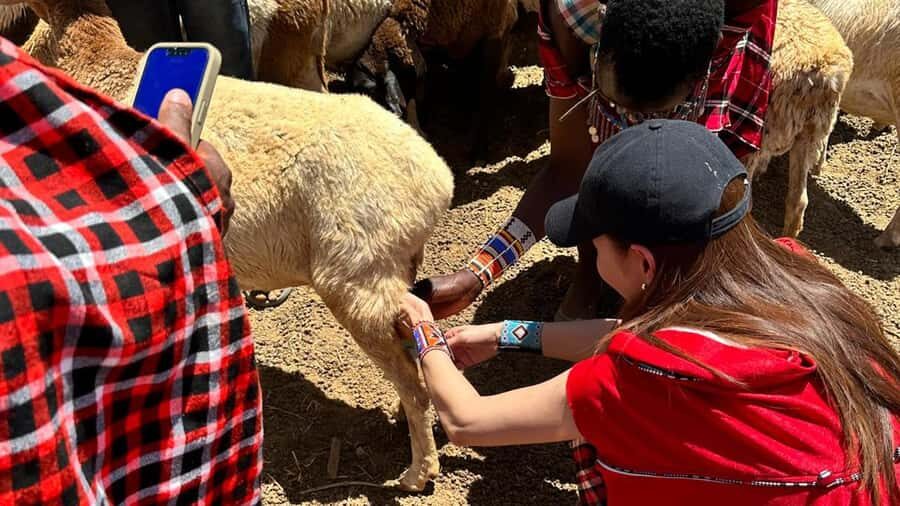
If you book the option for it, you can visit a local primary school during the day. The goal here isn’t tourism theater. It’s described as a chance to become an inspiration for learners, and that framing matters.
What you should do with this part: treat it as a meeting, not a photo session. Bring a polite curiosity, and be ready for interactions that might not follow a script in your language. If you want a more meaningful “human connection” part of the day, this is the add-on that tends to shift the emotional weight of the trip.
Shopping, Donations, and the Authenticity Question
At the end of your activities, Maasai artisans display handmade items. Buying is optional, and you’ll also have the chance to donate if you want. The key is how the day is framed: the purchase/donation is not the entire point, and it’s presented as your choice.
Here’s my take on authenticity: the village experience can feel authentic or staged depending on how constant the visitor flow is. The provider’s claim is that their approach helps prevent the community from getting pulled into an endless tourist routine. They also mention tracking presence and paying individuals via M-Pesa after the visit. That doesn’t erase the power imbalance between visitors and hosts, but it does suggest the day is trying to reduce exploitation.
Still, keep your expectations grounded. You’re visiting a living community. You’ll be shown parts of daily life that are appropriate to share, and you should treat that as a privilege.
Price and Value: Is $117 Fair for an 8-Hour Day?
At $117 per person for an 8-hour experience, the cost isn’t cheap, especially since food and drinks are not included. But you’re paying for three big things that many shorter cultural stops don’t deliver: transportation time out of Nairobi, a guided, hands-on village day, and a structured approach to payments and village access.
Value isn’t only “how much you do.” It’s also how the day is run. This provider highlights a payment system where the guide tracks who shows up and then villagers are paid individually after the visit using M-Pesa. If that’s implemented the way they describe, it can make your money work more directly than in models where funds are distributed less transparently.
Then there’s the “distance equals authenticity” factor. The driving time is part of the experience, not just logistics. A village you can reach quickly is easier to turn into a frequent stop. A farther day trip is harder to stage repeatedly, and you often get a calmer, more settled feel.
If you’re traveling as a couple or even solo, you may also get a more personal pace. Reviews include examples of private tours, which is a sign you should consider this a good fit if you want more conversation and less crowd energy.
Logistics That Matter: What to Bring, What Not to Do
This is a rustic cultural day. That’s good, as long as you pack and plan like it.
Bring:
- Comfortable shoes (you’ll want traction)
- Sun hat and sunscreen (the sun can be serious)
- Clothes that can get dirty (village life is not a museum visit)
Not allowed:
- Pets
- Drones
- Smoking in the vehicle
- Professional cameras
- Alcohol and drugs
- Nudity
- See-through clothing
A few timing notes to keep in your head. You should be ready for pickup around 7 a.m. if your day is Sunday. Expect a full day and a return to Nairobi after the village visit, with the possibility of stopping on request for lunch or bathroom breaks.
Also, check how you handle language and comfort. The guide is English and Swahili speaking. If you want to ask lots of questions, this tour format is designed for that, and guides in reviews are described as friendly and helpful with explanations.
The Guides and What That Changes for Your Day
The day can rise or fall based on the guide’s energy, pace, and care for boundaries. In the real world, you’ll want someone who can explain what you’re doing while also making sure the interactions stay respectful.
The guides named in feedback include Dennis, Simon, Sharon, and Jacqii, and the tone is consistent: friendly, supportive, and quick to answer questions. Dennis and Simon show up repeatedly in the stories, often described as down to earth and accommodating. One review even mentioned the guide taking photos and video during the day voluntarily, which can help you remember the moment without switching your focus to camera work.
If you have a family group, pay attention here too. One traveler described accommodation for car seats and boosters, which suggests the team can adapt when needed. If you’re bringing kids, it’s a good idea to message ahead so expectations match reality.
Who Should Book This Maasai Village Experience?
This tour is best for you if:
- You want hands-on cultural participation, not a quick look-and-leave stop
- You’re curious about Maasai daily life, livestock routines, and craft work like beadwork
- You enjoy guided conversation and learning in real time
- You prefer fewer staged “shows” and more practical activities
It’s likely not for you if:
- You need wheelchair access
- You have motion sickness issues
- You’re bringing a baby under 1 year
- You require visually accessible routes (the tour is not listed as suitable for visually impaired guests)
If you’re trying to balance Kenya safari days with something human and different, this is a strong complement. It won’t replace a park safari, but it adds a different kind of understanding of life outside the big attractions.
Should You Book the Maasai Village Day Tour from Nairobi?
Book it if your idea of a great cultural day includes participation. You should like cooking ugali, trying beadwork, learning about language and lifestyle, and joining the singing and jumping dance moment. The $117 price is easier to accept when you consider the long drive, the guided hands-on structure, and the provider’s stated approach to fair village payment.
Don’t book it if your priority is comfort over context. The no-toilet setup, the travel time, and the rural nature moments like insects mean you’ll need patience and good physical readiness.
If you want a quick decision rule: if you’re the kind of person who’s happy to get a little dusty, ask questions, and treat the day as a meeting, this tour fits.
FAQ
How long is the Maasai Village Experience Day Tour?
The tour duration is 8 hours.
Is hotel pickup and drop-off included?
Yes. Pickup and drop-off are included from within a 3 miles radius of Nairobi City.
Do I need to pay extra for food?
Food and drinks are not included.
Is the livestock market stop included every day?
The Bissil livestock market stop is mentioned as happening if you book on Monday or Friday.
Are cameras allowed?
Professional cameras are discouraged. You should also note the general rule that the experience is meant to avoid commercializing the visit.
What should I bring to the village?
Bring comfortable shoes, a sun hat, sunscreen, and clothes that can get dirty.
Are there any things I should not bring or do?
Pets, drones, and smoking in the vehicle are not allowed. The tour also lists no alcohol or drugs, no nudity, and no see-through clothing.
Is the tour refundable if I cancel?
Free cancellation is offered up to 24 hours in advance for a full refund.