REVIEW · NAIROBI
Giraffe Center, Elephant Orphanage and Bomas of Kenya Tour
Book on GetYourGuide →Operated by GRACEPATT SAFARIS · Bookable on GetYourGuide
Elephants and giraffes, then culture in one day.
This tour works because it strings together three very different experiences with a clear theme: wildlife conservation you can actually see, plus Kenyan culture you can hear and watch.
I especially like the eye-level access at the Giraffe Centre, where you can feed Rothschild’s giraffes from a raised observation platform and learn why this species matters. I also like that the day doesn’t stop at animals—your afternoon includes the performances at Bomas of Kenya, so you get more than a quick “photo-and-go” stop.
One consideration: the schedule is tight. Some parts can feel rushed, and the Elephant Orphaned Trust has strict access hours (11:00am–12:00noon), so timing matters. I’d also plan to pay additional Nairobi National Park-related fees on the day (the exact amount in the info differs), and keep a little extra time cushion for any driving delays.
In This Review
- Key highlights to know before you go
- A smart way to spend 9 hours around Nairobi
- Giraffe Centre: feeding Rothschild’s giraffes from the platform
- David Sheldrick Wildlife Trust: what to expect at the 11am–12noon window
- Kazuri Beads Factory: seeing the craft from start to finish
- Bomas of Kenya: cultural performances from 2:30pm to 4pm
- Getting value from $115: what’s included and what costs extra
- Logistics that can make or break your day
- Who should book this tour—and who should skip it
- Should you book the Giraffe Centre, Elephant Orphanage, and Bomas of Kenya tour?
- FAQ
- What time does pick-up happen?
- How long is the tour?
- What animals will I see?
- When is the Elephant Orphanage visit open?
- Is lunch included?
- Which beads factory do you visit?
- What cultural performances are included, and when are they?
- Are park entrance fees included?
- What is the cancellation policy?
Key highlights to know before you go

- Eye-to-eye giraffe feeding from raised platforms at the Giraffe Centre
- Rescued elephant stories at the David Sheldrick Wildlife Trust (11am–12noon window)
- Kazuri Beads process—you’ll see beads made from start to finish, not just the finished product
- Bomas of Kenya performances from 2:30pm–4pm with music, dance, drama, fashion, poetry/recitals, and comedy
- English-speaking guide + small group setup for a more manageable day
- Driver matters—a kind, steady driver (like Tytus) can make long Nairobi-area drives much easier
A smart way to spend 9 hours around Nairobi
If you want a day trip that doesn’t feel like one long checklist, this one has a good rhythm. You start with a conservation-focused animal experience, move to another conservation stop centered on rescued elephants, then shift gears to a craft workshop, and finally end with live culture.
At $115 per person, it’s priced like a full “route day,” not a single-site visit. You’re getting multiple entry tickets included (giraffes, elephant orphanage, and Bomas), plus the beads factory visit and hotel pick-up/drop-off. What can change your total cost is the Nairobi National Park-related fee you pay separately on the day—so read the fee info carefully before you go.
The group format is a plus if you dislike the feeling of being herded. The tour is described as a small group, and you’ll have an English guide to keep the stops understandable, not just scenic.
You can also read our reviews of more tours and experiences in Nairobi.



Giraffe Centre: feeding Rothschild’s giraffes from the platform
Your day starts with pick-up around 8:00am from your Nairobi hotel or home. Then you’ll head out toward the Giraffe Centre, with travel time built into the schedule and chances to see the scenery along the way.
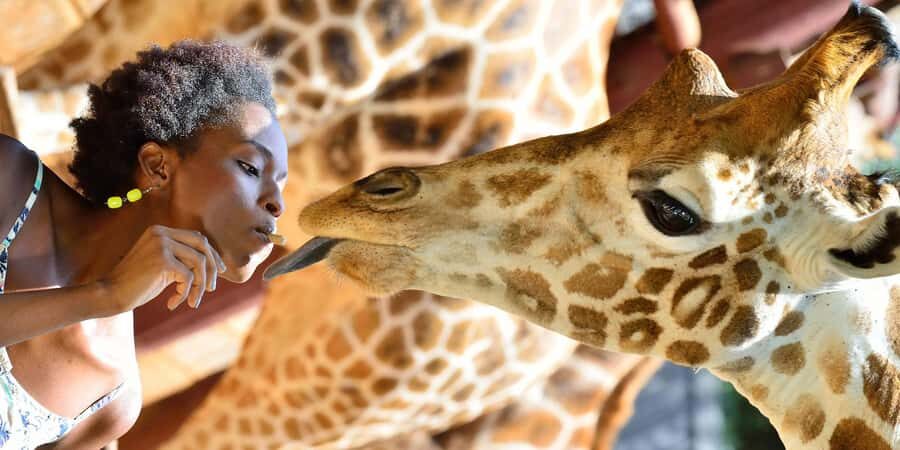
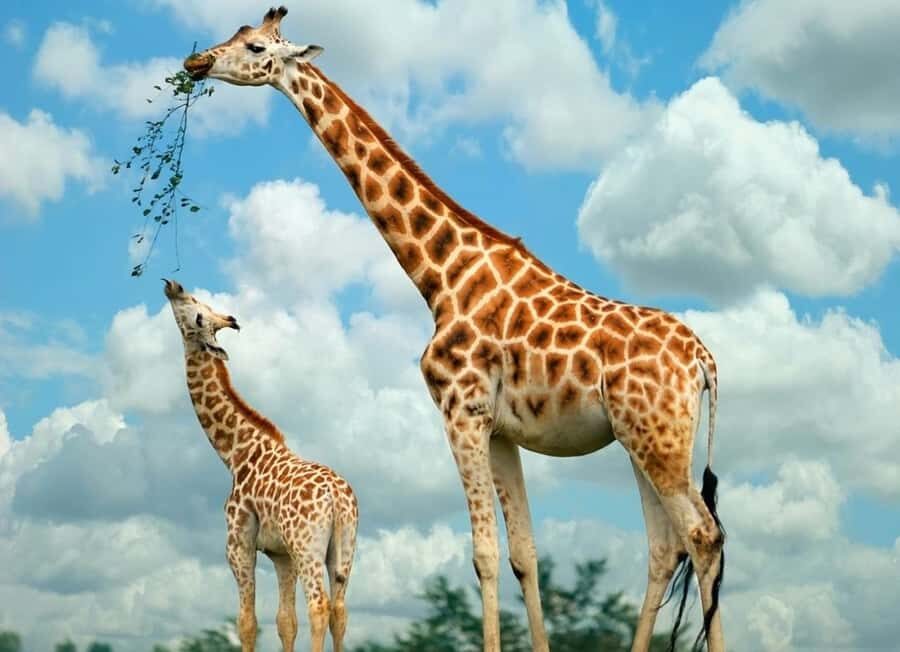
The key experience here is the raised observation platforms. Instead of looking at giraffes from far away, you can feed them at close range under supervision. The center’s main focus is protecting and supporting the breeding of the endangered Rothschild’s giraffe, so the visit is more than a novelty feeding moment. You’ll also find an auditorium where you can listen to conservation talks and learn what the center does beyond the daily visitor experience.
What I like about this stop for your trip: it’s built to make conservation feel personal. When the animals are right there, the mission is easier to take in. The viewing setup is designed so you come eye-to-eye with giraffes, which makes it a stronger “wow” factor than many roadside sightings.
A practical note: animal feeding experiences usually run smoother when you follow staff instructions closely—timing, posture, and where you stand can all affect how safe and comfortable things feel for the animals.
David Sheldrick Wildlife Trust: what to expect at the 11am–12noon window
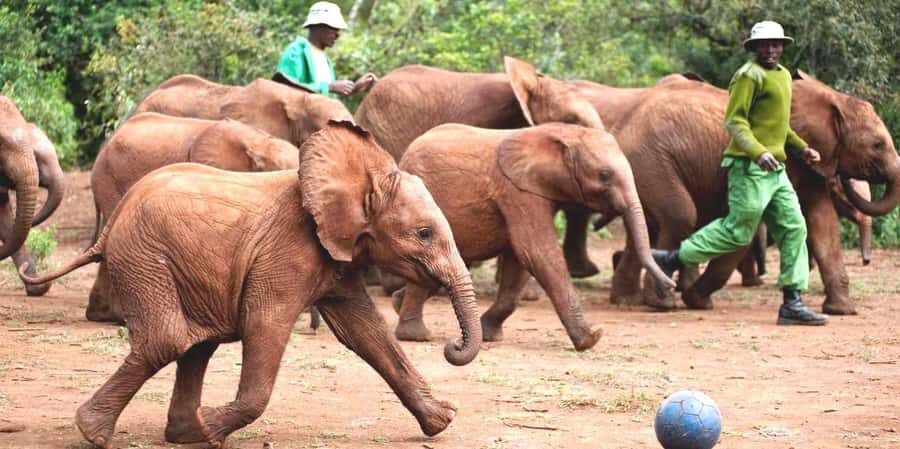
Next comes the David Sheldrick Wildlife Trust. This stop is the most sensitive to timing because it’s described as strictly open between 11:00am and 12:00noon.
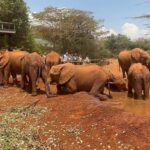
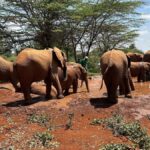
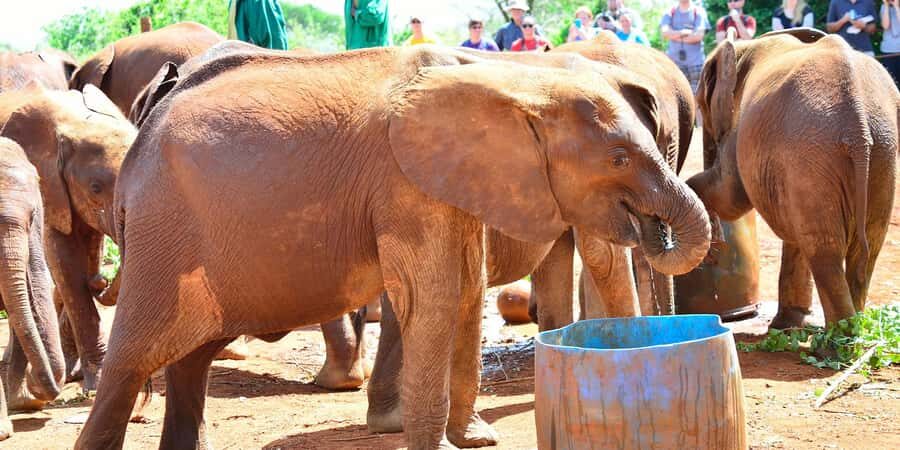
Inside, you’ll see rescued baby and teenage elephants and hear about their individual stories—how they arrived, how they were named, and what plans exist for their future release. The trust is linked to the David Sheldrick Conservation Foundation, and the program is tied to rehabilitation work by Daphne Sheldrick at her home just outside Nairobi National Park.
Why this stop is valuable: it gives you the human side of the wildlife crisis. Instead of only learning statistics, you get a sense of how poaching, injuries, and tragedies can force elephants into rescue—and what rehabilitation is trying to change.
How long you’ll get can feel short. Even when the experience is moving, the trust is a limited-time visit, and the day keeps moving. If you want to linger, be mentally ready for a “watch, learn, and move on” pace.
Also, check the day-of reality. One past booking issue in the provided info was that access didn’t happen as expected because of ticket availability. That doesn’t mean it will happen to you, but it’s a reminder to confirm the elephant trust access details early—especially because of the narrow time window.
Kazuri Beads Factory: seeing the craft from start to finish
After elephants, you’ll drive to the Kazuri Beads factory, a pottery company known for making distinctive beads. The big advantage here is that you aren’t just dropped into a shop. You’ll be shown stages from the start to the finish.
For most people, the beads stop is a nice change of pace after wildlife. It also helps you understand what you’re buying. When you see how a finished item comes together—shaping, processing, and production—you’re more likely to walk out with something you genuinely value, not just a souvenir that looks pretty in a bag.
A balanced take: factory tours can vary in quality depending on timing and the day’s flow. Here, the stated goal is to walk you through the production process, which is what makes it worth your time rather than feeling like a quick retail detour.
If you like crafts or you’re hunting for gifts that feel personal, this is a good match. If you’re not into making/finishing processes, you might find this portion less emotional than the wildlife stops—but it still gives you a real Kenya connection.
Bomas of Kenya: cultural performances from 2:30pm to 4pm
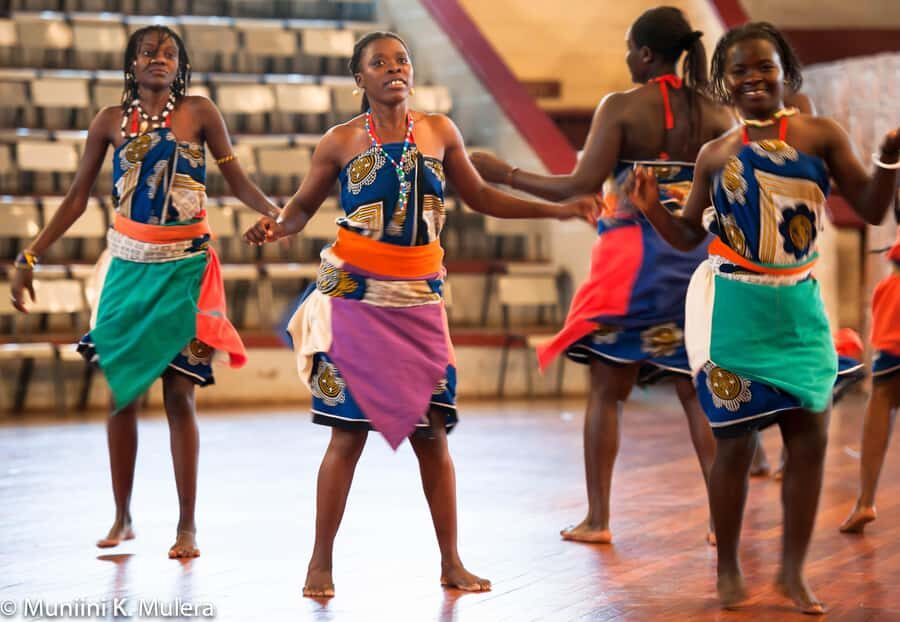
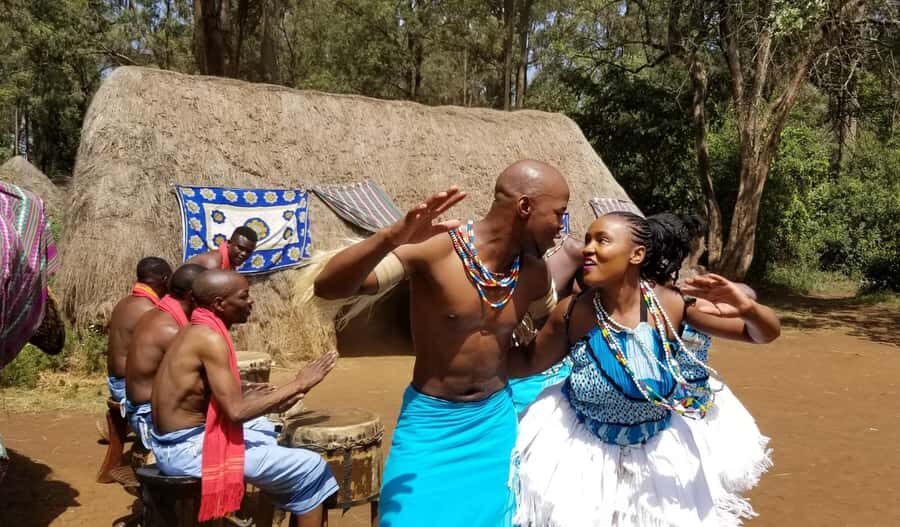
Then it’s time for lunch (own expense) and a cultural show. Your stop is Bomas of Kenya (with lunch described as available at Bomas of Kenya, Tamambo, or similar). After lunch, you’ll enter the auditorium for performances.
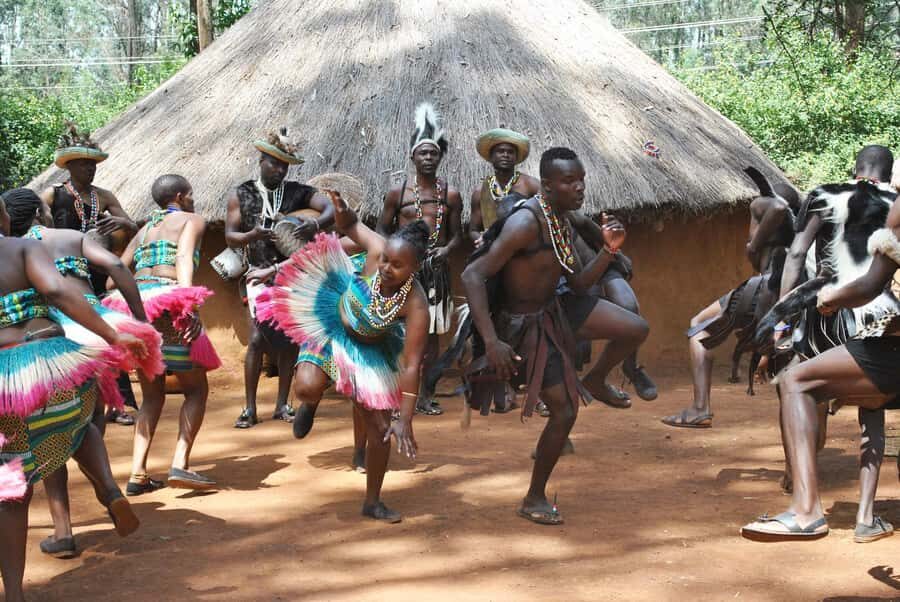
The schedule is clear: cultural shows happen daily from 2:30pm to 4:00pm. The program can include music, dance, theatre/drama, fashion show elements, poetry/recitals, and comedies. If you’re interested in Kenyan culture—or you just want a relaxed, afternoon-friendly way to experience local performance—this part is often the most purely enjoyable.
What to expect in the room: you’ll be in an auditorium setting, which makes it easier to focus on the performance without the “where do I stand” chaos. It’s also a good way to break the day’s intensity. After giraffes and elephants, you get rhythm, storytelling, and a more social atmosphere.
Lunch reality check: your lunch isn’t included. That means you’ll want to budget extra and choose carefully. In the provided tour experience info, there was concern about food handling at one roadside lunch stop. You can reduce risk by using common sense: pick a place that looks busy with clean serving practices and choose food that seems fresh and properly handled.

Getting value from $115: what’s included and what costs extra
Here’s how the money typically breaks down based on what’s provided:
Included in the tour price ($115):
- Pick up and drop off within Nairobi
- Giraffe Centre entrance fee
- Elephant Orphanage (David Sheldrick Wildlife Trust) entrance fee
- Beads centre visit
- Bomas of Kenya entrance fee
- Small group tour
- Skip the ticket line
- English live tour guide
Not included:
- Lunch (you purchase it)
- Nairobi National Park-related fee: the info says extra $85 per person for Nairobi National Park since it’s under Kenya Wildlife Service (KWS), and it also separately notes USD43 per person park entrance fees via eCitizen through the park gate. The amounts in the info conflict, so I strongly suggest you confirm with your provider which fee(s) apply to your specific routing that day.
This matters because it can turn a “seems reasonable” day trip into a more expensive one if you weren’t expecting park fees. On the flip side, even with the added cost, you’re still paying for multiple sites with entry fees and guided time, not just driving around.
Also, the tour includes “skip the ticket line,” which can save time when you’re dealing with animal and performance schedules.
Logistics that can make or break your day

Your day starts early, with pick-up at 8:00am and a long set of drives between sites. In plain terms: wear comfortable shoes, plan for a warm Nairobi day, and bring water.
Small-group travel is helpful here. You’ll have a live guide in English, so it’s easier to understand what you’re seeing—especially at the giraffe and elephant stops where you’re getting conservation explanations.
The driving itself is often the least glamorous part, but it can set the tone. One of the positive notes in the provided information singled out a driver named Tytus for kindness and skill. That kind of steady, polite handling matters when you’re moving on a schedule.
Timing is the other big issue. If you arrive at the elephant trust close to the cutoff, you’ll lose learning time. If you get stuck waiting after the Bomas show, it can mess with your return plans. So if you’re someone who hates waiting around, mentally prepare for a day that runs on traffic and timing, not just on-site beauty.
Who should book this tour—and who should skip it
This tour is a good fit if you want:
- A single day that mixes wildlife conservation + culture
- Up-close access (especially at the Giraffe Centre)
- A structured afternoon show at Bomas of Kenya that’s more than just walking around
It might be less ideal if you:
- Hate short, timed visits and prefer slower pacing at each site
- Expect lunch to be included or premium in quality
- Are very sensitive to schedule changes around the elephant trust opening window
It also works well for first-timers to Nairobi who want an organized day trip without planning every stop and entrance ticket on their own.
Should you book the Giraffe Centre, Elephant Orphanage, and Bomas of Kenya tour?
I think it’s worth booking if you match the tour’s strengths: close giraffe viewing, a conservation-focused elephant stop, an educational craft factory visit, and a live cultural performance in the afternoon. The included entry fees and the guided format make the $115 price feel like a proper value day rather than a single-site ticket.
My advice: confirm the elephant trust access details before you go, especially because the info includes strict opening hours and at least one past access problem. Also, budget for extra Nairobi National Park-related fees and keep money aside for lunch.
If you do that homework, you’ll come away with a day that teaches you something and entertains you—eye-to-eye with giraffes, knowing more about rescued elephants, and ending with Kenyan culture you can actually see up close.
FAQ
What time does pick-up happen?
Pick-up is scheduled from your Nairobi hotel or home at 8:00am.
How long is the tour?
The tour duration is 9 hours.
What animals will I see?
You’ll visit the Giraffe Centre for Rothschild’s giraffes and the David Sheldrick Wildlife Trust to see rescued baby and teenage elephants.
When is the Elephant Orphanage visit open?
The David Sheldrick Wildlife Trust is strictly open between 11:00am and 12:00noon.
Is lunch included?
No. Lunch is your own expense and you’ll be taken out to a restaurant such as Bomas of Kenya or Tamambo.
Which beads factory do you visit?
You visit the Kazuri Beads factory.
What cultural performances are included, and when are they?
The Bomas of Kenya show runs daily from 2:30pm to 4:00pm and can include music, dance, theatre/drama, fashion show, poetry/recitals, and comedies.
Are park entrance fees included?
No. The info says you must pay additional Nairobi National Park-related fees on the day. It mentions extra $85 per person for Nairobi National Park, and it also notes USD43 per person via eCitizen at the park gate—confirm which applies for your trip.
What is the cancellation policy?
You can cancel up to 24 hours in advance for a full refund.