REVIEW · NAIROBI
Elephant Orphanage Trust, Giraffes & Bomas of Kenya Day Tour
Book on GetYourGuide →Operated by Rustic Nature Tours Ltd. · Bookable on GetYourGuide
Elephants and giraffes, right in Nairobi. I love the chance for Rothschild’s giraffe handfeeding from a raised wooden platform, and I also love the close, guided elephant orphanage session where you can watch baby elephants enjoy bottle feeding, sandbaths, and mud. One heads-up: you’ll likely pay extra statutory conservation fees, and at the gate there’s no cash accepted.
The pace is built around the animals, and it shows. Guides like Jacinta and Kevin (noted for being punctual and detail-focused) help you arrive at the daily animal presentation window, so you don’t miss the best moments at the orphanage. The small drawback is simple: this is a walking-and-transport day, so it is not ideal for people with mobility impairments.
After wildlife time, the cultural stops matter. You’ll see how beads get made at the Kobe beads women factory, then finish with the Bomas of Kenya dance program and homestead visits that spotlight traditions across Kenya’s ethnic communities.
In This Review
- Key things I’d watch for on this day
- Giraffe Center First: Handfeeding Rothschild’s and a Bird Sanctuary Walk
- Elephant Orphanage Trust: The 11am–12 Noon Window for Baby-Elephant Encounters
- Kobe Beads Women Factory: Craft Time with Real Employment Stories
- Bomas of Kenya: 53 Communities, 15 Dances, and Homestead Visits
- Price and Logistics: What $123 Actually Buys (Plus the Conservation Fee)
- How the Day Runs: Timing, Transport, and What to Bring
- Who Should Book This Tour (and Who Should Skip)
- Should You Book the Elephant Orphanage Trust, Giraffes & Bomas Tour?
- FAQ
- What animals will I see on this tour?
- Is the giraffe feeding experience included?
- When does the elephant orphanage session happen?
- Can I sponsor an orphaned elephant?
- Is lunch included?
- Do I need to pay any extra conservation fees?
- Is the Kobe beads women factory stop included?
- What cultural activities are included at Bomas of Kenya?
- Is the tour suitable for people with mobility impairments?
- Are pets allowed?
Key things I’d watch for on this day
- Rothschild’s giraffes at the center for endangered-wildlife learning and hands-on feeding
- Elephant Orphanage presentations timed between 11am and 12 noon
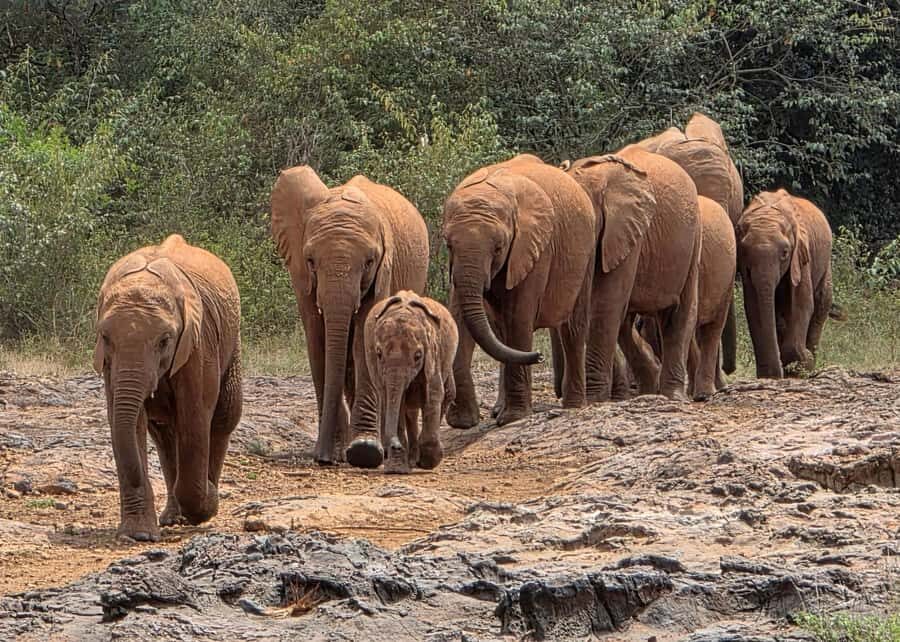
- Baby-elephant interaction built around keepers’ guidance, including bottle feeding
- Gogo River Bird Sanctuary forest walk plus possible warthog sightings
- Kobe beads women factory job training that includes single-parent employment
- Bomas of Kenya shows featuring 15 traditional dances, including Samburu and Maasai warriors
Giraffe Center First: Handfeeding Rothschild’s and a Bird Sanctuary Walk
This tour starts with the giraffes, and I like that. You get your energy up early, and the atmosphere at the Giraffe Center is usually calmer before the day gets busy. Expect a guided orientation from trained staff, plus time to observe the animals up-close.
The headline here is the Rothschild’s giraffe. This is a highly endangered subspecies, and you’re there specifically to learn about conservation and what it takes to protect them. One of the most memorable parts is the raised wooden structure used for handfeeding. You’ll be close enough to see their behavior up close, not just far-off silhouettes, and the staff typically manage the interaction so it stays safe for animals and visitors.
As you look around, keep an eye on the ground. You might spot warthogs snuffling in the mud, which adds a bit of real “life happens” nature to what could otherwise feel like a set visit. If you like small discoveries, this stop delivers them.
Next to the center, you also get a self-guided forest walk through the adjacent Gogo River Bird Sanctuary. I appreciate that it’s self-paced. You can slow down for the birds or just enjoy the shade and quiet instead of marching everywhere with the clock. Even though this part is optional in a sense, it adds variety to the day beyond “look at animals, then move on.”
A practical tip: giraffes can be a little intimidating if you’re expecting a purely photo-only moment. Wear comfortable shoes and keep your sun hat ready. You’ll be standing and waiting in the same places for a while, and Kenya sun doesn’t negotiate.
You can also read our reviews of more tours and experiences in Nairobi.



Elephant Orphanage Trust: The 11am–12 Noon Window for Baby-Elephant Encounters
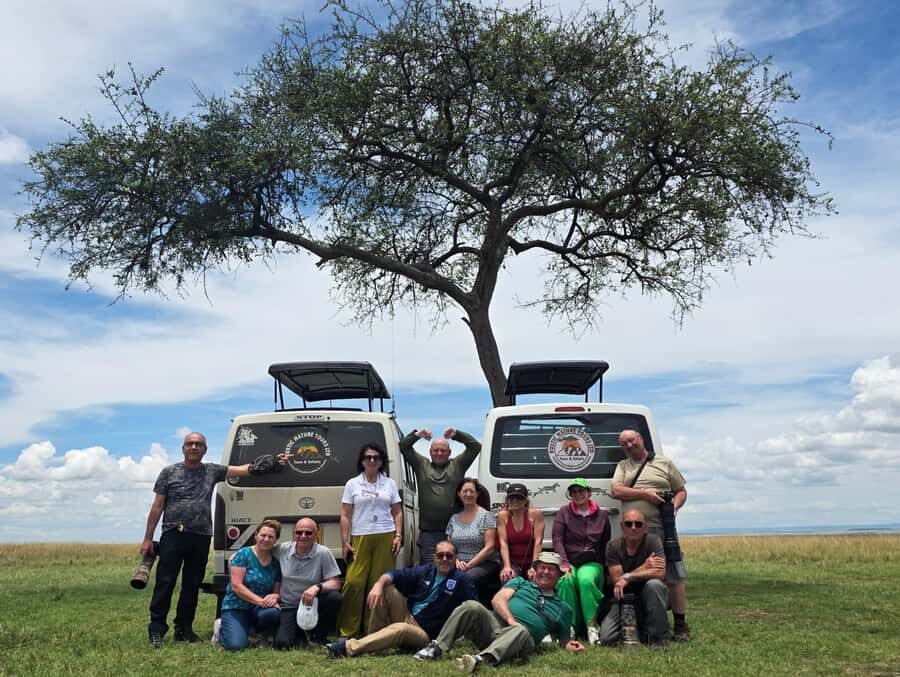
Then comes the main event: the elephant orphanage session. The tour is designed around the orphanage presentation times, which run daily between 11am and 12 noon. That timing matters because you’re not just visiting a property—you’re joining a scheduled care-and-conservation moment.
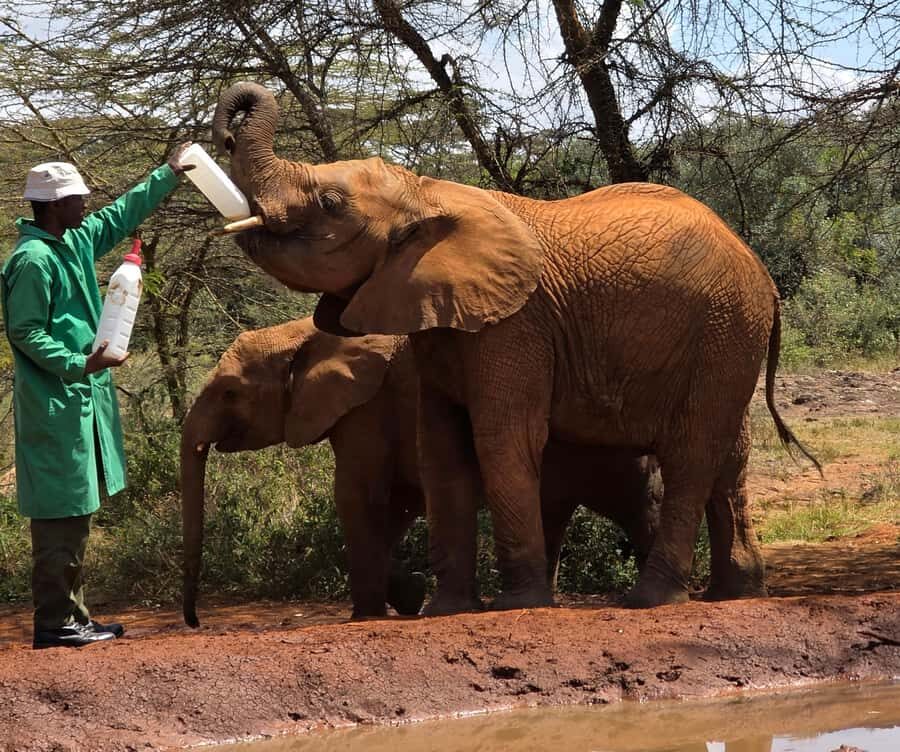
At this stop, you get a guided session with experienced guides and keepers from the sanctuary. That’s a big difference from the typical “watch from a distance” wildlife experience. You’ll learn what the sanctuary is doing for elephant conservation in Kenya and how the orphanage supports baby elephants while working toward their long-term protection.
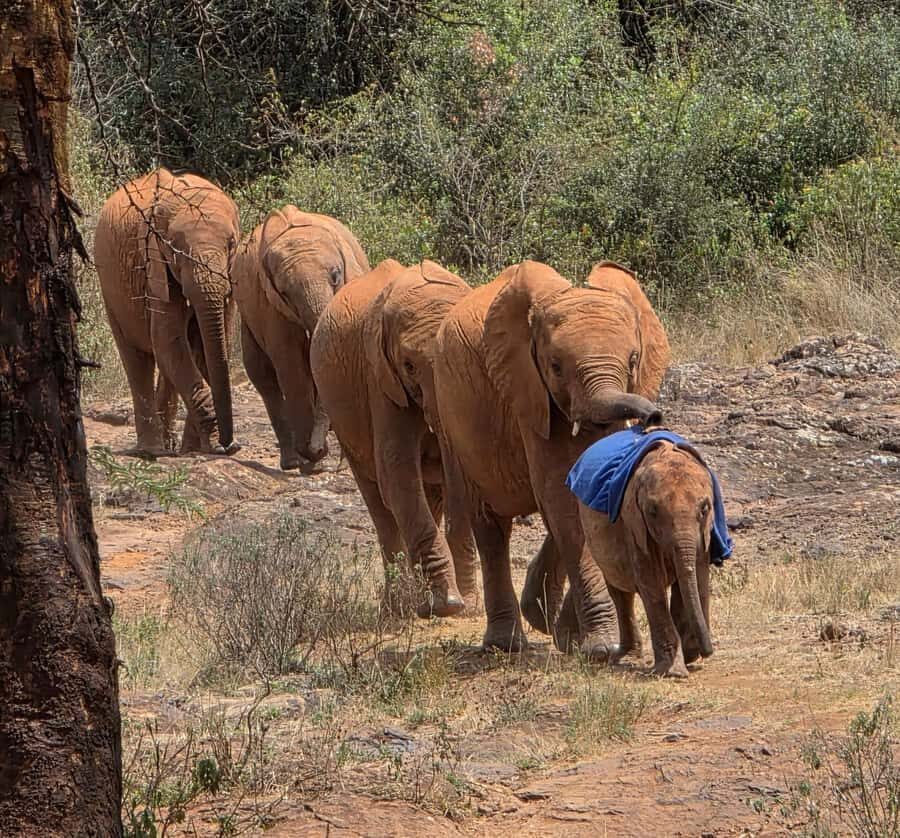
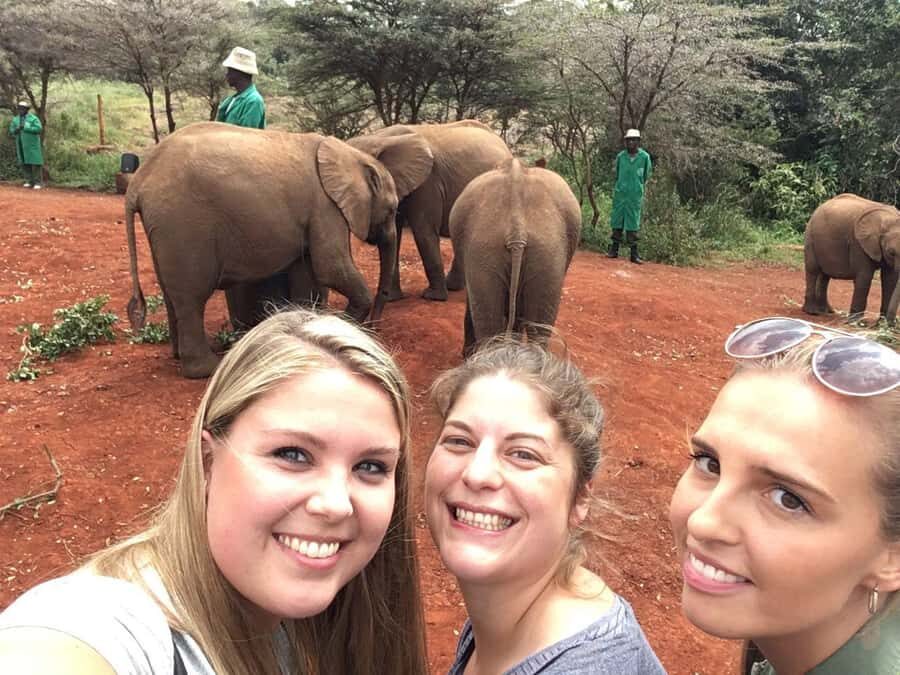
The baby-elephant interaction is where people really feel the emotion. You’ll see them relax and play, including sandbaths and mud baths in the heat of the day. Yes, it can look messy. That’s also the point—dust and mud are part of how elephants cool off and protect their skin. It’s one of those natural behaviors that connects care work to what the animals actually need.
There’s also bottle feeding, which is usually a highlight because it’s active and time-bound. If you’re the type who likes watching a full behavior cycle—approach, feeding, settling—that’s the kind of moment you’ll want your camera ready for.
One more option that makes this feel meaningful, not just entertaining: you can adopt or sponsor an orphaned baby elephant of your choice during the visit. That doesn’t turn the day into a donation pitch. It gives you a way to connect your visit to ongoing work, and it can help you leave feeling that this wasn’t just a photo stop.
One consideration: conservation-fee rules and timing can affect your day flow. This tour includes entries for the elephant orphanage and giraffe center, but the statutory conservation fee is separate (details later). Also, the session relies on the daily schedule—so keep your energy steady and arrive on time with the guide.
Kobe Beads Women Factory: Craft Time with Real Employment Stories
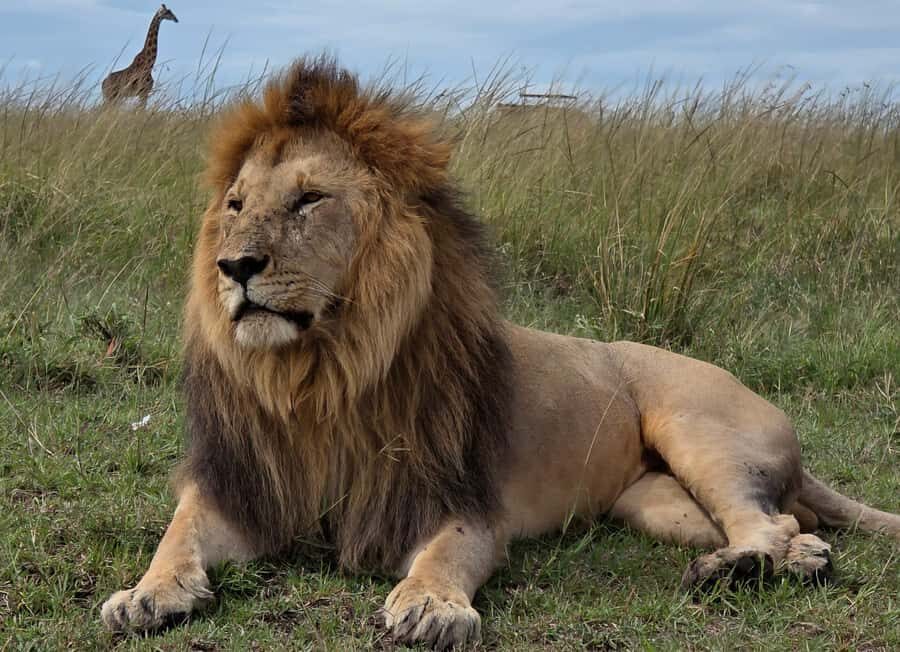
After elephants, you’ll shift gears to people and craft. The next stop is the Kobe beads women factory, where you can see how beads get made through the full process—from start to finish.
The “why this matters” here is job impact. This factory employs single mothers from poorer neighborhoods, giving them income that supports their families. It functions as a women empowerment center, so the visit isn’t just about a product. You’ll see a working studio approach to traditional crafts, with the story tied directly to community support.
If you enjoy practical souvenirs, this is the part where you might actually buy something without feeling like you’re just paying for a blanket display. Even if you don’t purchase, watching the production steps can be satisfying. It’s more hands-on than a typical shopping detour.
The tour also includes this as a complimentary stop, described as optional. That’s helpful if you want the cultural day feel but still prefer to manage your time. If you love crafts, it’s worth leaning into. If you’re tired from sun and waiting for feeding windows, you can treat it as a calmer segment.
Bomas of Kenya: 53 Communities, 15 Dances, and Homestead Visits
By the time you reach Bomas of Kenya, your brain has probably run through: animals, then people’s work, then back to tradition. That’s exactly how the day is meant to flow. It’s not only performances; it’s also about understanding cultural values through homesteads and community storytelling.
The bomas focus on preserving and promoting cultural values across Kenya’s ethnic communities. The tour frames this as exposure to traditions from 53 ethnic communities in Kenya. That’s a lot to cover in one day, so what you’ll actually experience is a curated mix of homestead visits plus daily dance selections.
The center’s daily program includes 15 traditional dances of different ethnic communities. One standout is the Samburu and Maasai warriors performance, which is typically the kind of show that draws attention because the movements and costumes are dramatic and clearly practiced.
The homestead part is what makes it feel different from a stage-only show. You’re visiting different homesteads to see the actual real of how people live and how tradition shows up in daily life. That doesn’t mean every detail is “hands on.” It does mean you’re not treating culture like a museum diorama. You’re meeting it as a living tradition.
If you’re worried about this feeling touristy, focus on the homestead visits and listen for what the guides explain about meaning and function, not just steps and rhythms. When you do that, the dances turn into something you understand, not just something you watch.
Price and Logistics: What $123 Actually Buys (Plus the Conservation Fee)
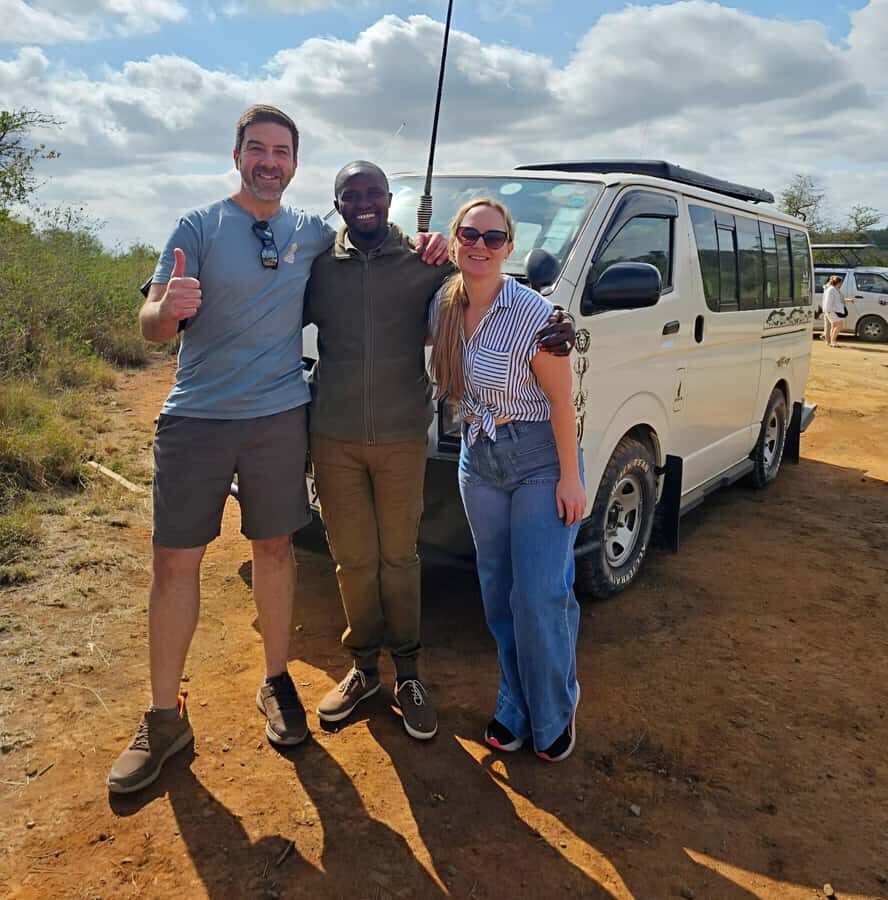
The base price is listed at $123 per person. On paper, that sounds straightforward. In real life, the value comes from what’s included and what isn’t.
Included in the tour package are:
- Entry/admission tickets for the elephant orphanage, giraffe center, and Bomas of Kenya
- Hotel pick-up and drop-off
- Professional guide
- Private transport and bottled water
- Beads factory visit as a complimentary add-on (optional)
- A guided cultural experience with homestead visits
Lunch is available for purchase, not included, which is common on these day tours.
The part you must plan for is the statutory conservation fee needed to access the elephant orphanage. The data you have says the fee is payable at the gate entrance and that payment is only by card (VISA/MASTERCARD), with no cash. It also notes that statutory conservation fees are paid through the e-citizen platform and that no cash is accepted at the gate. Translation: don’t assume you can pay in hand. Bring a card, and plan to handle the required fee process before you arrive.
If you’re traveling as an adult, the extra fee shown is $43; for a child, $22. Add that to your $123 base if you’re an adult, and your real cost is higher than the headline price. Still, I think it can be good value if you factor in the guide, private transport, multiple admissions, and two animal encounters designed around specific daily presentation times.
My advice: budget for both the tour price and the conservation fee, and keep a card ready for any gate-based payments.

How the Day Runs: Timing, Transport, and What to Bring
This is a full day in central Kenya focused on three big segments: giraffes, elephants, then culture. It moves efficiently because the animal stops have schedules and the cultural stops need time to settle you.
You’ll start with the giraffe center, then head to the elephant orphanage for the 11am–12 noon presentation window. After that you’ll go to the Kobe beads women factory, and then either go to lunch (at a local restaurant of your choice from the tour plan) or continue directly to the Bomas portion depending on timing.
Two things make or break days like this: sun management and footwear.
- Bring comfortable shoes. There’s standing, walking, and waiting for short windows.
- Bring a sun hat. You’ll be outside for the giraffe and elephant moments.
Bottled water is provided, which is a simple but helpful quality-of-life detail.
Also, note the tour is not suitable for people with mobility impairments. That’s not me being picky. It’s because you’ll likely face uneven ground, transport transfers, and walking in hot conditions.
One more rule: pets are not allowed. If you’re traveling with animals, plan for separate care.
Language support is listed as English, Spanish, French, and German. That’s useful if you want clear explanations at each stop, especially for conservation context and cultural meaning.
Who Should Book This Tour (and Who Should Skip)
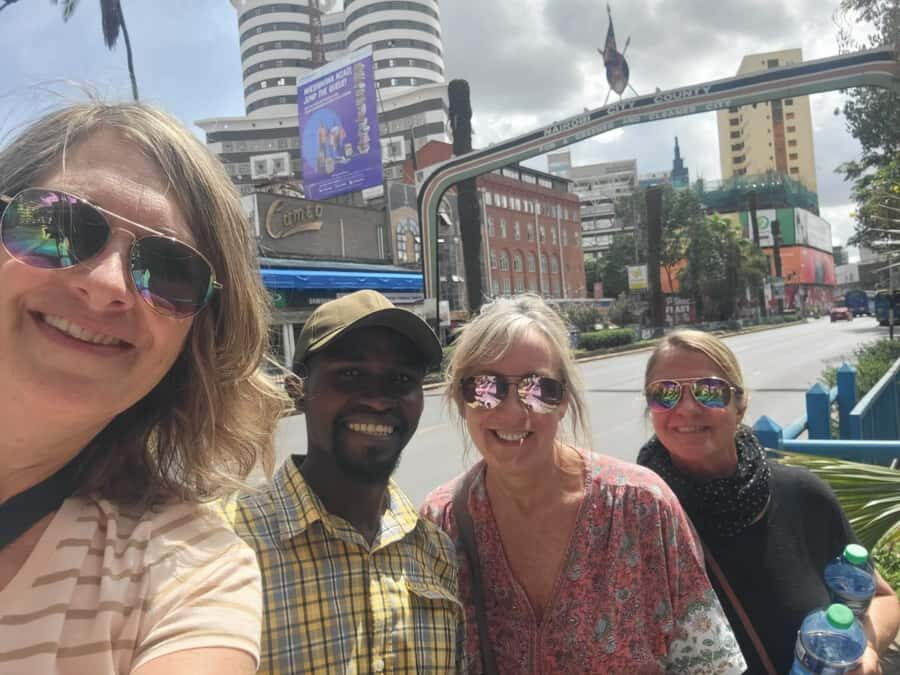
I’d point this tour at three types of travelers:
- If you want a one-day Nairobi-area hit list of animals plus culture
- If you care about conservation learning, not only photos
- If you like guided context—staff explanations at both centers make the day feel purposeful
I’d consider skipping if you:
- Need a low-walking day. The tour is not suitable for mobility impairments.
- Hate extra fees and prefer tours with no gate surprises. You’ll deal with a statutory conservation fee for the elephant orphanage, and it’s card-based with no cash.
If you’re on a tight schedule and want something that feels well-structured, this tour’s format makes sense: it doesn’t scatter you across the city. It concentrates your time where it counts.
Should You Book the Elephant Orphanage Trust, Giraffes & Bomas Tour?
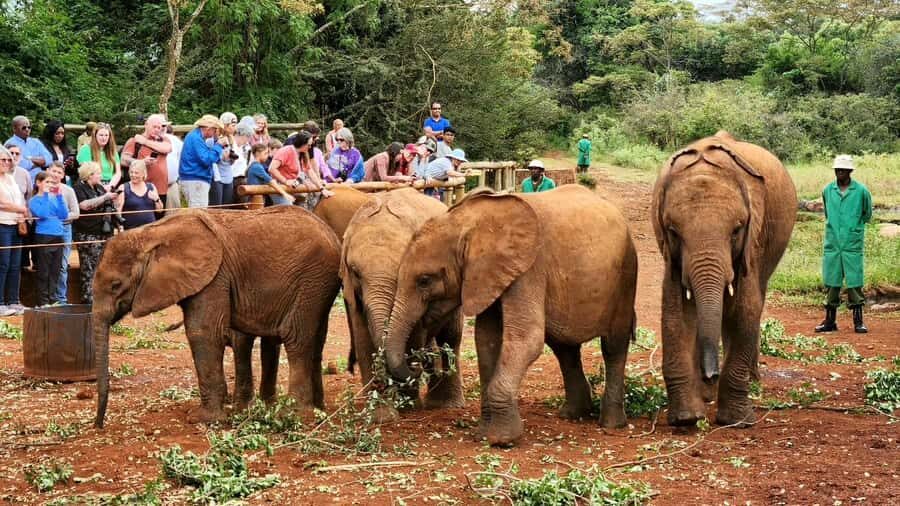
If your priority is close animal interaction plus a real cultural evening, I think this is a strong choice. The giraffe feeding setup at the Rothschild’s center, the elephant orphanage session timed between 11am and 12 noon, and the option to sponsor an orphaned baby elephant give the day weight. Then Bomas of Kenya adds meaning with homestead visits and a daily dance program with Samburu and Maasai warriors.
Just make the decision after you’ve mentally added the conservation fee and confirmed you can pay by card (no cash). Also, be honest about walking and heat. If that fits your comfort level, you’re likely to come away with more than souvenirs—more like a better understanding of how conservation and culture connect in everyday Kenya.
FAQ
What animals will I see on this tour?
You’ll visit the Giraffe Center to see Rothschild’s giraffes and the Elephant Orphanage to see baby elephants. The tour also notes you may spot warthogs around the giraffe area.
Is the giraffe feeding experience included?
Yes. At the giraffe center, you’ll enjoy observing and handfeeding from a raised wooden structure.
When does the elephant orphanage session happen?
The elephant orphanage guided session takes place between 11am and 12 noon daily.
Can I sponsor an orphaned elephant?
Yes. During the elephant orphanage visit, you’ll have the opportunity to adopt or sponsor an orphaned baby elephant of your choice.
Is lunch included?
Lunch is not included. It’s available for purchase at a local restaurant after the beads factory stop.
Do I need to pay any extra conservation fees?
Yes. There is a statutory conservation fee required to access the elephant orphanage. It must be paid (no cash is accepted), and the information provided states only card payment is allowed at the gate and that fees are handled through the e-citizen platform.
Is the Kobe beads women factory stop included?
The tour includes a complimentary visit to the Kobe beads women factory, and it’s described as optional.
What cultural activities are included at Bomas of Kenya?
You’ll visit traditional homesteads and enjoy daily dance performances. The schedule includes 15 traditional dances, with Samburu and Maasai warriors highlighted.
Is the tour suitable for people with mobility impairments?
No. The tour is not suitable for people with mobility impairments.
Are pets allowed?
No, pets are not allowed on this tour.