REVIEW · NAIROBI
Bomas half day tour from Nairobi
Book on Viator →Operated by Perfect Safaris · Bookable on Viator
Bomas of Kenya is a fast trip into Kenya’s living culture. You’ll spend focused time with traditional dances and the look-and-feel of Kenyan huts, not a rushed drive-by. I like that the schedule is built around one main place, so your afternoon stays clear and you can actually pay attention.
What really makes this work is the human touch from your guide—whether it’s Isaac behind the wheel, Selestrine explaining the cultures, or Stephen/Steve steering the questions in the right direction. One possible drawback: it’s a half-day format, so if you want lots of stops, this is intentionally not that kind of tour.
In This Review
- Key things to know before you go
- Bomas of Kenya at 1:00 pm: how the half-day actually plays out
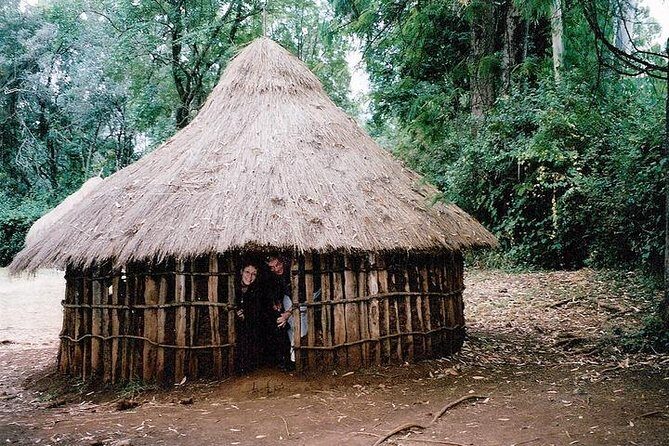
- What you’ll see: dances and the huts experience
- How guides shape the day: names you’ll hear and questions you’ll want to ask
- Price and value: what $110 gets you in Nairobi terms
- Pickup, timing, and making your afternoon work
- Etiquette and what to do before the performance starts
- When a snakes park stop shows up: what to expect nearby
- Who this tour fits best (and who should rethink it)
- Should you book the Bomas half-day tour from Nairobi?
- FAQ
- What time does the Bomas half-day tour start?
- How long is the tour?
- Is hotel pickup and drop-off included?
- Is the entrance fee included?
- What does the tour cost?
- Is this a private tour or shared?
- Are gratuities included?
- Can I cancel and get a refund?
Key things to know before you go

- Hotel pickup and drop-off keep your 1:00 pm start from turning into a logistics headache.
- Admission is included so you can focus on the show and the huts, not ticket counters.
- About 4 hours on-site means there’s time for performances and guided context, not just a quick look.
- Private tour for your group gives you a more personal pace and easier questions.
- Most people can participate, making it a practical cultural choice for a wide range of ages and interests.
Bomas of Kenya at 1:00 pm: how the half-day actually plays out

This tour is built as a true half-day experience with a 1:00 pm start. Real life in Nairobi can get unpredictable—traffic, sunlight, and timing—so starting later in the afternoon is a smart way to avoid burning your morning. You’ll also have the comfort of being picked up and dropped back at your hotel or residence, so you’re not spending your limited time hunting for transport.
The total duration is about 5 to 6 hours. That includes the drive time plus your main block at Bomas of Kenya (around 4 hours, with admission included). In other words: you’re not just getting a performance. You’re getting a chunk of time to see how the place works, watch the dances, and walk through the huts with guided explanations.
For best results, plan a calm afternoon before you go—have a snack, fill your water, and keep your phone charged. This isn’t the kind of outing where you can easily step away for long stretches, because the schedule is centered on the performance rhythm.
You can also read our reviews of more tours and experiences in Nairobi.



What you’ll see: dances and the huts experience

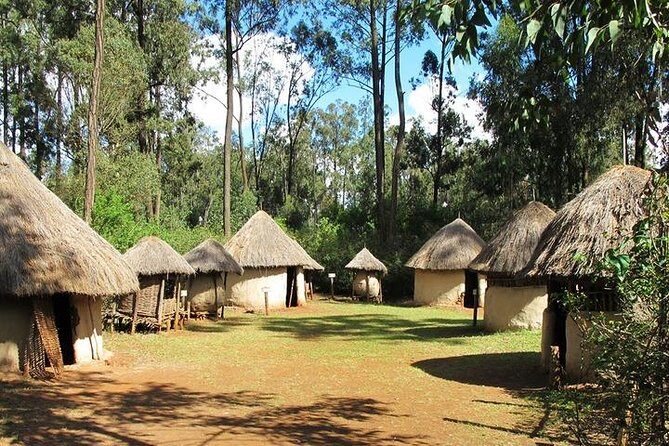
The core of the day is straightforward: you’ll experience Kenyan community culture through dances and visiting the huts. That combination matters more than it sounds. A dance performance can stay entertaining for one show. But when you’re also seeing huts right there in the same setting, it gives you a more grounded understanding of how people live and how culture shows up in daily spaces.
The guided element is what turns the experience from entertainment into learning you can use. In the tour stories shared with guides like Selestrine, the focus isn’t just on what you’re watching—it’s on explaining curiosities about the tribes of Kenya and helping you connect the performance to the cultural context. You’ll feel that shift when you start asking questions and your guide can answer in a way that makes the whole thing click.
One practical detail: this is a show-and-walk format. You’ll be moving around enough to stay engaged, but it’s also structured. That makes it easier for groups with mixed energy levels—people who love performance can stay focused on the dances, while those who prefer stories and observation can focus on the huts and explanations.
If you’re sensitive to noise or crowds, keep your expectations grounded. It’s a cultural venue, so there’s activity. But based on the tone of the experiences shared, the vibe is friendly and organized, not chaos.
How guides shape the day: names you’ll hear and questions you’ll want to ask

A big part of the value here is how your guide handles pacing and questions. Different guides bring different styles, but the common thread from the guide names you’ll hear in shared experiences—Isaac, Selestrine, Stephen/Steve, and George—is that they work to keep the day pleasant and understandable.
Stephen/Steve is specifically described as having strong knowledge and answering lots of questions without making you feel rushed. That’s the kind of guide you want if you like to go a bit deeper and you don’t want a scripted lecture. Selestrine is praised for being kind and friendly while explaining curiosities about Kenya’s tribes—again, that’s about clarity and comfort, not just facts.
Isaac shows up more as a driver mention, but it still signals something important: smooth transport and a relaxed trip. When a driver is steady, you arrive less frazzled. Less stress usually means you enjoy the show more.
My advice: bring questions that are simple and specific. For example, ask how certain dance elements relate to daily life or ceremonies you’re seeing. You don’t need a long lecture request—just a curiosity. If your guide is the type described here, they’ll likely meet you with clear, human answers.
Price and value: what $110 gets you in Nairobi terms
The price is $110.00 per person. For Nairobi, that’s a “pay once and stop thinking” kind of rate—especially because the tour includes transport plus entrance.
Here’s what you can count on being covered:
- Entrance fee (so you’re not paying at the gate)
- Transport
- Pickup and drop-off to your hotel or residence
What’s not included:
- Gratuities
- Airport pickup at $10 USD (listed as an extra, so don’t assume it’s included)
So is it good value? Usually, yes—if you want a guided cultural outing with hotel logistics handled. The math becomes even better if you compare the cost of renting your own vehicle for a half-day plus paying entrance yourself. You’d still spend time arranging pickup, dealing with directions, and figuring out where to wait.
Another value angle: it’s private for your group. Private typically means you aren’t stuck with a mismatched crowd tempo. Even if the tour can run with groups, the structure you’re paying for is for your group only. That’s helpful when you want to ask questions or move at a pace that fits your attention span.
One note: there are group discounts mentioned. If you’re traveling with friends or family and can sync schedules, ask about the discount because it can turn a pricey cultural outing into something more manageable.
Pickup, timing, and making your afternoon work
This tour starts at 1:00 pm, and that timing changes how you plan. You’ll want to think about:
- Lunch timing (eat before pickup)
- Sun and comfort (bring water and something light)
- Phone battery and cash for extras (since gratuities aren’t included)
Because pickup and drop-off are included, you can treat this as a set appointment, not a choose-your-own-adventure day. Confirmation is received at the time of booking, and the tour is described as having most people able to participate, which makes it a practical option if your itinerary is already full.
Also, because the main on-site time is around 4 hours, don’t schedule anything urgent right after your return. Leave a buffer for traffic and the simple reality of getting back to your hotel, refreshing, and changing plans.
If you’re arriving at Nairobi late or coming from the airport, there’s an airport pickup option listed as $10 USD, but it’s not bundled into the base tour price. If that matters, plan it during booking so you don’t scramble later.



Etiquette and what to do before the performance starts
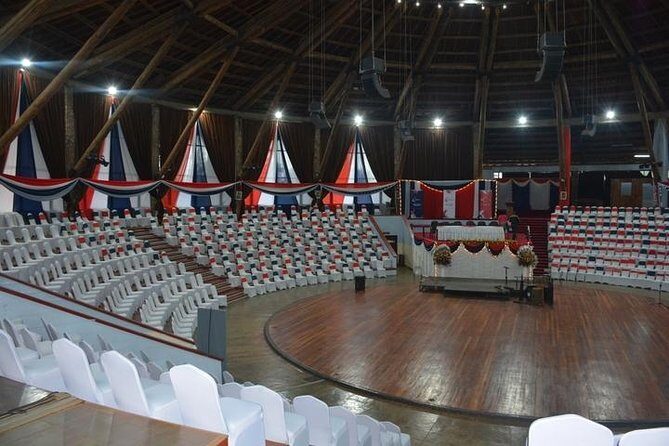
The tour is built around cultural performances and visits to huts. That means your best move is to go in with the right mindset: respectful, present, and ready to follow your guide’s cues.
Practical ideas that fit this kind of venue:
- Wear comfortable shoes for walking around the huts area.
- Keep your phone accessible, but don’t let filming replace attention.
- If your guide explains something before a dance, listen for it. Those small bits often make the performance make more sense.
Based on the shared experiences, people remember the huts stop and the dance time as the “this is why I came” moments. To get more out of those minutes, don’t treat it like a checklist. Let the guide set the story. When you understand what you’re seeing, the experience becomes a lot more than a photo set.
If you’re traveling with kids or someone who gets restless, the hut visits can be a nice reset. Watching dances can be lively and focused, but huts give you a slower, more observation-based break.
When a snakes park stop shows up: what to expect nearby

One of the shared day experiences mentions a stop at a snakes park, with the group describing it as scary in a fun way. That detail isn’t listed in the core itinerary information you have here, so I can’t promise it’s part of every departure.
Still, the practical takeaway is useful: if your day feels like it has extra time, you might be offered an additional nearby stop. The key is to ask your guide what’s included in your specific route that day. If they can add something safely and on time, it can turn a simple half-day into a more memorable Nairobi afternoon.
Who this tour fits best (and who should rethink it)

This is a strong fit if you want:
- A culture-forward afternoon without complicated planning
- Guided explanations while you watch dances and see huts
- A half-day format that doesn’t steal an entire day from your Nairobi plan
It’s also a good match for couples, small groups, and anyone who prefers one solid experience over a long list of stops.
You might want to reconsider if:
- You’re hunting for an all-day, multi-location safari-style program.
- You dislike structured show times and want total freedom to wander without guidance.
- Your schedule is too tight right after pickup/return and you can’t spare a few extra hours.
For most people, though, it lands in the sweet spot between “worth it” and “not exhausting.”
Should you book the Bomas half-day tour from Nairobi?
I’d book it if you want a clear, guided cultural experience that’s easy to plug into a Nairobi itinerary. The value is in the combination of transport + entrance + hotel pickup, and the on-site time is long enough to actually feel like a full experience rather than a quick stop.
If you’re choosing between this and a more spread-out day tour, pick this when you care about understanding what you’re seeing—dances and huts—and you like the idea of a guide who can answer questions. If you want a packed route with many unrelated stops, you’ll probably feel a bit limited by the focused format.
Bottom line: for $110, it’s a sensible way to spend your afternoon learning Kenya’s culture in a real-world setting, with guides like Isaac, Selestrine, and Stephen/Steve showing the kind of friendly, question-ready approach that makes the time feel worthwhile.
FAQ
What time does the Bomas half-day tour start?
The tour starts at 1:00 pm.
How long is the tour?
Plan on about 5 to 6 hours total, with around 4 hours at Bomas of Kenya.
Is hotel pickup and drop-off included?
Yes. Pickup and drop-off to your hotel or residence are included.
Is the entrance fee included?
Yes. The entrance fee is included in the tour price.
What does the tour cost?
The price is $110.00 per person.
Is this a private tour or shared?
It’s private. Only your group participates.
Are gratuities included?
No. Gratuities are not included.
Can I cancel and get a refund?
Yes. You can cancel up to 24 hours in advance for a full refund. If you cancel less than 24 hours before the start time, the amount paid is not refunded.