REVIEW · NAIROBI
Adventure-fueled 3 Days Maasai Mara Safari
Book on Viator →Operated by African Home Adventure Safaris · Bookable on Viator
Three days in the Mara feels like speed travel. You leave Nairobi early, roll straight into open savannah, and spend your days chasing wildlife—no fences, no excuses, just raw game viewing with excellent chances for predators and birds of prey. I like that you get real time in the park (morning and afternoon drives, plus a full day), and I also like the feel of a small group (up to 7), which makes the whole rhythm more flexible. One thing to consider: it’s an early start and you’ll be in the vehicle a lot, so if you hate long road days, this one may test your patience.
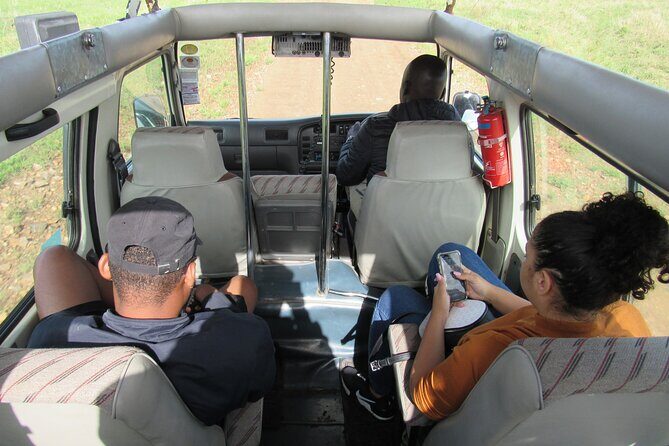
What makes this safari especially practical is the steady structure: you’re picked up at 7:00 am from YWCA Kenya in Nairobi, you sleep in the bush at Enchoro Wildlife Camp, and you’re back in town with a guaranteed meal plan (dinner, breakfast, and lunch are included). Guides such as Jared, George, James, Kennedy, and Joseph are mentioned repeatedly for doing the hard part well: listening to what you want to see and positioning the vehicle for good views while staying respectful of wildlife. If you add the optional balloon ride on Day 2, budget for it, since it’s not included.
In This Review
- Key highlights you’ll feel fast
- Day 1: Nairobi to the Mara River with a Rift Valley break
- Afternoon and evening drives: what “good time” in the Mara really means
- Day 2: full-day game drive with picnic lunch inside the park
- Enchoro Wildlife Camp: what your included night is really for
- Day 3: leaving the Mara with a Maasai Market stop and Carnivore Restaurant lunch
- Price and value: what $1,176.48 buys you in practice
- Who should book this safari, and who should reconsider
- Quick booking advice before you go
- Should you book this 3-day Masai Mara safari from Nairobi?
- FAQ
- What time is pickup for this safari?
- Where is the meeting point?
- How long is the safari?
- Is pickup included, and where do I get dropped off?
- What meals are included?
- Are park/admission tickets included?
- Can I add a balloon ride?
- What is the cancellation window?
Key highlights you’ll feel fast
- Early 7:00 am Nairobi pickup: you start driving while the morning wildlife is still active.
- Mara River game viewing: a named stop that helps frame where you’ll spend prime sighting time.
- Small group size (max 7): easier conversation, quicker reactions, less waiting around.
- Picnic-style lunch inside the park: fewer logistics headaches mid-day.
- Guides who adjust to your needs: names like George and Jared show up in feedback for a reason.
- Optional balloon ride on Day 2: extra cost, but it’s the clearest “upgrade” offered.
Day 1: Nairobi to the Mara River with a Rift Valley break
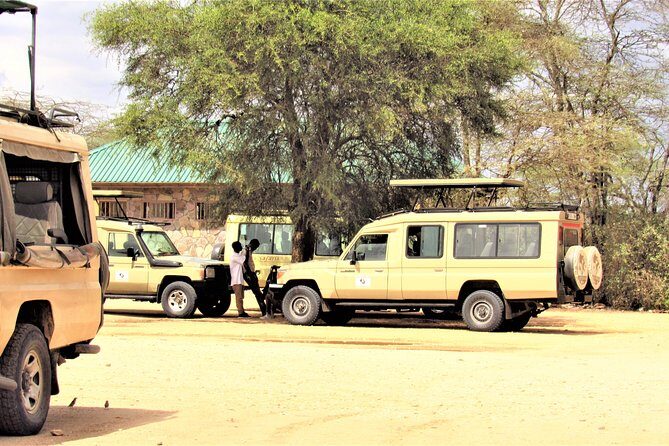
The day begins at 7:00 am with pickup from YWCA Kenya – National Headquarter, Nyerere Rd, Nairobi. That early start matters here. The Masai Mara isn’t a museum you stroll through—it’s a place where animals move according to heat, water, and hunting patterns. Getting rolling early puts you in the park when you’re most likely to catch active behavior.
On the way out, there’s a brief stop at a Rift Valley viewpoint. It’s short, but it’s a useful mental warm-up: you get perspective on why this region is so special for wildlife movement and why the Mara feels so open and dramatic once you arrive. Then you head to lunch at Enchoro Wildlife Camp, which is a smart setup. You’re not spending your first day starving and waiting—you get fed, reset, and then you’re straight into afternoon game viewing.
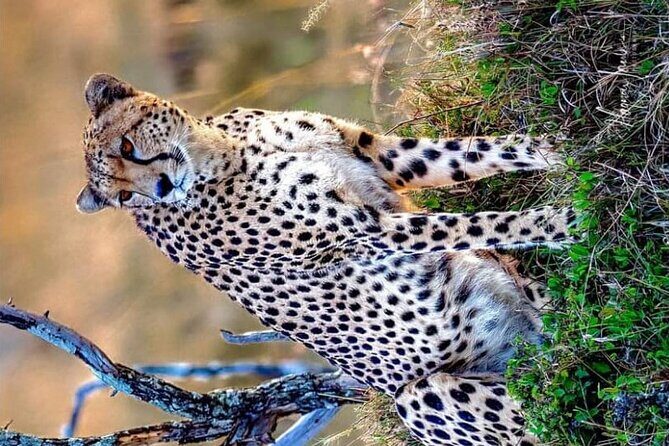
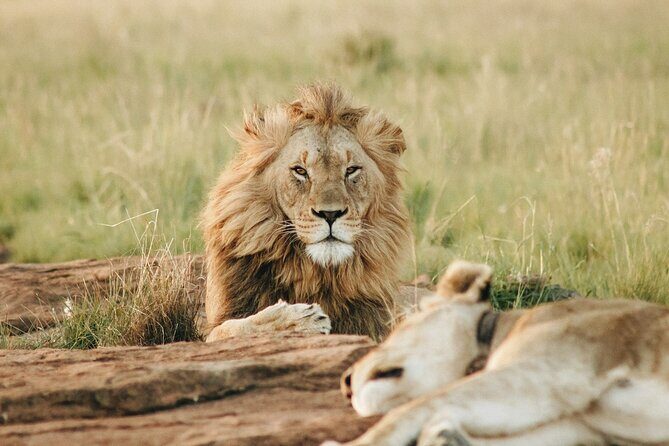
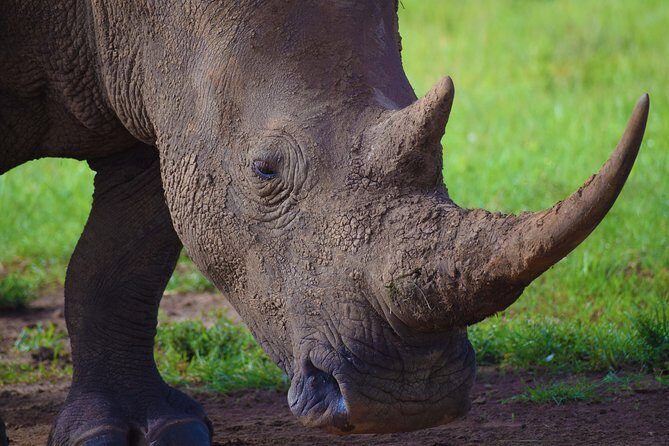
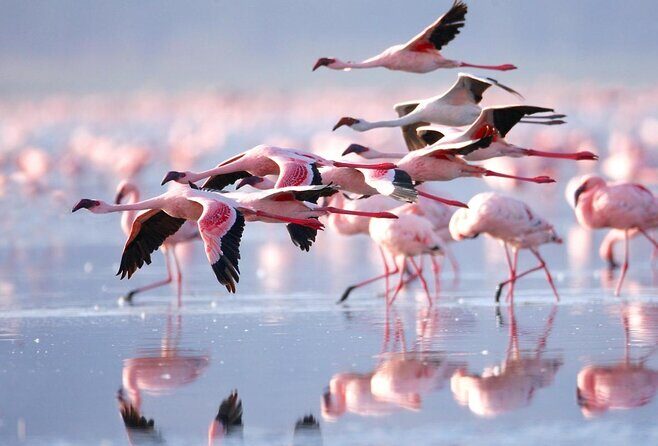
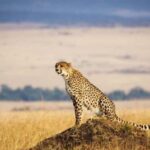
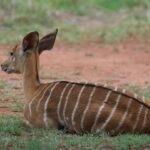
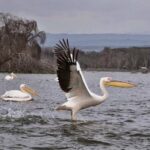
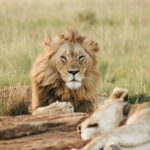
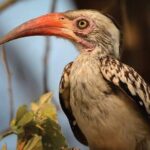
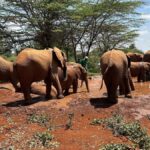
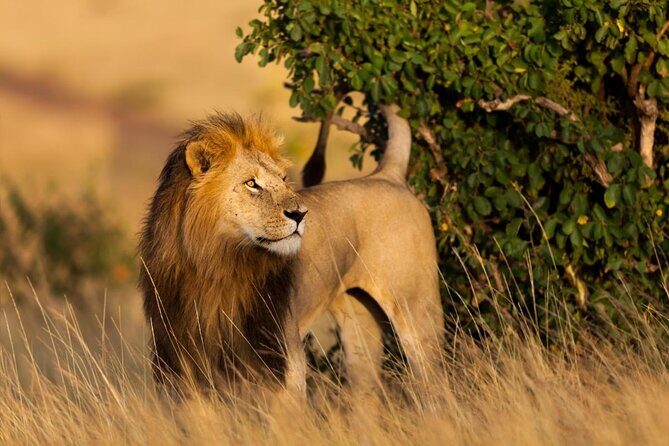
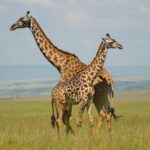
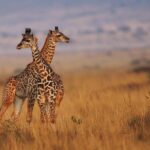
When you talk about the Mara, people often jump to the big cats. That’s fair, but what I like about this style of safari is it doesn’t ignore everything else. You’re in an area where you can realistically hope for a mix: lions, cheetah, elephants, buffalo, and giraffe, plus the steady presence of zebra and wildebeest. The tour’s description also calls out lots of bird life, including birds of prey circling for chances—so even if the big mammals are quiet at a given moment, you still have things to look at.
By evening, you drive back to camp for dinner and overnight. This matters more than it sounds. After a full day of driving and spotting, you want your lodging close enough that you’re not losing daylight to transfers. With dinner included, you’re not scrambling for food plans in the middle of the bush.
Practical takeaway: Day 1 is about setting your rhythm—morning energy into the park, lunch on arrival, then afternoon drives—so you can hit the ground running on Day 2.
A few more Nairobi tours and experiences worth a look
Afternoon and evening drives: what “good time” in the Mara really means
This safari doesn’t treat the park like a checklist. It’s built around time-on-the-ground. On Day 1, you arrive for lunch and then get an afternoon of game viewing inside the reserve. That “good time” timing is key because wildlife sighting isn’t evenly distributed across the day. Predators often move when the light helps them hunt; other animals move toward shade and water as temperatures rise. The Mara River area also helps define your search zone, which can make the day feel less random.
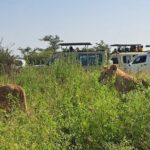
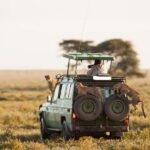
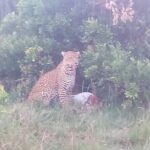
One detail I really appreciate is how the safari accounts for animal behavior beyond the obvious. The information for Day 2 mentions cheetahs in the Masai Mara that can be surprisingly relaxed around safari vehicles—some shelter from the sun under them, and a few even climb onto a roof for a better view of prey. That’s not something you can “schedule,” but it’s the kind of real-world detail that tells you what kind of encounters to expect: close, watchful, and sometimes a little cheeky.
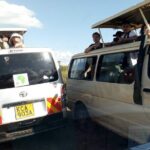
In the feedback, guides like George and Jared come up again and again for putting people on good scenes without being rude to the animals. One reviewer highlights a guide who listened to their needs and still kept things respectful. That’s the sweet spot you want: you get strong viewing positions without the safari turning into a loud circus.
Possible drawback on Day 1: If you’re the type who wants a slow day after arrival, this isn’t that. The schedule is designed to maximize time in the park, not to ease you into vacation mode.
Day 2: full-day game drive with picnic lunch inside the park
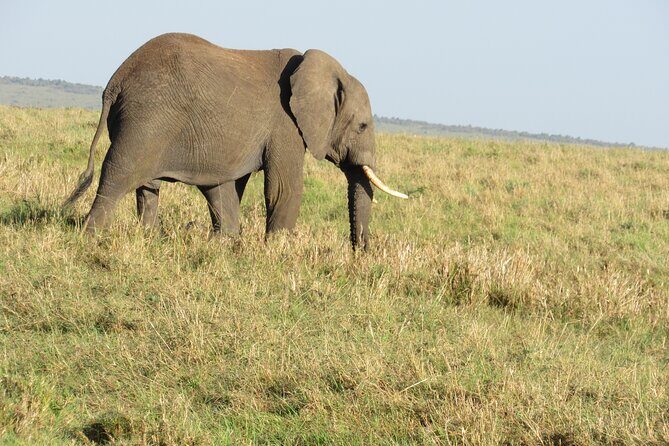
Breakfast at the camp kicks off Day 2, and then it’s a full day of game driving. This is where the safari becomes more than a short escape. A true full day means you get more chances to match animal movement patterns with daylight and weather.
Lunch is handled in a practical way: picnic-style inside the park. That’s a big quality-of-life detail. It reduces backtracking and keeps your day centered on wildlife rather than roads. It also means you can keep your “spotting focus” longer—because you’re not breaking the day in half with a drive back for a meal.
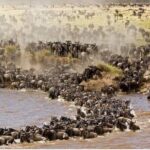
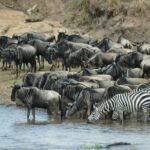
This is also the day where the tour description points to one of the Mara’s best-known seasonal attractions: the Great Migration timing. Between July and October, wildebeest follow rains on a circular journey described as about 2,900 kilometers (1,800 miles). If you’re traveling in that window, your chances of seeing large numbers moving through the reserve rise dramatically, and you’ll feel why this area is famous.
Even outside peak migration months, the Mara still has wildlife year-round. The tour information is blunt about it: it’s a place where you can keep seeing animals in different routines across seasons. So you shouldn’t feel like you missed the “main event” if you’re not in July–October. You’re still in the right place for predators, grazers, and birds.
There’s also an upgrade option: the safari can arrange a balloon ride on Day 2 at extra cost. I can’t tell you it’s worth it for everyone because the balloon depends on weather and your comfort with the idea of being up early again. But if you like aerial views and you’re trying to make the trip feel extra special, it’s the one add-on clearly tied to Day 2.
Practical takeaway: Day 2 is the engine of the trip. Full-day driving plus on-site picnic lunch is what turns a “three-day” safari into an experience you’ll remember clearly.
Enchoro Wildlife Camp: what your included night is really for
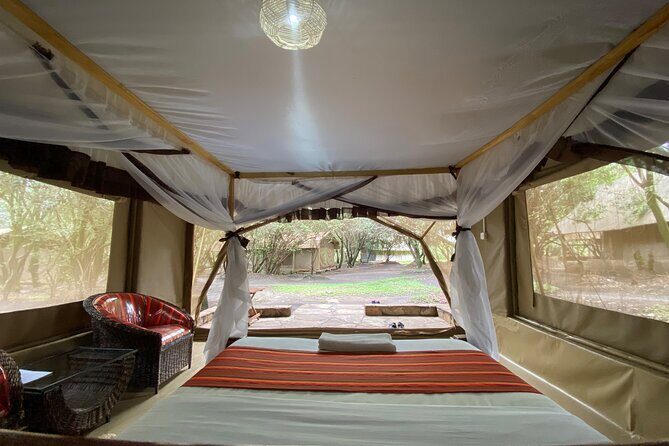
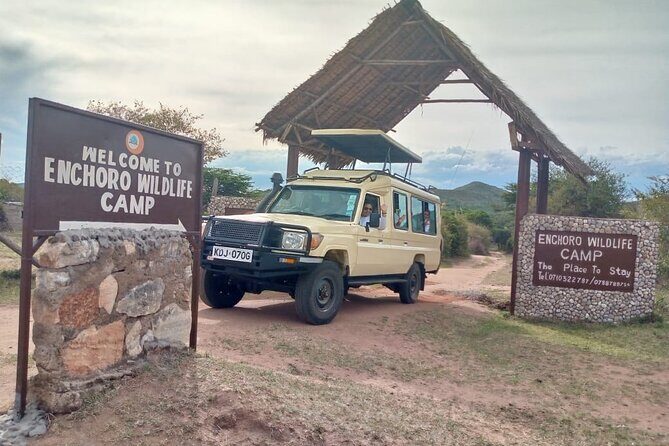
On this type of safari, the camp is less about luxury and more about logistics that keep you focused. Enchoro Wildlife Camp is the specific base named, with dinner and overnight on Day 1 and breakfast provided before you head out again on Day 2.
From the feedback, accommodations sound like they hit the basics well for most people. One reviewer mentions a camp stay they found good, using a camp name that may be a local spelling variant, which suggests the sleeping setup worked for them during the two nights. Another review calls out camp quality as part of why the overall trip felt safe and smooth.
Here’s the honest way to think about it: you’re in the bush. Even when camps are comfortable, you shouldn’t expect a city hotel vibe. Your “comfort wins” come from things like hot meals, a real place to sleep, and no late-night chaos. Those are exactly the kinds of wins your included dinner and breakfast help deliver.
My advice: pack for evening temperature swings and plan to spend most of your time outside your room—watching from camp can be part of the magic too, especially when you’re returning from a great drive.
Day 3: leaving the Mara with a Maasai Market stop and Carnivore Restaurant lunch
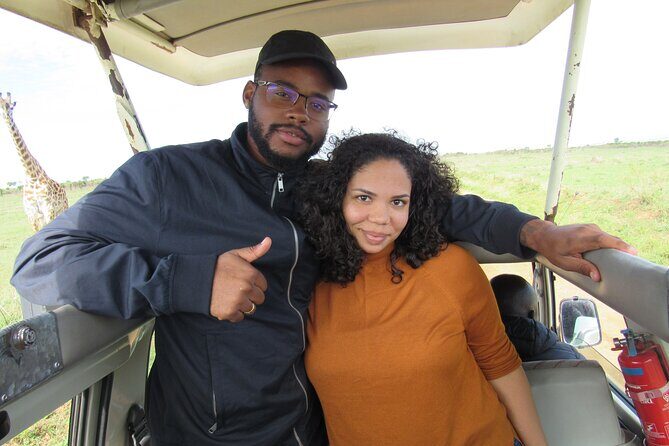
Day 3 starts with breakfast and then it’s goodbye time. You leave the reserve and drive back toward Nairobi. Along the way, you stop at the Maasai Market. This is your chance to stretch your legs and see local crafts up close. It’s also a moment to slow down after two days where your attention has been locked onto wildlife.
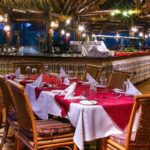
Back in Nairobi, there’s an included meal: complimentary lunch at Carnivore Restaurant. That’s a smart final touch. You’ve spent days in vehicle seats and camp dinners, and then you land back into a known, easy restaurant setting for a proper meal before drop-off.
Drop-off is set based on your flight timing, with arrangements to your city hotel or JKIA Airport, depending on what you need.
Practical takeaway: Day 3 is designed to end cleanly—market stop for culture, big meal for energy, then a drop-off that matches your schedule.
A few more Nairobi tours and experiences worth a look
Price and value: what $1,176.48 buys you in practice
At $1,176.48 per person for about 3 days, this safari sits in the higher range of many “short safari” options. The key question isn’t the sticker price—it’s what you’re getting for that money.
Here’s what’s clearly included:
- Pickup from Nairobi (7:00 am start)
- Park/admission tickets included across the days (marked as admission ticket included)
- Meals: dinner (2), breakfast (2), and lunch (3)
- Mobile ticket
- Time in the Mara with structured game drives and camp nights
Now, the value logic:
- You’re paying for two full days in the reserve area and one return/transfer day that still includes a meaningful stop and a real meal.
- Meals being included means you don’t lose time or mental energy figuring out food in between sightings.
- A small group size (max 7) generally means better attention from the guide and less friction during drives.
If you’re comparing to lower-cost safaris, the difference often shows up in guide-to-vehicle ratio, vehicle time, and how meals and park fees are handled. In the feedback you provided, the recurring theme is strong guiding—people credit guides like Jared and George for making sure they got good views and had their questions answered.
One consideration on value: you’re paying for a very wildlife-forward itinerary. If your dream safari is all about long hotel time, this won’t match your style.
Who should book this safari, and who should reconsider
This is a great match if:
- You want a tight, wildlife-heavy three-day trip rather than a slow travel loop.
- You like having a guide who explains what you’re seeing, not just driving from spot to spot.
- You travel with a group size that’s small enough for conversation and quick adjustments—up to 7 travelers makes that easier.
- You’re comfortable with early mornings and long road hours as part of safari life.
You might rethink it if:
- You hate early starts. Pickup at 7:00 am isn’t optional.
- You’re expecting a luxury resort experience. Camp is included, meals are included, but this is still a safari rhythm, not a spa vacation.
- You’re sensitive to being in a vehicle for extended periods. You’ll spend time driving to and from the reserve.
Quick booking advice before you go
If you want the best odds of satisfying wildlife days, come ready for patience. A cheetah sighting can happen fast or not at all on any given drive. Lions can appear when you’re lucky, or when you’re in the right area at the right time. Guides like George, Jared, and Kennedy get praised because they work the day with your expectations in mind.
Also, if balloon flight is important to you, plan to treat it as an add-on decision early. The balloon ride is only mentioned as available on Day 2 at extra cost, so you don’t want to wait until you’re already on the ground hoping it works out.
Should you book this 3-day Masai Mara safari from Nairobi?
Yes, if your priority is classic Masai Mara wildlife time with a structured schedule and included meals. The blend of early pickup, full-day game driving, a camp night with dinner and breakfast, and a clean Nairobi return with lunch makes the trip feel efficient and stress-light.
Skip it or at least compare carefully if you dislike long driving days or you expect a high-end hotel experience. Also, if you’re dead set on balloon flight, treat it as a budget and timing decision, since it’s offered at extra cost on Day 2.
If you want a safari that feels authentic and still well-run—without wasting your days on logistics—this one is a strong choice.
FAQ
What time is pickup for this safari?
Pickup starts at 7:00 am from the meeting point in Nairobi.
Where is the meeting point?
The start point is YWCA Kenya – National Headquarter, Nyerere Rd, Nairobi, Kenya.
How long is the safari?
It runs for about 3 days.
Is pickup included, and where do I get dropped off?
Pickup is offered. On the return day, drop-off is arranged based on your flight timing, either to your city hotel or to JKIA.
What meals are included?
Dinner is included for 2 nights, breakfast for 2 mornings, and lunch for 3 meals.
Are park/admission tickets included?
Admission tickets are included as part of the experience.
Can I add a balloon ride?
Yes. A balloon ride can be arranged on Day 2 at an extra cost.
What is the cancellation window?
You can cancel for free up to 24 hours in advance for a full refund.