REVIEW · NAIROBI
8 Days Safari to Amboseli, Great Rift Valley Lakes & Masai Mara
Book on Viator →Operated by African Home Adventure Safaris · Bookable on Viator
Elephants with Kilimanjaro in view is a real hook. I like how this small-group safari vehicle keeps you close to the action, and how the five-park circuit stacks up different habitats in just eight days. The one drawback to plan for: the days can be long, with early starts and plenty of road time between parks.
What makes this route feel extra “Kenya” is the mix of savanna driving and Rift Valley lake scenery. You’ll get flamingo time at Lake Nakuru and Lake Bogoria, plus a rhino-focused day that’s not just about photos. Still, the safari rhythm is busy—so if you want total downtime, you’ll need to manage expectations.
Also, double-check the stated formal dress code before you pack. On safaris, you usually live in practical layers, so plan to bring at least one nicer outfit for dinners or cultural visits, then keep your daily gear simple.
In This Review
- Key things that make this safari worth your attention
- Why the Amboseli–Rift Valley–Mara circuit feels so efficient
- Nairobi pickup and the first hours: what to expect on day one
- Amboseli National Park: Kilimanjaro’s best angle and elephants that feel close
- Lake Naivasha and Hell’s Gate: Rift Valley lakes with a more active feel
- Lake Bogoria: lesser flamingos and volcanic-saline drama
- Lake Nakuru National Park: rhinos, flamingos, and a full game-drive day
- Maasai Mara: golden savanna drives and big-cat odds
- Masai culture visits: learning context without turning it into a show
- Safari vehicle comfort and window seats: the small-group advantage
- Price and what you’re really paying for (and what you’re not)
- Packing and dress tips for a formal note in a wildlife world
- So, should you book this 8-day Kenya safari?
- FAQ
- How long is the safari and where does it start?
- What major parks will I visit?
- Is pickup from Nairobi included?
- Will everyone have a window seat?
- Are meals and lodging included?
- Is there a vegetarian option?
- What if weather is bad?
Key things that make this safari worth your attention
- Window-seat safari drives in a small vehicle setup (ideal for wildlife spotting and photos)
- Kilimanjaro views from Amboseli, including elephant-herd energy in open plains
- Rift Valley lakes in sequence: Naivasha, Hell’s Gate area, Bogoria, and Nakuru
- Lake Nakuru’s drama: flamingos up to around two million, plus black and white rhinos
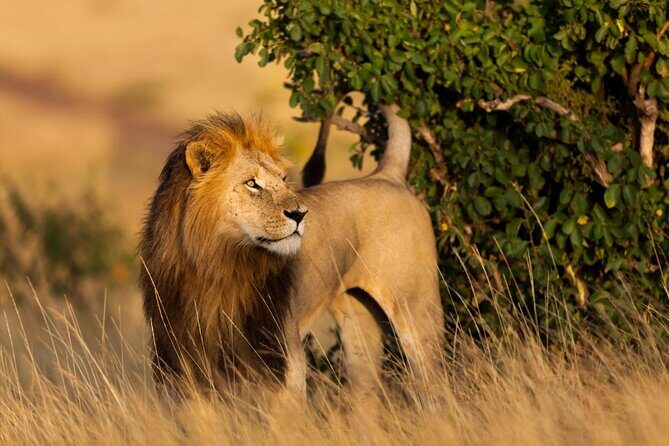
- Masai Mara game drives with classic Mara scenery and big-cat chances
- Spotting-first guiding style that’s shown in named guide examples like George and Tom in operator feedback
Why the Amboseli–Rift Valley–Mara circuit feels so efficient
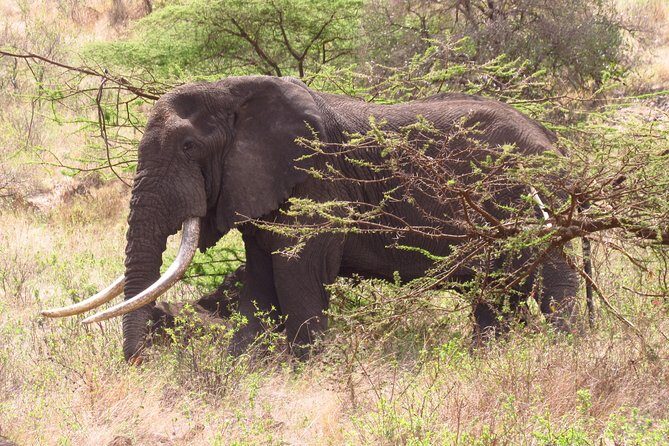
This safari makes smart use of geography. You start with Amboseli near Nairobi, then you work your way through the Great Rift Valley lakes, and you finish in the Masai Mara where game drives are the main event.
For you, that means you’re not just “going to parks.” You’re moving through different ecosystems—dry lake-bed country and acacia woodland in Amboseli, volcanic-and-saline lake country around Bogoria, and then classic savanna dynamics in the Mara. It’s the kind of itinerary that helps you understand Kenya as one big system, not five random dots on a map.
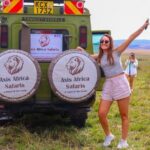
And because the driving is done in a custom-made safari vehicle with a small-group feel, you’re not stuck in a crowded bus experience where half the seats feel useless for viewing.
A few more Nairobi tours and experiences worth a look
Nairobi pickup and the first hours: what to expect on day one
Your trip starts in Nairobi with pickup offered, with a stated start time around 7:30 am. That early departure matters because Amboseli is south of Nairobi and the best wildlife-viewing hours tend to be in the morning.
Day one runs like this: you head out to Amboseli, check in at your camp, have lunch, rest briefly, then go out for an afternoon game drive before returning for dinner and overnight.
Practical note: the tour is designed as a full safari program with lodging and meals included as per the itinerary. So you’re not budgeting time to find restaurants or solve transport mid-trip. Your main job is to be ready at the pickup time and to keep your day pack light.
Amboseli National Park: Kilimanjaro’s best angle and elephants that feel close
Amboseli is one of those parks where the scenery and wildlife both do heavy lifting. The park sits just south of Nairobi, with much of it formed by a dry, ancient lake bed and fragile grassland, plus acacia woodland and small volcanic hills in the southern areas.
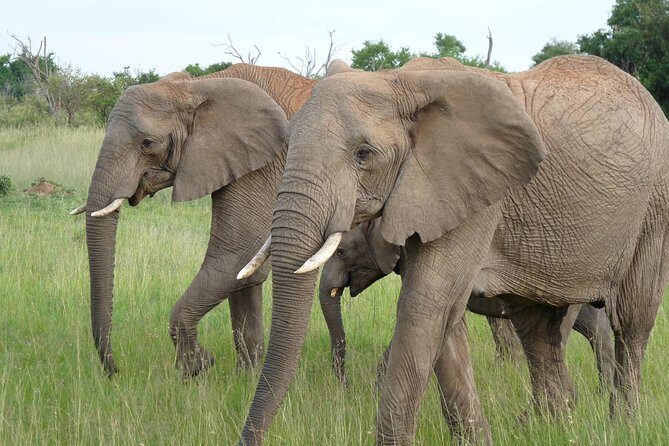
But what really sells Amboseli is the elephant density and the view of Mount Kilimanjaro. The name Amboseli is tied to a Maasai word meaning salty dust, which is a nice reminder that this ecosystem is shaped by weather, soil, and water in a very real way. You’ll also see lush pockets around swamps—named areas include Ol kenya, Ol Tukai, and Enkongo Narok—where the vegetation thickens with things like yellow-barked acacias and phoenix palms.
What you do in Amboseli:
- Afternoon and full-day drives (morning plus afternoon on day two)
- A chance for big-herd elephant viewing up close in areas where the habitat pulls them in
- A cultural stop: a Masai village cultural visit around day two
What I like for your trip: Amboseli tends to deliver “instant safari payoff.” Even before you get deep into the route, you’re already in iconic country, with guides using the vehicle setup to position you for sightings.
Possible drawback: Amboseli also has open visibility, which can mean sun and heat. You’ll want sunscreen and water, and you’ll want to be okay with being outside between drives.
Lake Naivasha and Hell’s Gate: Rift Valley lakes with a more active feel
After Amboseli, you shift into Rift Valley rhythm. The next move is early—breakfast first—then drive to the Lake Naivasha area.
Naivasha is part of the Great Rift Valley lakes story, and it works well as a change of pace from savanna-only days. You check into your lodge, have lunch, rest, and then you go out for an afternoon game drive in Hell’s Gate National Park.
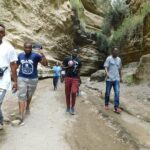
Hell’s Gate is especially appealing if you like doing more than just riding. The optional activities listed include hiking, cycling, and a boat ride. That means your day isn’t trapped at “sit and wait for animals.” If conditions allow, you can switch from vehicle spotting to active time on the ground.
How this helps you: the Rift Valley can feel repetitive if every day is only grassland chasing. Adding Hell’s Gate options gives you another way to experience wildlife and scenery.
The planning consideration: optional activities depend on timing and conditions, so keep your mindset flexible. If you’re determined to do every option, you’ll need to follow the guide’s recommendations closely on the day.
Lake Bogoria: lesser flamingos and volcanic-saline drama
From Naivasha, you move toward Lake Bogoria. You travel with lunch en route, then you’re set up for dinner and overnight after your time near the lake.
Bogoria is described as a saline, alkaline lake in a volcanic basin in a half-graben area of the Rift Valley. In plain terms: it’s a different kind of “lake magic” than what you see in most travel brochures.
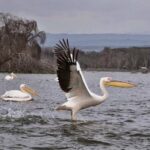
The wildlife focus here is mainly birds—especially lesser flamingos. You’re likely to find them in large numbers, which can turn the lakeshore into a long pink band effect when conditions are right.
Why this stop is valuable: it gives you a bird day that doesn’t feel like “just flamingos and done.” You also get to see how the Rift Valley landscape functions—volcanic geology, alkaline water, and a food chain built for those conditions.
Possible drawback: bird sightings can change with the day’s conditions (wind, light, and shoreline activity). You’ll enjoy it more if you’re okay with wildlife being less predictable than, say, elephants at a watering area.
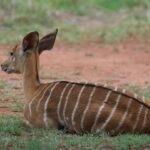
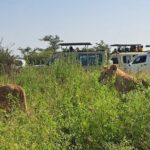
Lake Nakuru National Park: rhinos, flamingos, and a full game-drive day
Lake Nakuru is one of the most famous “pause and stare” parks in Kenya, and it earns it.
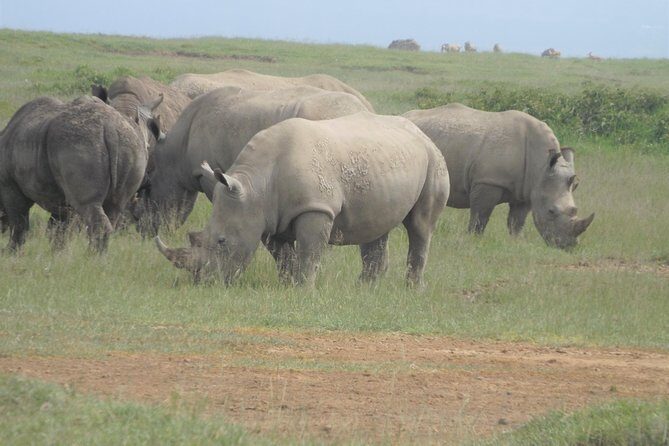
You get a full day game drive, which matters because it gives you time to explore different parts of the park rather than just one quick loop. Nakuru is also a rhino sanctuary, with stated populations of over 40 black rhinos and over 60 white rhinos. That’s serious conservation territory, and it’s not something you want to rush.
Then there are the flamingos. The description here is dramatic: up to around two million flamingos can be present, forming a deep pink band around the lakeshore. That’s the kind of sight that makes you stop scanning for animals and just look at the water like it’s moving.
What you should know:
- This is a day built for wildlife viewing, not quick touring.
- If your priority is rhinos, you’re in the right place.
- If your priority is birds and photography, Nakuru is basically the star role.
Balanced reality check: with rhinos, you might see more “tracks and silence” before a sighting. With flamingos, you can get instant visual impact, but you still won’t control how close they’ll be at any moment.
Maasai Mara: golden savanna drives and big-cat odds
After the lakes, you move into Maasai Mara National Reserve, and this is where your days become more classic “safari mode.”
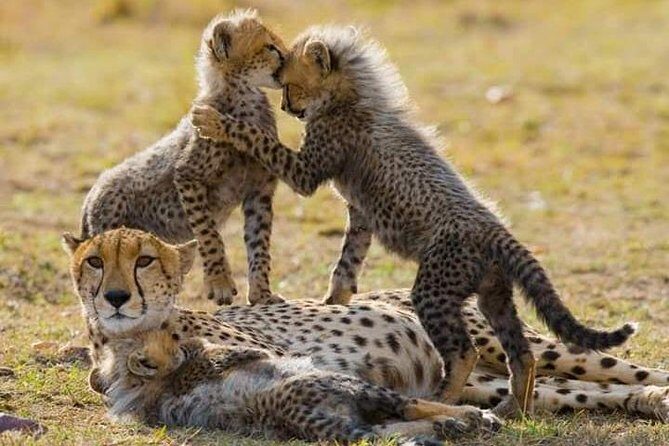
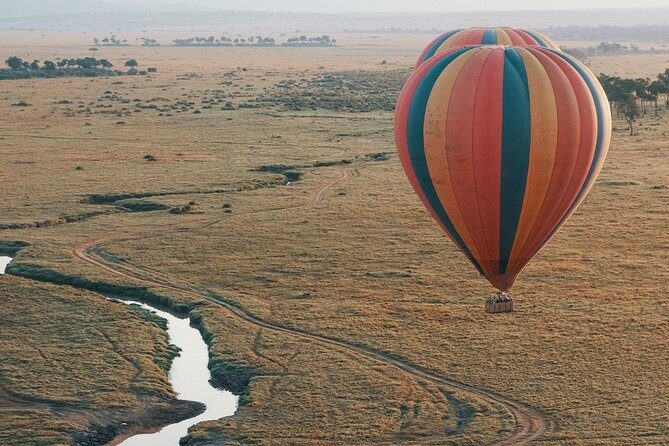
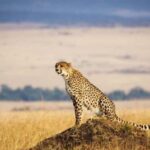
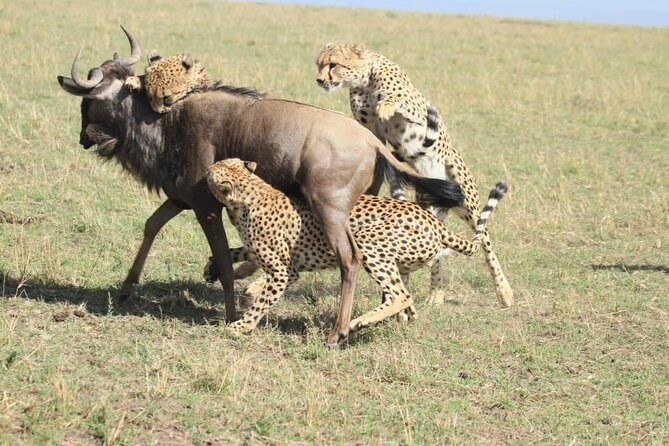
You arrive at the lodge with lunch, rest, then go out for an afternoon game drive. The Mara’s scenery is described as golden savannah, with grasslands and grazing that set up great hunting conditions. It’s also the type of place where cheetahs and lions make sense in your imagination because everything is in the same frame: open ground, prey movement, and wide sight lines from the vehicle.
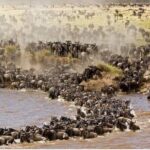
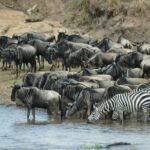
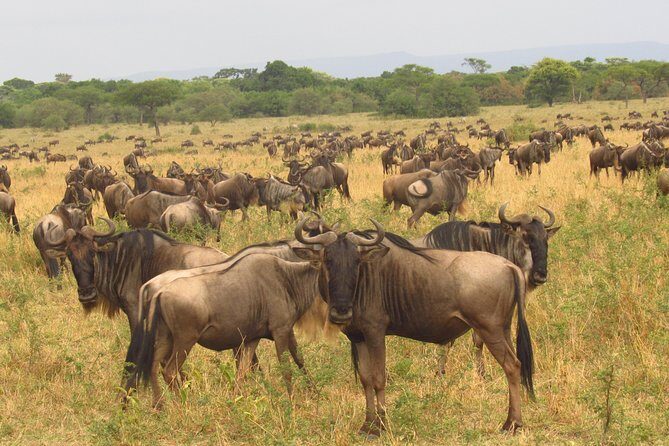
The itinerary also highlights seasonal wildlife drama: around July, wildebeest can cross the Mara River into the reserve to feed on fresh savanna growth. If you’re traveling in that window, your guide will likely frame the Mara River areas as a high-interest location.
One day is structured around a full-day drive with a picnic-style lunch in the park. Another drive day includes time around the Mara River crossing point for lunch. This is good planning because it connects “where wildlife gathers” with “when you’ll actually be there.”
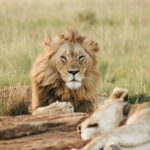
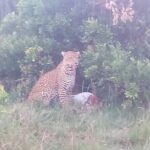
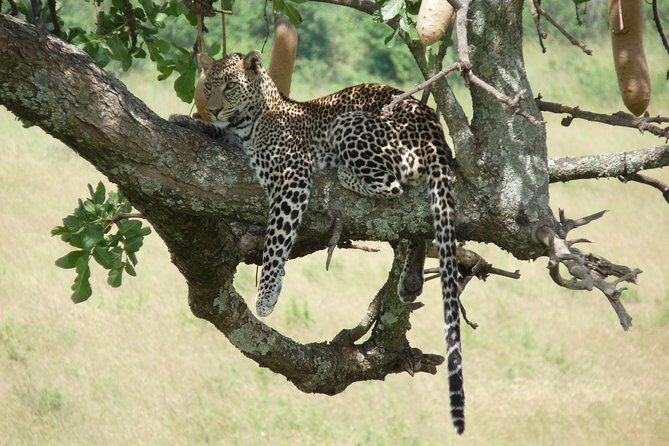
You’ll also hear about the Mara’s black-manned lions as a special focus, plus the fact that the reserve is one of the few places where it’s possible to see the big five on game drive.
Reality check: big-five sightings aren’t guaranteed. What is more predictable is that the Mara format—multiple drives, long time on the road in prime hours—gives you more chances than a short visit ever could.
Masai culture visits: learning context without turning it into a show
This safari includes Masai cultural time twice: once around day two and again on the final morning before heading back to Nairobi.
These visits give you a different lens than wildlife-only viewing. Instead of asking why animals behave a certain way, you get a chance to see how the Maasai people describe land, community, and tradition in their own terms.
What you can take from it:
- It breaks up the mental monotony of pure game drives.
- It puts the local human story next to the animal story.
One caution: cultural stops can sometimes feel rushed if you pack too much other agenda. The itinerary places this time into the program naturally, but you’ll still want to ask questions in the moment and keep your phone put away when people are speaking.
Safari vehicle comfort and window seats: the small-group advantage
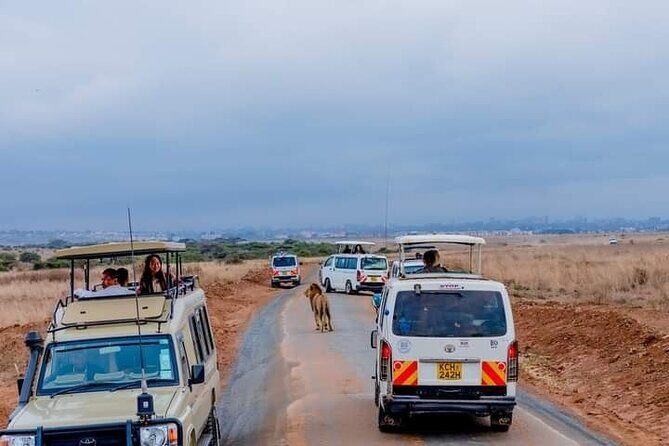
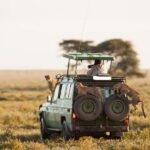
This is one of the biggest practical perks of the way the tour is set up. The experience is built for small groups—specifically noted as seven people or fewer—with everyone getting a window seat.
That’s not a luxury detail. It affects how much you actually see.
- Elephants aren’t helpful if you’re stuck craning around someone.
- Lion and leopard sightings come fast, and window access helps you react instantly.
- Photography is easier when you’re not trying to negotiate arm positions and glare.
There’s also a broader cap noted as a maximum of 15 travelers, so the overall size is kept limited. Your best-case scenario is the smaller grouping that delivers that true all-window setup.
From the operator’s feedback, drivers like George and Tom are repeatedly praised for spotting animals early—often with binoculars—and that’s exactly what window seats support: quick positioning and smoother viewing.
Price and what you’re really paying for (and what you’re not)
At $2,800 per person for an eight-day safari circuit, you’re not just paying for a driver and a few park entries. You’re paying for a full package that includes lodging, meals, and the activities laid out in the itinerary.
That matters because safari costs add up fast when you’re piecing things together yourself: transport, accommodation logistics, timing, guiding, and the “getting from one hotspot to the next” work. This itinerary is built to handle that moving parts problem for you.
So where the value comes from:
- You cover multiple high-demand areas (Amboseli, Naivasha/Hell’s Gate, Bogoria, Nakuru, Mara) in one line of travel.
- You get multiple game-drive blocks rather than one “big day” and lots of driving.
- You get cultural visits included in the rhythm.
- You keep the group small enough to make wildlife viewing practical.
What you should watch before booking: this circuit is busy. If you’re the type who needs quiet afternoons, the schedule may feel like it’s always doing something. That’s not “bad”—it’s just how Kenya safari works when you want big variety in a short trip.
Packing and dress tips for a formal note in a wildlife world
The tour data lists a formal dress code, which is unusual for safari time but not unheard of when camps or cultural settings want a nicer look for part of the day.
My advice:
- Pack layers for safari heat and cool early mornings.
- Bring at least one outfit that meets the formal ask.
- Keep your day gear practical: a hat, sunglasses, sunscreen, and a lightweight jacket for mornings.
Also follow the luggage limit stated: you’re allowed up to one suitcase and one carry-on. If you’re bringing bulky items, ask ahead so you don’t end up stressed at check-in.
And because the itinerary operates in all weather conditions, dress for the day—not just the forecast. Wind and sun can change quickly in Rift Valley country.
So, should you book this 8-day Kenya safari?
I’d book it if:
- You want multiple parks without stitching together separate trips.
- You care about the Rift Valley lakes as much as the big savanna experience.
- Small-group vehicle time and window access matter to you.
- You’re excited by both wildlife and culture stops, not just one or the other.
I’d think twice if:
- You want lots of downtime and short driving days.
- Formal dress rules would genuinely stress you out.
- You’re traveling with a “one perfect sighting or bust” mindset—because wildlife is always wild, even with the best planning.
If you go with the right expectations—early mornings, long drives, and the thrill of varied ecosystems—you’ll get a Kenya safari that feels like a full storyline, not a checklist.
FAQ
How long is the safari and where does it start?
It’s an approximately 8-day safari starting in Nairobi, Kenya, with pickup offered. The experience ends back at the meeting point in Nairobi.
What major parks will I visit?
You’ll visit Amboseli National Park, the Great Rift Valley area around Lake Naivasha and Hell’s Gate, Lake Bogoria, Lake Nakuru National Park, and the Masai Mara National Reserve.
Is pickup from Nairobi included?
Yes. Pickup is offered from your city hotel/residence, with an early start time listed around 7:30 am (and day-one driving described from the 8 am pickup time).
Will everyone have a window seat?
The tour describes custom safari vehicles set up for small groups of seven or fewer so everyone gets a window seat. The overall maximum group size is also noted as 15 travelers.
Are meals and lodging included?
Yes. Lodging, meals, and activities are included as per the itinerary.
Is there a vegetarian option?
Yes. A vegetarian option is available; you need to advise the operator at booking.
What if weather is bad?
The experience requires good weather. If it’s canceled due to poor weather, you’ll be offered a different date or a full refund.